
Known for
 5.0
5.0Four junkyard kids go into town looking for something to cure their hero, Grand Batche. On the way, they come across various symbols of society: the cop, the mayor, the postman, the madman, the artist...
Boxumaleen!!
1991
 5.5
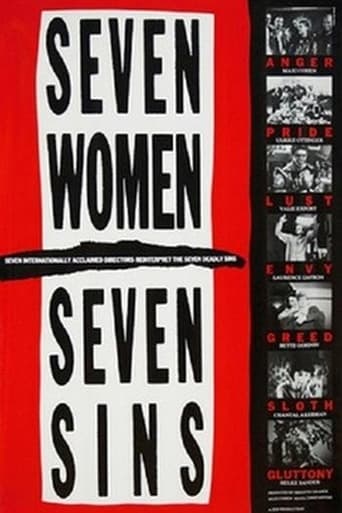
5.5Seven Women, Seven Sins (1986) represents a quintessential moment in film history. The women filmmakers invited to direct for the seven sins were amongst the world's most renown: Helke Sander (Gluttony), Bette Gordon (Greed), Maxi Cohen (Anger), Chantal Akerman (Sloth), Valie Export (Lust), Laurence Gavron (Envy), and Ulrike Ottinger (Pride). Each filmmaker had the liberty of choosing a sin to interpret as they wished. The final film reflected this diversity, including traditional narrative fiction, experimental video, a musical, a radical documentary, and was delivered in multiple formats from 16, super 16, video and 35mm.
Sieben Frauen, sieben Sünden
1988
 7.0
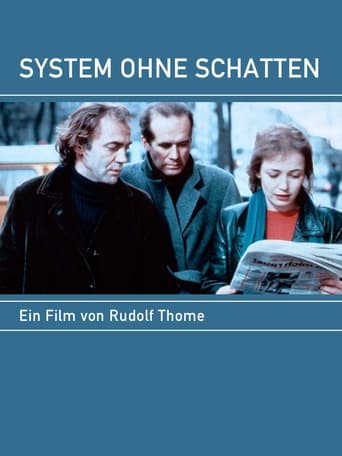
7.0IT specialist Victor Faber makes a living securing computers for large corporations and banks. His reclusive private life is upended when he falls in love with a strange woman named Juliet. Her friend convinces Faber to exploit his knowledge to rob a bank.
Closed Circuit
1983
 NR
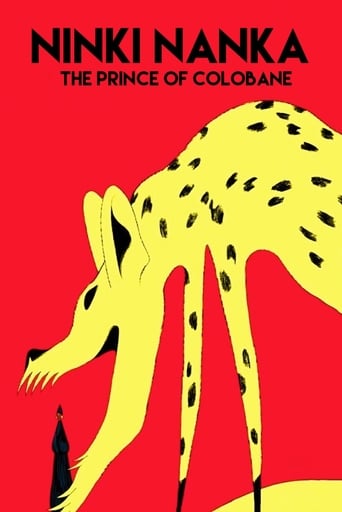
NRIn April and May 1991, Djibril Diop Mambéty shot his second—and final—feature, Hyenas, a free, lyrical adaptation of Friedrich Dürrenmatt’s play The Visit, which he had been dreaming of bringing to life for years. Rather than taking the making-of approach, Ninki Nanka, The Prince of Colobane used the filming of Mambéty’s movie, which he wrote, directed, and acted in, as a pretext to examine his character. Following him throughout the shoot and also paying visits to his family and childhood friends, Laurence Gavron set off on a quest to find the real Djibril—actor, author, filmmaker, brilliant poet, rogue and clairvoyant, charmer with a big heart—in order to expose the different facets of this generous, creative, and fiercely committed vagabond spirit.
Ninki Nanka, The Prince of Colobane
1991
 NR
NRGavron demonstrates that jealous feelings are useless in this story of a man, the nephew of the theater director in a small town, who envies the work of the conductor, one of his uncle’s employees. Part of the omnibus anthology film Seven Women, Seven Sins as Envy.
Il Maestro
1986
Film credits
Behind the camera
5.0Four junkyard kids go into town looking for something to cure their hero, Grand Batche. On the way, they come across various symbols of society: the cop, the mayor, the postman, the madman, the artist...
Boxumaleen!!
1991
5.5Seven Women, Seven Sins (1986) represents a quintessential moment in film history. The women filmmakers invited to direct for the seven sins were amongst the world's most renown: Helke Sander (Gluttony), Bette Gordon (Greed), Maxi Cohen (Anger), Chantal Akerman (Sloth), Valie Export (Lust), Laurence Gavron (Envy), and Ulrike Ottinger (Pride). Each filmmaker had the liberty of choosing a sin to interpret as they wished. The final film reflected this diversity, including traditional narrative fiction, experimental video, a musical, a radical documentary, and was delivered in multiple formats from 16, super 16, video and 35mm.
Sieben Frauen, sieben Sünden
1988
5.5Seven Women, Seven Sins (1986) represents a quintessential moment in film history. The women filmmakers invited to direct for the seven sins were amongst the world's most renown: Helke Sander (Gluttony), Bette Gordon (Greed), Maxi Cohen (Anger), Chantal Akerman (Sloth), Valie Export (Lust), Laurence Gavron (Envy), and Ulrike Ottinger (Pride). Each filmmaker had the liberty of choosing a sin to interpret as they wished. The final film reflected this diversity, including traditional narrative fiction, experimental video, a musical, a radical documentary, and was delivered in multiple formats from 16, super 16, video and 35mm.
Sieben Frauen, sieben Sünden
1988
NRIn April and May 1991, Djibril Diop Mambéty shot his second—and final—feature, Hyenas, a free, lyrical adaptation of Friedrich Dürrenmatt’s play The Visit, which he had been dreaming of bringing to life for years. Rather than taking the making-of approach, Ninki Nanka, The Prince of Colobane used the filming of Mambéty’s movie, which he wrote, directed, and acted in, as a pretext to examine his character. Following him throughout the shoot and also paying visits to his family and childhood friends, Laurence Gavron set off on a quest to find the real Djibril—actor, author, filmmaker, brilliant poet, rogue and clairvoyant, charmer with a big heart—in order to expose the different facets of this generous, creative, and fiercely committed vagabond spirit.
Ninki Nanka, The Prince of Colobane
1991
NRIn April and May 1991, Djibril Diop Mambéty shot his second—and final—feature, Hyenas, a free, lyrical adaptation of Friedrich Dürrenmatt’s play The Visit, which he had been dreaming of bringing to life for years. Rather than taking the making-of approach, Ninki Nanka, The Prince of Colobane used the filming of Mambéty’s movie, which he wrote, directed, and acted in, as a pretext to examine his character. Following him throughout the shoot and also paying visits to his family and childhood friends, Laurence Gavron set off on a quest to find the real Djibril—actor, author, filmmaker, brilliant poet, rogue and clairvoyant, charmer with a big heart—in order to expose the different facets of this generous, creative, and fiercely committed vagabond spirit.
Ninki Nanka, The Prince of Colobane
1991
NRGavron demonstrates that jealous feelings are useless in this story of a man, the nephew of the theater director in a small town, who envies the work of the conductor, one of his uncle’s employees. Part of the omnibus anthology film Seven Women, Seven Sins as Envy.
Il Maestro
1986
NRGavron demonstrates that jealous feelings are useless in this story of a man, the nephew of the theater director in a small town, who envies the work of the conductor, one of his uncle’s employees. Part of the omnibus anthology film Seven Women, Seven Sins as Envy.
Il Maestro
1986