
Directing
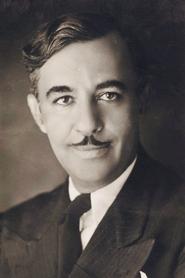
Luiz de Barros
Born — Died
1893-09-12 — 1982-12-03
Place of birth
Rio de Janeiro, Brazil
Known for
Directing
Credits
48 titles
Luiz de Barros (Rio de Janeiro, September 12th, 1893 — Rio de Janeiro, December 3rd, 1982) was a Brazilian filmmaker, producer, actor, screenwriter, cinematographer and editor. He also worked in the theater as a set designer, producer, artistic director and a playwright, besides serving as a decorator and artistic director for famous shows of the Cassino da Urca and Cassino Atlântico. His career in film began in 1914, when he directed A Viuvinha. He directed the first Brazilian sound film, Acabaram-se os Otários (1929), made with a synchronization technique he devised himself. From 1914 to 1980, he made about 250 films.
Known for
 NR
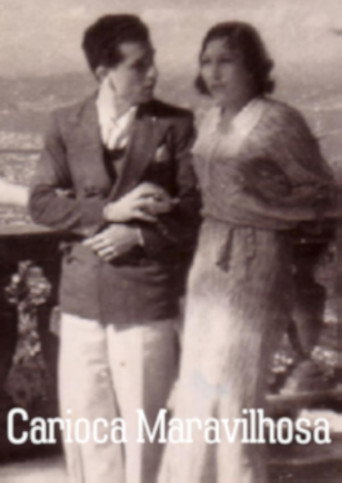
NRAn Argentine man at odds with his fiancée travels to Rio de Janeiro to meet her. Upon arrival, however, he becomes distracted from their quarrels, captivated by the city's tropical atmosphere.
Carioca Maravilhosa
1936
 8.0
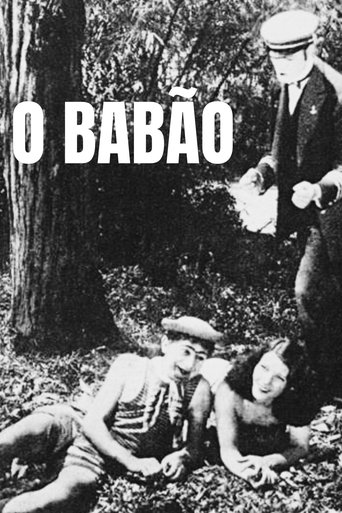
8.0Zé Babão is a hillbilly who does not care about working, leads the good life of the interior and is in love with Conchita. One day, an Italian appears interested in all the banana trees of Zé Babão and, for this, decides to marry Conchita.
O Babão
1930
 7.0
7.0No synopsis available yet.
O Rei do Samba
1952
 8.0
8.0A girl sings very well, but no one believes her; a country hillbilly in love with her pays a cabaret owner to let her sing. She is a success, but the country hillbilly has to settle for being just her friend.
Vocação Irresistível
1924
 9.0
9.0A 1923 Brazilian silent comedy film directed by Luiz de Barros, now considered a Lost Film. Augusto Aníbal Quer Casar is recognized as the first portrayal of an LGBT character in Brazilian cinema history.
Augusto Aníbal Quer Casar
1923
7.0Documentary focusing on a cesarean section in a hospital in São Paulo.
Operação Cesariana
1928
Film credits
1980s · 1 titles


1950s · 1 titles

1920s · 3 titles
 8.0
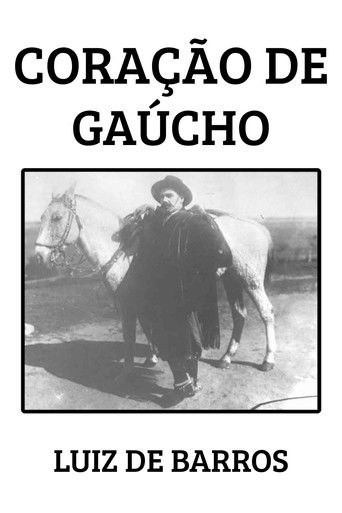
8.0Film based on the book "O Gaúcho" by the writer José de Alencar.
Coração de Gaúcho
1920
 9.0
9.0Clarinda is the adopted daughter of Alberto da Silva, an industrialist facing a crisis due to excess inventory. Benedito Silveira, a representative of a European firm interested in Alberto's products, flirted with Clarinda, despite being relatively old. If Clarinda's heart belonged to him, the problem of the accumulated inventory would be solved. However, Clarinda either didn't want to, or couldn't understand, Benedito's romantic intentions. She spent her time outings with Laura, a highly experienced aviator and her childhood friend. The factory's growing crisis forced the shareholders to meet frequently. Employee layoffs were inevitable. Antonio Martins was a young shareholder who spent most of his time in clubs and cabarets. Introduced to Clarinda, he began to court her, eventually declaring his love. But Clarinda thought of no other affection than that of her adoptive father.
Quando Elas Querem
1925
 7.0
7.0A farmer from the countryside goes to Rio de Janeiro with his family in search of his daughter's fiancé, who was in the Federal Capital gambling, going to cabarets and dating a ballerina. The farmer also gets involved in many adventures. In the end, he and Gouveia, the fiancé, regret their decision and return to their family.
A Capital Federal
1923
1910s · 2 titles
9.0Lost film. Based on the novel of the same name by writer José de Alencar.
A Viuvinha
1916
 NR
NRUbirajara, chief of the Araguaias, is engaged to Jandyra. One day, however, he falls in love with Aracy, daughter of Itaquê, chief of the Tocantins and sister of Pojucã, his prisoner. He frees Pojucã so he can declare war on Itaquê and retrieve his daughter. Itaquê is wounded by other enemies and goes blind. The two tribes unite and elect Ubirajara as chief.
Ubirajara
1919
Behind the camera
NRAn Argentine man at odds with his fiancée travels to Rio de Janeiro to meet her. Upon arrival, however, he becomes distracted from their quarrels, captivated by the city's tropical atmosphere.
Carioca Maravilhosa
1936
NRAn Argentine man at odds with his fiancée travels to Rio de Janeiro to meet her. Upon arrival, however, he becomes distracted from their quarrels, captivated by the city's tropical atmosphere.
Carioca Maravilhosa
1936
8.0Zé Babão is a hillbilly who does not care about working, leads the good life of the interior and is in love with Conchita. One day, an Italian appears interested in all the banana trees of Zé Babão and, for this, decides to marry Conchita.
O Babão
1930
8.0Zé Babão is a hillbilly who does not care about working, leads the good life of the interior and is in love with Conchita. One day, an Italian appears interested in all the banana trees of Zé Babão and, for this, decides to marry Conchita.
O Babão
1930
7.0No synopsis available yet.
O Rei do Samba
1952
7.0No synopsis available yet.
O Rei do Samba
1952
8.0A girl sings very well, but no one believes her; a country hillbilly in love with her pays a cabaret owner to let her sing. She is a success, but the country hillbilly has to settle for being just her friend.
Vocação Irresistível
1924
9.0A 1923 Brazilian silent comedy film directed by Luiz de Barros, now considered a Lost Film. Augusto Aníbal Quer Casar is recognized as the first portrayal of an LGBT character in Brazilian cinema history.
Augusto Aníbal Quer Casar
1923
7.0Documentary focusing on a cesarean section in a hospital in São Paulo.
Operação Cesariana
1928
 10.0
10.0A horse tamer is the father of a beautiful girl who is coveted by his neighbor, a rich farmer. The farmer seduces and kidnaps the poor girl. The man, desperate, goes after him. In the end, when he tries to hit the man, he ends up hitting his beloved daughter. Not knowing what to do, he starts a fire in the farmer's forest, but when he sees that the fire is taking over his property, he decides to hang himself.
A Derrocada
1918
10.0A horse tamer is the father of a beautiful girl who is coveted by his neighbor, a rich farmer. The farmer seduces and kidnaps the poor girl. The man, desperate, goes after him. In the end, when he tries to hit the man, he ends up hitting his beloved daughter. Not knowing what to do, he starts a fire in the farmer's forest, but when he sees that the fire is taking over his property, he decides to hang himself.
A Derrocada
1918
 10.0
10.0In a small town in the countryside, the population is excited about the imminent arrival of a circus that brings excitement to the peaceful life of the city.
E o Circo Chegou
1940
10.0In a small town in the countryside, the population is excited about the imminent arrival of a circus that brings excitement to the peaceful life of the city.
E o Circo Chegou
1940
 10.0
10.0The surprising story of the scandalous Empress of Rome, Messalina.
Messalina, a Imperatriz da Luxúria
1930
10.0The surprising story of the scandalous Empress of Rome, Messalina.
Messalina, a Imperatriz da Luxúria
1930
 9.0
9.0No synopsis available yet.
Malandros em Quarta Dimensão
1954
9.0No synopsis available yet.
Malandros em Quarta Dimensão
1954
 7.0
7.0The French girl Nanette Lubin came to Rio looking for her aunt and ended up finding the son of a baroness, Ricardo de Toneleiros. Not finding her aunt, Nanette became a manicurist for a baroness and later the lover of the lady's nephew. The film ends with the death of Nanette, who had been located by her aunt, but the aunt, upon learning how her niece was living, returned to the farm where she lived.
Perdida
1916
 8.0
8.0No synopsis available yet.
Pif-Paf
1945
 8.0
8.0A hillbilly and an Italian leave the countryside, go to São Paulo and are scammed by a crook. They end up being chased by a police officer, and without a penny in their pockets, they end up returning to the countryside. It's considered a lost film, but a reconstituted version was made by researchers at the Universidade Federal Fluminense.
Acabaram-se os Otários
1929
8.0A hillbilly and an Italian leave the countryside, go to São Paulo and are scammed by a crook. They end up being chased by a police officer, and without a penny in their pockets, they end up returning to the countryside. It's considered a lost film, but a reconstituted version was made by researchers at the Universidade Federal Fluminense.
Acabaram-se os Otários
1929
 5.3
5.3No synopsis available yet.
O Cortiço
1945
5.3No synopsis available yet.
O Cortiço
1945
 6.0
6.0No synopsis available yet.
Caídos do Céu
1946
6.0No synopsis available yet.
Caídos do Céu
1946
8.0Unreleased film, produced simultaneously with "Acabaram-se os Otários".
Uma Encrenca no Olimpo
1929
 8.0
8.0Night guard Alberto, whose greatest ambition was to be a reporter, tries to clear a friend accused of a crime. With the help of his friend Ernesto, he investigates the events linked to the crime and is pursued by the real criminal. Jaime, the bandit, before dying confesses to the crime, after a plane chase in which he fell to the ground, with Ernesto in pursuit. Ernesto had moved from one plane to another, using a rope ladder and managed to stay attached to the plane's wings, saving himself.
Hei de Vencer
1924
8.0Night guard Alberto, whose greatest ambition was to be a reporter, tries to clear a friend accused of a crime. With the help of his friend Ernesto, he investigates the events linked to the crime and is pursued by the real criminal. Jaime, the bandit, before dying confesses to the crime, after a plane chase in which he fell to the ground, with Ernesto in pursuit. Ernesto had moved from one plane to another, using a rope ladder and managed to stay attached to the plane's wings, saving himself.
Hei de Vencer
1924
9.0Lost film. Based on the novel of the same name by writer José de Alencar.
A Viuvinha
1916
9.0Lost film. Based on the novel of the same name by writer José de Alencar.
A Viuvinha
1916
 8.0
8.0Álvaro Ramos, an incorrigible bohemian, thrown out of the boarding house where he lived for lack of payment, finds fifty thousand réis on the street. He buys a lottery ticket number 013 and wins a big prize.
Zero-Treze
1918
8.0Álvaro Ramos, an incorrigible bohemian, thrown out of the boarding house where he lived for lack of payment, finds fifty thousand réis on the street. He buys a lottery ticket number 013 and wins a big prize.
Zero-Treze
1918
8.0Álvaro Ramos, an incorrigible bohemian, thrown out of the boarding house where he lived for lack of payment, finds fifty thousand réis on the street. He buys a lottery ticket number 013 and wins a big prize.
Zero-Treze
1918
 NR
NRAn ordinary thief and two accomplices invade a mansion whose owners traveled to Buenos Aires. They settle there with the whole family, until the real owners return. The owner's natural son saves the thief's situation when he threatens to reveal some compromising documents.
O Samba da Vida
1937
NRAn ordinary thief and two accomplices invade a mansion whose owners traveled to Buenos Aires. They settle there with the whole family, until the real owners return. The owner's natural son saves the thief's situation when he threatens to reveal some compromising documents.
O Samba da Vida
1937
 9.0
9.0While his uncle is traveling, an irresponsible young man spends a fortune on sprees with friends and lady sweethearts, but when the creditors start pressuring for cash, he pretends to lose his memory, although not fooling his fiancée.
Com a Mão na Massa
1958
9.0While his uncle is traveling, an irresponsible young man spends a fortune on sprees with friends and lady sweethearts, but when the creditors start pressuring for cash, he pretends to lose his memory, although not fooling his fiancée.
Com a Mão na Massa
1958
 9.0
9.0No synopsis available yet.
Alma Sertaneja
1919
 10.0
10.0The life at the Military Academy of Agulhas Negras, with a cadet living remarkable moments during school times.
Here Come the Cadets
1959
10.0Made in 1926, but only shown in 1932. It starred amateur actors, breaking box office records with consecutive showings for several weeks.
Depravação
1932