
Writing
João Bethencourt
Born — Died
1924-12-10 — 2006-12-31
Place of birth
Budapest, Hungary
Known for
Writing
Credits
8 titles
Known for
 6.8
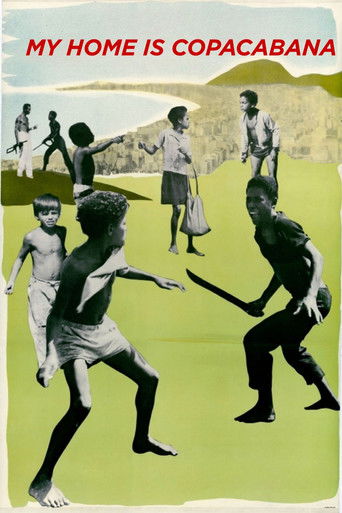
Arne Sucksdorff’s drama follows four homeless children—Jorginho, Rico, Lici, and Paulinho—struggling to survive in the Rio de Janeiro slums. They shine shoes, scavenge food, and pickpocket while dreaming of escape from the streets. When Rico, once escaped from a brutal institution in Caxambu, falls ill, he chooses to return there rather than die outside. A somber portrait of poverty and resilience, the film was selected for the 1965 Cannes Film Festival.
My Home Is Copacabana
1965
 8.0
A professional hitman returns to Brazil and is hired to eliminate an Argentine Delegate in a Rio de Janeiro convention. Inspector José da Silva realizes the plot and starts to pursuit him.
Missão: Matar!
1972
 10.0
No synopsis available yet.
Fragmentos de Dois Escritores
1969
 9.0
A long time public servant is told by an angel that he will die at midnight of the following day.
As Duas Faces da Moeda
1969
 6.0
No synopsis available yet.
Arne Sucksdorff: Uma Vida Documentando a Vida
2004
 4.4
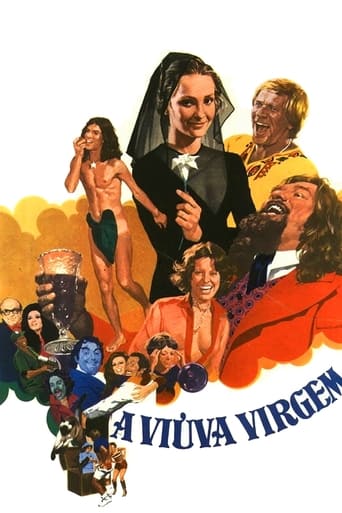
In Minas Gerais, the powerful "colonel" Alexandrão gets married with the young and virgin Cristina and promotes a huge wedding party in his farm. He eats and drinks a lot along the day, but in his "first night" with the bride, he dies before consummating his marriage. The marital status of Cristina becomes very unusual, being a virgin widow. Her doctor advises her to travel to Rio de Janeiro to rest, and she moves with her aunt to an inherited apartment in Leme. Once in Rio de Janeiro, the rascal Constantino, who is aware of her wealth, courts her and borrows money, clothes and a Mercedes Benz from his friends, pretending he is businessman man. His friends release "stocks" in a parallel stock market, based and supported in the expectation of the possible marriage of Constantino with Cristina. However, the ghost of Coronel Alexandrão appears for her whenever she intends to have sex with Constantino.
A Viúva Virgem
1972
Film credits
Behind the camera
6.8Arne Sucksdorff’s drama follows four homeless children—Jorginho, Rico, Lici, and Paulinho—struggling to survive in the Rio de Janeiro slums. They shine shoes, scavenge food, and pickpocket while dreaming of escape from the streets. When Rico, once escaped from a brutal institution in Caxambu, falls ill, he chooses to return there rather than die outside. A somber portrait of poverty and resilience, the film was selected for the 1965 Cannes Film Festival.
My Home Is Copacabana
1965
8.0A professional hitman returns to Brazil and is hired to eliminate an Argentine Delegate in a Rio de Janeiro convention. Inspector José da Silva realizes the plot and starts to pursuit him.
Missão: Matar!
1972
10.0No synopsis available yet.
Fragmentos de Dois Escritores
1969
4.4In Minas Gerais, the powerful "colonel" Alexandrão gets married with the young and virgin Cristina and promotes a huge wedding party in his farm. He eats and drinks a lot along the day, but in his "first night" with the bride, he dies before consummating his marriage. The marital status of Cristina becomes very unusual, being a virgin widow. Her doctor advises her to travel to Rio de Janeiro to rest, and she moves with her aunt to an inherited apartment in Leme. Once in Rio de Janeiro, the rascal Constantino, who is aware of her wealth, courts her and borrows money, clothes and a Mercedes Benz from his friends, pretending he is businessman man. His friends release "stocks" in a parallel stock market, based and supported in the expectation of the possible marriage of Constantino with Cristina. However, the ghost of Coronel Alexandrão appears for her whenever she intends to have sex with Constantino.
A Viúva Virgem
1972
 NR
All the magic of the theatre is revealed to viewers as they follow the challenges involved in the various stages of putting on a play – from selection and reading to rehearsals and, finally, opening night before the audience.
The Language of Theatre
1966
NRAll the magic of the theatre is revealed to viewers as they follow the challenges involved in the various stages of putting on a play – from selection and reading to rehearsals and, finally, opening night before the audience.
The Language of Theatre
1966