
Camera
William A. Fraker
Born — Died
1923-09-29 — 2010-05-31
Place of birth
Los Angeles, California, USA
Known for
Camera
Credits
9 titles
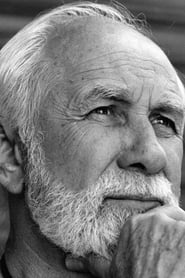
William Ashman Fraker (September 29, 1923 – May 31, 2010) was an American cinematographer, film director and producer. He was nominated five times for the Academy Award for Best Cinematography. In 2000, he received a Lifetime Achievement Award from the American Society of Cinematographers (ASC) honoring his career. As cinematographer, his films include The President's Analyst (1967), Rosemary's Baby (1968), Bullitt (1968), Paint Your Wagon (1969), The Day of the Dolphin (1973), Coonskin (1975), Looking For Mr. Goodbar (1977), Exorcist II: The Heretic (1977), Heaven Can Wait (1978), 1941 (1979), WarGames (1983), Irreconcilable Differences (1984), Murphy's Romance (1985), Tombstone (1993), a…
Known for
 6.3
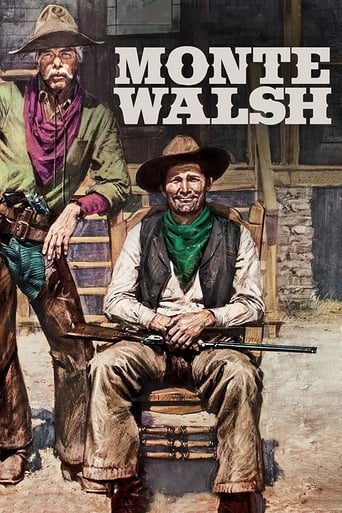
6.3Monte Walsh is an aging cowboy facing the ending days of the Wild West era. As barbed wire and railways steadily eliminate the need for the cowboy, Monte and his friends are left with fewer and fewer options. New work opportunities are available to them, but the freedom of the open prarie is what they long for. Eventually, they all must say goodbye to the lives they knew, and try to make a new start.
Monte Walsh
1970
 4.9
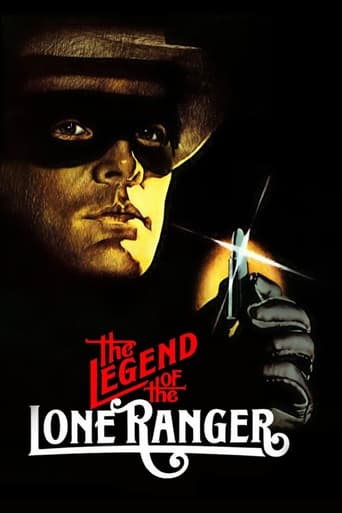
4.9When the young Texas Ranger, John Reid, is the sole survivor of an ambush arranged by the militaristic outlaw leader, Butch Cavendich, he is rescued by an old childhood Comanche friend, Tonto. When he recovers from his wounds, he dedicates his life to fighting the evil that Cavendich represents. To this end, John Reid becomes the great masked western hero, The Lone Ranger. With the help of Tonto, the pair go to rescue President Grant when Cavendich takes him hostage.
The Legend of the Lone Ranger
1981
 5.6
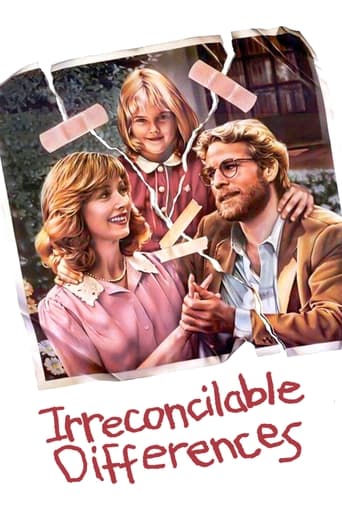
5.6Alternating between the past and the present, a precocious little girl sues her selfish, career-driven parents for emancipation, surprising them both.
Irreconcilable Differences
1984
 6.1
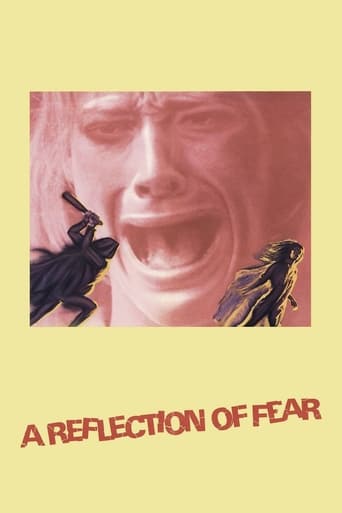
6.1A young girl lives with her mother and grandmother. One day her estranged father returns home with a female companion he introduces as his fiance. Soon the girl finds herself in the midst of strange goings-on, which evolve into a web of crime and murder.
A Reflection of Fear
1972
 7.0
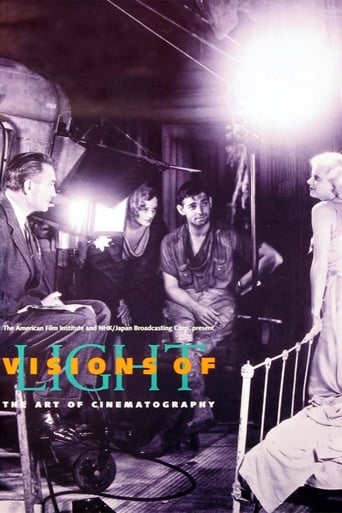
7.0Cameramen and women discuss the craft and art of cinematography and of the "DP" (the director of photography), illustrating their points with clips from 100 films, from Birth of a Nation to Do the Right Thing. Themes: the DP tells people where to look; changes in movies (the arrival of sound, color, and wide screens) required creative responses from DPs; and, these artisans constantly invent new equipment and try new things, with wonderful results. The narration takes us through the identifiable studio styles of the 30s, the emergence of noir, the New York look, and the impact of Europeans. Citizen Kane, The Conformist, and Gordon Willis get special attention.
Visions of Light
1992
 6.7
6.7A non-narrated documentary, told mainly in interviews with the filmmakers, on the making of the cult comedy classic, featuring outtakes, rare behind-the-scenes home movies, and trivia facts.
The Making of '1941'
1996
Film credits
1990s · 2 titles
7.0Cameramen and women discuss the craft and art of cinematography and of the "DP" (the director of photography), illustrating their points with clips from 100 films, from Birth of a Nation to Do the Right Thing. Themes: the DP tells people where to look; changes in movies (the arrival of sound, color, and wide screens) required creative responses from DPs; and, these artisans constantly invent new equipment and try new things, with wonderful results. The narration takes us through the identifiable studio styles of the 30s, the emergence of noir, the New York look, and the impact of Europeans. Citizen Kane, The Conformist, and Gordon Willis get special attention.
Visions of Light
1992
6.7A non-narrated documentary, told mainly in interviews with the filmmakers, on the making of the cult comedy classic, featuring outtakes, rare behind-the-scenes home movies, and trivia facts.
The Making of '1941'
1996
Behind the camera
6.3Monte Walsh is an aging cowboy facing the ending days of the Wild West era. As barbed wire and railways steadily eliminate the need for the cowboy, Monte and his friends are left with fewer and fewer options. New work opportunities are available to them, but the freedom of the open prarie is what they long for. Eventually, they all must say goodbye to the lives they knew, and try to make a new start.
Monte Walsh
1970
4.9When the young Texas Ranger, John Reid, is the sole survivor of an ambush arranged by the militaristic outlaw leader, Butch Cavendich, he is rescued by an old childhood Comanche friend, Tonto. When he recovers from his wounds, he dedicates his life to fighting the evil that Cavendich represents. To this end, John Reid becomes the great masked western hero, The Lone Ranger. With the help of Tonto, the pair go to rescue President Grant when Cavendich takes him hostage.
The Legend of the Lone Ranger
1981
6.1A young girl lives with her mother and grandmother. One day her estranged father returns home with a female companion he introduces as his fiance. Soon the girl finds herself in the midst of strange goings-on, which evolve into a web of crime and murder.
A Reflection of Fear
1972
Stryker, an ex-cop returns to his home town of Palm Beach to get away from the violent crime. However the local Police Chief, aware of B.L's past attempts to recruit Stryker to help in the investigation of four assaults.
B.L. Stryker: The Dancer's Touch
—