
Directing
Hans Rolf Strobel
Born — Died
1929-04-23 — 1991-04-08
Place of birth
Falkenstein, Saxony, Germany
Known for
Directing
Credits
22 titles
Hans Rolf Strobel was a German film writer and director, especially for documentaries.
Known for
 NR
NRScientific documentary film exposing the cencorship laws in the BRD as an instrument used for propaganda. Its the third part of the "Bundesdeutsche Filmpolitik" Trilogie.
Zensur – Verordnet und Verinnerlicht
1970
 NR
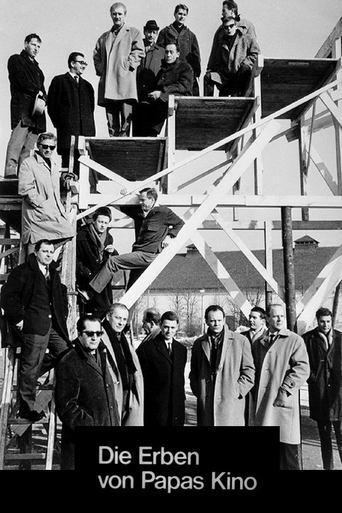
NRDocumentary by Wilhelm Roth about the state of affairs of the Young German Cinema.
Die Erben von Papas Kino
1968
 NR
NRNo synopsis available yet.
Das ABC ist subversiv
1981
Short documentary about Naples, Italy.
Neapel
1960
 7.5
7.5Problems of modern marriage. Psychological and sociological survey.
A Matrimony
1968
A documentary film about the results of land reform in Southern Italy.
Notabene Mezzogiorno
1962
Film credits
Behind the camera
NRNo synopsis available yet.
Das ABC ist subversiv
1981
NRNo synopsis available yet.
Das ABC ist subversiv
1981
Short documentary about Naples, Italy.
Neapel
1960
7.5Problems of modern marriage. Psychological and sociological survey.
A Matrimony
1968
A documentary film about the results of land reform in Southern Italy.
Notabene Mezzogiorno
1962
A documentary film about the results of land reform in Southern Italy.
Notabene Mezzogiorno
1962
 6.0
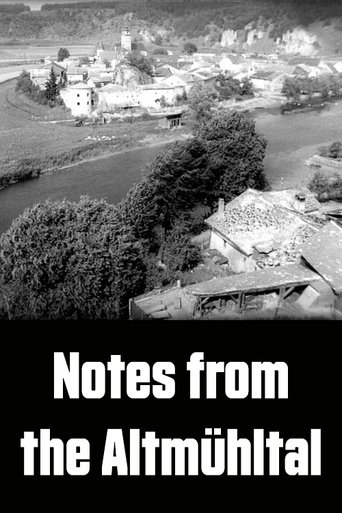
6.0Notizen aus dem Altmühltal shows the West German south as mezzogiorno of the Wirtschaftswunder republic: the simple folk, as they say, vegetate a bit dully through their days; meanwhile, the authorities do nothing to promote the economic, and hence social, development of the region, while the local honoraries look back on better times.
Notes from Altmühltal
1961
6.0Notizen aus dem Altmühltal shows the West German south as mezzogiorno of the Wirtschaftswunder republic: the simple folk, as they say, vegetate a bit dully through their days; meanwhile, the authorities do nothing to promote the economic, and hence social, development of the region, while the local honoraries look back on better times.
Notes from Altmühltal
1961
Short documentary about an excavator operator in sweden
Ivan Hellberg, Baggerführer in Kiruna
1960
No synopsis available yet.
The Pistol
1963
A short film about Rosalbas and her family.
Rosalbas Dorf
1974
Documentary film by Strobel and Tichawsky.
Die Wunder von Mailand
1966
Short film about Antonio 'Pinuccio' Morleo, an 11-year-old Italian boy living in Germany.
Antonio - Wo ist er zu Hause?
1974
Short film about Antonio 'Pinuccio' Morleo, an 11-year-old Italian boy living in Germany.
Antonio - Wo ist er zu Hause?
1974
 NR
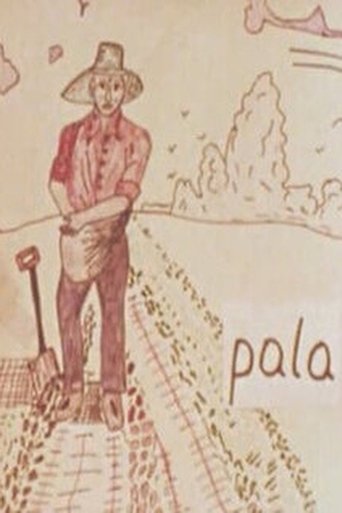
NRAdult educator Paulo Freire developed literacy programs in northeastern Brazil to combat part of the colonial legacy of illiteracy and promote social change. This film depicts adult educators putting Freire's methods to work on a Peruvian co-operative cotton farm, teaching peasants how to read and write. The promise of the literacy program is that the peasants will be able to use their newly found confidence to change the reality of their daily existence and collectively gain control of their own lives
Peru: Literacy for Social Change
1978
The everyday life of a family in Tanzania is portrayed from the point of view of the eight-year-old son Twaha.
Grüße von Twaha aus Tansania
1975
The everyday life of a family in Tanzania is portrayed from the point of view of the eight-year-old son Twaha.
Grüße von Twaha aus Tansania
1975
Rosita Hernandez, a nine-year-old Indio girl, tells about the everyday life of her family living in the the desert plain between the Andes and the Pacific Ocean, about 300 km south of Lima. Specific social and economic problems as well as ways of coping with them become visible.
Grüße von Rosita aus Peru
1976
Rosita Hernandez, a nine-year-old Indio girl, tells about the everyday life of her family living in the the desert plain between the Andes and the Pacific Ocean, about 300 km south of Lima. Specific social and economic problems as well as ways of coping with them become visible.
Grüße von Rosita aus Peru
1976
The short film answers the question of whether illiterate people are able to read.
Können Analphabeten lesen?
1978