
Acting
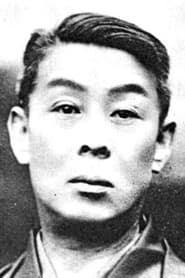
En'ichirō Jitsukawa
Born — Died
1875-07-21 — 1940-04-10
Known for
Acting
Credits
19 titles
Known for
 7.0
7.0No synopsis available yet.
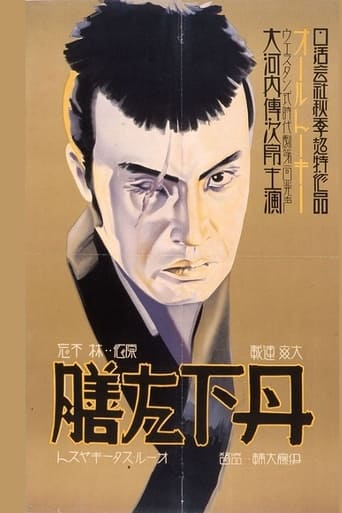
Tange Sazen - Dai-ippen
1933
 9.0
9.0Directed by Daisuke Itō.
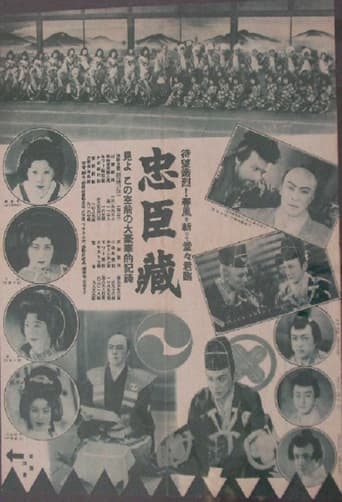
Chūshingura - Ninjō-hen; Fukushū-hen
1934
 8.0
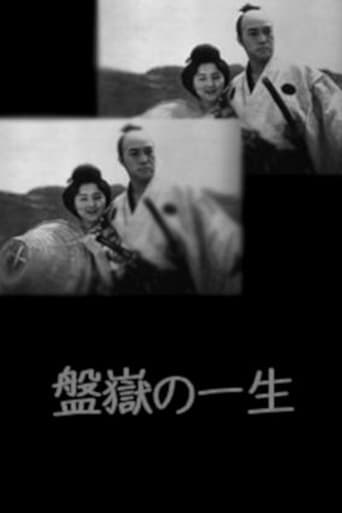
8.0Yamanaka Sadao's fourth feature film. The Life of Bangaku
Bangaku no issho
1933
 NR
NRSilent Japanese film.
Shinpan Ôoka seidan; Daisanpen: Kaikatsuhen
1928
 NR
NRNo synopsis available yet.
Mito Kōmon
1926
The sequel to the 1935 film Great Bodhisattva Pass
Great Bodhisattva Pass 2
1936
Film credits
1930s · 5 titles
7.0No synopsis available yet.
Tange Sazen - Dai-ippen
1933
9.0Directed by Daisuke Itō.
Chūshingura - Ninjō-hen; Fukushū-hen
1934
8.0Yamanaka Sadao's fourth feature film. The Life of Bangaku
Bangaku no issho
1933
The sequel to the 1935 film Great Bodhisattva Pass
Great Bodhisattva Pass 2
1936
Directed by Mansaku Itami.
Professional Killer
1932
1920s · 14 titles
NRSilent Japanese film.
Shinpan Ôoka seidan; Daisanpen: Kaikatsuhen
1928
NRNo synopsis available yet.
Mito Kōmon
1926
 6.0
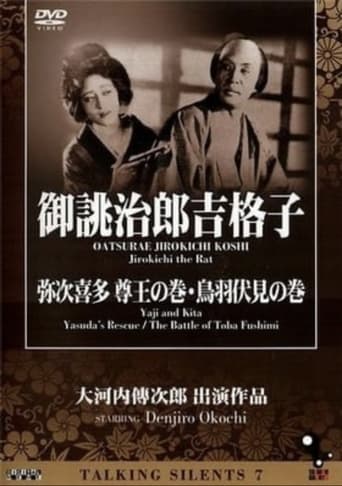
6.0Yaji and Kita: Yasuda's Rescue is a 1927 black and white Japanese silent film directed by Tomiyasu Ikeda.[1] This comedy film showcases the comic talent of Denjiro Okochi, which contrasts markedly with his heroic performance in Oatsurae Jirokichi Koshi. The humorous exchanges with Goro Kawabe, his senior at Nikkatsu, can be priceless, with the expressions and movements of the two goofy characters making for pure, hilarious slapstick comedy. A 15-minute remnant of the film was released on DVD by Digital Meme with benshi accompaniment by Midori Sawato and Ryubi Kato.
Yaji and Kita: Yasuda's Rescue
1927
 5.6
5.6Jiraiya is some sort of super-ninja with superpowers. He can fly, he can avoid detection by turning himself into a toad, and he has some sort of ability to vanish.
Jiraiya the Hero
1921
Yaji and Kita: The Battle of Toba Fushimi is a 1928 Japanese film directed by Tomiyasu Ikeda.[1] This comedy film showcases the acting talent of Denjirō Ōkōchi and acts as a complementary film to Yaji and Kita: Yasuda's Rescue, which is part of the Yaji and Kita series. An 8-minute remnant of the film was released on DVD by Digital Meme with a benshi accompaniment by Midori Sawato. The version in the National Film Center is 23 minutes long.
Yaji and Kita: The Battle of Toba Fushimi
1928
NRSilent Japanese film.
Shinpan Ôoka seidan: Dai-nihen
1928
No synopsis available yet.
Iwami Jûtarô
1924
 5.8
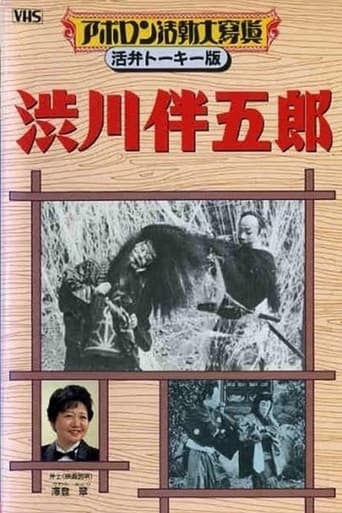
5.8A film on the life of Shibukawa Bangorō, the founder of the Shibukawa-ryū school of jūjutsu. To paraphrase Satō Tadao’s blurb on the back cover of the video, this is an important film for three reasons. 1. it is an almost perfectly well preserved copy of one of only a few full-length movies still available of the first superstar in Japanese cinema history, the very famous Onoe Matsunosuke. 2. it uses a method that was common in the silent era, the dyeing/tinting of film to mark given moments of day (for ex., blue for night-time) or given situations (for ex., red for fire) – and even though most films that used this technique have been redeveloped in straight b&w, this one is available in its original form. 3. it is an early SFX (special effects) movie that uses the basic tools of the trade - a great action movie full of swordsmanship and monsters (bakemono).
Shibukawa Bangorō
1922
 8.0
8.0Silent Japanese film.
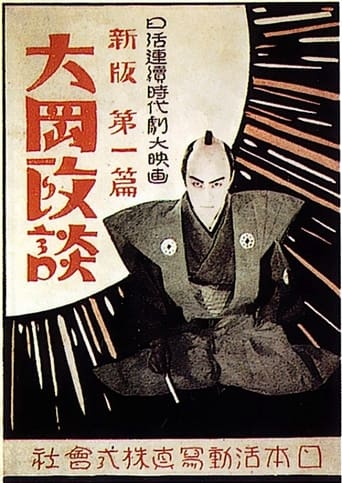
Shinpan Ôoka seidan: Dai-ippen
1928
 NR
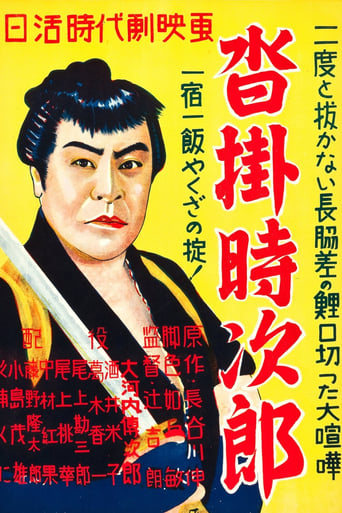
NRA traveling gambler becomes duty-bound to the wife and child of the yakuza he had slain and desires to leave the criminal life for good. However, with no other skills but his sword, he is forced to hire himself out in the midst of a gang war.
Kutsukake Tokijiro
1929
 7.0
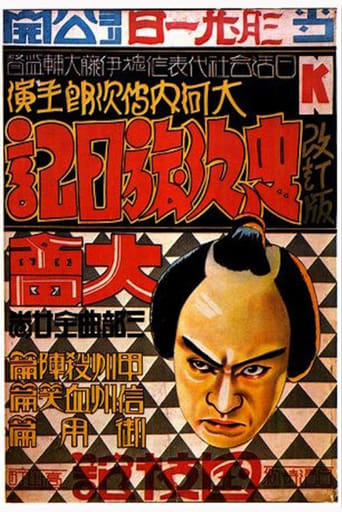
7.0A Diary of Chuji's Travels is a silent Japanese jidaigeki made in 1927 starring Denjirō Ōkōchi and directed by Daisuke Itō. It was originally released in three parts, all of which were long thought to be lost until portions of the second part and much of the third part were discovered and restored in 1991. Since the film had once been voted in a 1959 Kinema Junpō poll as the best Japanese film of all time, its discovery was significant. At the time of its release, Itō was the leader of a new style of samurai films that featured outlaw heroes and fast-cut sword fighting scenes.
Chuji's Travel Diary: Story of Bloody Shinshu
1927
A samurai comes to the aid of his uncle in a duel.
Blood Spattered at Takadanobaba
1928
Film about Ghost-Cat.
Nabeshima neko sōdō
1921
 NR
NRNo synopsis available yet.
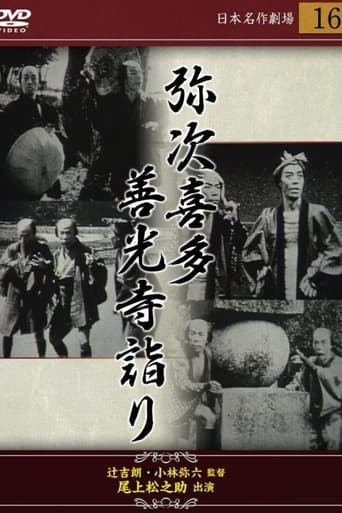
弥次喜多 前篇 善光寺詣りの巻
1921