
Directing
Tomiyasu Ikeda
Born — Died
1892-05-15 — 1968-09-24
Place of birth
Hyogo, Japan
Known for
Directing
Credits
40 titles
Japanese director and screenwriter. Directed nearly 90 films and wrote nearly 80 screenplays between 1924 and 1954 , he also appeared as an actor in about fifteen films between 1921 and 1960. In 1921 Ikeda was discovered by actor Matsunosuke Onoe and joined Nikkatsu Kyoto. After the Great Kanto Earthquake on September 1, 1923 (Taisho 12), the staff of the contemporary drama club moved from Nikkatsu's Tokyo Mukaishima studio, and in the process of moving from an actor to a director. In 1921 director Ikeda filmed his debut film "Watashîmori to Samurai" - first work in "Nikkatsu Kyoto's historical drama " in which an actress is appointed in place of the Onnagata.
Known for
 NR
NRNo synopsis available yet.
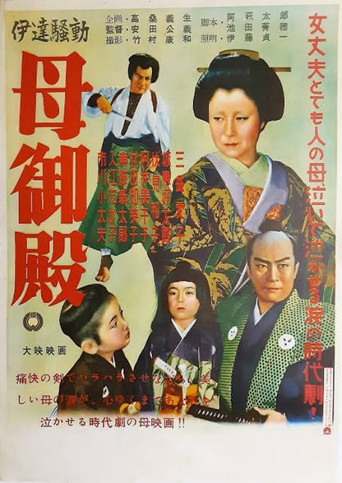
Date sōdō: Haha goten
1954
 8.2
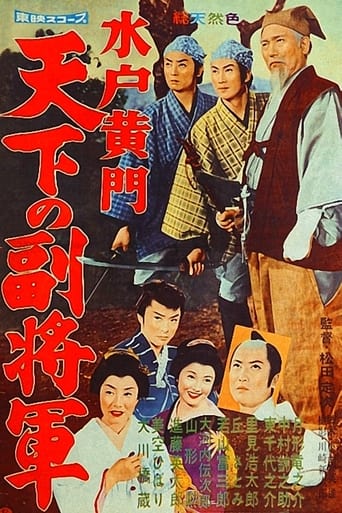
8.2After settling the matter of shogunal succession, the retired Old Lord of Mito finds himself in a sea of trouble when he gets involved in the succession of the Takamatsu clan. The usurpers try by every means to effect their takeover, even if it leads to blood being spilled. Along with Kaku and Suke, the elder must face the most dangerous time of his life, in a battle against those corrupt individuals who would use any means to further their dastardly conspiracy, regardless of how many lives might be destroyed. The great Misora Hibari gives a bravura performance, as does the rest of this all-star cast. This is another outstanding effort on the part of the Toei Films, blending fact and fiction to bright back Japan’s golden era of the Genroku period.
Lord Mito 2: The Nation's Vice Shogun
1959
 9.0
9.0No synopsis available yet.
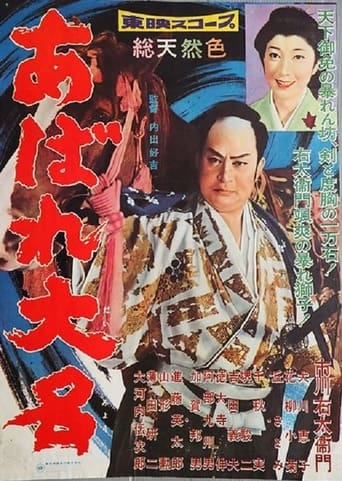
The Unleashed Lord
1959
 NR
NRA historical drama spanning three generations, centered on the Sydney Special Attack Unit. Recommended by the Ministry of Education.
Thousand Spears of Kikuchi: Sydney Special Attack Unit
1944
 6.0
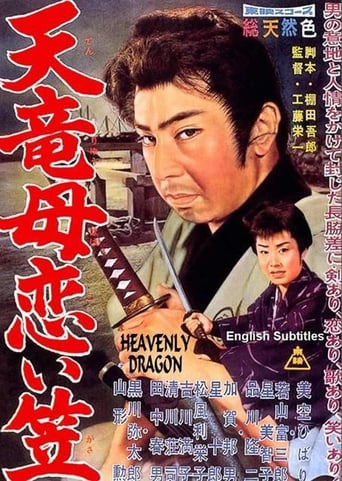
6.0From the opening theme song to the grand finale, you know that you have found something special as this exciting movie stars the great Misora Hibari in one of her most memorable performances as she plays Shintaro and Oharu, a brother and sister, the children of a lumber dealer who had been murdered by the evil boss Kumagoro who plots to take over Shintaro's family business with the help of a corrupt deputy who has fooled the family into believing that he is on their side.
Heavenly Dragon
1960
 5.0
5.0Fearless girl firefighter Oharu and skilled firefighter Shintaro battle against their evil rivals who threaten to take over Oharu’s family’s turf.
Girl with the Fire Banner
1958
Film credits
1960s · 5 titles
6.0From the opening theme song to the grand finale, you know that you have found something special as this exciting movie stars the great Misora Hibari in one of her most memorable performances as she plays Shintaro and Oharu, a brother and sister, the children of a lumber dealer who had been murdered by the evil boss Kumagoro who plots to take over Shintaro's family business with the help of a corrupt deputy who has fooled the family into believing that he is on their side.
Heavenly Dragon
1960
 NR
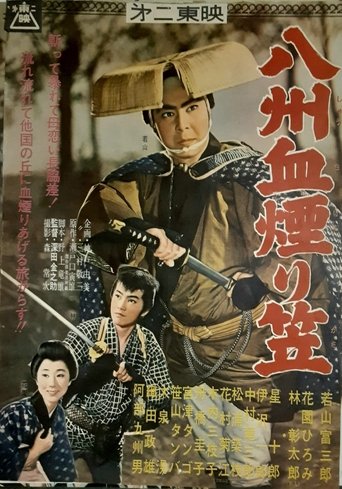
NR1961 Japanese movie
八州血煙り笠
1961
 NR
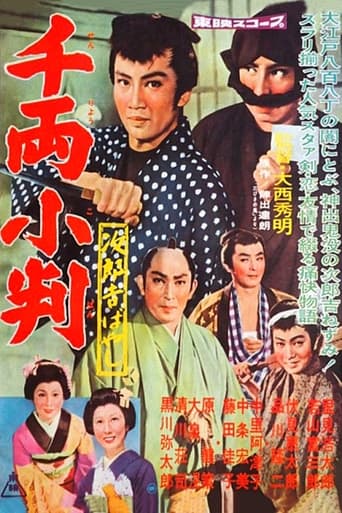
NRThe film adaptation of the novel "Three Little Rats" by Tatsuro Jinde. In this fascinating story, the rebellious Jirokichi and three men, united by a sense of justice and love, confront an evil merchant and an official who fills his pockets with gold, and eventually expose his crimes in order to avenge the death of one of his comrades.
The Adventures of Jirokichi: A thousand coins
1960
 10.0
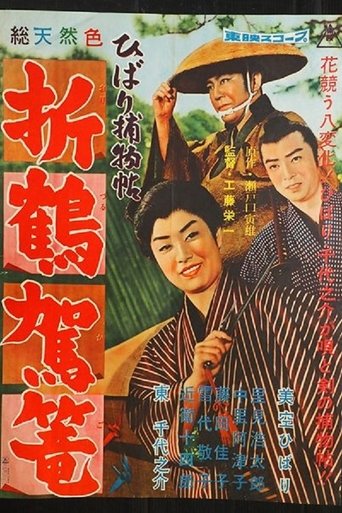
10.0The death of a samurai in a palanquin leads girl detective Oshichi to take action to crush a plot to overthrow the Shogunate.
Paper Crane Palanquin
1960
 NR
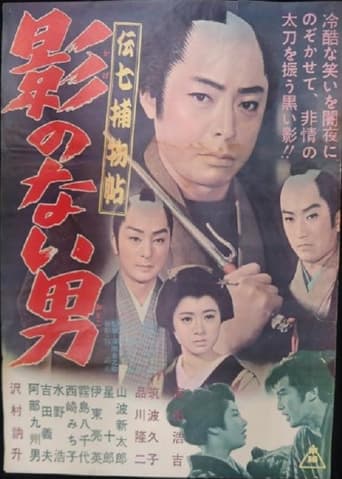
NR1962 Japanese movie.
Denshichi Torimonocho: Man without Shadow
1962
1950s · 4 titles
8.2After settling the matter of shogunal succession, the retired Old Lord of Mito finds himself in a sea of trouble when he gets involved in the succession of the Takamatsu clan. The usurpers try by every means to effect their takeover, even if it leads to blood being spilled. Along with Kaku and Suke, the elder must face the most dangerous time of his life, in a battle against those corrupt individuals who would use any means to further their dastardly conspiracy, regardless of how many lives might be destroyed. The great Misora Hibari gives a bravura performance, as does the rest of this all-star cast. This is another outstanding effort on the part of the Toei Films, blending fact and fiction to bright back Japan’s golden era of the Genroku period.
Lord Mito 2: The Nation's Vice Shogun
1959
9.0No synopsis available yet.
The Unleashed Lord
1959
5.0Fearless girl firefighter Oharu and skilled firefighter Shintaro battle against their evil rivals who threaten to take over Oharu’s family’s turf.
Girl with the Fire Banner
1958
 7.7
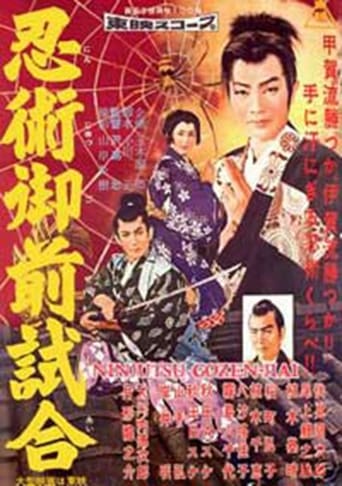
7.7During the Age Of Wars (Sengoku Era), Tokugawa Ieyasu and Toyotomi Hideyoshi are vying for power and each uses their secret weapons in order to try and defeat the other. Momochi Sandayu of the Iga, along with his disciple Ishikawa Goemon are ordered by Ieyasu to assassinate Hideyoshi and get the blueprints for the hidden fortress within Osaka Castle. Meanwhile the Koga group organizes to try and defend the castle for the peace of the nation. Beating off every trick from Sandayu, Torawakamaru protects the drawing, and when Ieyasu figures out a way to hold a match between Koga and Iga the two masters fight the greatest ninja battle ever held. The effects are truly spectacular in this classic ninja film from Toei.
Torawakamaru, the Koga Ninja
1957
Behind the camera
NRNo synopsis available yet.
Date sōdō: Haha goten
1954
NRA historical drama spanning three generations, centered on the Sydney Special Attack Unit. Recommended by the Ministry of Education.
Thousand Spears of Kikuchi: Sydney Special Attack Unit
1944
 7.0
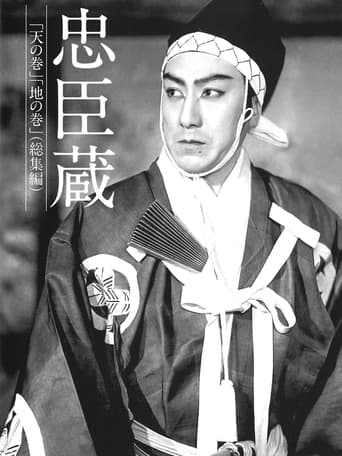
7.0The vassals of the Asano clan, who surrendered the castle & became wanderers, deceive the enemy and the public, wait for an opportunity to avenge their master and his family.
Chushingura
1938
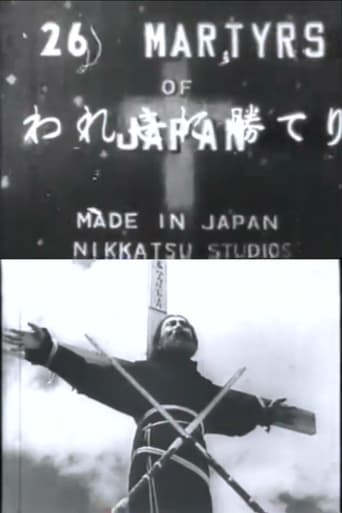 7.0
7.0Jesuit priests in Japan during the 17th century are persecuted by the shogunate to for trying to spread Christianity.
The 26 Martyrs of Japan
1931
7.0Jesuit priests in Japan during the 17th century are persecuted by the shogunate to for trying to spread Christianity.
The 26 Martyrs of Japan
1931
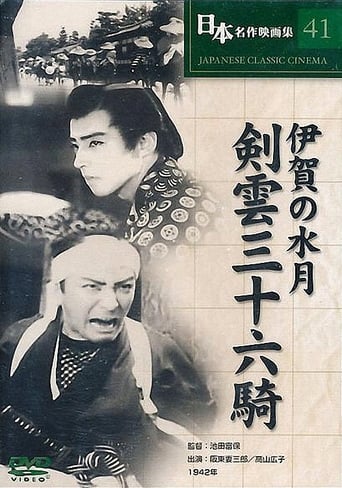 NR
NRFamed swordsman Araki Mataemon must face his best friend as they are forced to take opposite sides in a vendetta caused by the murder of a family member.
Vengeance at Iga
1942
 NR
NRPrewar jidaigeki starring Denjiro Okochi
Kuriyama Daizen
1936
NRPrewar jidaigeki starring Denjiro Okochi
Kuriyama Daizen
1936
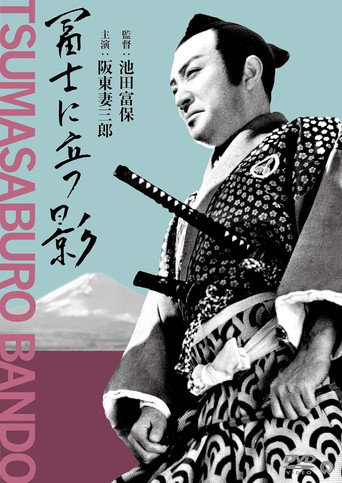 NR
NRNo synopsis available yet.
Shadow Over Fuji
1942
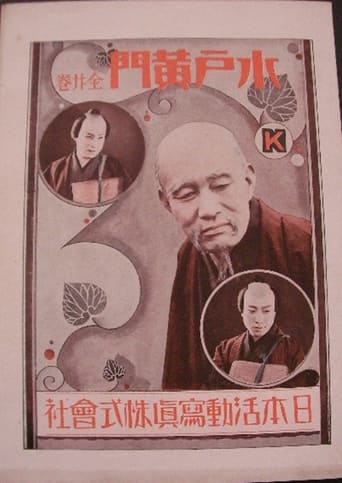 NR
NRNo synopsis available yet.
Mito Kōmon
1926
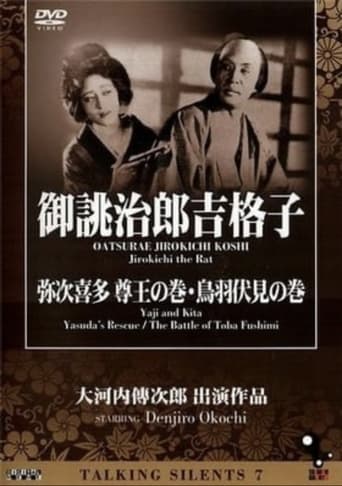
Yaji and Kita: The Battle of Toba Fushimi is a 1928 Japanese film directed by Tomiyasu Ikeda.[1] This comedy film showcases the acting talent of Denjirō Ōkōchi and acts as a complementary film to Yaji and Kita: Yasuda's Rescue, which is part of the Yaji and Kita series. An 8-minute remnant of the film was released on DVD by Digital Meme with a benshi accompaniment by Midori Sawato. The version in the National Film Center is 23 minutes long.
Yaji and Kita: The Battle of Toba Fushimi
1928
Yaji and Kita: The Battle of Toba Fushimi is a 1928 Japanese film directed by Tomiyasu Ikeda.[1] This comedy film showcases the acting talent of Denjirō Ōkōchi and acts as a complementary film to Yaji and Kita: Yasuda's Rescue, which is part of the Yaji and Kita series. An 8-minute remnant of the film was released on DVD by Digital Meme with a benshi accompaniment by Midori Sawato. The version in the National Film Center is 23 minutes long.
Yaji and Kita: The Battle of Toba Fushimi
1928
 6.0
6.0Yaji and Kita: Yasuda's Rescue is a 1927 black and white Japanese silent film directed by Tomiyasu Ikeda.[1] This comedy film showcases the comic talent of Denjiro Okochi, which contrasts markedly with his heroic performance in Oatsurae Jirokichi Koshi. The humorous exchanges with Goro Kawabe, his senior at Nikkatsu, can be priceless, with the expressions and movements of the two goofy characters making for pure, hilarious slapstick comedy. A 15-minute remnant of the film was released on DVD by Digital Meme with benshi accompaniment by Midori Sawato and Ryubi Kato.
Yaji and Kita: Yasuda's Rescue
1927
6.0Yaji and Kita: Yasuda's Rescue is a 1927 black and white Japanese silent film directed by Tomiyasu Ikeda.[1] This comedy film showcases the comic talent of Denjiro Okochi, which contrasts markedly with his heroic performance in Oatsurae Jirokichi Koshi. The humorous exchanges with Goro Kawabe, his senior at Nikkatsu, can be priceless, with the expressions and movements of the two goofy characters making for pure, hilarious slapstick comedy. A 15-minute remnant of the film was released on DVD by Digital Meme with benshi accompaniment by Midori Sawato and Ryubi Kato.
Yaji and Kita: Yasuda's Rescue
1927
No synopsis available yet.
Iwami Jûtarô
1924
No synopsis available yet.
Iwami Jûtarô
1924
 NR
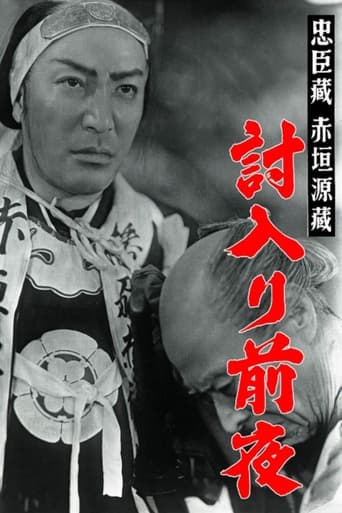
NRForty-seven Ronin of the Ako clan are waiting for the right moment to avenge the insult and death of their master. The film tells the story of one of them named Akagaki Genzo.
Akagaki Genzo
1938
NRForty-seven Ronin of the Ako clan are waiting for the right moment to avenge the insult and death of their master. The film tells the story of one of them named Akagaki Genzo.
Akagaki Genzo
1938
For nearly 300 years, Japan had been hermetically sealed to the outside world. When, in that pivotal year of 1854, the American Admiral Perry took the direct approach that the Dutch had been unwilling to take, the ruling Shogun knew that the dynasty was over. As the shogun began to open up to the outside world, the Sonno Joi movement called for this to be reversed...
Sonno Joi
1927
For nearly 300 years, Japan had been hermetically sealed to the outside world. When, in that pivotal year of 1854, the American Admiral Perry took the direct approach that the Dutch had been unwilling to take, the ruling Shogun knew that the dynasty was over. As the shogun began to open up to the outside world, the Sonno Joi movement called for this to be reversed...
Sonno Joi
1927
 NR
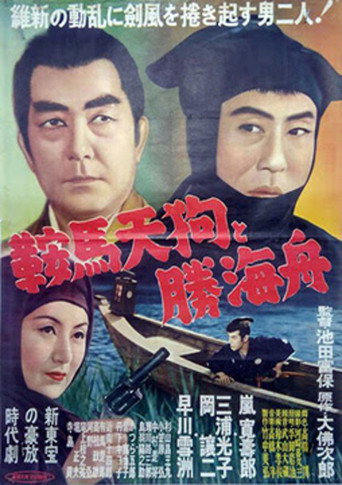
NRNo synopsis available yet.
Kurama Tengu and Katsu Kaishū
1953
The legendary tale of the forty-seven samurai and their mission to avenge the death of their master.
Zōho kaitei Chūshingura
1927
The legendary tale of the forty-seven samurai and their mission to avenge the death of their master.
Zōho kaitei Chūshingura
1927
 NR
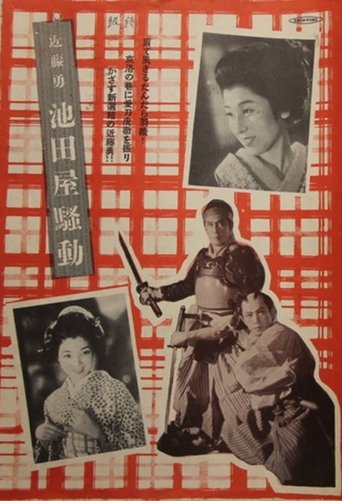
NRKyoto in the third year of Bunkyu. --Serizawa Kamo, the head of the Shinsengumi, and the group around him spend their days and nights having fun in Gion and Shimabara, squandering precious military funds, and even robbing townspeople of money and valuables under the pretense of military funds. As a result, the citizens' voices of resentment towards the Shinsengumi grow louder. Kondo Isami, the deputy head, is concerned about this, but he wishes for peace within the group and suppresses the cries of spirited Okita Soji and others who call for them to be killed.
近藤勇 池田屋騒動
1953
 5.0
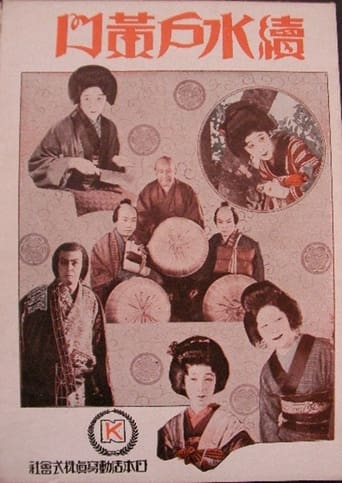
5.0The earliest existing version (incomplete) of Mito Komon history. It was one of the most famous (and most filmed) Jidaigeki stories. Lord Mito is the sage who wanders the countryside rectifying government corruption along with his faithful attendants Suke-san and Kaku-san.
Zoku Mito Kōmon
1928
5.0The earliest existing version (incomplete) of Mito Komon history. It was one of the most famous (and most filmed) Jidaigeki stories. Lord Mito is the sage who wanders the countryside rectifying government corruption along with his faithful attendants Suke-san and Kaku-san.
Zoku Mito Kōmon
1928
 9.0
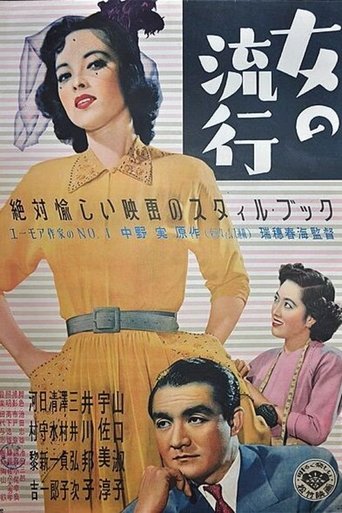
9.0No synopsis available yet.
Onna no ryūkō
1950
Directed by Tomiyasu Ikeda.
Jiraika-gumi: Dai-nihen
1927
The 1000th film for actor Matsunosuke Onoe, made for Nikkatsu Studios.
Araki Mataemon
1925
The 1000th film for actor Matsunosuke Onoe, made for Nikkatsu Studios.
Araki Mataemon
1925