

Directing
Judit Elek
Born — Died
1937-11-10 — 2025-10-01
Place of birth
Budapest, Hungary
Known for
Directing
Credits
28 titles
Judit Elek (10 November 1937 - 1 October 2025) was a Hungarian film director and screenwriter. She has directed 16 films between 1962 and 2006. Her film Mária-nap was screened in the Un Certain Regard section at the 1984 Cannes Film Festival. She graduated in 1961 from the Academy of Drama and Film in Budapest (now the University of Theatre and Film Arts Budapest), and joined Mafilm as an assistant director. She is one of the founders of the Béla Balász Studio for young filmmakers. Between 1962 and 2011, she made multiple short films, documentaries and features. The renowned film Mária-nap (1984) screened in the Un Certain Regard section at the 1984 Cannes Film Festival. She was also one of…
Known for
 NR
NRTiszta lap is a 2002 hungarian movie.
Tiszta lap
—
 7.0
7.0A look at the present use of several Hungarian castles whose former owners in some cases are still around, but kept out of sight for being relics of a society the new rulers finished off.
Castle Dwellers
1966
 10.0
10.0For this austere, clear and sharp telefeature, Judit Elek focused on the last months of Martinovics’ life: his interrogation by the Austrians, the examining Magistrate Schilling in particular, shown as a battle of wits as well as delusions on both sides. Elek had wanted to make this film in the early 1970s, but wasn’t allowed to. When she finally got the chance, the reactions were predictable, as the parallels with recent Hungarian history were simply too obvious for officialdom not to feel anxious. History may not repeat itself, but the variations look eerily similar.
The Trial of Martinovics and the Hungarian Jacobins
1980
 4.2
4.2In 1866, the Szendrey family gathers for the name-day of Júlia’s sister, Mária, but the event dissolves into bitter grievances and the physical decline of the household. As the dying widow of the poet Sándor Petőfi, Júlia struggles with a failed second marriage while Mária grapples with jealousy over her own husband’s love for Júlia. The family’s fragile unity finally shatters under the suffocating weight of Sándor’s heroic legacy and the pervasive shadow of illnesses.
Maria's Day
1984
 8.0
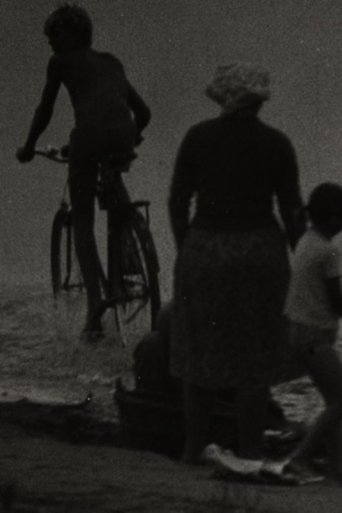
8.0This two-part film examines the plight of the working class. In part one, an elderly factory laborer goes to work in his last days before he is forced to retire. He leaves the factory life he has always known and goes home to his wife. In the second part, a young farm boy goes off to an industrial trade school to prepare for the very work the old man left behind. The old man loses his freedom by forced retirement while the young man loses his freedom by becoming a worker faced with a lifetime of factory work.
How Long Does Man Live?
1967
After her husband's death, Hanna Szendroy, the former primadonna, is caught in the claws of the real estate mafia. She looses her lavish home and ends up homeless at the Keleti train station. When she returns to her house, now full of homeless people moved in by the real estate mafia, an unexpected relationship brings hope into her life again.
The Eighth Day of the Week
2006
Film credits
Behind the camera
7.0A look at the present use of several Hungarian castles whose former owners in some cases are still around, but kept out of sight for being relics of a society the new rulers finished off.
Castle Dwellers
1966
7.0A look at the present use of several Hungarian castles whose former owners in some cases are still around, but kept out of sight for being relics of a society the new rulers finished off.
Castle Dwellers
1966
10.0For this austere, clear and sharp telefeature, Judit Elek focused on the last months of Martinovics’ life: his interrogation by the Austrians, the examining Magistrate Schilling in particular, shown as a battle of wits as well as delusions on both sides. Elek had wanted to make this film in the early 1970s, but wasn’t allowed to. When she finally got the chance, the reactions were predictable, as the parallels with recent Hungarian history were simply too obvious for officialdom not to feel anxious. History may not repeat itself, but the variations look eerily similar.
The Trial of Martinovics and the Hungarian Jacobins
1980
4.2In 1866, the Szendrey family gathers for the name-day of Júlia’s sister, Mária, but the event dissolves into bitter grievances and the physical decline of the household. As the dying widow of the poet Sándor Petőfi, Júlia struggles with a failed second marriage while Mária grapples with jealousy over her own husband’s love for Júlia. The family’s fragile unity finally shatters under the suffocating weight of Sándor’s heroic legacy and the pervasive shadow of illnesses.
Maria's Day
1984
8.0This two-part film examines the plight of the working class. In part one, an elderly factory laborer goes to work in his last days before he is forced to retire. He leaves the factory life he has always known and goes home to his wife. In the second part, a young farm boy goes off to an industrial trade school to prepare for the very work the old man left behind. The old man loses his freedom by forced retirement while the young man loses his freedom by becoming a worker faced with a lifetime of factory work.
How Long Does Man Live?
1967
After her husband's death, Hanna Szendroy, the former primadonna, is caught in the claws of the real estate mafia. She looses her lavish home and ends up homeless at the Keleti train station. When she returns to her house, now full of homeless people moved in by the real estate mafia, an unexpected relationship brings hope into her life again.
The Eighth Day of the Week
2006
After her husband's death, Hanna Szendroy, the former primadonna, is caught in the claws of the real estate mafia. She looses her lavish home and ends up homeless at the Keleti train station. When she returns to her house, now full of homeless people moved in by the real estate mafia, an unexpected relationship brings hope into her life again.
The Eighth Day of the Week
2006
After her husband's death, Hanna Szendroy, the former primadonna, is caught in the claws of the real estate mafia. She looses her lavish home and ends up homeless at the Keleti train station. When she returns to her house, now full of homeless people moved in by the real estate mafia, an unexpected relationship brings hope into her life again.
The Eighth Day of the Week
2006
 6.3
6.3An orphan girl suffers abuse from her adoptive parents.
Nobody's Daughter
1976
 6.5
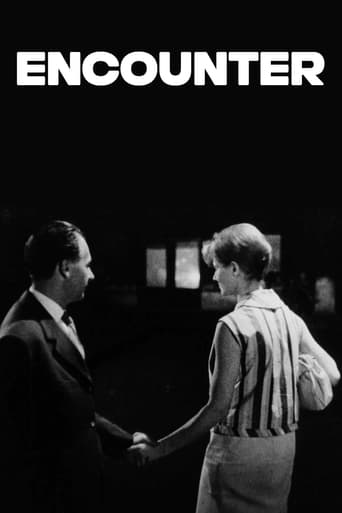
6.5A man, a woman, an afternoon, a city, and an unspoken, hopeful desire to find love by way of the personal ads. A milestone of Hungarian cinema, Elek uses documentary techniques in a fiction context to make the frailty of everyday life as palpable as possible.
Encounter
1963
6.5A man, a woman, an afternoon, a city, and an unspoken, hopeful desire to find love by way of the personal ads. A milestone of Hungarian cinema, Elek uses documentary techniques in a fiction context to make the frailty of everyday life as palpable as possible.
Encounter
1963
 10.0
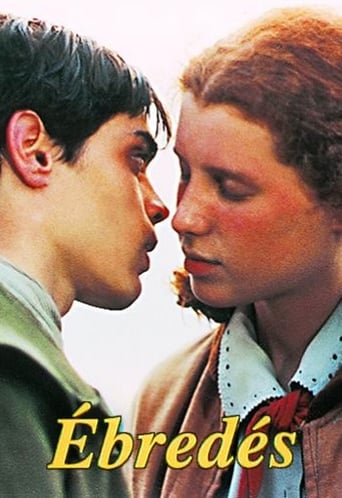
10.01952, Budapest. Kati is thirteen years old when her mother dies. Her father works as a founder at the Miskolc foundry, deprived of his former position of director-engineer. Kati is left alone in their flat, transformed into a place crowded with tenants. That is, not quite: in her imagination her mother is alive again, for she still needs her.
Awakening
1995
10.01952, Budapest. Kati is thirteen years old when her mother dies. Her father works as a founder at the Miskolc foundry, deprived of his former position of director-engineer. Kati is left alone in their flat, transformed into a place crowded with tenants. That is, not quite: in her imagination her mother is alive again, for she still needs her.
Awakening
1995
 9.0
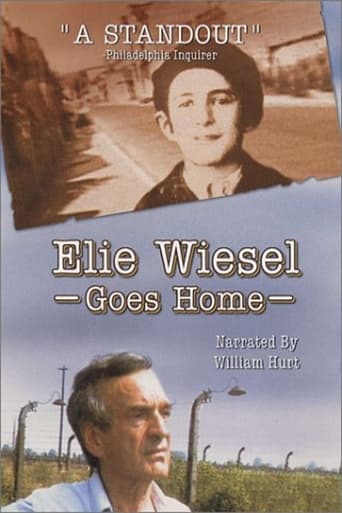
9.0A documentary chronicling the adolescent years of Elie Wiesel and the history of his sufferings. Eliezer was fifteen when Fascism brutally altered his life forever. Fifty years later, he returns to Sighetu Marmatiei, the town where he was born, to walk the painful road of remembrance - but is it possible to speak of the unspeakable? Or does Auschwitz lie beyond the capacity of any human language - the place where words and stories run out?
Elie Wiesel Goes Home
1997
9.0A documentary chronicling the adolescent years of Elie Wiesel and the history of his sufferings. Eliezer was fifteen when Fascism brutally altered his life forever. Fifty years later, he returns to Sighetu Marmatiei, the town where he was born, to walk the painful road of remembrance - but is it possible to speak of the unspeakable? Or does Auschwitz lie beyond the capacity of any human language - the place where words and stories run out?
Elie Wiesel Goes Home
1997
 4.0
4.0A couple in love, but sadly married to other partners. What is to be done? A diagnosis of a comfortable but profoundly incapable society, a Hungary suffering from an endemic private life disorder, observable both among the urban middle and the rural lower classes. A descent into a relationship’s demise, more from the tired inertia of a country that has lost all direction and sense of purpose than any ill will.
Maybe Tomorrow
1980
 6.7
6.7In the 19th century Austro-Hungarian Empire, David Hersko, a Jewish shepherd, witnesses the attack of a young girl. His home is burned down and he finds shelter with the family of a Jewish logger. The loggers find the body of a young woman which they bury, going against local laws. They are charged with her murder and it is believed that they killed her as a ritual murder.
Memories of a River
1990
6.7In the 19th century Austro-Hungarian Empire, David Hersko, a Jewish shepherd, witnesses the attack of a young girl. His home is burned down and he finds shelter with the family of a Jewish logger. The loggers find the body of a young woman which they bury, going against local laws. They are charged with her murder and it is believed that they killed her as a ritual murder.
Memories of a River
1990
 NR
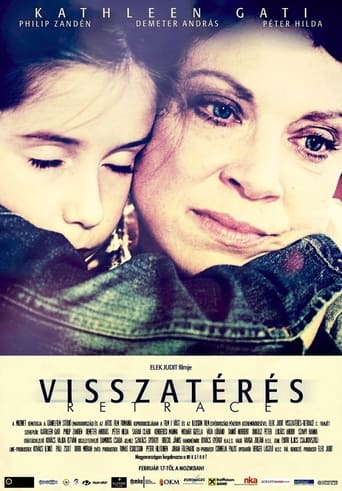
NRKatherine, who survived the Holocaust at age seven, visits her fatherland of Transylvania, Romania for the first time departing from Sweden with her family. Not only do both happy and frightful memories of her forgotten past come to life, but she must also face the depressing reality of Ceausescu's communist dictatorship and the romance developing between her husband and her sister. Parallel to her story and simultaneously, we get to know her childhood love and friend Sandor, who serves the dictator as a forester and whose story has a tragic ending. The film ends with the surprising and odd encounter of the two stories.
Retrace
2011
 NR
NRErno Fisch, the film's protagonist, was born in 1903 in Sighet, the same small town as his world-famous compatriot, Elie Wiesel. Erno Fisch was the only Jew in his town that survived the Holocaust. He escaped deportation by hiding in the forest for six months. From his memories, we find out about everyday life in the area, which later became a part of Romania. Erno Fisch lived in an era when being Jewish did not mean being different, and when he could go to a Catholic school, just because it was closer. His life-story exemplifies the fact that resignation is not the only answer to the challenges of life and history.
A Free Man – The Life of Ernő Fisch
1996
 9.0
9.0The second part of Judit Eleks long-term documentary about two girls and their lives in a small Hungarian village. What has become of their dreams and hopes?
A Commonplace Story
1976
 6.3
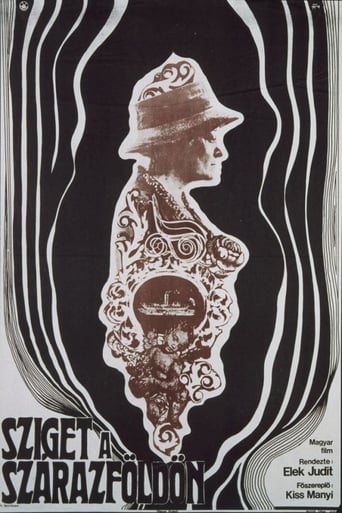
6.3Persuaded by the janitor's wife, a lively, but lonesome old woman, who is only attached to the world through her cherished objects and memories, decides to exchange her two-room apartment for a smaller one. For a little while her everyday life is changed. She meets and entertains new people every day.
The Lady from Constantinople
1969
 8.0
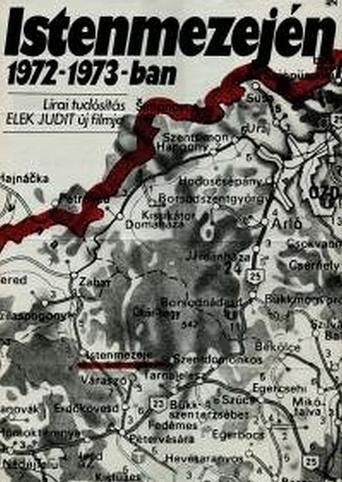
8.0The first part of Judit Eleks long-term documentary portraits the lives of two girls in a small Hungarian village: Marika and Ilonka. As they grow up, they have to decide between working and learning or marrying at the age of 15 and living up to their parents' expectations.
On the Field of God in 1972-73
1974
 NR
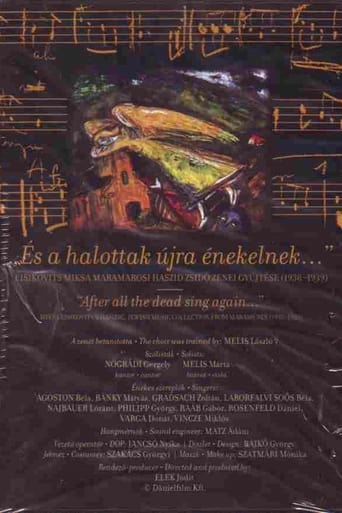
NRThe film sums up the results of a massive endeavour in historical restoration and reconstruction, then recording Elek became engaged with: that of the Chasidic songs Hungarian/Romanian composer Max/Miksa/Mihai Eisikovits wrote down in 1938-39 – purely phonetically, without knowing either Yiddish or Hebrew or Aramaic.
After All the Dead Sing Again...
2018
 10.0
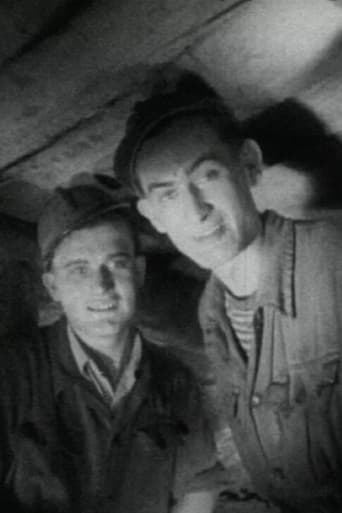
10.0A television documentary about miners: the reality of their work versus how it is made to look and sound in the public sphere.
We Will Meet in 1972 – In Dark and in Light
1970
 NR
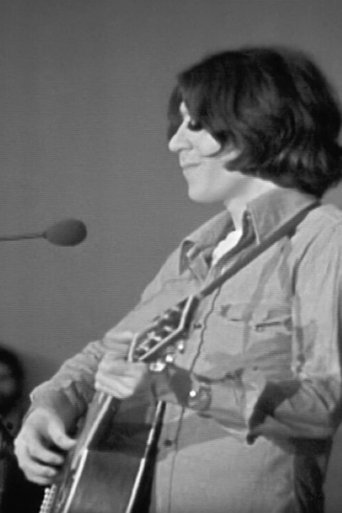
NRIn March 1974, Hungarian television recorded a concert by Tamás Cseh and Ad Libitum as a live concert for two days (16-17) in the largest lecture hall of the Budapest University of Technology in front of a crowded student audience. The recording was made in black and white on magnetic tape by a car that drove up to the building.
Tamás Cseh: The First Photo
1974