
Directing
Julius Matula
Born — Died
1943-10-28 — 2016-05-14
Known for
Directing
Credits
28 titles
Known for
 9.0
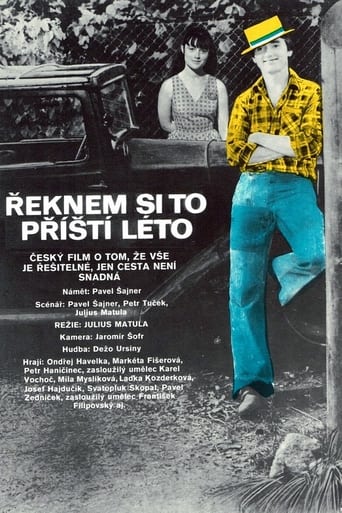
9.0Karel, a young man with an unknown past, but with a defined set of values and an ideal moral code, arrives in the village in the middle of the harvest. For the ordinary, down-to-earth villagers, Karel's lifestyle is hard to understand and they simply do not accept him into their midst. The summer ends and he leaves with his message again somewhere else. Perhaps he will return here next year to try to repeat his strange mission...
Řeknem si to příští léto
1978
The story of a young man who found the meaning of love and a place in life at the cost of a loss.
Kariéra
1985
 4.5
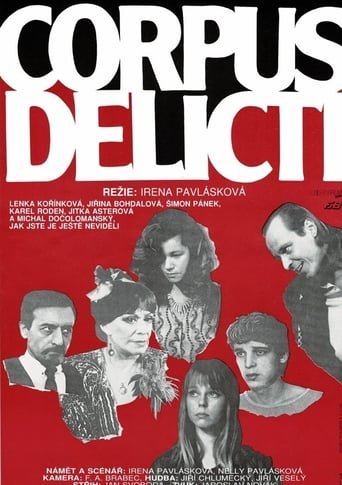
4.5The subject of this film, which takes an analytical look at the life of all of us with an analytical eye, is the evil microbe that has slowly infiltrated the organism of the Czech nation. Through the intertwining fates of three couples, it evokes domestic life before November 1989, burdened by a suffocating atmosphere of unfreedom, and after November, when relatively nothing has changed because people have not changed. The bleak conclusion suggests that the plague epidemic is still ongoing.
Corpus delicti
1991
 4.3
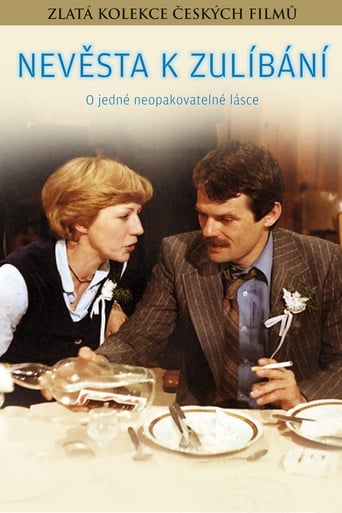
4.3A love story of a couple of mature people of completely different characters, who lived and worked side by side for years only as colleagues, but whose accidental trip to Slovakia to attend the wedding of Hedin's sister brought them closer, probably for the rest of their lives...
Nevěsta k zulíbání
1981
 7.0
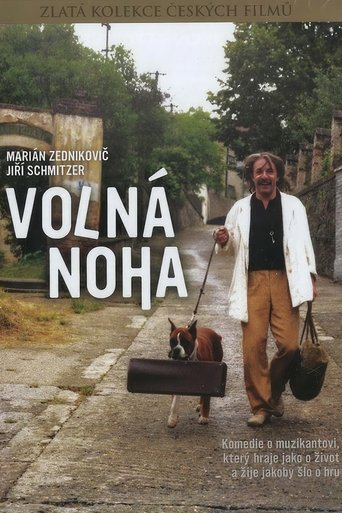
7.0Jazz musician and trumpeter Beno is originally Slovak, but has been living in Prague for a long time. As a true bohemian, he does not recognize any limitations in his personal or artistic life. He is devoted to jazz with body and soul and despises any form of pop music. That is why he rejects the lucrative offers of his girlfriend, the successful singer Gábina. He also successfully faces the pressure of his much younger girlfriend-to-be and her defiant mother. Beno often has to pay for his tricks, but he accepts this with open eyes. Beno is ably supported by his friend, saxophonist Emil, known as Rampouch.
Freelancing
1990
 4.2
4.2A short story film depicting the three different faces of crime. In the short story "The Weekend", Karas kills a woman he raped some time ago in order to silence her. However, he accidentally kills another woman. In "Hostages", a drug addict, Chaban, terrorizes the hospital's operating team, but the disciplined doctors handle the difficult situation. In "The Pickpocket", the thief Benda wants to return to his trade immediately after his release, but his attempt ends tragically.
The Motive for Murder
1975
Film credits
1990s · 2 titles
4.5The subject of this film, which takes an analytical look at the life of all of us with an analytical eye, is the evil microbe that has slowly infiltrated the organism of the Czech nation. Through the intertwining fates of three couples, it evokes domestic life before November 1989, burdened by a suffocating atmosphere of unfreedom, and after November, when relatively nothing has changed because people have not changed. The bleak conclusion suggests that the plague epidemic is still ongoing.
Corpus delicti
1991
7.0Jazz musician and trumpeter Beno is originally Slovak, but has been living in Prague for a long time. As a true bohemian, he does not recognize any limitations in his personal or artistic life. He is devoted to jazz with body and soul and despises any form of pop music. That is why he rejects the lucrative offers of his girlfriend, the successful singer Gábina. He also successfully faces the pressure of his much younger girlfriend-to-be and her defiant mother. Beno often has to pay for his tricks, but he accepts this with open eyes. Beno is ably supported by his friend, saxophonist Emil, known as Rampouch.
Freelancing
1990
1980s · 2 titles
 5.2
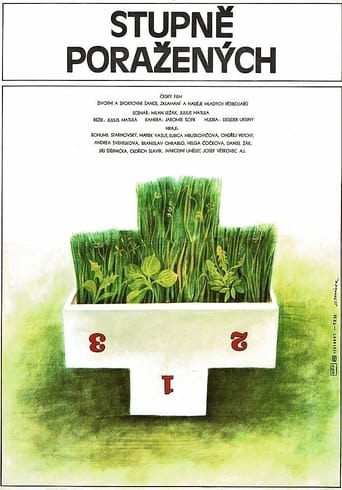
5.2The top sport was also closely monitored in the communist era, and officials were naturally bothered that the pentathlon team failed to win the World Championships. But the measures that should have ensured redress were caught up in a web of behind-the-scenes machinations that backfired on the athletes themselves, their endurance and their family backgrounds. While the film has critical ambitions and wants to reveal much of what should have remained hidden from the public eye, it is a rather clumsy and schematic view, not very convincing in terms of realisation.
Stupně poražených
1988
 9.0
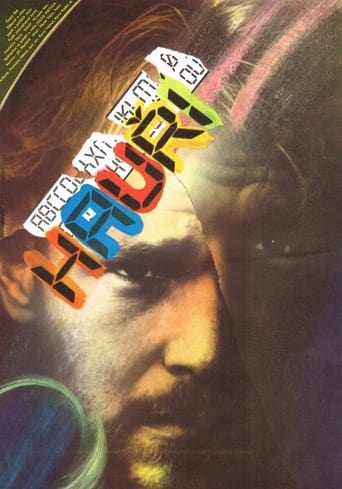
9.0Building themes, however modified, permeated the nationalised cinema throughout its existence. This time, director Július Matula has focused on a young engineer who, with high hopes, accepts a position in a famous agricultural cooperative. However, he soon discovers that behind the proclaimed phrases there is in fact hypocrisy and protectionism. The authors criticise the fact that incompetence is often covered up, that shortcomings end up being cleverly camouflaged, that the social mood favours the mediocre and the adaptable. The hauers present a statement that is courageous, so to speak, within the limits of the law, and call for increased work consciousness.
Hauři
1988
Behind the camera
9.0Karel, a young man with an unknown past, but with a defined set of values and an ideal moral code, arrives in the village in the middle of the harvest. For the ordinary, down-to-earth villagers, Karel's lifestyle is hard to understand and they simply do not accept him into their midst. The summer ends and he leaves with his message again somewhere else. Perhaps he will return here next year to try to repeat his strange mission...
Řeknem si to příští léto
1978
9.0Karel, a young man with an unknown past, but with a defined set of values and an ideal moral code, arrives in the village in the middle of the harvest. For the ordinary, down-to-earth villagers, Karel's lifestyle is hard to understand and they simply do not accept him into their midst. The summer ends and he leaves with his message again somewhere else. Perhaps he will return here next year to try to repeat his strange mission...
Řeknem si to příští léto
1978
The story of a young man who found the meaning of love and a place in life at the cost of a loss.
Kariéra
1985
4.3A love story of a couple of mature people of completely different characters, who lived and worked side by side for years only as colleagues, but whose accidental trip to Slovakia to attend the wedding of Hedin's sister brought them closer, probably for the rest of their lives...
Nevěsta k zulíbání
1981
4.3A love story of a couple of mature people of completely different characters, who lived and worked side by side for years only as colleagues, but whose accidental trip to Slovakia to attend the wedding of Hedin's sister brought them closer, probably for the rest of their lives...
Nevěsta k zulíbání
1981
7.0Jazz musician and trumpeter Beno is originally Slovak, but has been living in Prague for a long time. As a true bohemian, he does not recognize any limitations in his personal or artistic life. He is devoted to jazz with body and soul and despises any form of pop music. That is why he rejects the lucrative offers of his girlfriend, the successful singer Gábina. He also successfully faces the pressure of his much younger girlfriend-to-be and her defiant mother. Beno often has to pay for his tricks, but he accepts this with open eyes. Beno is ably supported by his friend, saxophonist Emil, known as Rampouch.
Freelancing
1990
7.0Jazz musician and trumpeter Beno is originally Slovak, but has been living in Prague for a long time. As a true bohemian, he does not recognize any limitations in his personal or artistic life. He is devoted to jazz with body and soul and despises any form of pop music. That is why he rejects the lucrative offers of his girlfriend, the successful singer Gábina. He also successfully faces the pressure of his much younger girlfriend-to-be and her defiant mother. Beno often has to pay for his tricks, but he accepts this with open eyes. Beno is ably supported by his friend, saxophonist Emil, known as Rampouch.
Freelancing
1990
4.2A short story film depicting the three different faces of crime. In the short story "The Weekend", Karas kills a woman he raped some time ago in order to silence her. However, he accidentally kills another woman. In "Hostages", a drug addict, Chaban, terrorizes the hospital's operating team, but the disciplined doctors handle the difficult situation. In "The Pickpocket", the thief Benda wants to return to his trade immediately after his release, but his attempt ends tragically.
The Motive for Murder
1975
 NR
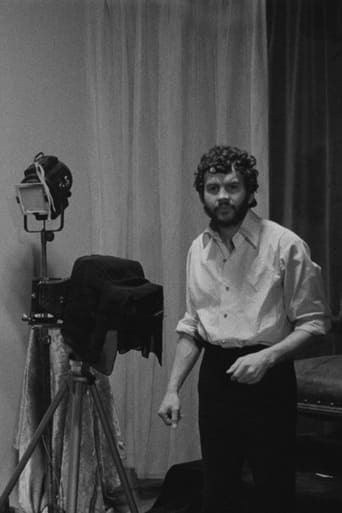
NRA portrait of photographer Pavel Hudec Ahasver is also a homage to the young generation, their thirst for freedom, their non-conformism, their narcissism.
I Am a Cursed Photographer
1969
NRA portrait of photographer Pavel Hudec Ahasver is also a homage to the young generation, their thirst for freedom, their non-conformism, their narcissism.
I Am a Cursed Photographer
1969
5.2The top sport was also closely monitored in the communist era, and officials were naturally bothered that the pentathlon team failed to win the World Championships. But the measures that should have ensured redress were caught up in a web of behind-the-scenes machinations that backfired on the athletes themselves, their endurance and their family backgrounds. While the film has critical ambitions and wants to reveal much of what should have remained hidden from the public eye, it is a rather clumsy and schematic view, not very convincing in terms of realisation.
Stupně poražených
1988
5.2The top sport was also closely monitored in the communist era, and officials were naturally bothered that the pentathlon team failed to win the World Championships. But the measures that should have ensured redress were caught up in a web of behind-the-scenes machinations that backfired on the athletes themselves, their endurance and their family backgrounds. While the film has critical ambitions and wants to reveal much of what should have remained hidden from the public eye, it is a rather clumsy and schematic view, not very convincing in terms of realisation.
Stupně poražených
1988
 7.0
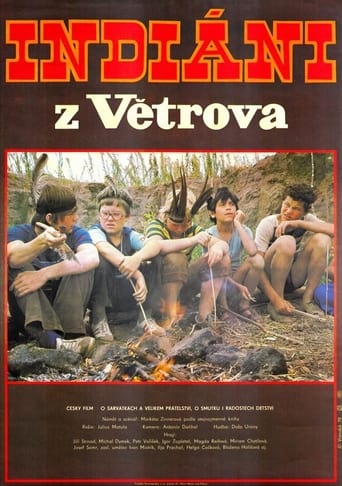
7.0In the frontier village Vetrov boys from the children's home called Indians lead a bitter "war" with the local Símáks. Before a battle the Indians have a meeting in the sandpit with a smoke signaling. The smoke brings to the sandpit a frontier guard Tomás with a police dog Ranek. The children learn from Tomás that Rank served out and that it shall be destroyed. The nine-year old Fanda writes a letter to the "minister of the frontier guards" in which he asks to let Ranek live. To save Ranek's life he also visits the local frontier guard commander. In the end it is decided that children from the children's home may keep Ranek.
Indians from Vetrov
1979
7.0In the frontier village Vetrov boys from the children's home called Indians lead a bitter "war" with the local Símáks. Before a battle the Indians have a meeting in the sandpit with a smoke signaling. The smoke brings to the sandpit a frontier guard Tomás with a police dog Ranek. The children learn from Tomás that Rank served out and that it shall be destroyed. The nine-year old Fanda writes a letter to the "minister of the frontier guards" in which he asks to let Ranek live. To save Ranek's life he also visits the local frontier guard commander. In the end it is decided that children from the children's home may keep Ranek.
Indians from Vetrov
1979
 4.3
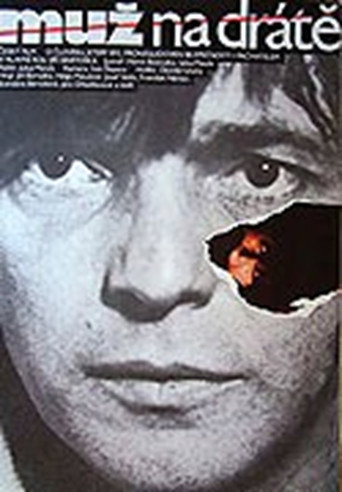
4.3The protagonist is the ordinary and still blameless Evžen Macík, who one day, while waiting for his lover Maria, witnesses a robbery of a savings bank. When the robber drops a briefcase with half a million in loot, the loot falls in front of Evžen, who can't resist, picks it up and disappears. He knows that someone might have seen him at the scene of the crime, so he turns himself in as a witness to Captain Richter, who is investigating the case. Shortly thereafter, however, Maciek is contacted by the robber, who begins to force him to hand over the money with constant threats, initially only by telephone. In addition to pressure from the robber, pressure from the police is added because Captain Richter correctly suspects that Macík is hiding something from him. The mounting pressure leads to Eugene starting to make mistakes.
Muž na drátě
1986
4.3The protagonist is the ordinary and still blameless Evžen Macík, who one day, while waiting for his lover Maria, witnesses a robbery of a savings bank. When the robber drops a briefcase with half a million in loot, the loot falls in front of Evžen, who can't resist, picks it up and disappears. He knows that someone might have seen him at the scene of the crime, so he turns himself in as a witness to Captain Richter, who is investigating the case. Shortly thereafter, however, Maciek is contacted by the robber, who begins to force him to hand over the money with constant threats, initially only by telephone. In addition to pressure from the robber, pressure from the police is added because Captain Richter correctly suspects that Macík is hiding something from him. The mounting pressure leads to Eugene starting to make mistakes.
Muž na drátě
1986
9.0Building themes, however modified, permeated the nationalised cinema throughout its existence. This time, director Július Matula has focused on a young engineer who, with high hopes, accepts a position in a famous agricultural cooperative. However, he soon discovers that behind the proclaimed phrases there is in fact hypocrisy and protectionism. The authors criticise the fact that incompetence is often covered up, that shortcomings end up being cleverly camouflaged, that the social mood favours the mediocre and the adaptable. The hauers present a statement that is courageous, so to speak, within the limits of the law, and call for increased work consciousness.
Hauři
1988
9.0Building themes, however modified, permeated the nationalised cinema throughout its existence. This time, director Július Matula has focused on a young engineer who, with high hopes, accepts a position in a famous agricultural cooperative. However, he soon discovers that behind the proclaimed phrases there is in fact hypocrisy and protectionism. The authors criticise the fact that incompetence is often covered up, that shortcomings end up being cleverly camouflaged, that the social mood favours the mediocre and the adaptable. The hauers present a statement that is courageous, so to speak, within the limits of the law, and call for increased work consciousness.
Hauři
1988
A young man from a poor proletarian family successfully graduates from university, meets a girl who grew up in an orphanage - and surprises his surroundings, greedy relatives and a friend from a rich bourgeois family, by refusing any benefits. He regularly visits his parents to help them build their house, trying to act honestly at all times.
Poslední vlak
1983
 7.7
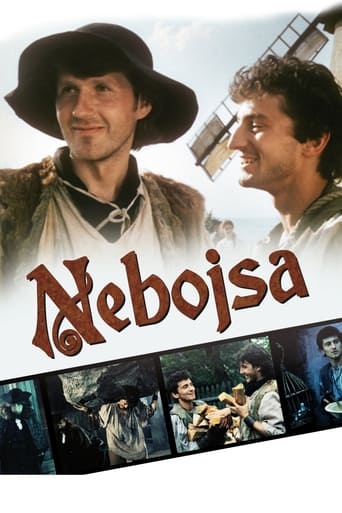
7.7Woodcutter Ondra, who for his bold nature is called Nebojsa. He goes into the world to learn fear. During his journey, on which he is accompanied by a cowardly thief Ferka, he can deal with a bunch of bandits, vicious mill, fiery rock and eventually he must confront the evil wizard who swore a beautiful princess. Will Ondra do all his courage and ingenuity to liberate Princess?
Don't Be Afraid
1989
 6.3
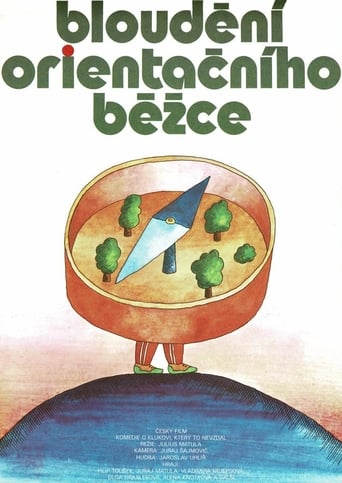
6.3Looking at your classmates from above doesn't always have to be pleasant. Radek is nicknamed Bidlo. He is fourteen years old, he is a good student, but without interest in physical education and sports. Local rounds of spartakiad competitions are currently taking place and Radek would like to impress his classmate ...
Bloudění orientačního běžce
1986
6.3Looking at your classmates from above doesn't always have to be pleasant. Radek is nicknamed Bidlo. He is fourteen years old, he is a good student, but without interest in physical education and sports. Local rounds of spartakiad competitions are currently taking place and Radek would like to impress his classmate ...
Bloudění orientačního běžce
1986
The documentary is a story of a little boy who describes experiences and meetings with his aunt, a nun working in the Institute of Social Care under Kunětická hora in Bohemia. It is one of the first attempts to reveal the life of a nun in the difficult environment of mentally handicapped children. Faith in God gives this woman the strength to help and guide children to find themselves.
My Aunt Vincencia
1969
The documentary is a story of a little boy who describes experiences and meetings with his aunt, a nun working in the Institute of Social Care under Kunětická hora in Bohemia. It is one of the first attempts to reveal the life of a nun in the difficult environment of mentally handicapped children. Faith in God gives this woman the strength to help and guide children to find themselves.
My Aunt Vincencia
1969