
Acting
Viktor Očásek
Born — Died
1897-05-21 — 1975-04-18
Place of birth
Vídeň, Austria-Hungary
Known for
Acting
Credits
61 titles
Known for
 8.0
No synopsis available yet.
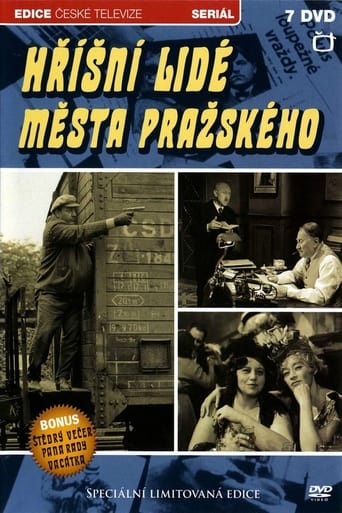
Hříšní lidé města pražského
1969
 7.5
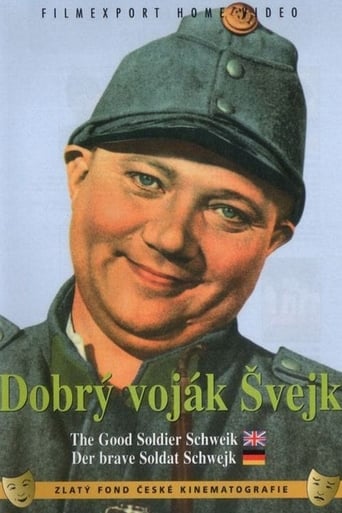
Good-natured and garrulous, Schweik becomes the Austrian army's most loyal Czech soldier when he is called up on the outbreak of World War I -- although his bumbling attempts to get to the front serve only to prevent him from reaching it. Playing cards and getting drunk, he uses all his cunning and genial subterfuge to deal with the police, clergy, and officers who chivy him toward battle.
The Good Soldier Švejk
1957
 7.0
Lemuel Gulliver has had a car accident and continues his journey across the unknown countryside on foot. On the road he finds a dead rabbit dressed like a man and takes a watch from its waistcoat breast pocket. The half-ruined house that he enters reminds Lemuel of his childhood and brings up a painful memory of a dearly loved girl Markéta who was drowned years ago. Gulliver finds himself in Balnibarbi, a country where he doesn't understand the laws and habits and so continually offends against public decency. It is a day when people are ordered to keep their mouths shut and they force their visitor to follow suit. He faces harsh interrogation and finds it difficult to explain that he is not the rabbit Oscar whose watch has been found in his possession.
A Case for a Rookie Hangman
1970
 7.1
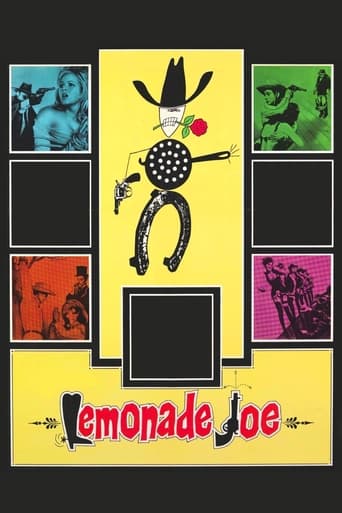
A satire of the Great American Way, with Lemonade Joe a "clean living" gunfighter who drinks only Kola-Loca Lemonade and convinces everyone else in town (with his gun skills) that all "real men" drink ONLY lemonade!
Lemonade Joe
1964
 10.0
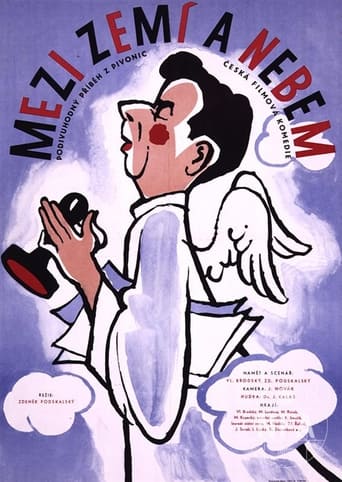
Working in the city office is a bitter clerk who believes he has only 14 days to live and so he bravely stands up to his bureaucratic director.
Mezi nebem a zemí
1958
 6.9
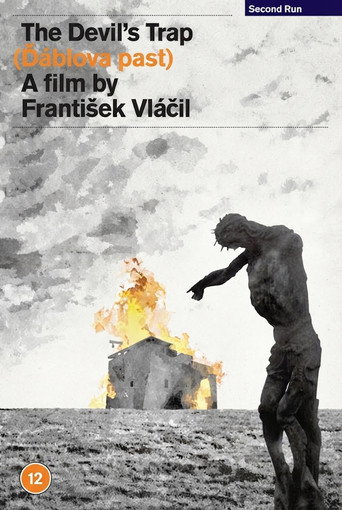
A small town is one day visited by a priest who is there on a secret mission. He is a member of the Inquisition sent to investigate the activities of a local miller. The miller and his son are the descendants of an old family whose ancestral home burned down a century ago, but was rebuilt from scratch. The miller inherited much of his knowledge about the land, water, and a building's stability from generations of family experience. His reputation for finding water and predicting when a structure might collapse have come to the attention of the Inquisition -surely he must be in league with the Devil.
The Devil's Trap
1962
Film credits
1970s · 13 titles
7.0Lemuel Gulliver has had a car accident and continues his journey across the unknown countryside on foot. On the road he finds a dead rabbit dressed like a man and takes a watch from its waistcoat breast pocket. The half-ruined house that he enters reminds Lemuel of his childhood and brings up a painful memory of a dearly loved girl Markéta who was drowned years ago. Gulliver finds himself in Balnibarbi, a country where he doesn't understand the laws and habits and so continually offends against public decency. It is a day when people are ordered to keep their mouths shut and they force their visitor to follow suit. He faces harsh interrogation and finds it difficult to explain that he is not the rabbit Oscar whose watch has been found in his possession.
A Case for a Rookie Hangman
1970
 5.6
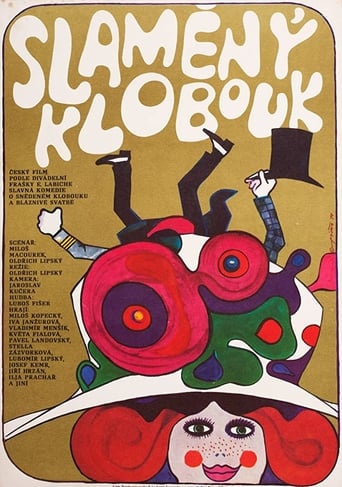
Slacker Maurice Fadinar wasted his whole inheritance and the only way out of this situation, as it seems, to marry Helen Nonankur - daughter of a wealthy farmer. At the last meeting with his mistress in a nearby forest Fadinar's horse eats straw hat which belongs to a married lady, spending time in the company of young and hot Lieutenant Emil. Emil literally puts a knife to Maurice throat - or the lady will get back the exact same hat immediately, or he will arrange such a scandal that no wedding will not happen ...
Straw Hat
1972
 5.9
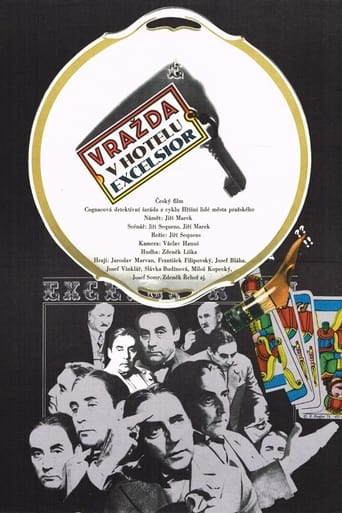
In Vražda v hotelu Excelsior, the interwar period homicide detective squad from Prague investigates the murder of a wealthy woman, Mrs Matoušová, which threatens the reputation of the eponymous luxury hotel popular with Prague’s elite. Even the retired police inspector Mrázek (František Filipovský), who works at the Excelsior as a hotel detective, is unable to help at first. Although the investigation inevitably uncovers the hotel staff’s scheming, Vacátko and his team unerringly follow the trail that leads them to the murderer…
Murder in the Excelsior Hotel
1971
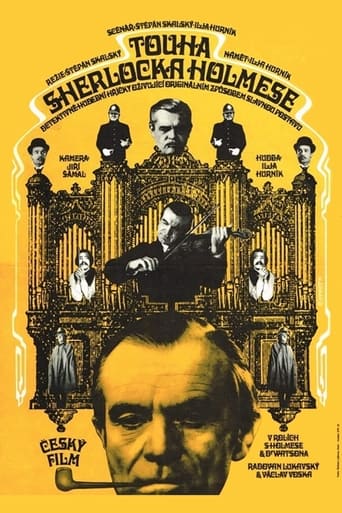 6.0
Sherlock Holmes likes to play violin and expects a great career in music. He gets a place in a spa orchestra, but he is again and again distracted by criminal cases. Therefore he is the only one who does not see that his violin has no future. He solves the criminal mysteries in passing but the final test shows that the famous detective is tone-deaf.
Touha Sherlocka Holmese
1972
 4.5
In the morning twilight of Prague, the dead body of the safe-breaker Toufar is found floating on the river Vltava with a knife in his back. Police inspectors visit Toufar's lover, the prostitute Anna Kulatá (Jirina Bohdalová), nicknamed Umbrella, and it is apparent that the moment before she opened the door of her flat, someone fled through the window. Umbrella is summoned for examination to the head of the criminal police - Police Councilman Vacátko Jaroslav Marvan, but although shocked by the photograph of the dead man, she does not confess to anything. Before Toufar, Umbrella lived with the safe-breaker Penicka (Radoslav Brzobohatý), who loved her very much and made her quit her street trade. But when he was sentenced to three years' imprisonment, Umbrella began to live with the brute Toufar, who chased her to street again. In the case of the murder, Penicka is therefore the prime suspect.
Burglar and Umbrella
1971
The short story film follows the fate of three young men who will soon have to decide what to do with their lives. The first "Poet", an aspiring author, publishes his first poem, while the sporting career of the second "Rep", a national table tennis player, is disrupted by a maths repartee. The last "Beaver Grizzly" is a tramp more used to solitude, yet he starts a pioneer troop...
Maturita za školou
1973
No synopsis available yet.
Přízrak
1970
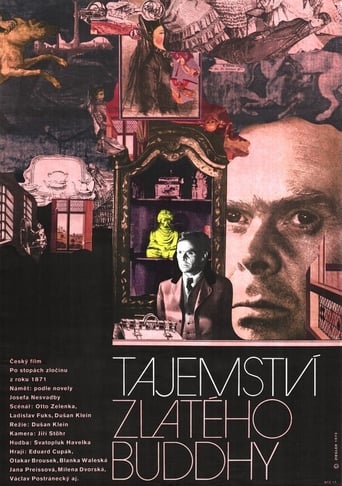 9.0
A crime story set in the second half of the 19th century. Krasl, a Prague schoolteacher, is searching for a statue of the Golden Buddha, which is supposed to contain compromising materials on the factory owner Riessig.
The Secret of the Gold Buddha
1973
The historical television play was written based on Vančura's Pictures from the History of the Czech Nation and takes place against the backdrop of the European situation at the beginning of the thirteenth century. Přemysl Otakar I., father of Agnes of Přemyslid, sought recognition of the Czech lands as a hereditary kingdom. And what about his love and fickleness? The story will answer this, in which poetry and truth diverge only in the degree of emotional movements, in the tremors of souls, which lead to love as well as to hatred.
Vrtkavý král
1975
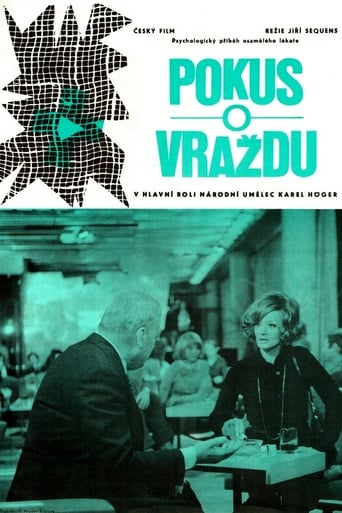 6.5
The main character of the story is Professor Trojan, the head of a Prague clinic, who is not experiencing the happiest of times. His cat has been poisoned with cyanide, he has a falling out with his son Petr, who has moved to Brno to be with his wife, the promising singer Eva, and only seeks out his father when he needs money, and as if that weren't enough, someone shoots him in the evening. Trojan initially considers it a mistake or a prank and does not share the fears of those around him. But then cyanide is discovered and one of the patients takes it from the assistant Dvoracek, who borrowed it for an unauthorized experiment. Trojan pairs the cyanide with a gunshot and slowly begins to suspect that someone is trying to kill him. At first he suspects Dvorak, who might become the foreman after his death, but later, as he falls deeper and deeper into a psychosis of fear and apprehension, he begins to suspect everyone around him...
Pokus o vraždu
1973
 4.2
A short story film depicting the three different faces of crime. In the short story "The Weekend", Karas kills a woman he raped some time ago in order to silence her. However, he accidentally kills another woman. In "Hostages", a drug addict, Chaban, terrorizes the hospital's operating team, but the disciplined doctors handle the difficult situation. In "The Pickpocket", the thief Benda wants to return to his trade immediately after his release, but his attempt ends tragically.
The Motive for Murder
1975
 7.0
Kastl is a hairdresser but his real passion is his second job as football referee. This job takes all his free time and makes his wife very nervous.
Women Offside
1971
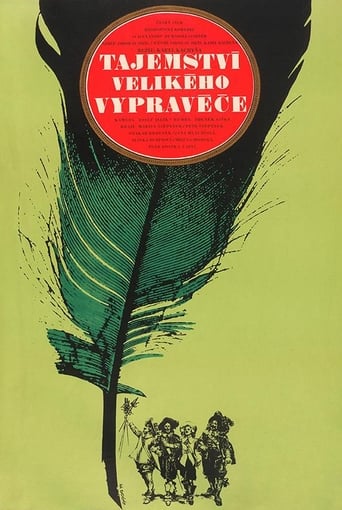 5.0
The life of the famous French writer Alexander Dumas the Elder. Screenwriter Jaroslav Dietl did not hide his admiration for this literary giant, and in addition to the screenplay he also wrote a three-part TV play about Dumas (starring Vladimír Menšík). In Kachyn's film, Dumas played the father and son of the Štěpánková brothers, and it was a very difficult and difficult task for these young actors.
The Secret of a Great Narrator
1972
1960s · 10 titles
7.1A satire of the Great American Way, with Lemonade Joe a "clean living" gunfighter who drinks only Kola-Loca Lemonade and convinces everyone else in town (with his gun skills) that all "real men" drink ONLY lemonade!
Lemonade Joe
1964
6.9A small town is one day visited by a priest who is there on a secret mission. He is a member of the Inquisition sent to investigate the activities of a local miller. The miller and his son are the descendants of an old family whose ancestral home burned down a century ago, but was rebuilt from scratch. The miller inherited much of his knowledge about the land, water, and a building's stability from generations of family experience. His reputation for finding water and predicting when a structure might collapse have come to the attention of the Inquisition -surely he must be in league with the Devil.
The Devil's Trap
1962
Together with a group of temporary workers, a group of experienced labourers is building a land reclamation system to turn the South Bohemian marshes into a "Seventh Continent" of fertile soil.
Sedmý kontinent
1961
No synopsis available yet.
Můj dům – můj hrad
1968
 7.5
A dark comedy about a murder and its consequences presented in a backwards manner, where death is actually a rebirth. The film starts with an "execution" of the main protagonist and goes back to explore his previous actions and motivations.
Happy End
1967
 6.7
A group of outcasts, including a vagabond and a prostitute, gather at the outskirts of the industrial area of a large Czech city, one of the things that helps some of them survive is alcohol.
The Hope
1964
No synopsis available yet.
Zločin a trik II.
1967
 6.5
Screen adaptation of Julius Fucik's story about communist fighters.
Reportáž psaná na oprátce
1962
Journalist learns about battle in a small village.
Bitva na Červeném poli
1968
 8.0
A film in five episodes, all based on an attempt to show the life of young people today, their feelings and relationships, their behaviour in public and private life.
A Place in the Crowd
1964
1950s · 20 titles
7.5Good-natured and garrulous, Schweik becomes the Austrian army's most loyal Czech soldier when he is called up on the outbreak of World War I -- although his bumbling attempts to get to the front serve only to prevent him from reaching it. Playing cards and getting drunk, he uses all his cunning and genial subterfuge to deal with the police, clergy, and officers who chivy him toward battle.
The Good Soldier Švejk
1957
10.0Working in the city office is a bitter clerk who believes he has only 14 days to live and so he bravely stands up to his bureaucratic director.
Mezi nebem a zemí
1958
 6.7
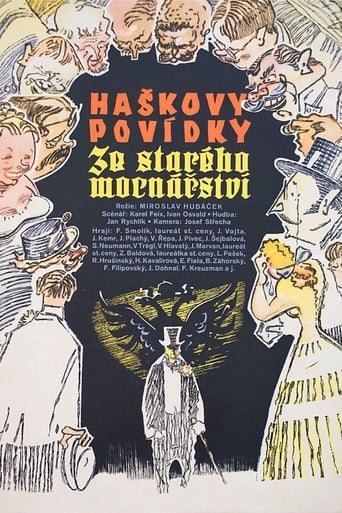
Four short stories by the greatest Czech satirist Jaroslav Hašek. "Soup for Poor Children" tells the story of how Prince Robert himself cooked soup for poor children, "Meeting of the Municipal Council in Mejdlovary" is the history of filling the position of municipal policeman, "Trampotes of Mr. Tenkrát" shows how strange events lead to marriage and promotion, "Revolt of the Convict Šejba" depicts the victorious fight of the convict Šejba for a dumpling for ministering at mass.
Hasek’s Tales from the Old Monarchy
1952
The catastrophically dry weather of 1947 causes immense problems in the countryside. In the small village Klícov, only farmers Hánek and Bervida and the old Hromádka have water. The others must queue every day for a drop for themselves and their cattle. All the villagers lament over their previous decision to turn down the cooperative chairman Kouba's proposal to built a new village water-supply system.
Žízeň
1950
No synopsis available yet.
Muž s puškou
1955
 5.9
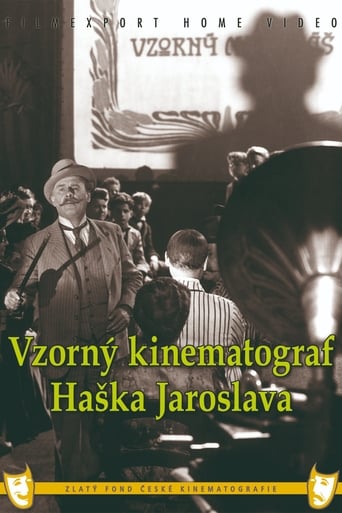
Jaroslav Hašek screens four film stories in the fairground shed around 1900. After period advertising slides and a "newspaper", we see "the first part of a sensational, exemplary, parfuss, salon program - a film from the life of school-age children, shot under very difficult circumstances". The plot of this film takes place partly in a school classroom and partly in a gymnasium toilet, where the primate Chocholka took refuge from a Latin composition. "Exemplary Family Happiness" is the second film that takes the viewer into the family of the municipal official Honzátek, in which many stormy scenes occurred when the hamster, provided by Honzátek Jr., moved into the sofa - a wedding gift from Sister Ema. Equally surprising are two other stories, one of which tells about the "father of the poor", the owner of a company with unrecoverable cash flow and a famous patron, and the other about the fateful consequences of a joint trip between the old bachelor Mr. Hanzlíček and his neighbors.
Jaroslav Hasek's Exemplary Cinematograph
1956
 7.0
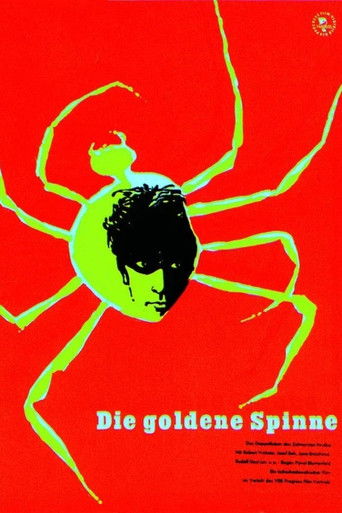
A man was killed while trying to leave Czechoslovakia. One and a half kilograms of gold was found on him - not in coins, not in jewelry, not in bars - but in the form of plates used to make teeth...
Zlatý pavouk
1957
 6.3
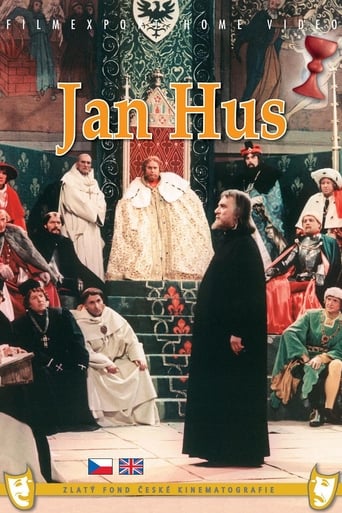
The first part of the "Hussite Revolutionary Trilogy", completed with Jan Žižka (1955) and Proti všem (Against All Odds, 1957). The film captures the period from May 1412 to the summer of 1415, a turbulent time in the Czech Kingdom, during which there were protests in Prague against the sale of "omnipotent indulgences" whose sale throughout the kingdom was announced by Pope John XXIII. The ideological leader of this movement is the preacher Master Jan Hus, whose words, calling for the elimination of church abuses, are listened to in the Bethlehem Chapel by thousands of ordinary Praguers, Czech lords and Queen Sophie, wife of the Czech King Wenceslas IV.
Jan Hus
1955
 7.8
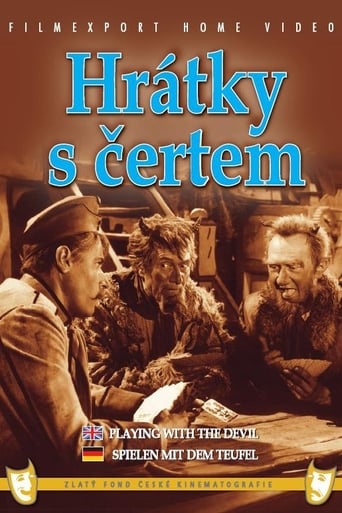
Two marriageable girls, Princess Disperanda and her maid Káča, sign a betrothal with their own blood in exchange for fairy-tale grooms. Although both devilish betrothals accidentally fall into the hands of the brave retired soldier Martin Kabát, the cunning devil Solfernus takes possession of them through cunning, and Martin has no choice but to go to the burning hell.
Playing with the Devil
1957
 7.5
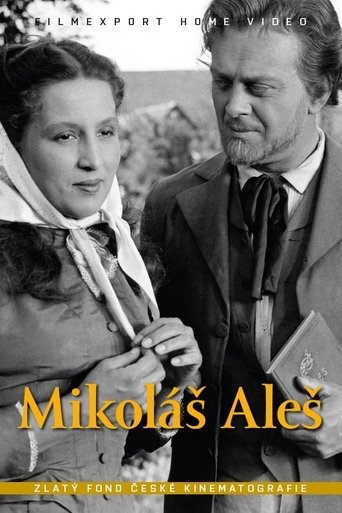
A biographical film about the famous Czech painter Mikoláš Aleš, portrayed as part of the vanguard of the working class and a spokesman for the oppressed, who asserts himself despite the opposing bourgeoisie and reactionaries of all kinds. The film focuses on the period when Mikoláš Aleš participated in the competition to decorate the National Theatre.
Mikoláš Aleš
1952
 7.0
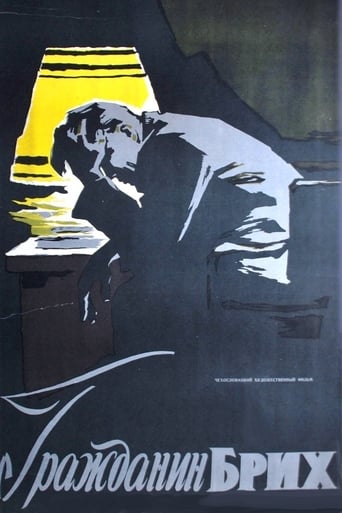
František Brych, a principled lawyer, refuses to back the new Communist regime at his factory and grows increasingly alienated, even as his former love Irena, unhappily married to factory owner Ondřej Ráž, seeks his understanding. When he helps plan an escape over the Šumava border, the group’s panic and violence lead to murder, prompting Brych to abandon the scheme and return home with Irena.
Občan Brych
1959
 7.3
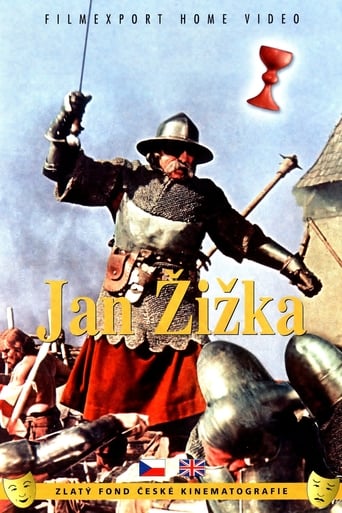
The second part of the revolutionary Hussite trilogy takes place in the years 1419-1420.
Jan Žižka
1956
 6.1
Second half of the 19th century. In a small town in South Bohemia, fifth-former Jan Ratkin is living through the confusions of first love together with his classmates.
Silvery Wind
1956
Miloš Kopecký comments on himself in the roles of restaurant guests who suffer from various social ills. This satirical parade of grotesque human characters, such as the angry man, the alcoholic, the womanizer, and the thief, reminds us to be kind to restaurant staff, as they truly have much to endure.
About The People Around The Table
1958
The Counter-Reformation period: Myslivec Machovec is forced by representatives of the Jesuit order to flee his home for his religious beliefs. His teenage children Helenka and Tomáš do not give up the faith and traditions of the Czech Brethren despite the increasing pressure.
Temno
1951
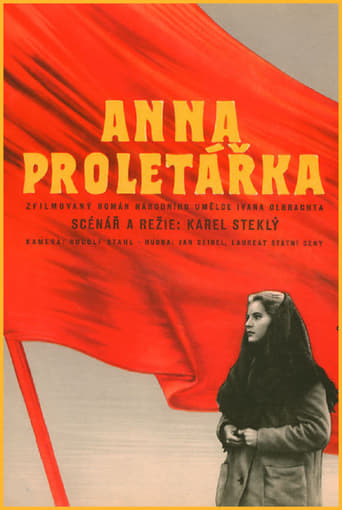 5.0
The movie describes proletarian life in the Czech Lands after World War I.
Anna the Proletarian
1953
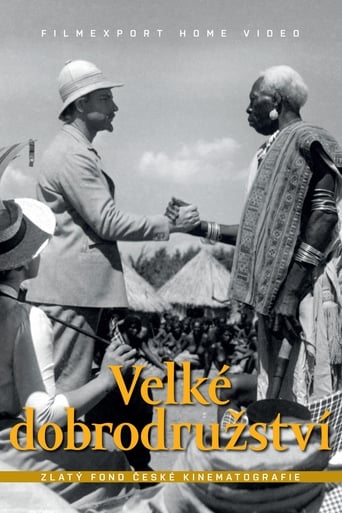 8.0
A biographical film about the traveler Emil Holub, conceived as an illustrative story of an exceptional man, who, however, encounters the disinterest and rejection of the domestic Czech bourgeoisie. To this is added an international perspective - Holub encounters British expansionism in Africa and indignantly rejects colonial methods, trying to help black people.
Velké dobrodružství
1952
Innovator Ludvík Zach is in love with his technical data and improvement proposals and does not believe that women could be able to understand these problems. However, on his way back from a conference, he meets Jarmila, an electromechanic, and arranges a meeting with her. He would prefer to talk to her about technology, but he discovers that Jarmila is more interested in poetry and music...
Slovo dělá ženu
1953
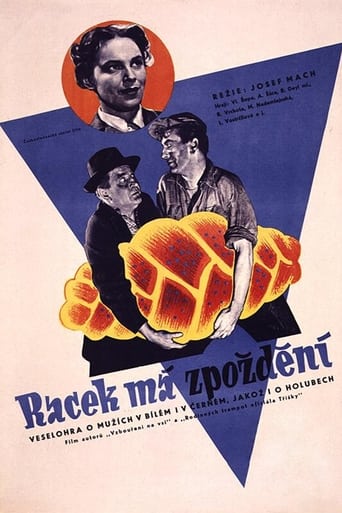 7.0
Baker Jan Racek (Vladimír Repa) is a very hard-working and sensible man. His great passion is pigeon-keeping and also, for many years, Ruzenka (Ludmila Vostrcilová). They are going to get married but Racek is busy waiting for the pigeons' return and misses the wedding. The engaged couple is already getting a little older so the otherwise kind Ruzenka gets very angry at this and gives Racek an ultimatum - it's going to be her or the pigeons.
Racek Is Late
1950
An ideologically-oriented film set in a prestigious medical sanatorium - a young doctor sympathizes with the poor people of the area, helping workers and their sick children.
Případ dr. Kováře
1950
1940s · 16 titles
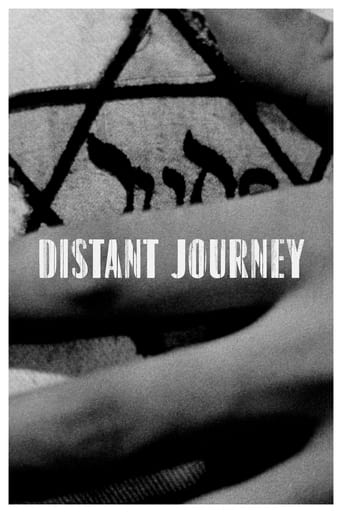 6.9
Prague, during World War II. Hana Kaufmann, a Jewish ophthalmologist, marries Dr. Antonín Bureš, a Christian man. When her family is sent to the Theresienstadt concentration camp, their romance turns into a struggle for survival.
Distant Journey
1949
 7.0
A fiction piece centered around the Czech resistance to the Nazis.
Silent Barricade
1949
 5.0
After the Battle of Lipany, the remnants of the Hussite troops concentrated under the leadership of Jan Roháč of Dubé at Sion Castle. However, he had no prospects of victory against the soldiers of the Lordship. Sion was conquered, Roháč of Dubé was captured and executed as a pest in Prague on September 9, 1437.
Warriors of Faith
1947
Oldřich Nový was and will forever remain the embodiment of charm, elegance and personal charm for Czech cinema, to which all women, regardless of age, were subject. In his unforgettable lover roles, he was not only a romantic who was able to fall in love with a girl from an ancient painting, succumb to the chocolate-brown eyes of the minister's girlfriend, but also a seducer for whom infidelity was a regularly practiced sport, or, conversely, a newlywed obsessed with jealousy. This was exactly Viktorin, the main character of a crazy Art Nouveau comedy, where everything revolves around a massive deer antler. Its involuntary owner becomes the jealous Viktorin, and it is certainly not difficult to guess what such a "right" gift can cause.
Parohy
1947
 7.7
Five crime stories connected by the narration of police superintendent Bartosek.
Capek's Tales
1947
 6.6
Elén, a girl living with her mother and stepfather in a secluded forest, has a great singing talent. On her twenty-first birthday, she runs away from home and on the train, millionaire René falls in love with her. Their paths soon diverge, only to be reunited soon after. Violinist Pavel Sedloň falls in love with Elén, and although Elén does not love him, she is determined to marry him. At that time, René dies, exhausted from working on the operetta Srdce v delirium. However, he is saved at the last moment and everything comes to a happy ending when Oldřich Nový explains how the authors actually meant it all.
The Poacher's Foster Daughter or Noble Millionaire
1949
 8.5
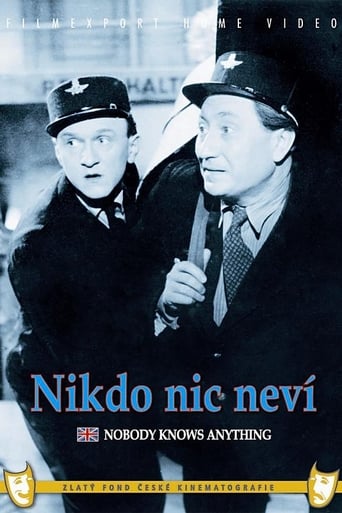
Martin Plechatý and Petr Nový roam occupied Prague with their trams. Times are hard and sometimes survival is not easy - especially when, in an attempt to help a threatened (and charming) neighbor, you get involved with an SS man, hit him on the head and kill him. At least that's how the two friends explained the situation to each other when their opponent collapsed to the ground. What to do with the body now? An endless anabasis begins, in which even a baby stroller comes into play...
Nobody Knows Anything
1947
 5.0
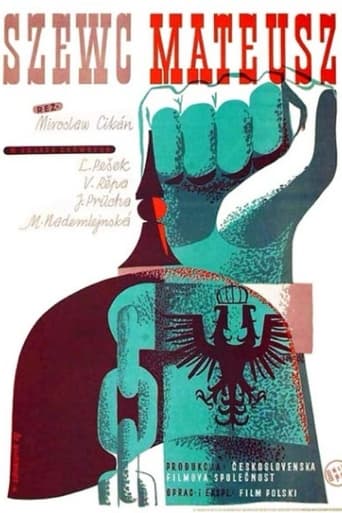
The revolutionary year of 1848 brought great hopes among the hitherto silent classes, awakening social and national hopes. The response also penetrated the remote countryside, even as far as the Podkrkonoše Mountains. The young shoemaker there began to take an interest in social and political events, and he also experienced disappointment in later developments.
O ševci Matoušovi
1948
 5.6
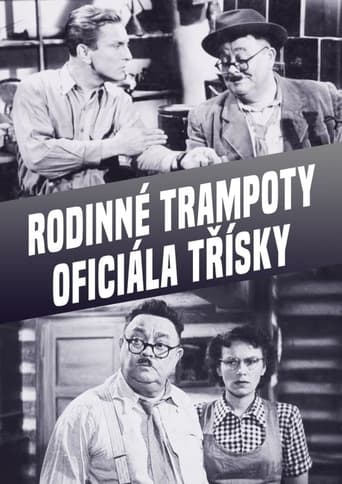
The plump, punctual and slightly despotic Mr. Tříška worked as a housing officer, which completely damaged his psychological resilience, he is short-tempered and easily angered. The intended rest in the countryside, where he went with his whole family, however, turns out completely differently than he expected - because all the hardworking hands join together to ensure the fastest possible completion of the agricultural work, and there is also time left for his singing interests. And the main character is finally so carried away by the new environment that he eagerly joins in.
Rodinné trampoty oficiála Tříšky
1949
 6.0
In late 19th century Czech-speaking Bohemia, oppressed workers at German-owned mines and foundries revolt against their harsh working conditions. Made shortly after World War II as Czechoslovakia was falling to communism, the film resonates in Czech resentment of the German occupation.
The Strike
1947
No synopsis available yet.
Dnes o půl jedenácté
1949
The Czech revival movement is divided at the end of the first half of the 19th century. While the older generation, such as František Palacký, urges restraint, students lean towards radical positions. A report on the revolutionary events in Paris prompts Czech Prague residents to write down the demands of the Czech nation for self-determination and the proclamation of a constitution. Tensions peak during the All-Slavic Congress in Prague's Žofín. Vienna rejects the Czech demands and the congress is brutally dispersed by the Austrian police. Prague begins to build barricades...
Year of the Revolution 1848
1949
 8.5
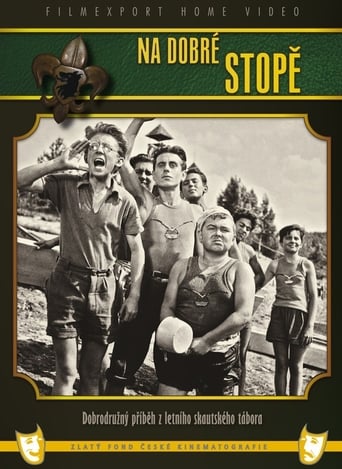
An adventure story for young people set in a summer camp for boaters in Juná. Eda, marked by a tragic experience of occupation, has difficulty getting along with the other boys. He only gains their trust and friendship when he helps to uncover German saboteurs.
Na dobré stopě
1949
The workers at the ironworks are working to fulfill a two-year plan. The spy group takes advantage of the bitterness of a disrespected innovator and tries to extract information from him about a new technology for pressing metal powder. However, their plans are thwarted by the vigilance and vigilance of the research staff from Department Z-8.
Případ Z-8
1949
 7.7
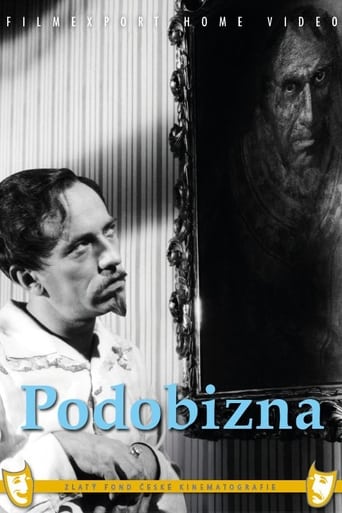
People are afraid of the usurer Chazaj and are convinced that he is the bearer of evil. One day Chazaj pays a visit to the poor artist Simon Jordán and asks him to paint his portrait. Simon agrees but as he progresses with the work his mind conjures up terrible thoughts and in the end he commits suicide. The portrait looks lifelike and Chazaj is content with the results. After Chazaj's death the picture changes hands and brings misfortune to all who own it. The last victim is the young painter Roman who buys Chazaj's portrait in a bazaar. He finds a treasure in the frame and begins to live well off it. The comfortable life suits him so well that he rejects his original artistic aims and becomes a painter of fashionable kitsch.
The Portrait
1948
The younger brother of a brave paratrooper killed by the Nazis joins a partisan unit to avenge his death. The story is still naive in many ways, but the foundations of resistance myths are already being laid here.
Hrdinové mlčí
1946