

Directing
Satsuo Yamamoto
Born — Died
1910-07-15 — 1983-08-11
Place of birth
日本, 鹿儿岛县
Known for
Directing
Credits
40 titles
From Wikipedia, the free encyclopedia. Satsuo Yamamoto (July 15, 1910 - August 11, 1983) was a Japanese film director. Yamamoto was born in Kagoshima Prefecture on July 15, 1910. He dropped out of Waseda University to join Shochiku, where he worked as an assistant director to Mikio Naruse and others. He followed Naruse when he moved to PCL, and became a director in his own right after the company was reborn as Toho. During WWII he directed several pro-war propaganda films for them despite being a fervent member of the Japanese Communist Party (JCP), and after the war he rallied against the company as a driving force behind the union during the 1948 Toho labour dispute (in which the JCP was…
Known for
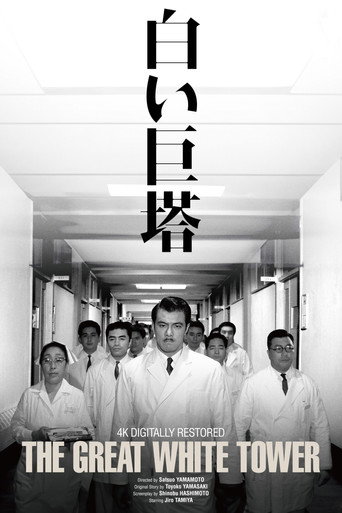 7.3
The story contrasts the life of two doctors, former classmates and now both assistant professors at Naniwa University Hospital in Osaka. The brilliant and ambitious surgeon Goro Zaizen stops at nothing to rise to a position of eminence and authority, while the friendly Shuji Satomi busies himself with his patients and research.
The Great White Tower
1966
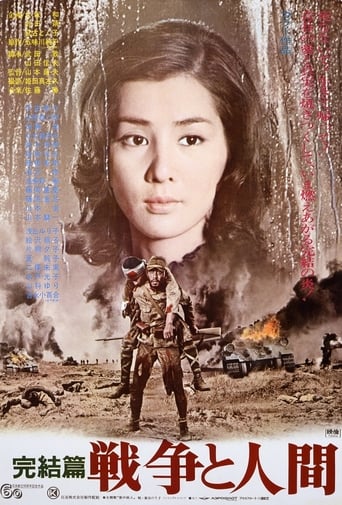 6.1
As Japan's war of aggression against China intensifies, beginning with the Nanjing Massacre in December 1937, Kohei, who had secretly married Junko, the second daughter of the Godai family, deploys to the front lines, witnessing the atrocities of the Japanese army firsthand. Meanwhile, Shunsuke also takes to the front lines of the battlefield, engaging in a fierce battle against the Soviet army at Nomonhan.
Men and War III: The Final Chapter
1973
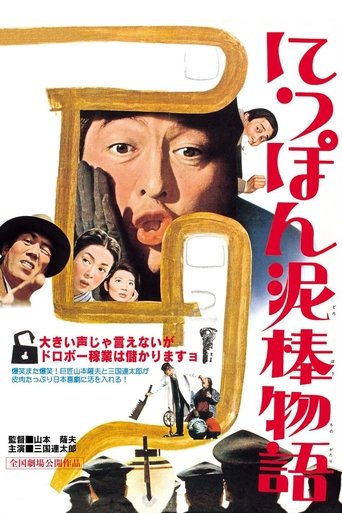 7.0
Gisuke Hayashida is an illegal dentist during the day and a burglar by night. One night during a burglary he witnesses a train derailment. Some communists are found guilty of causing the incident, but he knows it wasn't them. He can save innocent people but for that he must confess his own crime.
Tale of Japanese Burglars
1965
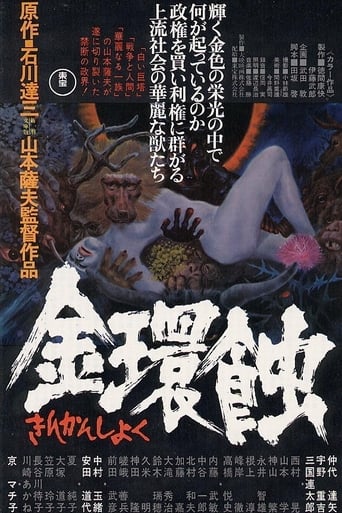 6.9
When bribe money from a rigged election funnels into a dam construction project, collusion, lust, greed and even murder are on the ballot.
Solar Eclipse
1975
 6.8
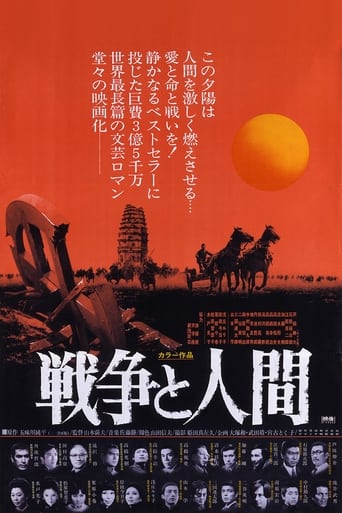
The upstart Godai family conglomerate plans to strengthen ties with the hardliners in the Kwantung Army as they plan military expansion into Manchuria.
Men and War I: Prelude to Destiny
1970
 6.7
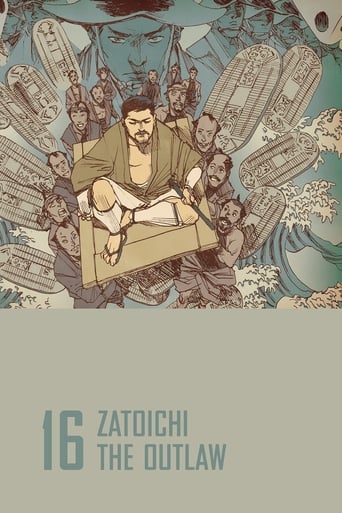
When a local gambling house kidnaps some peasants because they failed to pay their debts, a rival gambling house pays their debts and sets them free.
Zatoichi the Outlaw
1967
Behind the camera
7.3The story contrasts the life of two doctors, former classmates and now both assistant professors at Naniwa University Hospital in Osaka. The brilliant and ambitious surgeon Goro Zaizen stops at nothing to rise to a position of eminence and authority, while the friendly Shuji Satomi busies himself with his patients and research.
The Great White Tower
1966
6.1As Japan's war of aggression against China intensifies, beginning with the Nanjing Massacre in December 1937, Kohei, who had secretly married Junko, the second daughter of the Godai family, deploys to the front lines, witnessing the atrocities of the Japanese army firsthand. Meanwhile, Shunsuke also takes to the front lines of the battlefield, engaging in a fierce battle against the Soviet army at Nomonhan.
Men and War III: The Final Chapter
1973
7.0Gisuke Hayashida is an illegal dentist during the day and a burglar by night. One night during a burglary he witnesses a train derailment. Some communists are found guilty of causing the incident, but he knows it wasn't them. He can save innocent people but for that he must confess his own crime.
Tale of Japanese Burglars
1965
6.9When bribe money from a rigged election funnels into a dam construction project, collusion, lust, greed and even murder are on the ballot.
Solar Eclipse
1975
6.8The upstart Godai family conglomerate plans to strengthen ties with the hardliners in the Kwantung Army as they plan military expansion into Manchuria.
Men and War I: Prelude to Destiny
1970
6.7When a local gambling house kidnaps some peasants because they failed to pay their debts, a rival gambling house pays their debts and sets them free.
Zatoichi the Outlaw
1967
 7.2
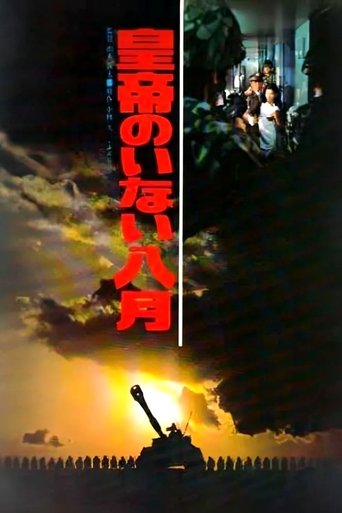
Taking the Chilean coup as an example, a group of young officers plan to overthrow the Japanese government on V-J Day. They aim to abolish the post-war constitution, restore the national army and revive the traditional spirit of Japan. As the conspiracy is exposed, the coup squadrons are wiped out one by one. The remaining squadron takes over a night train bound for Tokyo.
August Without Emperor
1978
7.2Taking the Chilean coup as an example, a group of young officers plan to overthrow the Japanese government on V-J Day. They aim to abolish the post-war constitution, restore the national army and revive the traditional spirit of Japan. As the conspiracy is exposed, the coup squadrons are wiped out one by one. The remaining squadron takes over a night train bound for Tokyo.
August Without Emperor
1978
 6.4
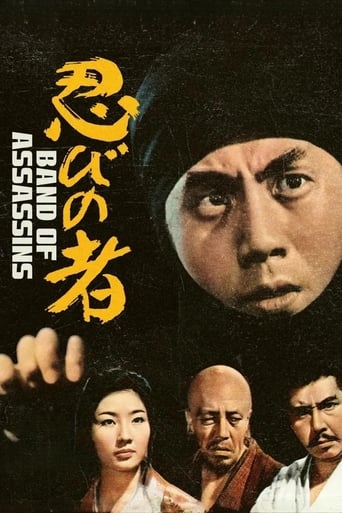
Warlord Oda Nobunaga seeks to unite a fractured Japan. A young man trained in the arts of ninjitsu is manipulated by a ninja master into attempting to assassinate the warlord before he completes his task.
Ninja, A Band of Assassins
1962
 8.5
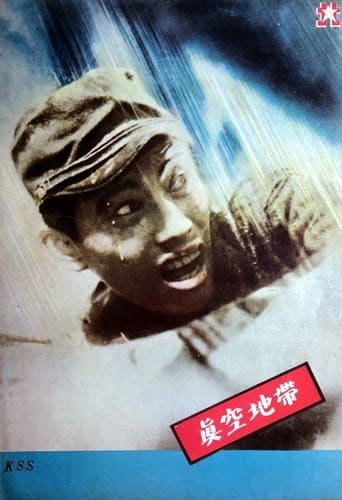
Just before the end of the war, Japanese soldier Kitani is released from prison, having served his term for theft. Told in flashback, viewers learn about Kitani's past and reasons behind his prison sentence.
Vacuum Zone
1952
 7.0
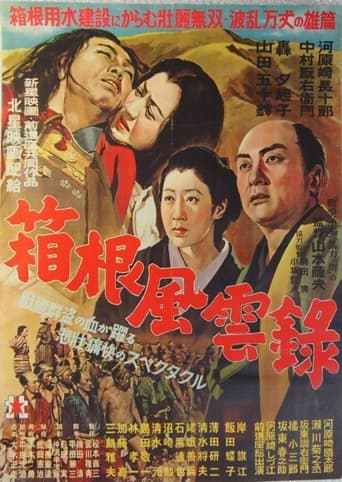
A period film about a peasant revolt in the region near Mount Fuji, occasioned by high officials' depriving the farmers of their water rights.
The Stand in Hakone
1952
7.0A period film about a peasant revolt in the region near Mount Fuji, occasioned by high officials' depriving the farmers of their water rights.
The Stand in Hakone
1952
 7.4
On the night of the summer Obon festival, Hagiwara Shinzaburo meets a beautiful courtesan named Otsuyu. Not knowing she's a ghost, he becomes infatuated by her.
The Bride from Hades
1968
 10.0
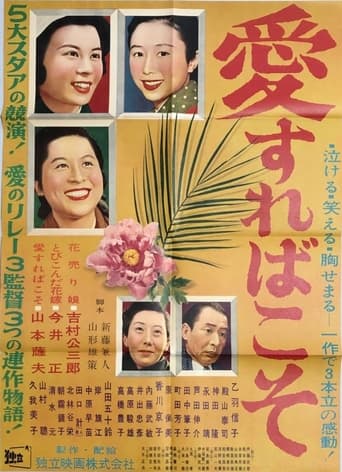
The film consists of three short stories. Tomiko, the heroine of the first story, "The Flower Girl" (dir. Kozaburo Yoshimura), is a little girl who bears the unbearable burden of caring for her family. Tomiko's father has been unable to find work for a long time, and her older sister is terminally ill—it is unlikely that she will ever recover. To feed her family, Tomiko runs around the city from morning until late at night selling flowers... The second novella (dir. Tadashi Imai) also depicts the lives of the poor. An unfamiliar girl brings young Kavano a letter from his mother. It turns out that the girl's name is Kuniko, she is very hardworking, but her family is dying of hunger. Therefore, her mother decided to send Kuniko to her son so that he would marry her. The short story is called "The Unexpected Bride." The third short story, which gave the film its title, is particularly interesting: "When You Love" (dir. Satsuo Yamamoto). It shows the family of a young peace activist.
If Indeed One Loves
1955
 7.2
Keizo Tsujiguchi believes his wife Natsue was having an extramarital affair when their child was kidnapped and killed. He believes of her extramarital affair she was unable to watch over their child properly and blames her for their daughter's death. To exact revenge on his wife, he then adopts the killer's child without telling the truth to his wife or their newly adopted child.
Freezing Point
1966
 NR
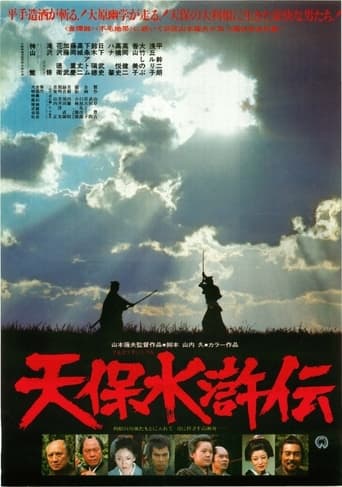
A great famine struck all of Japan: the so-called Great Tenpō famine. It was a time when there were frequent uprisings in rural areas due to farmers losing their land as a result of strict tax collection. The Tonegawa area of Boso was a lawless area for a generation, as two major forces fought against each other: Sukegoro of Iioka, who wields power with his industrial capital behind him, and Shigezo of Sasakawa, a rising yakuza. Furthermore, the successive floods of the Tone River, which could be called fate, forced the farmers into even more poverty and despair. Meanwhile, farmers in Nabe Village continue to live a lethargic life, but agricultural reform is about to begin under the hands of Yugaku Ohara, a ronin who has settled in the village.
The Tempō Outlaws of the Marsh
1976
 7.2
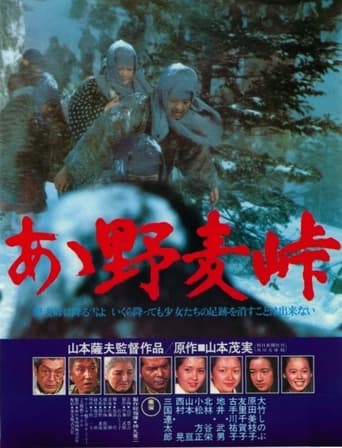
The story of the silk industry and the young girls who worked as silk spinners in the early 1900s in Japan. The silk mills were located in Okaya which lies just beyond the Nomugi Pass. The women and girls worked in a hot, humid atmosphere without rest, and endured those conditions and sexual harassment to earn money for their poor families. Across the ocean, it was the great depression in America.
Nomugi Pass
1979
 NR
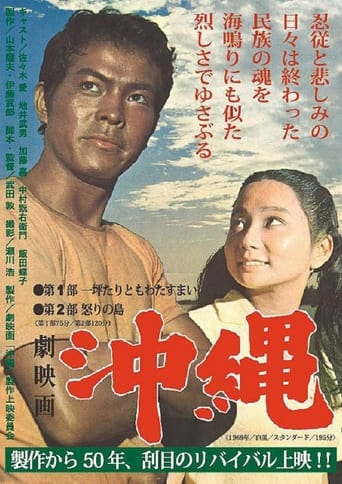
A group of teenagers grow up in Okinawa amid the protests and resistance against the presence of the American base in the island.
Okinawa
1970
 6.9
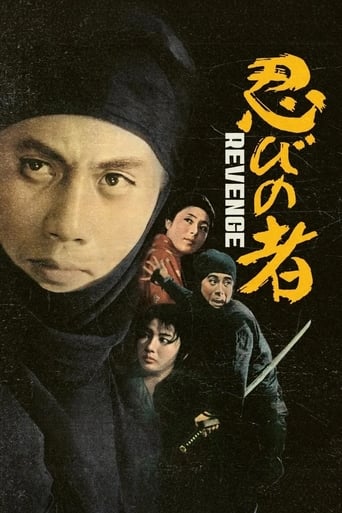
[Period covered: 1582-1594]. As the film opens, the warlod Nobunaga Oda rides to Iga Ayanokuni shrine. He is asked if he thinks he has destroyed all the ninja who opposed him and answers that he suspects that there may be more. A servant brings water and tests it first. The paige dies and we hear gunshots as two ninja flee the scene. His suspicions confirmed, Nobunaga oversees the execution of captured ninja and decides that, in the future, he needs a much crueler method of execution. The daimyo Hideyoshi comes to visit.
Shinobi no Mono 2: Vengeance
1963
 9.2
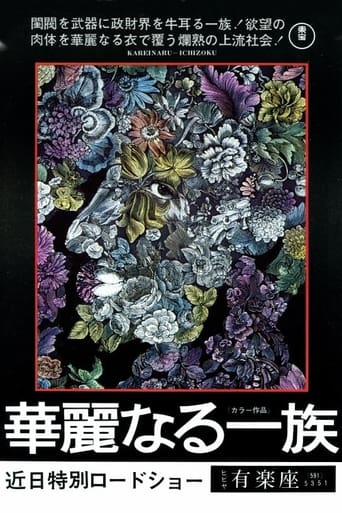
Set in the post-World War II climate of the 1960s in Kobe, the movie explores the struggle for power within the powerful Manpyo family.
The Family
1974
 6.4
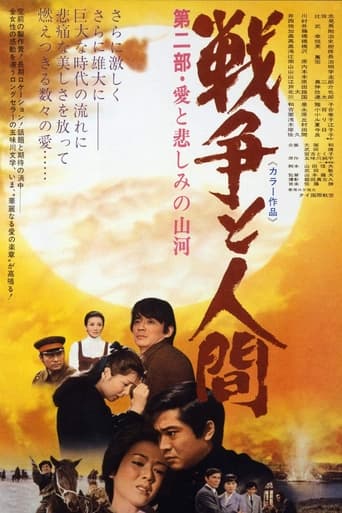
As the Japanese military has established the puppet state of Manchukuo and is advancing its invasion of Asia, fighting intensifying battles against anti-Japanese partisans, the Godai zaibatsu becomes involved in large-scale opium smuggling. Shunsuke, second son of the Godai family, falls in love with a married woman. Meanwhile, Kohei, the love of the second daughter, Junko, throws himself into the anti-war movement.
Men and War II: Land of Love and Sorrow
1971
 8.0
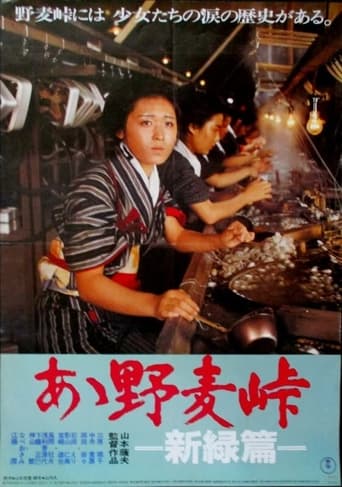
In a factory that prioritizes profits amid economic downturns, a female worker criticized for her poor performance commits suicide, prompting her colleagues to strike and demand improved working conditions.
Ah! Nomugi Pass — Fresh Green Edition
1982
 4.8
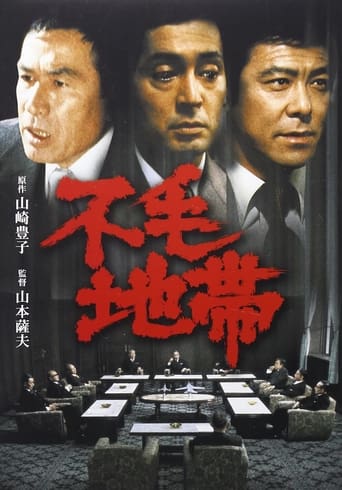
Tadashi Iki returns to Japan from a Soviet gulag 11 years after being captured during the invasion of Manchuria. He is offered a position in the expansive Kinki Corporation, but rival corporations are competing for a government contract to produce fighter planes.
The Corporation
1976
 7.0
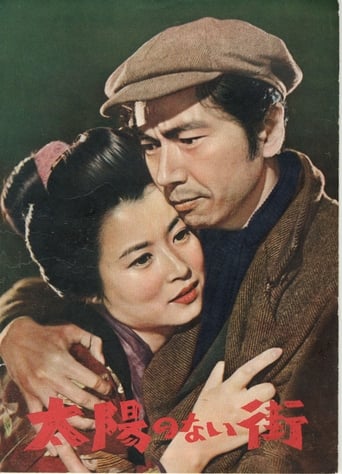
Based on the novel by proletarian writer Sunao Tokunaga. The story is about a long strike by workers at a large printing house and the strikers' steadfastness, which neither hunger nor violence could break. The heroine of this story actively participates in her colleagues' struggle against layoffs, oppression, and police brutality.
The Street Without Sun
1954
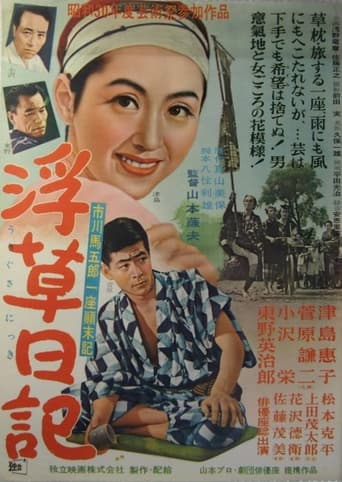 4.3
A travelling theater troupe, led by Umagoro Ichikawa, comes to play in a mining town, and manages to sell every seat. Before the play begins, however, a miners' strike is announced, creating an uproar. In addition, the players find they have been cheated out of their profits by a crooked impresario.
Floating Weeds Diary
1955
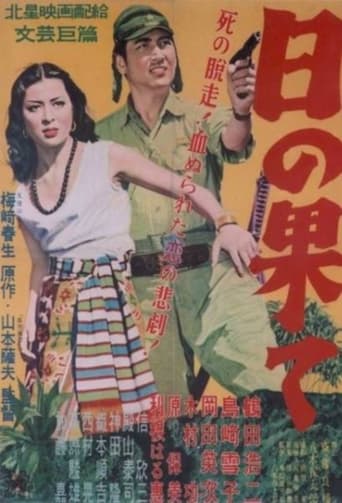 7.5
Military doctor Leutenant Hanada deserts during the war in the Philippines with a local girl. The officer in command orders Lieutenant Uji to shoot Hanada. Uji takes a sharpshooter called Takagi and tracks him. At first Uji cannot forgive Hanada but as Uji is isolated from the main force he too starts to think of desertion.
The End of a Day
1954
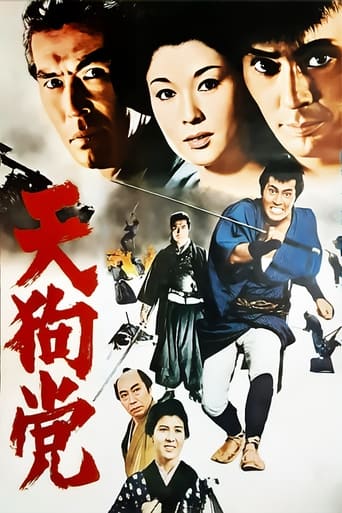 6.3
Sentaro is been severely beaten for his defiance of the government and the high taxes during a time of famine. He is befriended by Kada Gentaro, a leader in the Mito Tengu group, which plans to overthrow the shogunate.
Blood End
1969
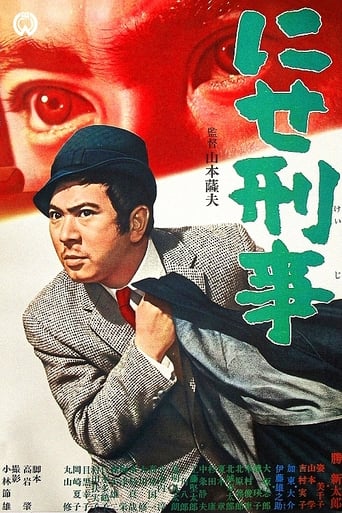 8.0
Toramatsu is a very enthusiastic policeman. Believing that the police should help others he is dismissed the force when his pistol is stolen while doing one of his good deeds. He saves a child from drowning, restores it to his mother, then finds that someone has run off with his gun and later uses it to kill. Then he breaks up a group of hoodlums attacking a young girl named Mieko, and the police, his former friends, deciding he has gone too far, decide to sue him. On top of this the girl gets hurt and, consequently, a child from the kindergarten where Mieko teaches is kidnapped on his way home. Impersonating a policeman he tracks down the gangsters and rescues the boy. Due to this he also uncovers a scandal which allows the police to make a long due clean up in the political world. As a reward for all of this he wins the regard of the girl but now faces a stiff prison sentence for impersonating the policeman he had been and which, at heart, he truly remains.
The Bogus Policeman
1967
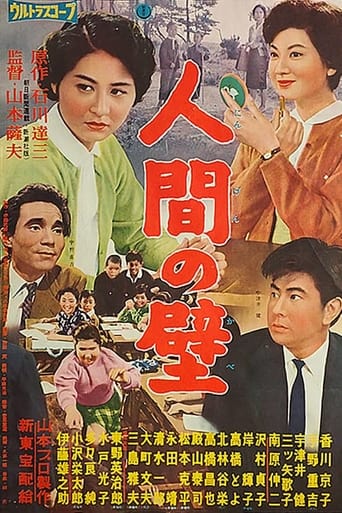 6.2
Drama which shows the struggle of Fumiko, a female teacher, at work and at home.
The Human Wall
1959
 10.0
As Japan's economic growth policies intensify, small-scale farmers embark on a first-ever communal dairy farming initiative in their village. They are joined by Riki, a young man who thinks communal farming will give him some leisure time.
Farm Girls
1962
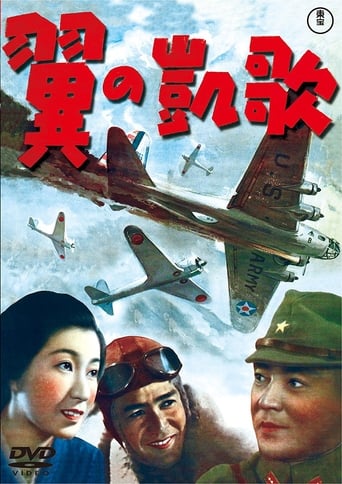 6.8
No synopsis available yet.
Wings of Victory
1942
 10.0
Based on true events surrounding a Korean student who had entered Japan unlawfully and escaped illegal alien internment.
The Spy
1965
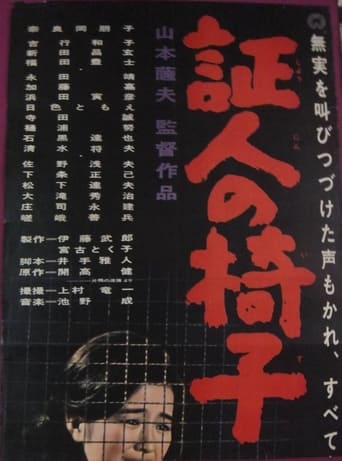 6.5
Murder case and trial.
The Witness' Chair
1965
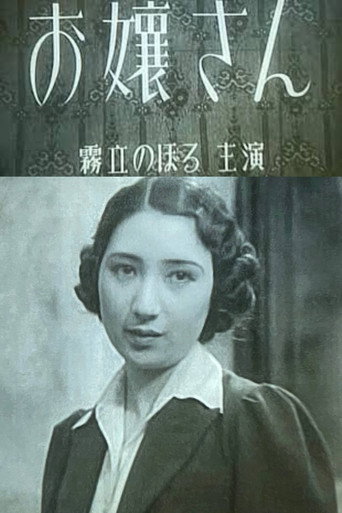 8.0
The story deas with the experiences of an exceptionally strong-willed, middle class Tokyo "ojōsan" who comes to teach in a middle school in the countryside.
Young Lady
1937
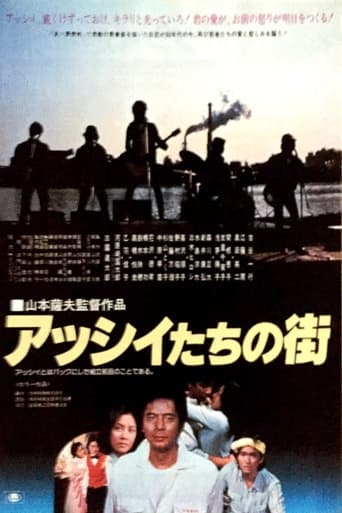 10.0
No synopsis available yet.
Auto Town
1981
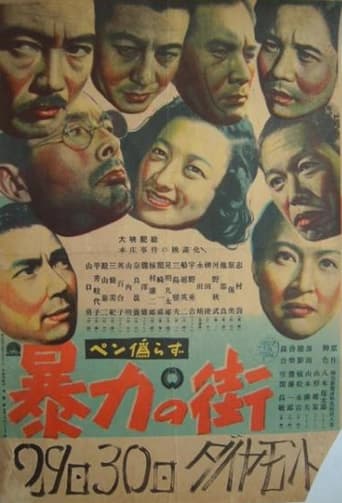 6.5
An attempt is made to suppress a journalist's investigation of collusion between a rural police chief and the local gangster bosses.
Town of Violence
1950
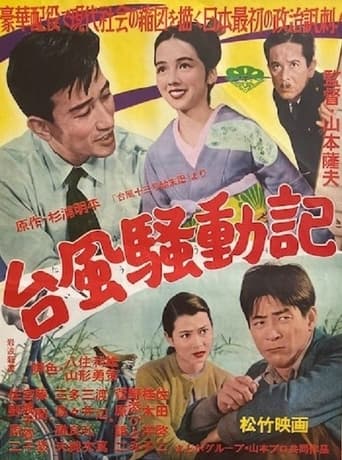 10.0
A group of shady politicians want to make money after a typhoon by claiming the schoolhouse has been destroyed and then cashing in on building a new one.
Typhoon Furor
1956
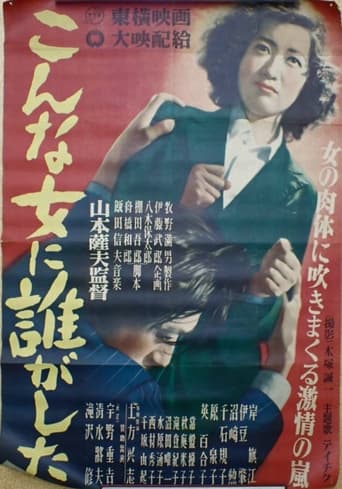 NR
No synopsis available yet.
Utako's Story
1949
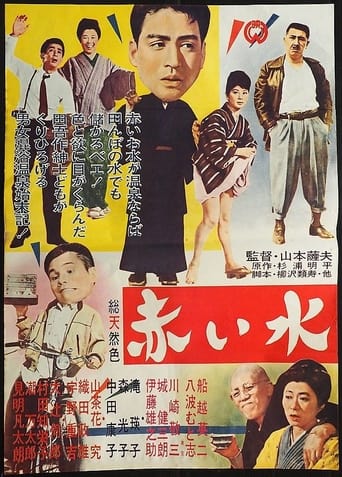 8.0
Comedy drama film
The Red Water
1963
8.0Comedy drama film
The Red Water
1963