
Directing
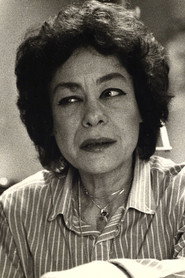
Noémia Delgado
Born — Died
1933-06-07 — 2016-03-02
Place of birth
Chibia, Angola
Known for
Directing
Credits
26 titles
Noémia de Freitas Delgado (São Pedro da Chibia, June 7, 1933 – Lisbon, March 2, 2016) was a Portuguese filmmaker from the New Cinema era, who used direct cinema techniques and practiced visual anthropology in both fiction and documentary works. Noémia was born in São Pedro de Chibia in Angola and was daughter of Luís Delgado and Judite da Conceição de Freitas.
Known for
 5.0
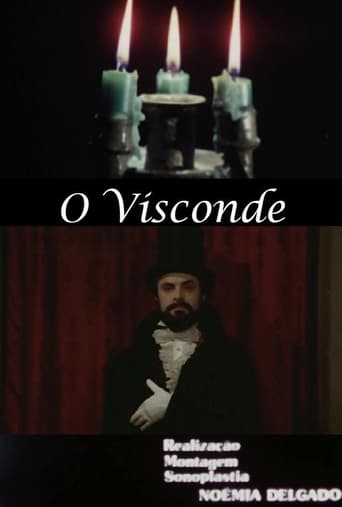
5.0O Visconde is based on the same Álvaro do Carvalhal short story as Manoel de Oliveira's The Cannibals.
O Visconde
1980
Based on an Eça de Queiroz incursion into fantastic literature.
O Defunto
1981
Siren's Song is inspired on a story by Júlio Dinis, in an place populated by characters taken from Greek mythology.
The Siren's Song
1983
 4.5
4.5“A Princesinha das Rosas” is about Naíde, a girl born from the union between a fisherman and a mermaid, adopted by monarchs of a country with no heirs, but to whom the call of the waters will inevitably attract.
A Princesinha das Rosas
1981
 5.0
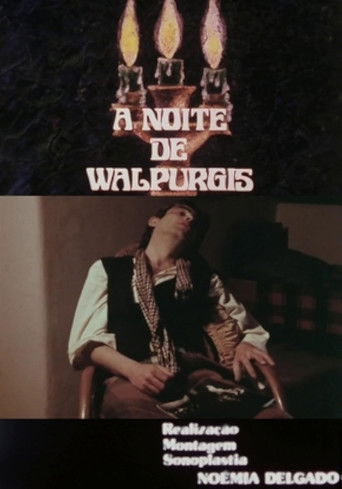
5.0A Noite de Walpurgis is a fantastic tale by Hugo Rocha, admittedly inspired by Goethe's Faust. The narrator-protagonist reveals a story told to him by a third person. Here the third person is an old peasant woman that the protagonist finds in a walk through the mountains, and that tells a story that in turn would have been told to her by the grandmother.
A Noite de Walpurgis
1983
The film is inspired by the Mário de Sá-Carneiro short story, where the narration is made by Professor Antena's assistant who walks by his side when he is run over in a perhaps enigmatic way.
A Estranha Morte do Professor Antena
1983
Behind the camera
5.0O Visconde is based on the same Álvaro do Carvalhal short story as Manoel de Oliveira's The Cannibals.
O Visconde
1980
5.0O Visconde is based on the same Álvaro do Carvalhal short story as Manoel de Oliveira's The Cannibals.
O Visconde
1980
Based on an Eça de Queiroz incursion into fantastic literature.
O Defunto
1981
Based on an Eça de Queiroz incursion into fantastic literature.
O Defunto
1981
Siren's Song is inspired on a story by Júlio Dinis, in an place populated by characters taken from Greek mythology.
The Siren's Song
1983
Siren's Song is inspired on a story by Júlio Dinis, in an place populated by characters taken from Greek mythology.
The Siren's Song
1983
4.5“A Princesinha das Rosas” is about Naíde, a girl born from the union between a fisherman and a mermaid, adopted by monarchs of a country with no heirs, but to whom the call of the waters will inevitably attract.
A Princesinha das Rosas
1981
4.5“A Princesinha das Rosas” is about Naíde, a girl born from the union between a fisherman and a mermaid, adopted by monarchs of a country with no heirs, but to whom the call of the waters will inevitably attract.
A Princesinha das Rosas
1981
5.0A Noite de Walpurgis is a fantastic tale by Hugo Rocha, admittedly inspired by Goethe's Faust. The narrator-protagonist reveals a story told to him by a third person. Here the third person is an old peasant woman that the protagonist finds in a walk through the mountains, and that tells a story that in turn would have been told to her by the grandmother.
A Noite de Walpurgis
1983
5.0A Noite de Walpurgis is a fantastic tale by Hugo Rocha, admittedly inspired by Goethe's Faust. The narrator-protagonist reveals a story told to him by a third person. Here the third person is an old peasant woman that the protagonist finds in a walk through the mountains, and that tells a story that in turn would have been told to her by the grandmother.
A Noite de Walpurgis
1983
The film is inspired by the Mário de Sá-Carneiro short story, where the narration is made by Professor Antena's assistant who walks by his side when he is run over in a perhaps enigmatic way.
A Estranha Morte do Professor Antena
1983
The film is inspired by the Mário de Sá-Carneiro short story, where the narration is made by Professor Antena's assistant who walks by his side when he is run over in a perhaps enigmatic way.
A Estranha Morte do Professor Antena
1983
 NR
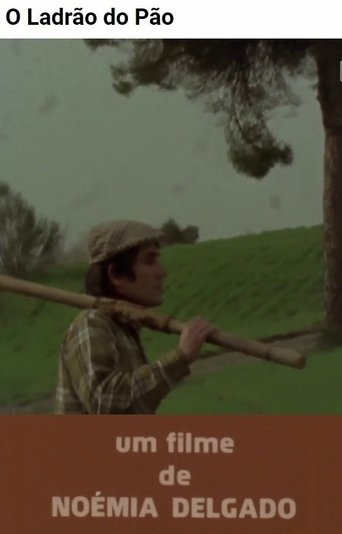
NRA fiction from the series "Contos Tradicionais Portugueses," based on a poem by Alexandre O'Neil, telling the story of a fisherman tired of the sea, who departs to conquer a new life on land.
O Ladrão do Pão
2026
Short film made alongside Máscaras (1976).
Sol e Sombra
1976
It is an incomplete segment of a larger project—the script of which is known. The footage corresponds to the rushes filmed at the time. It is associated with the most militant phase of her work, featuring a recording of a LUAR rally in the Algarve and interviews conducted by Noémia with residents of shantytowns—though the audio for these interviews is missing.
Filme do Comício de Faro – Luar
—
 NR
NRProgram of biographical character on Eça de Queiroz, writer, with emphasis on his literary work and respective themes, illustrated with interpretations of actors.
Eça de Queiroz: Notas Breves Sobre
1978
 5.0
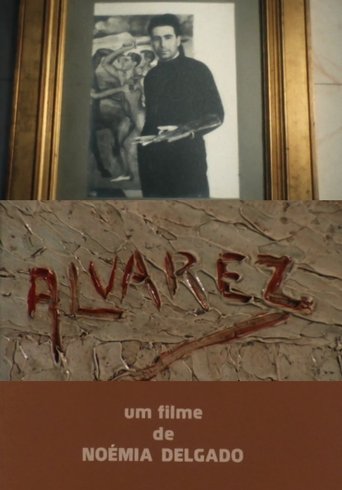
5.0Documentary about the life and work of the painter Dominguez Alvarez, interspersed with fictionalized staging of some moments of the life of the artist.
Quem Foste, Alvarez?
1988
 NR
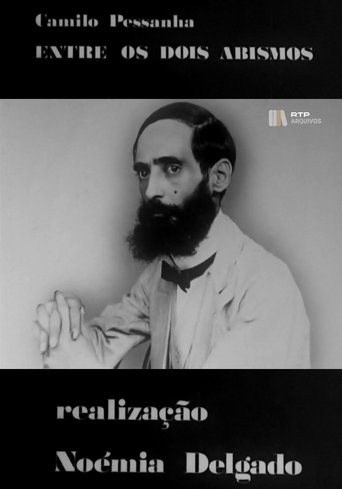
NRBiographical program on Camilo Pessanha, a poet associated with the movement of symbolism in the Portuguese language, led by Danilo Barreiros, writer and researcher, highlighting his stay in Macao and the influence that Chinese culture and art had on his work.
Camilo Pessanha: Entre os Dois Abismos
1978
 NR
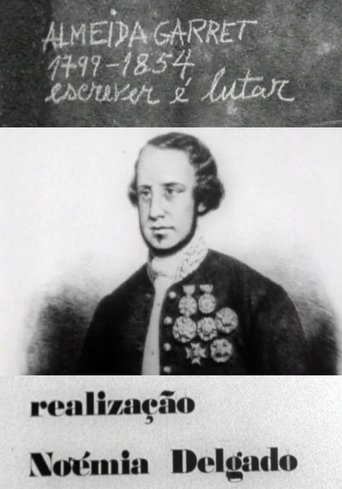
NRA biographical program about Almeida Garrett, poet and playwright, from a historical perspective, highlighting his involvement with liberalism, political career and his role as the driving force of the theater in Portugal.
Almeida Garrett 1799-1854: Escrever é Lutar
1978
 NR
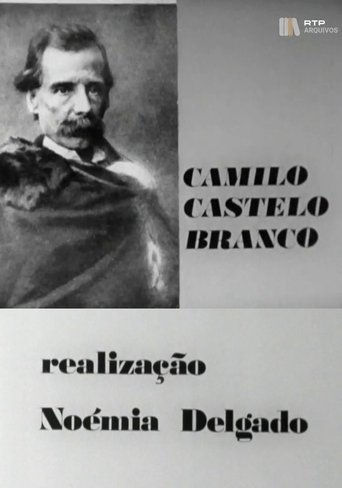
NRProgram of biographical character, about Camilo Castelo Branco. Poetically, it recreates the passage of the melancholy presence of the writer, lonely by the land, while an old storyteller shares the biography of the renowned author for simple people of a humble settlement.
Camilo Castelo Branco
1979
Commissioned by Torralta and, marking the filmmaker's first foray into directing, portrays architecture as a reflection of society.
Mafra e o Barroco Europeu
—
 NR
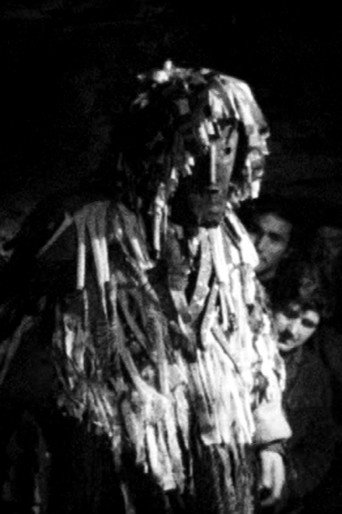
NRShort film made alongside Máscaras (1976).
Ensaio no Moinho
1976
Tiaga tells the story of a poor old woman, played by Isabel de Castro, to whom a good wizard offers the gift of youth to reward the help she provided him. A version of “Faust” seen through the female eye and featuring some unusual moments, such as a shot of a black goat while José Afonso sings, as well as nightmare sequences in which Tiaga is chased by the devil.
Tiaga
1981
Tiaga tells the story of a poor old woman, played by Isabel de Castro, to whom a good wizard offers the gift of youth to reward the help she provided him. A version of “Faust” seen through the female eye and featuring some unusual moments, such as a shot of a black goat while José Afonso sings, as well as nightmare sequences in which Tiaga is chased by the devil.
Tiaga
1981
 7.3
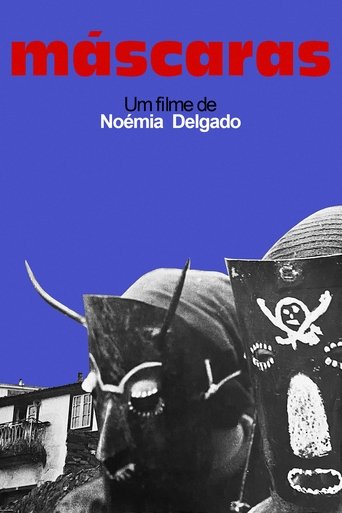
7.3The film sought to portray a relatively unknown and isolated rural world and, through a highly politicized discourse, affirmed the genuineness of “folk culture.” Representative of the new documentary film movement that developed in Portugal after the revolution, the movie encouraged the local retrieval of the Caretos tradition. A ritual that seemed to be doomed by the conjoined impact of emigration, the colonial war and the crisis of agriculture was thus brought back to life. - Paulo Raposo
Masks
1976
7.3The film sought to portray a relatively unknown and isolated rural world and, through a highly politicized discourse, affirmed the genuineness of “folk culture.” Representative of the new documentary film movement that developed in Portugal after the revolution, the movie encouraged the local retrieval of the Caretos tradition. A ritual that seemed to be doomed by the conjoined impact of emigration, the colonial war and the crisis of agriculture was thus brought back to life. - Paulo Raposo
Masks
1976