
Directing
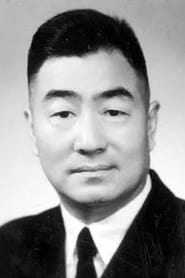
Shen Fu
Born — Died
1905-03-23 — 1994-04-27
Place of birth
Tianjin, China
Known for
Directing
Credits
24 titles
Known for
 NR
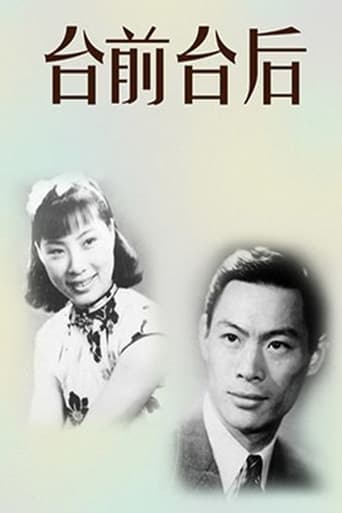
NRWhen the top diva of an opera troupe storms off after not getting money upfront from their manager, a common street performer comes in to replace her.
The Front and the Back of the Stage
1937
 NR
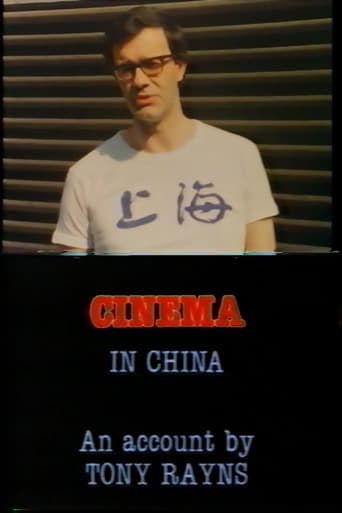
NRHistory of filmmaking in China from its beginnings in the 1920s to 1982, featuring Shanghai cinema of 1930s; the progressive filmmakers; the organisation of filmmaking under the post-war communist government; the impact of the Cultural Revolution; the work of Xie Jin.
Visions Cinema: Cinema in China - An Account by Tony Rayns
1983
 6.4
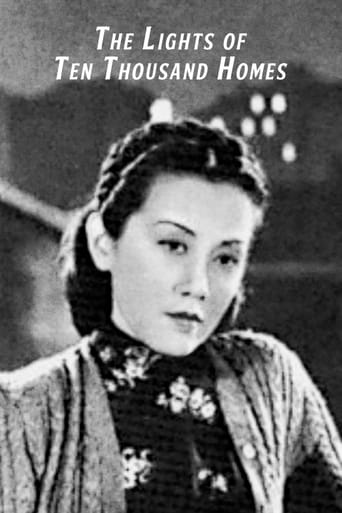
6.4This tale of familial warfare and sacrifice takes place in hard-pressed Shanghai at the end of the 1940s. Hu Zhiqing can barely support his wife and children, and his situation is worsened by the unexpected arrival of his mother, brother and sister-in-law. When he is fired by his unscrupulous boss, the whole family becomes embroiled in one emotional/economic struggle after another.
The Lights of Ten Thousand Homes
1948
 6.7
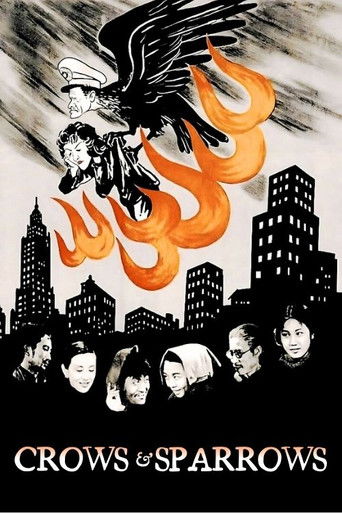
6.7A story of a corrupt party official who attempts to sell an apartment building he has appropriated from the original owner and the struggles of the tenants to prevent themselves being thrown onto the street.
Crows and Sparrows
1949
 NR
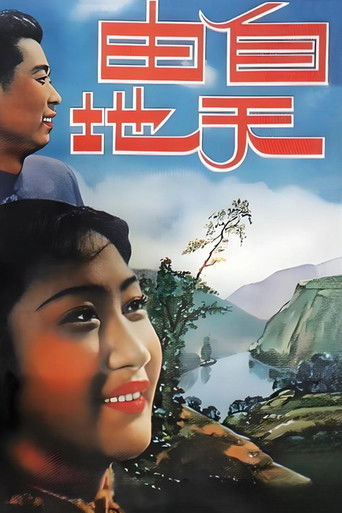
NRNo synopsis available yet.
自由天地
1937
 6.0
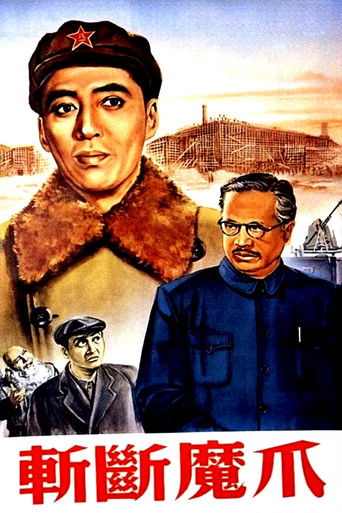
6.0No synopsis available yet.
Cut the Evil’s Claw
1954
Film credits
1930s · 3 titles
NRWhen the top diva of an opera troupe storms off after not getting money upfront from their manager, a common street performer comes in to replace her.
The Front and the Back of the Stage
1937
 NR
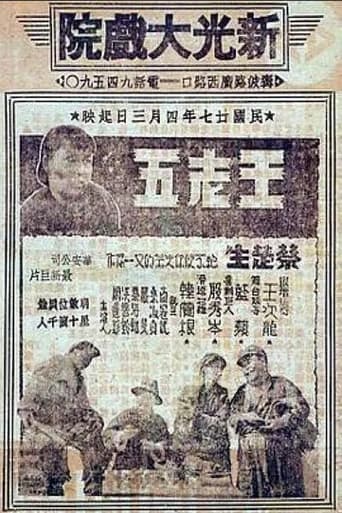
NROld Shanghai
Wang Laowu
1937
 9.0
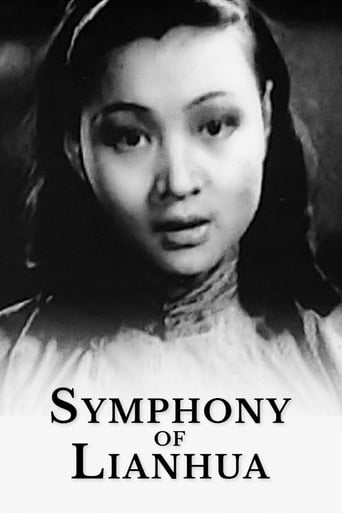
9.0"Lianhua Symphony" - a small collection, consisting of eight short films shot in 1937 by young filmmakers Shanghai Lianhua Film Company. Part 1: Two Yuans (兩毛錢) directed by Situ Huimin / Part 2: Nightmares in Spring Chamber (春閨斷夢) directed by Fei Mu / Part 3: The Stranger (陌生人) directed by Tan Youliu / Part 4: Three Friends (三人行) directed by Shen Fu / Part 5: Landscape Under the Moonlight (月下小景) directed by He Mengfu / Part 6: The Ghost (鬼) directed by Zhu Shilin / Part 7: Rhapsody of a Madman (瘋人狂想曲) directed by Sun Yu / Part 8: Five Little Brothers (小五義) directed by Cai Chusheng
Symphony of Lianhua
1937
Behind the camera
6.4This tale of familial warfare and sacrifice takes place in hard-pressed Shanghai at the end of the 1940s. Hu Zhiqing can barely support his wife and children, and his situation is worsened by the unexpected arrival of his mother, brother and sister-in-law. When he is fired by his unscrupulous boss, the whole family becomes embroiled in one emotional/economic struggle after another.
The Lights of Ten Thousand Homes
1948
6.4This tale of familial warfare and sacrifice takes place in hard-pressed Shanghai at the end of the 1940s. Hu Zhiqing can barely support his wife and children, and his situation is worsened by the unexpected arrival of his mother, brother and sister-in-law. When he is fired by his unscrupulous boss, the whole family becomes embroiled in one emotional/economic struggle after another.
The Lights of Ten Thousand Homes
1948
6.7A story of a corrupt party official who attempts to sell an apartment building he has appropriated from the original owner and the struggles of the tenants to prevent themselves being thrown onto the street.
Crows and Sparrows
1949
NRNo synopsis available yet.
自由天地
1937
6.0No synopsis available yet.
Cut the Evil’s Claw
1954
 7.5
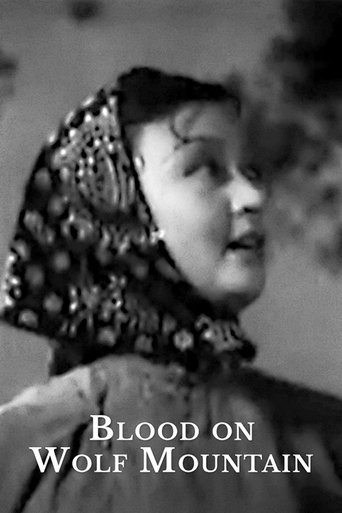
7.5Blood on Wolf Mountain tells the story of a village that is beset by a pack of wolves. Made just prior to the commencement of full-scale war with the Japanese, the film itself is often considered an allegory of conflict between China and Japan.
Blood on Wolf Mountain
1936
 8.0
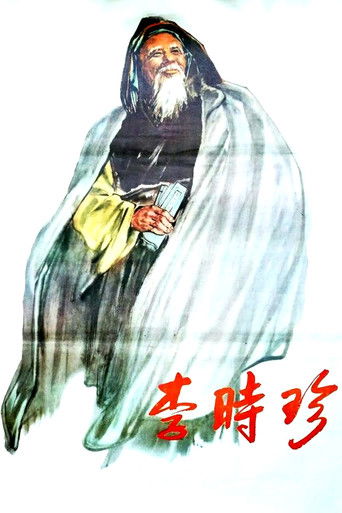
8.0This biography film is based on the life of the real historical figure Li Shizhen.The story focuses on the social injustices suffered by Li as well as the difficulties he overcame in writing the famous Encyclopedia of Herbs.
Li Shizhen
1956
 8.0
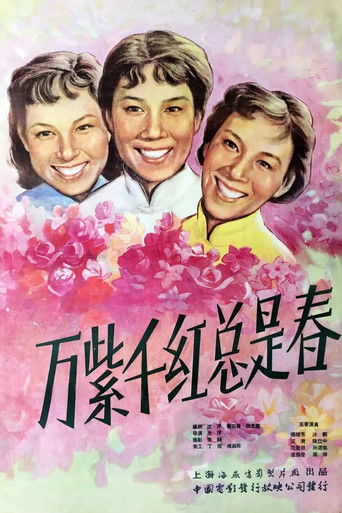
8.0In the late 1950s, during China’s Great Leap Forward, Shanghai housewives participated, supported by Dai Mama from the neighbourhood committee. Liu Mama opposed her daughter-in-law Wang Caifeng’s involvement, wanting her to stay home, but her son Liu Genfa supported Caifeng. Zheng Baoqing also opposed his wife Cai Guizhen joining the production group, but Cai ignored him, organised her household, and led the sewing group. Dai Mama helped persuade Zheng Baoqing to change his mind. Lu Afeng joined the sewing group out of fear they would borrow her machine but felt ashamed when they made coats for the children’s welfare home.
Spring is Splendid Color
1959
8.0In the late 1950s, during China’s Great Leap Forward, Shanghai housewives participated, supported by Dai Mama from the neighbourhood committee. Liu Mama opposed her daughter-in-law Wang Caifeng’s involvement, wanting her to stay home, but her son Liu Genfa supported Caifeng. Zheng Baoqing also opposed his wife Cai Guizhen joining the production group, but Cai ignored him, organised her household, and led the sewing group. Dai Mama helped persuade Zheng Baoqing to change his mind. Lu Afeng joined the sewing group out of fear they would borrow her machine but felt ashamed when they made coats for the children’s welfare home.
Spring is Splendid Color
1959
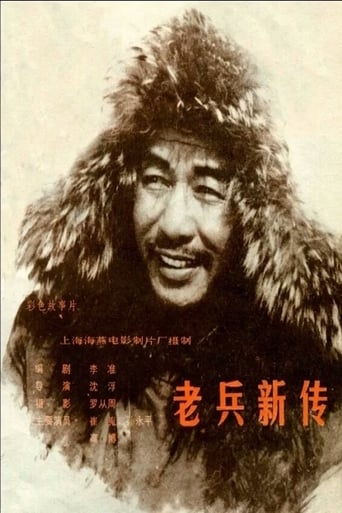 6.0
6.0A soldier finds his new role in the transition from war time to the construction era.
New Story of an Old Soldier
1959
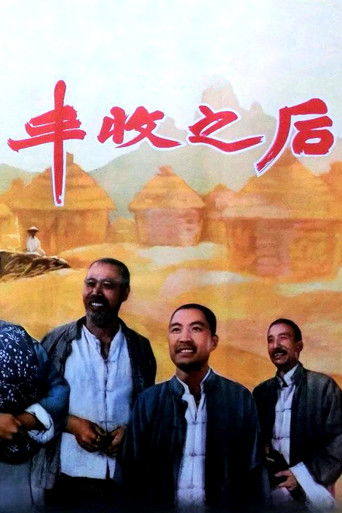 9.0
9.0No synopsis available yet.
丰收之后
1964
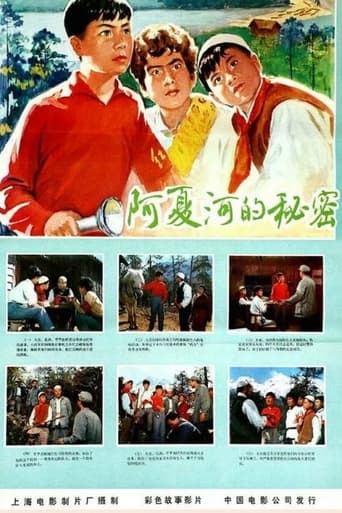 NR
NRThe Secrets Of The A'xia River
The Secrets Of The A'xia River
1976
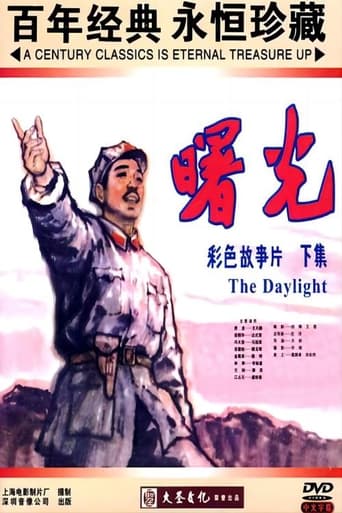 9.0
9.0No synopsis available yet.
曙光
1979
9.0"Lianhua Symphony" - a small collection, consisting of eight short films shot in 1937 by young filmmakers Shanghai Lianhua Film Company. Part 1: Two Yuans (兩毛錢) directed by Situ Huimin / Part 2: Nightmares in Spring Chamber (春閨斷夢) directed by Fei Mu / Part 3: The Stranger (陌生人) directed by Tan Youliu / Part 4: Three Friends (三人行) directed by Shen Fu / Part 5: Landscape Under the Moonlight (月下小景) directed by He Mengfu / Part 6: The Ghost (鬼) directed by Zhu Shilin / Part 7: Rhapsody of a Madman (瘋人狂想曲) directed by Sun Yu / Part 8: Five Little Brothers (小五義) directed by Cai Chusheng
Symphony of Lianhua
1937
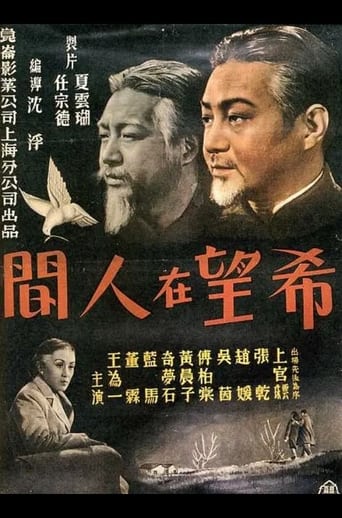 8.0
8.0Hope to the World
Hope in the World
1949
8.0Hope to the World
Hope in the World
1949
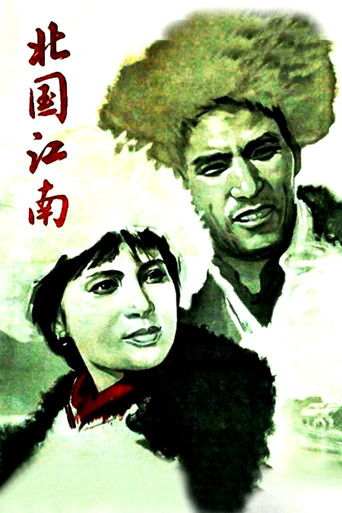 8.0
8.0Set in 1950s, a village in north China. Wu - the director of the commune leads people to dig wells and fight against drought in order to change their hometown's look.
Southern Lands in the North
1963
 NR
NRNo synopsis available yet.
纺花曲
1952
A serialized propaganda epic that portrays the conflicts among Party leaders in the 1930s
Dawn
1979
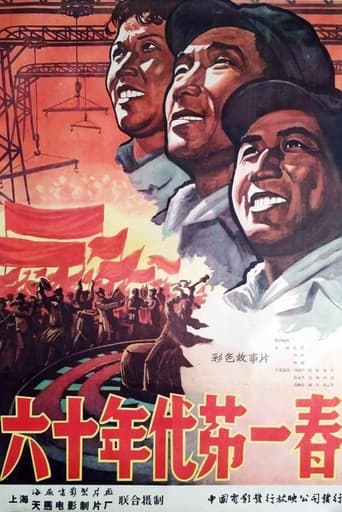 9.0
9.0No synopsis available yet.
六十年代第一春
—