
Directing
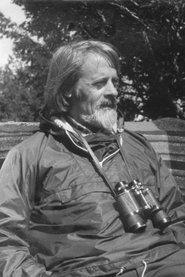
Patrick Carey
Born — Died
1916-01-01 — 1994-01-01
Known for
Directing
Credits
15 titles
Known for
 8.4
8.4This lyrical film opens with a quote from Irish mythology where Oisín describes Irish birdsong as ‘the sweetest in the world’ and urges us to ‘Stop and listen!’ What follows is a stunning, non-narrated depiction of Irish birds, animals and landscapes. Oisín was commissioned by the Department of Land of Ireland as a contribution to the European Conservation Year.
Oisín
1970
 7.0
7.0Waves is a visually breathtaking film about the power of the sea. Capturing the Atlantic Ocean in various moods as it crashes against the Irish coasts, the film is a hymn to the relentless power and endless beauty of this elemental force of nature. With coastal scenes harking back to the majesty of Flaherty’s Man of Aran (1934), Carey offers a unique sea-centred depiction of the islands as his painterly cinematography offers mesmerising images of roiling seas, waves crashing against the Aran rocks, sunsets and a golden full moon. John Taylor, friend and colleague of Carey, had originally worked on Man of Aran and filmed some of the additional photography in Waves.
Waves
1973
 9.0
9.0Reflections – Ireland is a stunning, non-narrated tourist film with accompanying music by Paddy Moloney and The Chieftains. Many of Paddy Carey films depict a scarcity of civilisation, an untouched landscape, but here he treats the viewer to the beauties of landscape interwoven with a vivid tapestry of human activity: anglers in a lively river; bird-watchers at work; sheep farmers; horse riders; seaweed gatherers. A nighttime sequence shows people gathering in an unidentified village for music in a cosy pub.
Reflections – Ireland
1977
 10.0
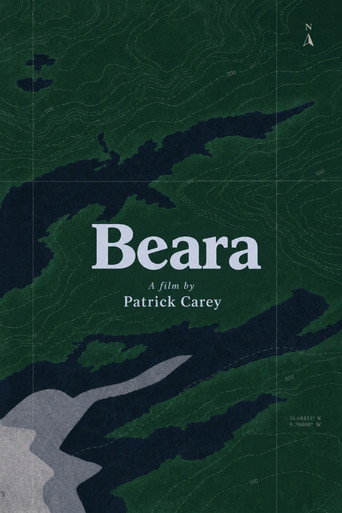
10.0An exploration of the wild desolation of West Cork, Beara is a landscape film featuring the unique flora and fauna of the Beara Peninsula off the coast of Cork. The film begins with a slow zoom in on the Beara Peninsula on a map of Ireland. What follows is a breathtaking depiction of nature. Raging waterfalls, stunning water reflections, turbulent waves, sea cliffs, bathing birds and nesting puffins form some of the striking imagery of this film.
Beara
1979
 6.0
6.0Mists of Time is a poetic, visual portrait of the mythology surrounding Ireland’s megalithic tombs and standing stones. The monumental dolmen and passage graves of Ireland, once burial grounds from the Late Stone Age, are depicted alongside tales of the pagan Halloween festival, Samhain. Dramatic cinematography depicting sunsets and tombs at the Burren, Country Clare, and Newgrange, County Meath (Ireland’s best-known passage grave) is underscored by the music of Brian Boydell.
Mists of Time
1968
 NR
NRThis documentary is set against the scenic backdrop of Mount Errigal in County Donegal. The mountains of Donegal are depicted like fairytale characters, where the hero Mount Errigal competes with neighbouring villain Mount Muckish. A fantastical narrative explains that the landscape is ‘a battleground where the weapons are the elements themselves’. Dramatic footage of storms and lightning blends with a superb score by Irish composer Brian Boydell.
Errigal
1970
Behind the camera
8.4This lyrical film opens with a quote from Irish mythology where Oisín describes Irish birdsong as ‘the sweetest in the world’ and urges us to ‘Stop and listen!’ What follows is a stunning, non-narrated depiction of Irish birds, animals and landscapes. Oisín was commissioned by the Department of Land of Ireland as a contribution to the European Conservation Year.
Oisín
1970
8.4This lyrical film opens with a quote from Irish mythology where Oisín describes Irish birdsong as ‘the sweetest in the world’ and urges us to ‘Stop and listen!’ What follows is a stunning, non-narrated depiction of Irish birds, animals and landscapes. Oisín was commissioned by the Department of Land of Ireland as a contribution to the European Conservation Year.
Oisín
1970
7.0Waves is a visually breathtaking film about the power of the sea. Capturing the Atlantic Ocean in various moods as it crashes against the Irish coasts, the film is a hymn to the relentless power and endless beauty of this elemental force of nature. With coastal scenes harking back to the majesty of Flaherty’s Man of Aran (1934), Carey offers a unique sea-centred depiction of the islands as his painterly cinematography offers mesmerising images of roiling seas, waves crashing against the Aran rocks, sunsets and a golden full moon. John Taylor, friend and colleague of Carey, had originally worked on Man of Aran and filmed some of the additional photography in Waves.
Waves
1973
7.0Waves is a visually breathtaking film about the power of the sea. Capturing the Atlantic Ocean in various moods as it crashes against the Irish coasts, the film is a hymn to the relentless power and endless beauty of this elemental force of nature. With coastal scenes harking back to the majesty of Flaherty’s Man of Aran (1934), Carey offers a unique sea-centred depiction of the islands as his painterly cinematography offers mesmerising images of roiling seas, waves crashing against the Aran rocks, sunsets and a golden full moon. John Taylor, friend and colleague of Carey, had originally worked on Man of Aran and filmed some of the additional photography in Waves.
Waves
1973
9.0Reflections – Ireland is a stunning, non-narrated tourist film with accompanying music by Paddy Moloney and The Chieftains. Many of Paddy Carey films depict a scarcity of civilisation, an untouched landscape, but here he treats the viewer to the beauties of landscape interwoven with a vivid tapestry of human activity: anglers in a lively river; bird-watchers at work; sheep farmers; horse riders; seaweed gatherers. A nighttime sequence shows people gathering in an unidentified village for music in a cosy pub.
Reflections – Ireland
1977
9.0Reflections – Ireland is a stunning, non-narrated tourist film with accompanying music by Paddy Moloney and The Chieftains. Many of Paddy Carey films depict a scarcity of civilisation, an untouched landscape, but here he treats the viewer to the beauties of landscape interwoven with a vivid tapestry of human activity: anglers in a lively river; bird-watchers at work; sheep farmers; horse riders; seaweed gatherers. A nighttime sequence shows people gathering in an unidentified village for music in a cosy pub.
Reflections – Ireland
1977
10.0An exploration of the wild desolation of West Cork, Beara is a landscape film featuring the unique flora and fauna of the Beara Peninsula off the coast of Cork. The film begins with a slow zoom in on the Beara Peninsula on a map of Ireland. What follows is a breathtaking depiction of nature. Raging waterfalls, stunning water reflections, turbulent waves, sea cliffs, bathing birds and nesting puffins form some of the striking imagery of this film.
Beara
1979
6.0Mists of Time is a poetic, visual portrait of the mythology surrounding Ireland’s megalithic tombs and standing stones. The monumental dolmen and passage graves of Ireland, once burial grounds from the Late Stone Age, are depicted alongside tales of the pagan Halloween festival, Samhain. Dramatic cinematography depicting sunsets and tombs at the Burren, Country Clare, and Newgrange, County Meath (Ireland’s best-known passage grave) is underscored by the music of Brian Boydell.
Mists of Time
1968
6.0Mists of Time is a poetic, visual portrait of the mythology surrounding Ireland’s megalithic tombs and standing stones. The monumental dolmen and passage graves of Ireland, once burial grounds from the Late Stone Age, are depicted alongside tales of the pagan Halloween festival, Samhain. Dramatic cinematography depicting sunsets and tombs at the Burren, Country Clare, and Newgrange, County Meath (Ireland’s best-known passage grave) is underscored by the music of Brian Boydell.
Mists of Time
1968
NRThis documentary is set against the scenic backdrop of Mount Errigal in County Donegal. The mountains of Donegal are depicted like fairytale characters, where the hero Mount Errigal competes with neighbouring villain Mount Muckish. A fantastical narrative explains that the landscape is ‘a battleground where the weapons are the elements themselves’. Dramatic footage of storms and lightning blends with a superb score by Irish composer Brian Boydell.
Errigal
1970
NRThis documentary is set against the scenic backdrop of Mount Errigal in County Donegal. The mountains of Donegal are depicted like fairytale characters, where the hero Mount Errigal competes with neighbouring villain Mount Muckish. A fantastical narrative explains that the landscape is ‘a battleground where the weapons are the elements themselves’. Dramatic footage of storms and lightning blends with a superb score by Irish composer Brian Boydell.
Errigal
1970
 6.5
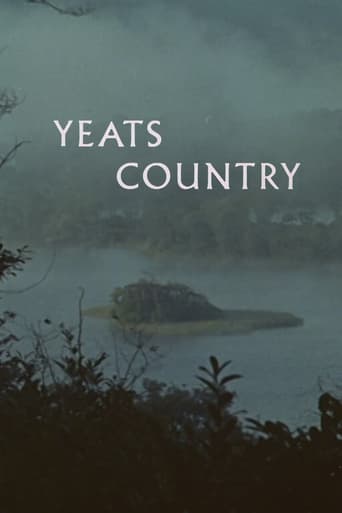
6.5Yeats Country is a lyrical film commissioned by the Department of Foreign Affairs to commemorate the centenary of the birth of William Butler Yeats. The first Irish film by cinematographer and director Patrick Carey celebrates the landscape of Yeats’ poetry through stunning photography, narrated by Tom St. John Barry. Evocative images of the west of Ireland illustrate the poet’s life including Thoor Ballylee Castle where he lived, Coole Park, home of Lady Gregory where literary figures of the period socialised, Lissadell House, Knocknarea Mountain, the slopes of Ben Bulben, the waterfall at Glencar and finally Yeats’ grave at Drumcliffe. It was nominated for an Academy Award for Best Documentary Short in 1966.
Yeats Country
1965
6.5Yeats Country is a lyrical film commissioned by the Department of Foreign Affairs to commemorate the centenary of the birth of William Butler Yeats. The first Irish film by cinematographer and director Patrick Carey celebrates the landscape of Yeats’ poetry through stunning photography, narrated by Tom St. John Barry. Evocative images of the west of Ireland illustrate the poet’s life including Thoor Ballylee Castle where he lived, Coole Park, home of Lady Gregory where literary figures of the period socialised, Lissadell House, Knocknarea Mountain, the slopes of Ben Bulben, the waterfall at Glencar and finally Yeats’ grave at Drumcliffe. It was nominated for an Academy Award for Best Documentary Short in 1966.
Yeats Country
1965
6.5Yeats Country is a lyrical film commissioned by the Department of Foreign Affairs to commemorate the centenary of the birth of William Butler Yeats. The first Irish film by cinematographer and director Patrick Carey celebrates the landscape of Yeats’ poetry through stunning photography, narrated by Tom St. John Barry. Evocative images of the west of Ireland illustrate the poet’s life including Thoor Ballylee Castle where he lived, Coole Park, home of Lady Gregory where literary figures of the period socialised, Lissadell House, Knocknarea Mountain, the slopes of Ben Bulben, the waterfall at Glencar and finally Yeats’ grave at Drumcliffe. It was nominated for an Academy Award for Best Documentary Short in 1966.
Yeats Country
1965
 6.3
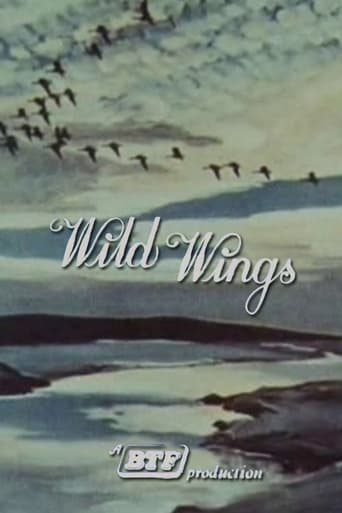
6.3Exploration of the Slimbridge Wild Fowl Trust in Gloucestershire, England, which boasts the largest collection of living wild fowl in the world.
Wild Wings
1966