
Directing
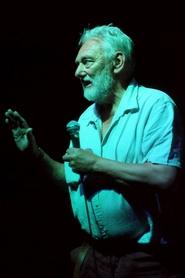
Malcolm Le Grice
Born — Died
1940-05-15 — 2024-12-03
Place of birth
Plymouth, England, United Kingdom
Known for
Directing
Credits
48 titles
Born in May 1940, Malcolm Le Grice started as a painter but began to make film and computer works in the mid 1960's. Since then he has shown regularly in Europe and the USA and his work has been screened in many international film festivals. He has also shown in major art exhibitions like the Paris Biennale No.8, Arte Inglese Oggi, Milan, Une Histoire du Cinema, Paris, Documenta 6, Kassel, X-Screen at the Museum of Modern Art, Vienna, and Behind the Facts at the Fondacion Joan Miro, Barcelona. His work has been screened at the Museum of Modern Art, New York, the Louvre Museum in Paris and the Tate Modern and Tate Britain in London and is in permanent collections including: the Centre Georges…
Known for
 7.0
7.0Two fragments of 8mm home-movie footage shot by the artist near Berlin weave together in repeating cycles of action, temporal manipulation, and colour distortion, heightening the viewer’s awareness of film-time and the film-image, and perception of colour in motion.
Berlin Horse
1970
 4.2
4.2An anthology of one-minute films created by 51 international filmmakers on the theme of the death of cinema. Intended as an ode to 35mm, the film was screened one time only on a purpose-built 20x12 meter public cinema screen in the Port of Tallinn, Estonia, on 22 December 2011. A special projector was constructed for the event which allowed the actual filmstrip to be burnt at the same time as the film was shown.
60 Seconds of Solitude in Year Zero
2011
 NR
NRHome movies shot on Super 8mm by W+B Hein over 10 years.
Home Movies 1971-81
1985
 7.0
7.0Jonas Mekas assembles 160 portraits, appearances, and fleeting sketches of underground and independent filmmakers captured between 1955 and 1996. Fast-paced and archival in spirit, the film celebrates the avant-garde as its own “nation of cinema,” a vital community existing outside the dominance of commercial film.
Birth of a Nation
1997
 NR
NRMusic J S Bach digitally reconstructed by Le Grice.
DENISINED - SINEDENIS
2006
 NR
NRDocumentary about British Art in the 60's produced by the BBC starting with Fraser and Kasmin, moving to the modern sculpture movement lead by Caro largely at Central Saint Martins, and finishing with political and performance art in London.
Art & the 60s
2004
Film credits
1990s · 2 titles
7.0Jonas Mekas assembles 160 portraits, appearances, and fleeting sketches of underground and independent filmmakers captured between 1955 and 1996. Fast-paced and archival in spirit, the film celebrates the avant-garde as its own “nation of cinema,” a vital community existing outside the dominance of commercial film.
Birth of a Nation
1997
 9.0
9.0Several well-known and pioneering abstract filmmakers discuss the history of non-objective cinema, the works of those that came before them and their own experiments in the field of visionary filmmaking.
Abstract Cinema
1993
1970s · 3 titles
 NR
NRLe déjeuner sur l’herbe is simultaneously perceived from four different camera positions in a work which engages with the pro-filmic in order to question documentation, illusion and the film viewing process.
After Manet, After Giorgione – Le Dejeuner sur l'Herbe or Fete Champetre
1975
 6.0
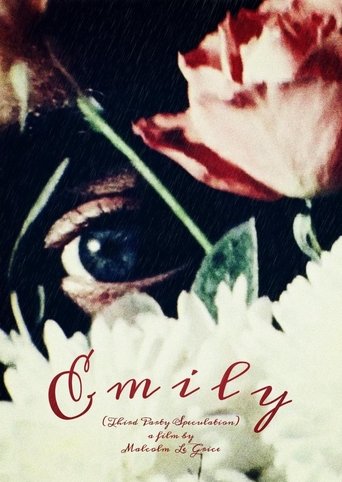
6.0Emily - Third Party Speculation is the second of a ‘domestic trilogy’ exploring the relationship between the restricted camera viewpoint and the construction of documentary narrative. The other two films in the series are Blackbird Descending - tense alignment and Finnegan's Chin - temporal economy. Constructed around the repetition of ‘neutral’ domestic scenes, this film attempts to address the problems of identification in cinema.
Emily - Third Party Speculation
1979
 4.0
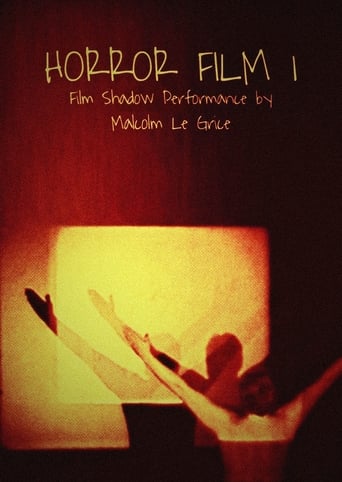
4.0Film shadow performance. "First presented in 1971 using three 16mm projectors each with a short loop of changing colour. Projected onto the same screen – the centre image large and the two side images smaller and superimposed into the centre of the larger screen. The performing body casts complex colour shadow. The action begins touching the screen and - passing through the space of the audience – it ends at the projectors. The actions are timed to an audio tape of breathing. Though improvised in detail to fit the particular time and place, the action follows a consistent pattern that has changed little since the first performance.".
Horror Film 1
1971
Behind the camera
7.0Two fragments of 8mm home-movie footage shot by the artist near Berlin weave together in repeating cycles of action, temporal manipulation, and colour distortion, heightening the viewer’s awareness of film-time and the film-image, and perception of colour in motion.
Berlin Horse
1970
7.0Two fragments of 8mm home-movie footage shot by the artist near Berlin weave together in repeating cycles of action, temporal manipulation, and colour distortion, heightening the viewer’s awareness of film-time and the film-image, and perception of colour in motion.
Berlin Horse
1970
4.2An anthology of one-minute films created by 51 international filmmakers on the theme of the death of cinema. Intended as an ode to 35mm, the film was screened one time only on a purpose-built 20x12 meter public cinema screen in the Port of Tallinn, Estonia, on 22 December 2011. A special projector was constructed for the event which allowed the actual filmstrip to be burnt at the same time as the film was shown.
60 Seconds of Solitude in Year Zero
2011
NRMusic J S Bach digitally reconstructed by Le Grice.
DENISINED - SINEDENIS
2006
 NR
NRArbitrary Logic, an interactive audio-visual synthesiser was first presented under the working title Osnabruk at the Osnabruk festival of 1987 and later as part of an improvised and computer music performance with Keith Rowe at the London Filmmakers Cooperative, December 1989.
Arbitrary Logic
1987
 6.4
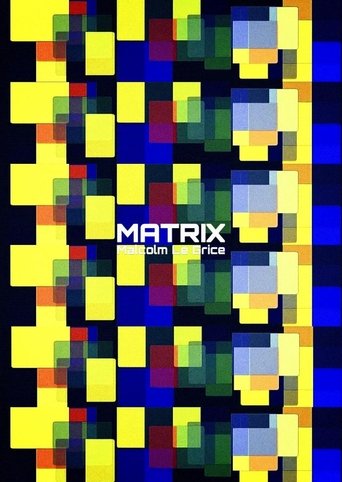
6.4Abstract art film made for gallery exhibition.
Matrix
1973
 NR
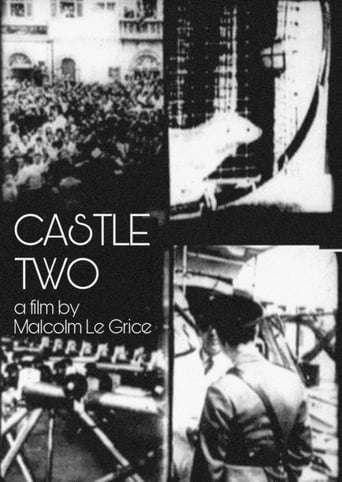
NRFound film sequences brought together in the paranoia of the cold war and Vietnam.
Castle Two
1968
 NR
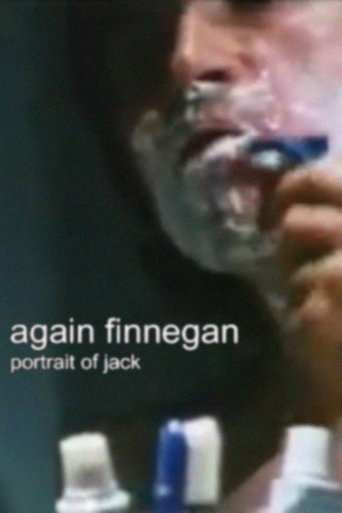
NROriginally shot as part of Finnegan’s Chin, this sequence is re-edited as a portrait of performer Jack Murray. It continues the fascination of the forever repeating folk round “I knew a man called Michael Finnegan....”.
Again Finnegan
2006
 NR
NRA brilliantly constructed, melancholic ode to the passing of time by Malcolm Le Grice.
Blackbird Descending - Tense Alignment
1977
 NR
NR‘Critical Moment One’ was an un-planned recording of a one-year old boy exploring shells and sand on a beach. Though the boy was my own grand-son, it was never seen as a ‘home-movie’ – the child’s face is never seen and it was shot over his shoulder - as close to his ‘point-of-view’ as I could get. As a young man and as my own children grew up, I was greatly intrigued by the book ‘The Construction of Reality in the Child’ by Swiss psychologist, Jean Piaget. Piaget made an exceptionally close observation of the changing stages of behavior of his own children which provided me with a conceptual framework for my own observations.
Critical Moments
2004
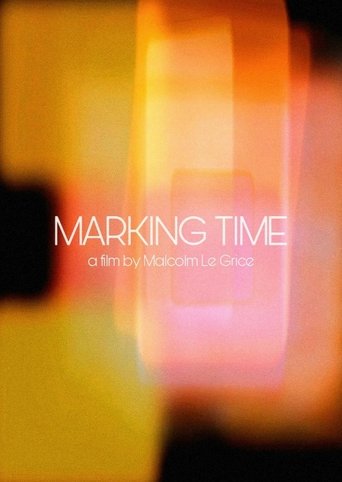 7.0
7.0"3D Video SBS (side by side) format. For viewing on 3D monitor or television" -Le Grice
Marking Time
2015
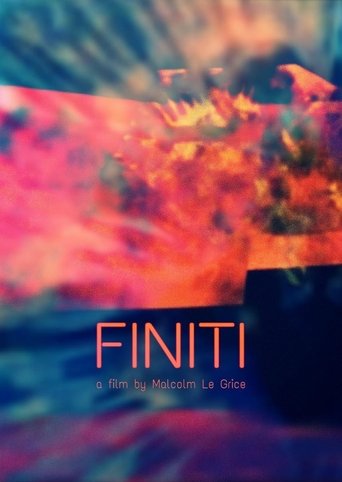 NR
NR[Originally] six virtual screens matted into three Blu-ray projections. First exhibited at the Centre Multimedia Gantner in 2011, then on an immersive 18 metre curved screen at Tate Britain in 2012. It explores an interplay between abstracted colour, personal imagery and war related newsreel, seeking a coherent set of linking themes. Perhaps an homage to Dziga Vertov. A single screen version was made in 2013 and shown in Millennium, New York and at Tate Britain.
Finiti
2011
 NR
NRIn October 2009 I did a show in Prague. I returned to the Kafka house of my ‘Benefit of Mr K’ but found the whole street and Castle area had become a tourist trap – so I wandered into the back-streets at the bottom of the hill and found a little local bar for a plate of sausage, mustard and strong brown bread. Intending to drink some wine I noticed that Absinthe was included in the drinks list so ordered it. I admitted to the bar-keeper that I had never had it before and he showed me how it should be mixed and flamed with sugar – and I recorded with my pocket video camera. With a little gesture to Picasso and Degas, I became the Absinthe Drinker.
Absinthe
2010
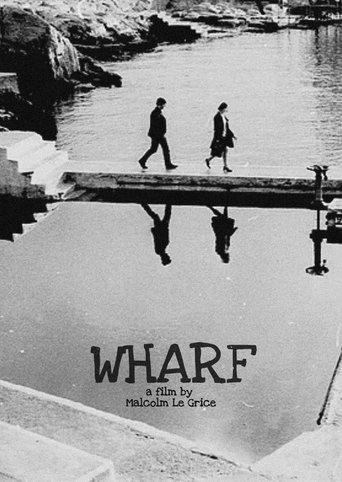 NR
NROriginally the work was presented as a pre-ordered sequence of 35mm slides showing two unknown people walking around the wall of a sea-side swimming pool. Switching between positive and negative focus on the mystery of the hidden and unresolved narrative between the ‘lovers?’. On occasions, this work was shown in superimposition with sections of the film Talla. Two sound tapes were mixed in improvisation. A digital video version has been made using the original slide sequence and audio tapes.
Wharf
1968
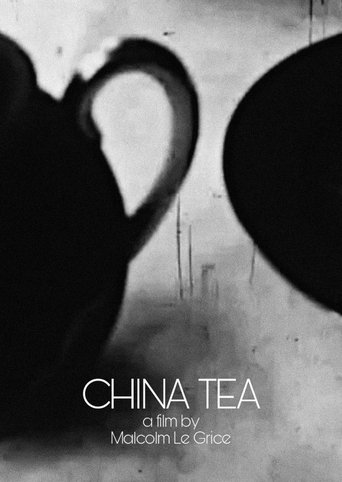 NR
NRShot with two 8mm cameras then projected side by side accompanied by an audio tape of "prepared piano".
China Tea
1965
 1.0
1.0An impromptu portrait of Jonas Mekas shot at the Serpentine Gallery, London on the occasion of a celebration of his 90th birthday. All made in a single take whilst Mekas videos Mike Figgis playing Flugel horn and Rosey Chan plays piano.
Jonas
2013
 6.3
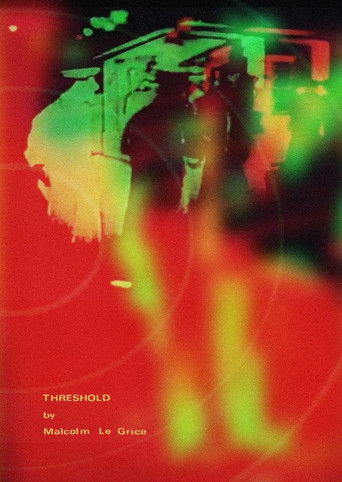
6.3Le Grice no longer simply uses the printer as a reflexive mechanism, but utilises the possibilities of colour-shift and permutation of imagery as the film progresses from simplicity to complexity… With the film’s culmination in representational, photographic imagery, one would anticipate a culminating “richness” of image; yet the insistent evidence of splice bars and the loop and repetition of the short piece of found footage and the conflicting superimposition of filtered loops all reiterate the work which is necessary to decipher that cinematic image. - Deke Dusinberre
Threshold
1972
6.3Le Grice no longer simply uses the printer as a reflexive mechanism, but utilises the possibilities of colour-shift and permutation of imagery as the film progresses from simplicity to complexity… With the film’s culmination in representational, photographic imagery, one would anticipate a culminating “richness” of image; yet the insistent evidence of splice bars and the loop and repetition of the short piece of found footage and the conflicting superimposition of filtered loops all reiterate the work which is necessary to decipher that cinematic image. - Deke Dusinberre
Threshold
1972
 NR
NRThe travelogue footage that appears here – the landscape rushing by, fragments of cityscapes, figures in cafes, forests, and beaches – is reminiscent of other videos made by Le Grice since the 1990s. The sense of foreboding is unique though. It comes across in the colours of the superimposed imagery: principally cold blues, a furnace-like orange and acid tones. The sound is similarly evocative. One might hear it as a rushing waterfall, a storm, or perhaps the sound of nuclear fallout as suggested by the title. The sublime, which Le Grice has often courted in his video work, is an apocalyptic variant in Strontium.
Strontium
2021
 NR
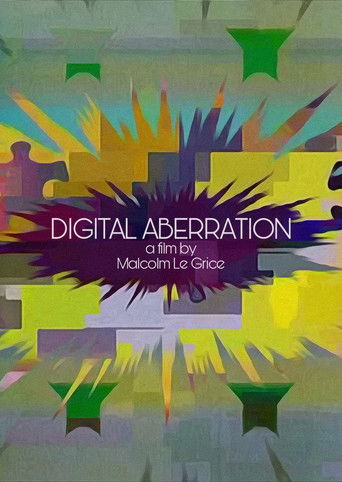
NREvery cheap visual effect in the editing package and a sound track made with free software from a corn-flakes packet.
Digital Aberration
2004
 NR
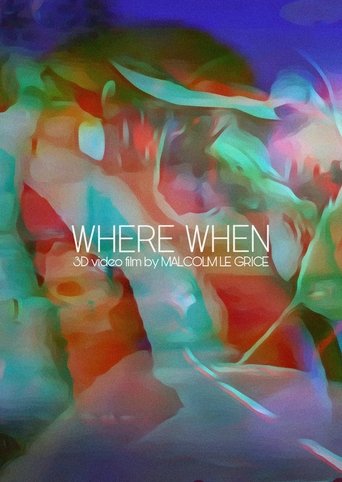
NRMalcolm Le Grice - 3D.
Where When
2015
 NR
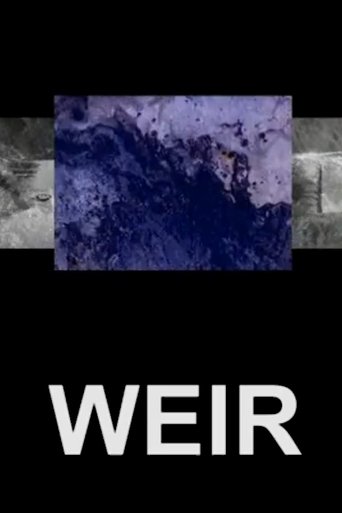
NRAn encounter with a small man-made waterfall presented in a triptych format.
Weir
1993
 NR
NRA video work based on video8 and hi8 material shot over six years. Chronos is the Titian – the time god who rules the universe – the flux in which events are born, mature and decay. The work explores video as a creative form of memory, it moves outwards from the particular and personal images of a diary – the fragmentary and inconsistent building blocks of memory – towards their transformation into more fundamental symbols in the cycles of days, seasons, birth and death. This transforming symbolic memory is all placed in the context of the social and political events of the world – particularly China and the Balkans – as they are encountered in the personal space.
Chronos Fragmented
1995
 NR
NRYes – just looping images of pigs on three screens with a tape sound track of a Chinese pop song.
Lucky Pigs
1970
 NR
NR"Like all the works I have done which refer directly to another artist, After Lumière… is not directly 'about' the Lumière original. It is the starting point for an investigation. In this case it is an investigation into consequentiality, or at least the significance of sequentiality in the construction of meaning and concept. As such, the film encroaches on 'narrative' cinema, but in a way which treats narrativization as problematic, not transparent." - Malcolm Le Grice
After Lumière – l'Arroseur arrosé
1974
NRLe déjeuner sur l’herbe is simultaneously perceived from four different camera positions in a work which engages with the pro-filmic in order to question documentation, illusion and the film viewing process.
After Manet, After Giorgione – Le Dejeuner sur l'Herbe or Fete Champetre
1975
 NR
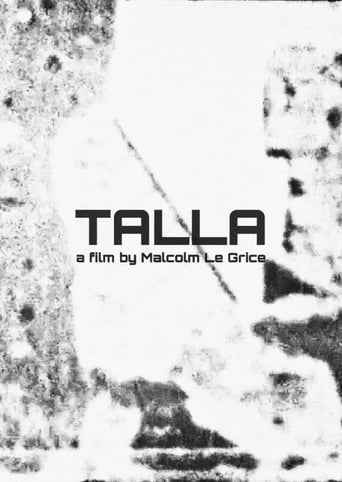
NRRocky, granite outcrops, a derelict quarry-worker and Dartmoor prison.
Talla
1967
 NR
NRA film made with found newsreel footage combined with sequences of a flashing light bulb. It is projected with a real flashing bulb hanging in front of the screen as a film performance.
Castle One (The Light Bulb Film)
1966
 NR
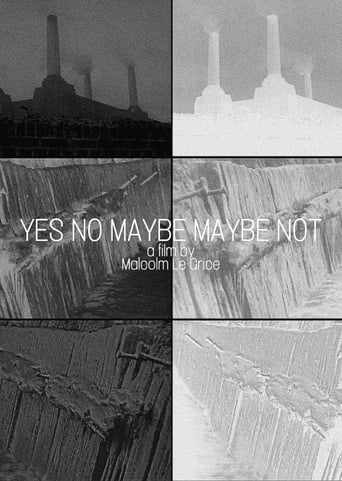
NRA double projection of images of lapping water and the Battersea Power Station all transformed by negative positive superimposition creating a moving Bas-Relief effect.
Yes No Maybe Maybe Not
1967
 NR
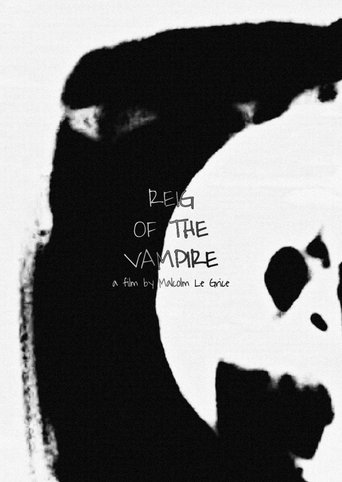
NRDirected by Malcolm Le Grice. "It nears the end of the political paranoid works using found military documentary images. It explores a complex form of loop permutation in both the image and sound track."
Reign of the Vampire
1970
 NR
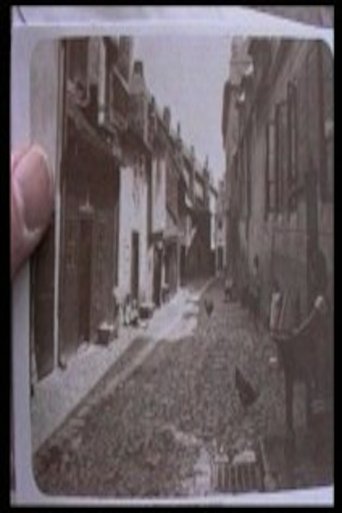
NRFrom the earliest point when I started to make film one of the biggest influence on my way of thinking came from Franz Kafka. In particular the titles ‘Castle One’ and ‘Castle Two’ made symbolic reference to Kafka’s book ‘The Castle’. In this book, like ‘The Trial’ the central fictitious but ‘first-person’ existential character was ‘K’ – clearly in part an oblique but intentional reference to Kafka’s own name. The short video sequence used in ‘For the Benefit of Mr. K’, was shot in the little street in Prague showing the small house in which Kafka wrote ‘The Trial’. The title is also a direct reference to the song by the Beatles. The sound track is a short sequence discovered by my son of the Beatles rehearsing this song in the Abbey Road recording studio.
For the Benefit of Mr. K
1995
6.0Emily - Third Party Speculation is the second of a ‘domestic trilogy’ exploring the relationship between the restricted camera viewpoint and the construction of documentary narrative. The other two films in the series are Blackbird Descending - tense alignment and Finnegan's Chin - temporal economy. Constructed around the repetition of ‘neutral’ domestic scenes, this film attempts to address the problems of identification in cinema.
Emily - Third Party Speculation
1979
 NR
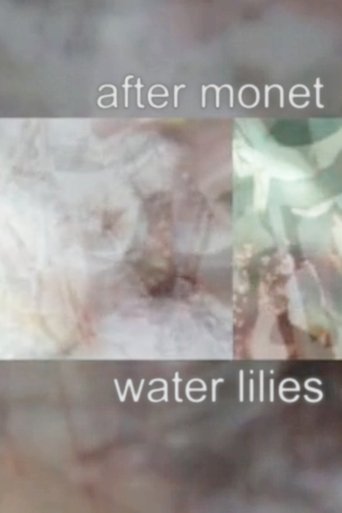
NR"My experience of Monet’s large-scale panoramic paintings of his water lily garden when I was about 14 years old became a crucial artistic memory. There have been a number of versions of the material I shot in about 1984 of water lilies and reeds in a pond. This [...] is the latest version and is part of work on a larger project ‘Treatise’ still in process." -MLG
After Monet Water Lilies
2008
 NR
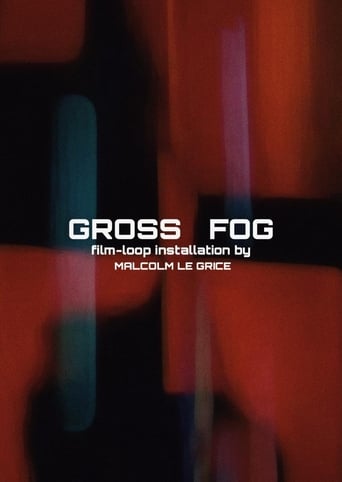
NRLoops. "A four screen film projection onto four vertically placed screens, which span the gallery space from floor to ceiling. The wall surface is transformed into a rippling column of colour, accompanied by a soundtrack of running water. First shown as part of the Film Action and Installation show at Gallery House, London, in March 1973.".
Gross Fog
1973
 NR
NRA simple event becomes rhythmically complex through changes of speed and multiple superimposition. The title refers to the inevitable inclusion of detailed meta-data in all future digital recordings – locating for example global time, place, temperature for example.
H2O-0C-24.02.06-12.01GMT - 03,50.40W - 50.16.30N
2006
 6.0
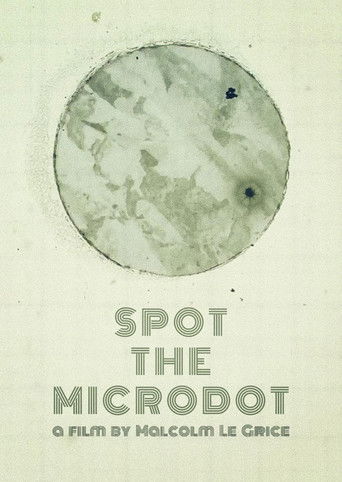
6.0This film was made by punching circular holes into fully opaque film stock and laying discs of colour film into some of the punched holes. Only the original copy of this film exists – it cannot be printed and is therefore projected only on rare occasions. As with other Le Grice films from the late 1960s, Spot the Microdot is marked by a radical rejection of ‘illusionism’, choosing to focus instead on the material properties of the film medium itself.
Spot the Microdot
1969
Double projection. No images, only colour, first changing slowly in spectrum order, yellow, or red, purple, blue, green, yellow.. and in other directions and in reverse order… gradually getting faster… splits into four areas equal side by side… same action independently in each area… still getting quicker… till the end.
Love Story 2
1971
 NR
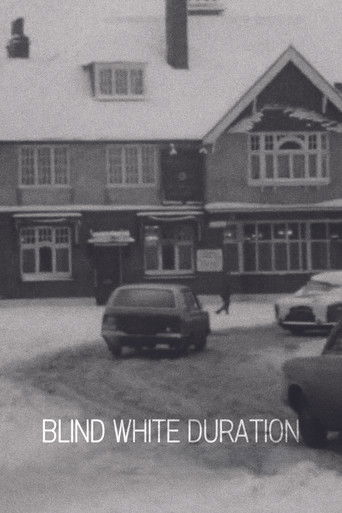
NRBlind White Duration is a film concerned with constructing an experience from limited perceptions. The viewer is introduced to a limited range of images (a snowy day in Harrow, walking to the Metropolitan Line station) shown in brief fade-ins and outs or quick flashes. For most of the film, the screen remains white. This is a film about the light of the projector, the white screen and the white image which emerges out of it.
Blind White Duration
1968
A person walks backwards and forwards across two white screens casting a shadow, later his actual shadow is joined by pre-filmed shadows performing the same actions. Gradually the actions within the film deviates from what is directly possible for the shadow cast by the person in real TIME/SPACE, but the two 'realities' are kept closely relatable as references to each other.
Love Story 3
1972
 NR
NRSelf Portrait looks for an approach to a specific relationship between the duration of a work and material conditions in the projection as did William Raban in the film-performance Take Measure. The main difference is that Raban’s work was made when cinematic media had distinct physical properties linking medium directly to image - this self portrait recognizes that there is no such simple materiality for cinema following the emergence of digital processes. Instead the work takes a conceptual base – the speed of light and the time taken for light to travel from the sun to illuminate objects on earth –thus the duration of 8 minutes 20 seconds.
Self Portrait After Raban Take Measure
2008