

Directing
Heinz Sielmann
Born — Died
1917-06-02 — 2006-10-06
Place of birth
Rheydt, Germany
Known for
Directing
Credits
36 titles
Known for
No synopsis available yet.
Volle Kanne
1999
No synopsis available yet.
The Johannes B. Kerner Show
1998
No synopsis available yet.
Menschen der Woche
2000
 9.0
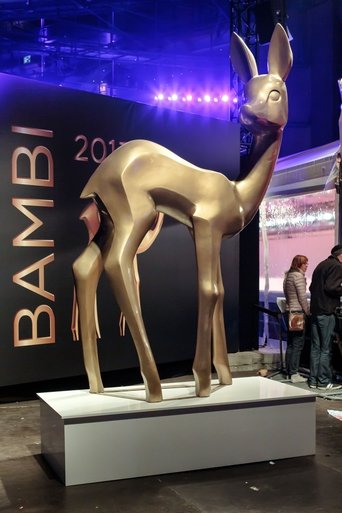
9.0The Bambi, often called the Bambi Award and stylised as BAMBI, is a German award presented annually by Hubert Burda Media to recognize excellence in international media and television to personalities in the media, arts, culture, sports, and other fields "with vision and creativity who affected and inspired the German public that year", both domestic and foreign. First held in 1948, it is the oldest media award in Germany. The trophy is named after Felix Salten's book Bambi, A Life in the Woods and its statuettes are in the shape of the novel's titular fawn character. They were originally made of porcelain until 1958, when the organizers switched to using gold, with the casting done by the art casting workshop of Ernst Strassacker in Süßen.
Bambi
1948
 5.0
5.0The series is about a cruise ship that travels to places around the world.
Das Traumschiff
1981
 7.0
7.0Tigerenten Club is a German children's television programme. The programme involves a mix of games, quizzes, cartoons and outside reports from the presenters and children, with the aim to educate and entertain. It is produced by SWR in co-operation with other regional broadcasters, and is broadcast on ARD and KiKa. The logo and the name of the programme is based upon the Tigerente or 'Tigerduck', created by German cartoonist Janosch.
Tigerenten Club
1996
Film credits
Series credits
No synopsis available yet.
Volle Kanne
1999
No synopsis available yet.
The Johannes B. Kerner Show
1998
No synopsis available yet.
Menschen der Woche
2000
9.0The Bambi, often called the Bambi Award and stylised as BAMBI, is a German award presented annually by Hubert Burda Media to recognize excellence in international media and television to personalities in the media, arts, culture, sports, and other fields "with vision and creativity who affected and inspired the German public that year", both domestic and foreign. First held in 1948, it is the oldest media award in Germany. The trophy is named after Felix Salten's book Bambi, A Life in the Woods and its statuettes are in the shape of the novel's titular fawn character. They were originally made of porcelain until 1958, when the organizers switched to using gold, with the casting done by the art casting workshop of Ernst Strassacker in Süßen.
Bambi
1948
5.0The series is about a cruise ship that travels to places around the world.
Das Traumschiff
1981
7.0Tigerenten Club is a German children's television programme. The programme involves a mix of games, quizzes, cartoons and outside reports from the presenters and children, with the aim to educate and entertain. It is produced by SWR in co-operation with other regional broadcasters, and is broadcast on ARD and KiKa. The logo and the name of the programme is based upon the Tigerente or 'Tigerduck', created by German cartoonist Janosch.
Tigerenten Club
1996
 7.0
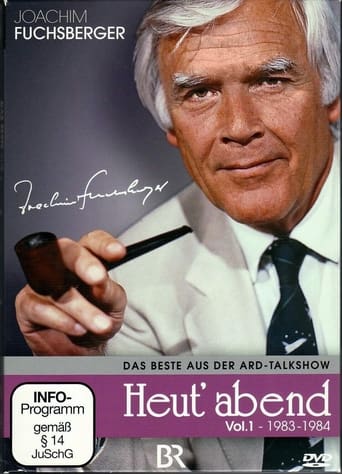
7.0No synopsis available yet.
Heut' abend
1980
No synopsis available yet.
Was bin ich?
1955
No synopsis available yet.
Zum blauen Bock
1957
No synopsis available yet.
TV Intim
1969
No synopsis available yet.
Kronen Könner Kavaliere
1984
 8.0
8.0No synopsis available yet.
Expeditionen ins Tierreich
1965
Behind the camera
Documentary about the inhabitants, both human and animal, of the Belgian Congo.
Lords of the Forest
1958
 8.0
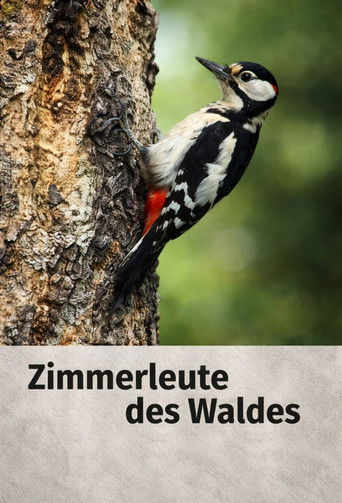
8.0An innovative production from the world-renowned filmmaker and passionate naturalist Heinz Sielmann, Woodpecker (Zimmerleute des Waldes) is an intriguing celebration of these territorial birds known for their distinctive knocking.
Woodpecker
1955
8.0An innovative production from the world-renowned filmmaker and passionate naturalist Heinz Sielmann, Woodpecker (Zimmerleute des Waldes) is an intriguing celebration of these territorial birds known for their distinctive knocking.
Woodpecker
1955
 NR
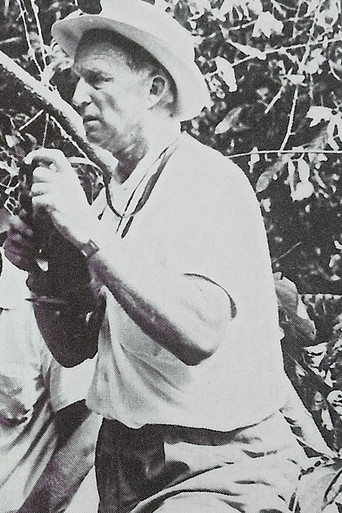
NRFor their film “Vrijheren van het Woud” (Lords of the Forest) uit 1958, Heinz Sielmann and Henry Brandt had collected over 6 kilometers of film footage. In 1968, Henri Storck went through the unused material and turned it into a 90-minute documentary. Once again, it presents a highly realistic and naturalistic portrayal of the fauna, flora, and people of Central Africa. The Dutch version was released with commentary by Pros Verbruggen
Wonderen van het Afrikaanse Woud
1968
 NR
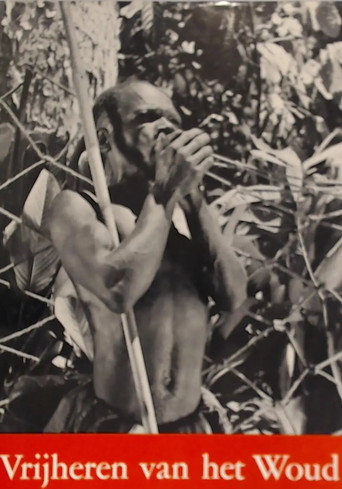
NRIn this documentary, filmed entirely in Belgian Congo, the survival challenges of both humans and animals are highlighted. Among other scenes, we see a group of hungry lions on the hunt and a ritual rain dance performed by local women. Dit is de Vlaamse versie van Les Seigneurs de la Forêt.
Vrijheren van het Woud
1958
 7.0
7.0Painstakingly filmed over a five-year period, this intimate view of our country's magnificent landscape will take you on the getaway you can only imagine. Witness the splendor of nature as you've never before seen it.
Vanishing Wilderness
1974
 NR
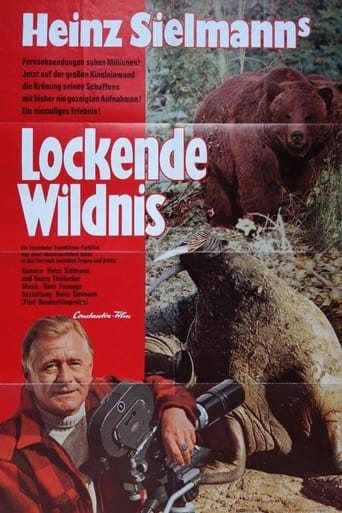
NRIn 1966, Heinz Sielmann sets off on his longest expedition. He spent 19 months traveling through the wilderness of North America. From the alligator swamps of the Everglades to the breeding grounds of arctic waterfowl.
Lockende Wildnis
1969
NRIn 1966, Heinz Sielmann sets off on his longest expedition. He spent 19 months traveling through the wilderness of North America. From the alligator swamps of the Everglades to the breeding grounds of arctic waterfowl.
Lockende Wildnis
1969
NRIn 1966, Heinz Sielmann sets off on his longest expedition. He spent 19 months traveling through the wilderness of North America. From the alligator swamps of the Everglades to the breeding grounds of arctic waterfowl.
Lockende Wildnis
1969
A German Film Award winning short black and white documentary.
Die Iltiskoppel
1956
Various amphibious pond dwellers, including grass frogs, tree frogs, common toads and other amphibians are shown moving around, feeding, mating, fertilizing and evolving. Also on display are natterjack and midwife toads, yellow-bellied toads and water frogs.
Konzert am Tümpel
1952
Short by Heinz Sielmann.
Wiesensommer
1956
 8.0
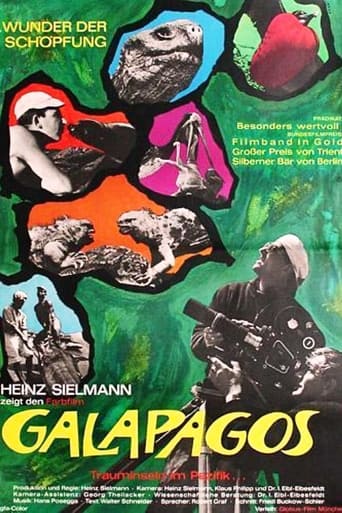
8.0Following in the footsteps of Charles Darwin, Heinz Sielmann traveled to the bizarre volcanic islands of Galapagos. The multi-award-winning film shows the unique wildlife on the Pacific Noah's Ark.
Galapagos - Trauminsel im Pazifik
1962
8.0Following in the footsteps of Charles Darwin, Heinz Sielmann traveled to the bizarre volcanic islands of Galapagos. The multi-award-winning film shows the unique wildlife on the Pacific Noah's Ark.
Galapagos - Trauminsel im Pazifik
1962
8.0Following in the footsteps of Charles Darwin, Heinz Sielmann traveled to the bizarre volcanic islands of Galapagos. The multi-award-winning film shows the unique wildlife on the Pacific Noah's Ark.
Galapagos - Trauminsel im Pazifik
1962
The film shows open air shots of life in the colony of the sea lion. The following behaviours are shown: establishing territories and rivalry fights, courting and mating, feeding the young, play among young animals.
Eumetopias jubata (Otariidae) - Verhaltensweisen in der Kolonie
1978
The film shows open air shots of life in the colony of the sea lion. The following behaviours are shown: establishing territories and rivalry fights, courting and mating, feeding the young, play among young animals.
Eumetopias jubata (Otariidae) - Verhaltensweisen in der Kolonie
1978
The three-spined stickleback is shown. Nest building, zigzag dance, fanning at the nest, sometimes following a female, also short mouth fights, the female swimming into the nest, spawning, the male poking at the rear end of the partner, inseminating the eggs in the nest after the female swims away.
Gasterosteus aculeatus (Gasterosteidae) - Balz und Ablaichen
1965
The three-spined stickleback is shown. Nest building, zigzag dance, fanning at the nest, sometimes following a female, also short mouth fights, the female swimming into the nest, spawning, the male poking at the rear end of the partner, inseminating the eggs in the nest after the female swims away.
Gasterosteus aculeatus (Gasterosteidae) - Balz und Ablaichen
1965
Short by Heinz Sielmann.
Quick - das Eichhörnchen
1952
The courtship behavior of Great Bustards is studied. The male Great Bustard is considerably larger than the female. This impression is reinforced during courtship when the male dances in front of the female, showing the light undersides of its wings and inflating its throat pouch.
Otis tarda (Otididae) - Balzverhalten
1975
 NR
NRSong of the Wild is Heinz Sielmann's first feature film, made in black and white and a valuable contemporary document. Filming took place in 1948 and 1949 in the Deister, at the Meißendorf ponds near Celle, in the Lüneburg Heath, on the Ems between Papenburg and Lingen and in the Harz. At a time when food rations were low and poaching was everywhere, when the British victorious power had large areas of forest cut down, the film was intended to educate people about the value of the nature around them. The film premiered in the fall of 1949 and became a huge box office success.
Lied der Wildbahn
1950