

Directing
Kamal Swaroop
Known for
Directing
Credits
16 titles
Swaroop was born in Kashmir, India. His father was a teacher and palmist, and his mother was a homemaker. The family moved to Ajmer in the Rajasthan state. There he studied biology before moving to Pune in the Maharashtra state, where he studied film directing. He had a brief stint at the Indian Space Research Organisation, where he used Russian fairytales to teach science to children. Following this, he attended filmmaking classes in a remote village in Maharashtra. Swaroop is best known for directing Om-Dar-Ba-Dar (1988) and Rangbhoomi, for which he has received several awards. In 1974, Swaroop graduated from the Film and Television Institute of India. His student work met with unusual i…
Known for
 6.8
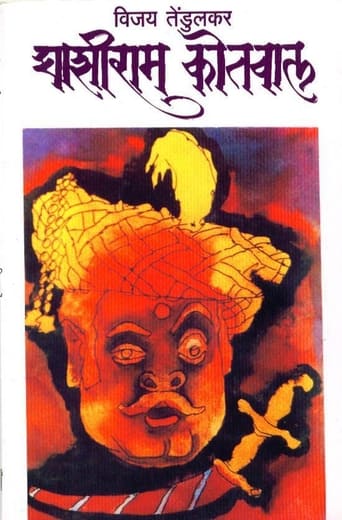
A stylized version of Vijay Tendulkar’s radical Marathi play chronicling the Peshwa regime in western India, a collective effort of direction and cinematography made by an independent group of young filmmakers.
Ghashiram Kotwal
1976
 6.0
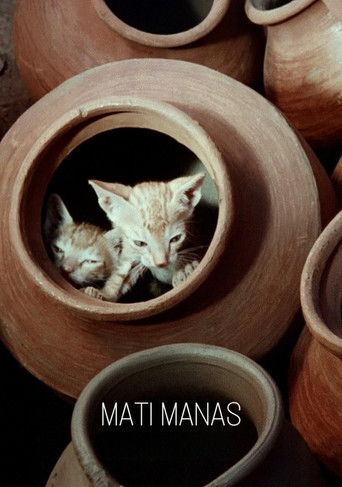
In a poetic hour and a half, director Mani Kaul looks at the ancient art of making pottery from a wide variety of perspectives.
Mati Manas
1985
 NR
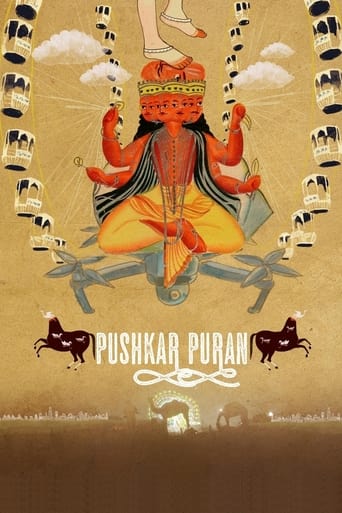
An attempt to engage with the historical, mythical and the contemporary worlds of the city of Pushkar
Pushkar Puran
2017
 NR
Rangbhoomi follows Kamal Swaroop as he attempts to trace the contours of Dada Saheb Phalke's life in Varansasi after he withdrew, disillusioned, from the world of cinema and decided to take up theater. While in Varanasi, Phalke wrote a semi-autobiographical play titled "Rangbhoomi" which forms the core of this cinematic exploration.
Rangbhoomi
2013
 NR
The idea of determinism and freedom in the Khayal tradition of Hindustani music.
Bandish
2006
 7.0
Om, an adolescent boy living in an Indian village, is good at only one thing: holding his breath for a long time. His father Babuji left his government job to dedicate his time to astrology. Fascinated with magic and religion, Om visits a fantasy city and takes a home close to a frog pond.
Om Dar-B-Dar
1988
Film credits
Behind the camera
6.8A stylized version of Vijay Tendulkar’s radical Marathi play chronicling the Peshwa regime in western India, a collective effort of direction and cinematography made by an independent group of young filmmakers.
Ghashiram Kotwal
1976
6.0In a poetic hour and a half, director Mani Kaul looks at the ancient art of making pottery from a wide variety of perspectives.
Mati Manas
1985
NRAn attempt to engage with the historical, mythical and the contemporary worlds of the city of Pushkar
Pushkar Puran
2017
NRRangbhoomi follows Kamal Swaroop as he attempts to trace the contours of Dada Saheb Phalke's life in Varansasi after he withdrew, disillusioned, from the world of cinema and decided to take up theater. While in Varanasi, Phalke wrote a semi-autobiographical play titled "Rangbhoomi" which forms the core of this cinematic exploration.
Rangbhoomi
2013
NRThe idea of determinism and freedom in the Khayal tradition of Hindustani music.
Bandish
2006
7.0Om, an adolescent boy living in an Indian village, is good at only one thing: holding his breath for a long time. His father Babuji left his government job to dedicate his time to astrology. Fascinated with magic and religion, Om visits a fantasy city and takes a home close to a frog pond.
Om Dar-B-Dar
1988
Atul Dodiya’s oeuvre spans the vastness of the history of art and an in depth understanding and exploration of themes in India’s freedom movement. The Film follows his paintings and work to construct a story of the artist’s life, to understand the impulses and elements behind his art and his responses to the world around him.
Atul
—
 NR
Director Kamal Swaroop and a group of students from the Film and Television Institute of India explore the origins and the roots of the founding father of Indian Cinema.
Tracing Phalke
2013
 NR
At Kumbh Mela, the world’s largest congregation of religious pilgrims, a troupe of theatre actors stage a play based on an origin myth of Hinduism – the churning of the cosmic ocean. The legend tells of an epic battle between the gods and the demons for an elixir of immortality. The mela (or fair) is celebrated at the site where the elixir was believed to have fallen. Today, millions of Hindu pilgrims gather there to bathe in the holy river over a two-month period.
The Churning of the Ocean
2019
 6.3
An observation of the political climate in India leading upto a highly anticipated election.
Battle of Banaras
2015
About a thoughtful, lonely child making his own discoveries.
Columbus Chapter Five
1974
About a thoughtful, lonely child making his own discoveries.
Columbus Chapter Five
1974
 NR
Dada Saheb Phalke ( 1870 – 1944) the father of Indian film industry & his own eight children. The film traces his life & career through the reminiscence of his surviving children, family photographs and his films.
Phalke's Children
1994