
Acting
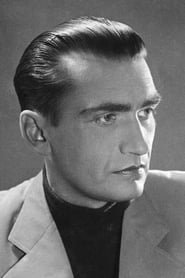
Ladislav Boháč
Born — Died
1907-04-14 — 1978-07-04
Place of birth
Uherský Brod, Čechy, Rakousko-Uhersko
Known for
Acting
Credits
63 titles
Ladislav Boháč (14 April 1907 – 4 July 1978) was a Czechoslovak film actor. He appeared in more than 45 films between 1933 and 1977. From Wikipedia, the free encyclopedia
Known for
 8.0
8.0No synopsis available yet.
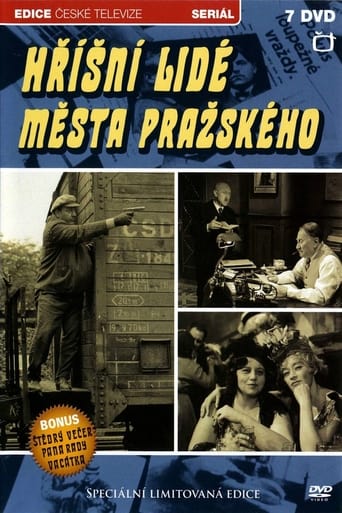
Hříšní lidé města pražského
1969
 NR
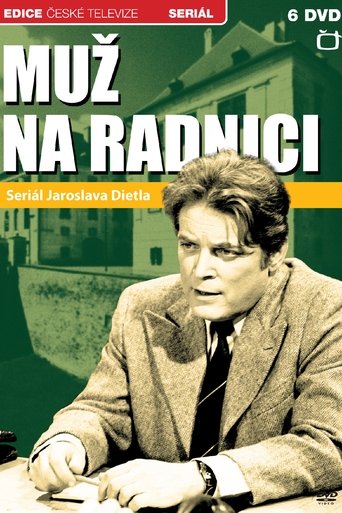
NRMuž na radnici was a Czechoslovak television program which was broadcast in 1976. The program was directed by Evžen Sokolovský. In 2011, it was announced that the program, along with 17 others, would be released on DVD within three years.
Muž na radnici
1976
 6.3
6.3Eva has just gotten married to an older gentleman, but discovers that he is obsessed with order in his life and doesn't have much room for passion. She becomes despondent and leaves him, returning to her father's house. One day while bathing in the lake, she meets a young man and they fall in love. The husband has become grief stricken at the loss of his young bride, and fate brings him together with the young lover that has taken Eva from him.
Ecstasy
1933
No synopsis available yet.
Tereza
1976
 8.0
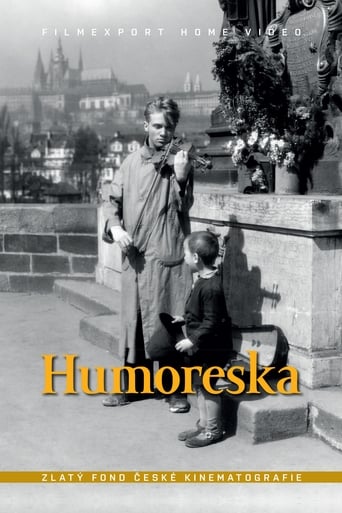
8.0Dvořák's well-known composition reappears again and again in the serious moments of the lives of the father and son Hupeks - talented non-professional musicians for whom music gives them the opportunity to rise above difficulties and problems...
Humoreska
1939
No synopsis available yet.
Pinocchiova dobrodružství
1967
Film credits
1970s · 5 titles
No synopsis available yet.
Tereza
1976
No synopsis available yet.
Ohnivý máj
1975
No synopsis available yet.
Josefina
1974
No synopsis available yet.
Výnosné místo
1973
No synopsis available yet.
Štrnásty v rade
1975
1960s · 5 titles
No synopsis available yet.
Úřad
1968
No synopsis available yet.
Popel
1969
No synopsis available yet.
Jak obelhal manžela
1963
No synopsis available yet.
Český koncert
1960
No synopsis available yet.
Noc bez úsvitu
1967
1950s · 13 titles
No synopsis available yet.
Faust
1955
 6.3
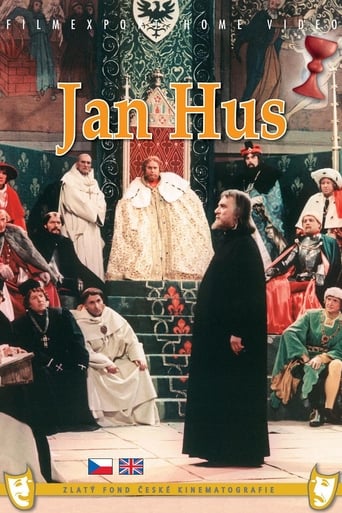
6.3The first part of the "Hussite Revolutionary Trilogy", completed with Jan Žižka (1955) and Proti všem (Against All Odds, 1957). The film captures the period from May 1412 to the summer of 1415, a turbulent time in the Czech Kingdom, during which there were protests in Prague against the sale of "omnipotent indulgences" whose sale throughout the kingdom was announced by Pope John XXIII. The ideological leader of this movement is the preacher Master Jan Hus, whose words, calling for the elimination of church abuses, are listened to in the Bethlehem Chapel by thousands of ordinary Praguers, Czech lords and Queen Sophie, wife of the Czech King Wenceslas IV.
Jan Hus
1955
 8.0
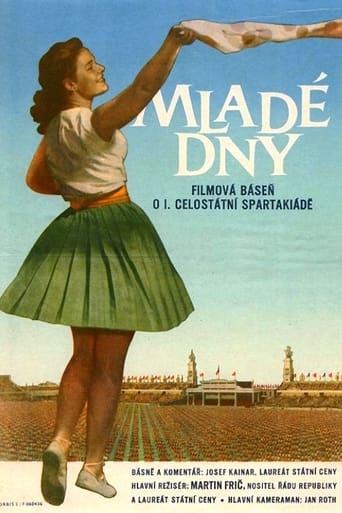
8.0Documentary by Jan Kadar
Mladé dny
1956
Documentary by Jan Kadar
Spartakiáda
1956
No synopsis available yet.
Lucerna
1955
 6.2
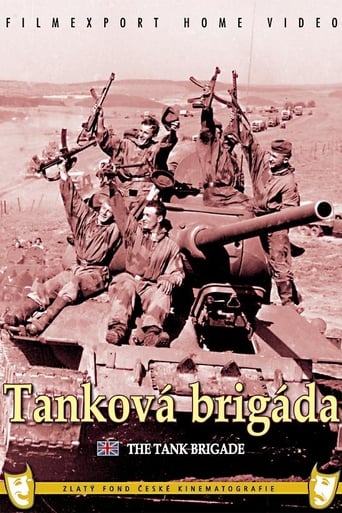
6.2The fate of a tank crew on the most difficult part of the First Czechoslovak Independent Brigade's combat path during World War II. We also follow the fate of its commander, Sergeant Juraj Klimka. During the bloody battles for the Dukel Pass, he falls in love and it turns out that behind the mask of a sovereign, he is actually a shy and sensitive person.
Tank Brigade
1955
 7.5
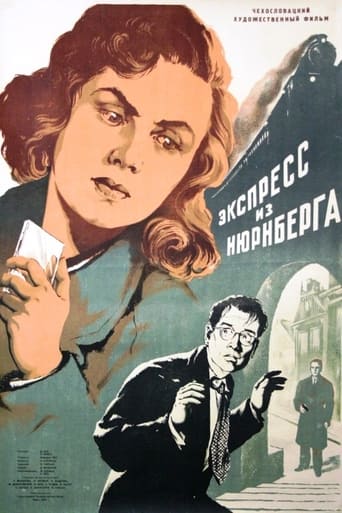
7.5An adventure film about the struggle of the Czechoslovak security authorities against Western agents. In an express train departing from Nuremberg station, a cigarette box with plans and instructions for the destruction of one of the Czechoslovak dams is stuck under the seat. The State Security is informed about the whole operation and tries to catch the foreign agents.
Expres z Norimberka
1954
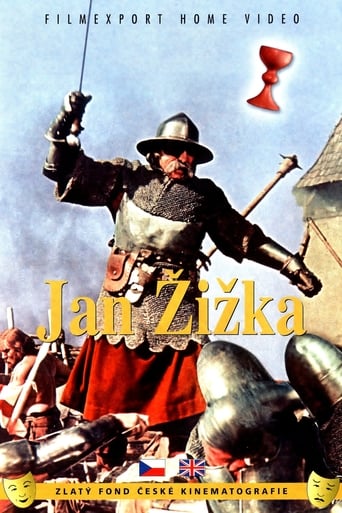 7.3
7.3The second part of the revolutionary Hussite trilogy takes place in the years 1419-1420.
Jan Žižka
1956
The growing conflict between the unruly owner of the villa and his lodger ends up in court. The cohabitation ends in bodily harm - and the film actually translates two versions of the same events, as seen by each of the parties involved. However, the attempt at morality, which proclaimed the necessity of removing the old survivals in people's thinking, did not quite work, and the testimony presented is at times a bit stiff.
Dům na Ořechovce
1959
The Counter-Reformation period: Myslivec Machovec is forced by representatives of the Jesuit order to flee his home for his religious beliefs. His teenage children Helenka and Tomáš do not give up the faith and traditions of the Czech Brethren despite the increasing pressure.
Temno
1951
No synopsis available yet.
Písně hrdinů
1954
In the last days of the war, American planes bomb a synthetic gasoline plant in the Sudetenland. The workers are then faced with the enormous task of building a new plant on the site of the ruins and starting production. Their efforts are truly bearing fruit - after immense sacrifices, Stalin's plants are back in full swing, which is something that competitors abroad don't like to see and they try to use the reaction to liquidate the production of synthetic gasoline...
Výstraha
1954
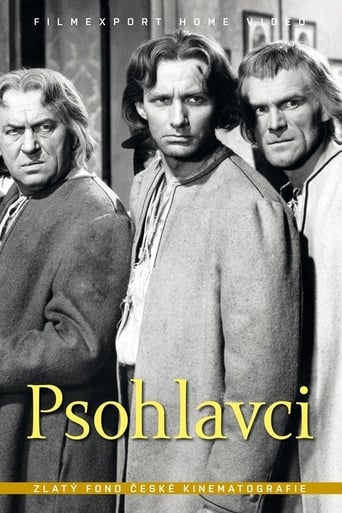 5.7
5.7The history of the rebellion of the brave Chody, led by Jan Sladký Kozina and Matěj Přibek, against the violent tyranny of the foreign nobleman Maximilian Lamminger of Albenreuth. Based on the novel of the same name by Alois Jirásek.
Dog's Heads
1955
1940s · 15 titles
No synopsis available yet.
Love Song
1940
No synopsis available yet.
Vlast vítá
1945
No synopsis available yet.
Žíznivé mládí
1943
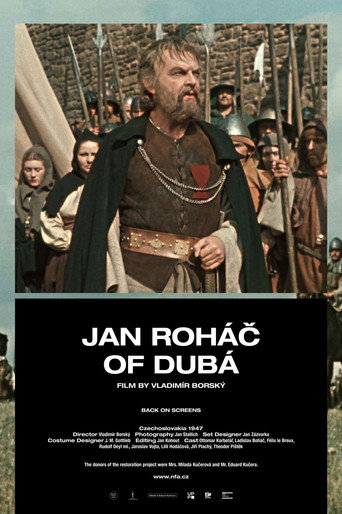 5.0
5.0After the Battle of Lipany, the remnants of the Hussite troops concentrated under the leadership of Jan Roháč of Dubé at Sion Castle. However, he had no prospects of victory against the soldiers of the Lordship. Sion was conquered, Roháč of Dubé was captured and executed as a pest in Prague on September 9, 1437.
Warriors of Faith
1947
No synopsis available yet.
Návrat k životu
1946
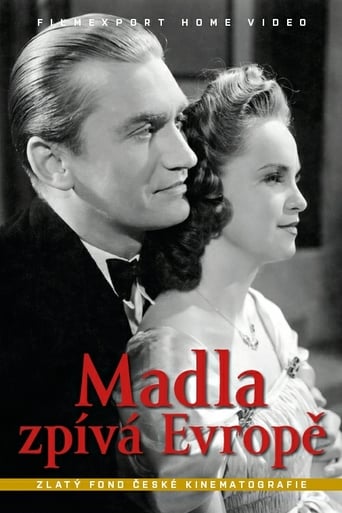 5.8
5.8Folk song collector Dr. Šerk arrives in the remote village of Lesov. He is enchanted by the singing of sixteen-year-old Madla Satranová and he records her songs for radio broadcast. Šerk's friend, composer Jaroslav Klán, takes care of a group of orphans, from whom he has formed a choir. Šerk brings the orphaned Madla to him. The teenage girl begins to help the housewife Nána with the care of the children.
Madla zpívá Evropě
1940
 6.2
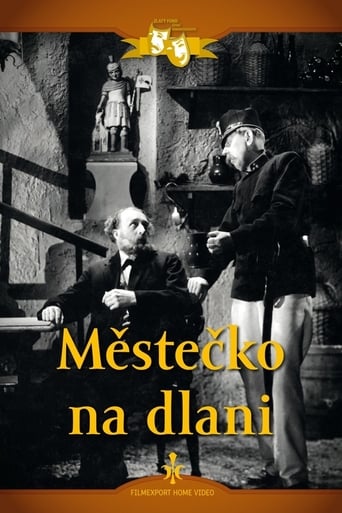
6.2Tragicomic events in the idyllic town of Rukapán reveal both the prejudices of the local residents and their solidarity. The chronicle of the town of Rukapán captures the funny and tragic fates of its inhabitants at the end of the nineteenth century. Poacher Matěj saves the council of Zimmerheier in a buried mine, mayor Buzek is warned by an angel to stop drinking, and other events form a mosaic of the small town.
Městečko na dlani
1942
 7.0
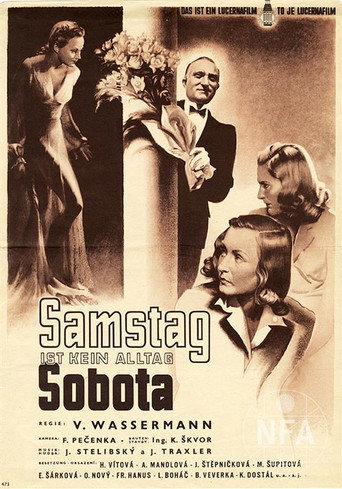
7.0A social comedy about a wealthy man in his prime, for whom marital infidelity is just a pleasant and regular sport. A young flower shop owner, to whom her husband seems to be generally ordinary and overworked, nevertheless manages to resist the advances of an experienced seducer.
Sobota
1945
 6.0
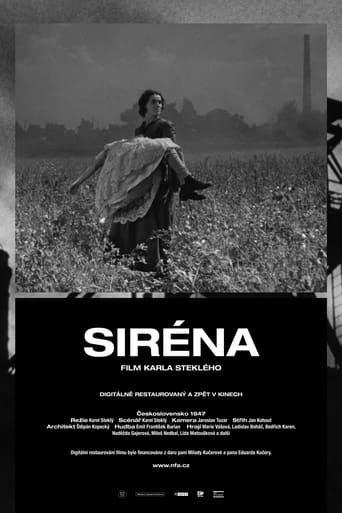
6.0In late 19th century Czech-speaking Bohemia, oppressed workers at German-owned mines and foundries revolt against their harsh working conditions. Made shortly after World War II as Czechoslovakia was falling to communism, the film resonates in Czech resentment of the German occupation.
The Strike
1947
 6.0
6.0Country man Josef Bezoušek has gone to Prague for an extended visit to his lawyer son's family. His son, daughter-in-law and granddaughters have welcomed him with open arms, so the grandfather quickly gets used to them and really likes the metropolis. He enjoys walks and city attractions, and in the process he inadvertently gets involved in the story of his son's sister-in-law's forbidden love. She has lost her mind for a poor young man, her father does not want her to know him and imprisons the girl at home. The scoundrel Bezoušek inadvertently finds himself right in the center of the affair - and trouble is already coming his way. He himself could have endured it, but before leaving Prague he wants to settle the whole matter to the benefit of the unfortunate lovers...
Pantáta Bezoušek
1941
 8.5
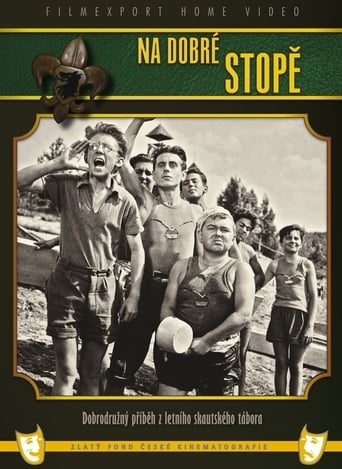
8.5An adventure story for young people set in a summer camp for boaters in Juná. Eda, marked by a tragic experience of occupation, has difficulty getting along with the other boys. He only gains their trust and friendship when he helps to uncover German saboteurs.
Na dobré stopě
1949
The workers at the ironworks are working to fulfill a two-year plan. The spy group takes advantage of the bitterness of a disrespected innovator and tries to extract information from him about a new technology for pressing metal powder. However, their plans are thwarted by the vigilance and vigilance of the research staff from Department Z-8.
Případ Z-8
1949
No synopsis available yet.
X. slet všesokolský
1945
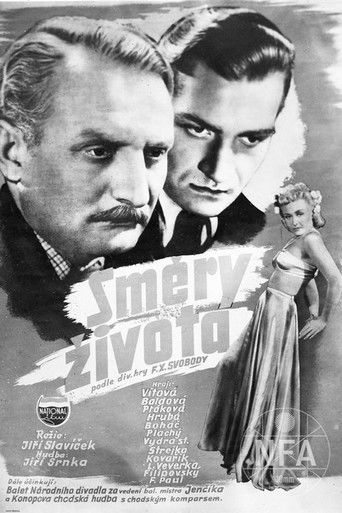 7.0
7.0No synopsis available yet.
Směry života
1940
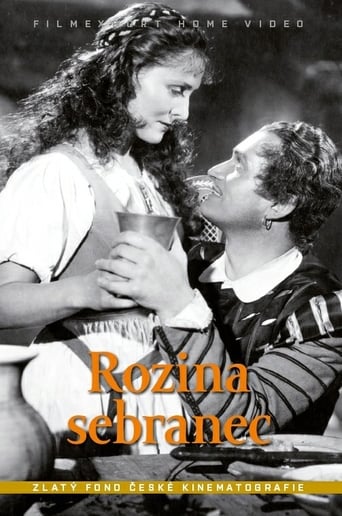 7.5
7.5Prague, the beginning of the 17th century. Rozina falls in love with Italian glass worker Nikolo, but after returning home, she gets a message that will never come to Prague. She falls for the promise of an older man to marry her, but when Nikolo does return, the tragic fate of Rozina is sealed.
Rozina the Love Child
1945
1930s · 22 titles
6.3Eva has just gotten married to an older gentleman, but discovers that he is obsessed with order in his life and doesn't have much room for passion. She becomes despondent and leaves him, returning to her father's house. One day while bathing in the lake, she meets a young man and they fall in love. The husband has become grief stricken at the loss of his young bride, and fate brings him together with the young lover that has taken Eva from him.
Ecstasy
1933
8.0Dvořák's well-known composition reappears again and again in the serious moments of the lives of the father and son Hupeks - talented non-professional musicians for whom music gives them the opportunity to rise above difficulties and problems...
Humoreska
1939
A young farmer, Jan Aleš, is drafted from his native Pošumaví to join the army. Since he likes his new environment, he stays with the army as a long-term serviceman. He even successfully passes the exams for the military academy. There he becomes friends with his Slovak colleague Milan Jurčík. He studies diligently, but thanks to Milan he sometimes finds time to go out into the city. That is how he meets the factory owner's daughter, Zdenka, with whom he falls in love. However, her father is not very happy about the promising relationship.
Neporažená armáda
1938
An old peasant from Chodský, Záhor, claims to the young Podestát that he returned three hundred gold pieces to his father before the old Podestát died. Out of greed, Záhor even decides to perjure himself in court. The indignant creditor warns him of God's wrath. Záhor's sons, Matěj and Vondra, are vying for the same girl - the daughter of a blacksmith, Nana.
Boží mlýny
1938
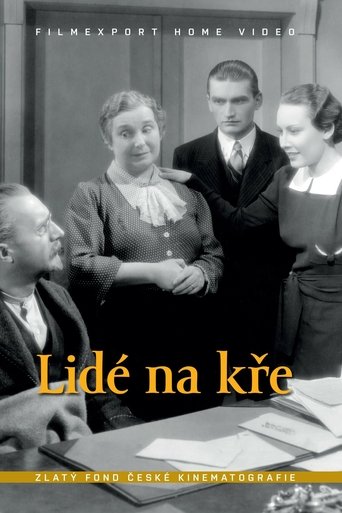 4.8
4.8The economic crisis affects the lives of many people. Professor Václav Junek gradually discovers how significantly his idealistic vision differs from the real life of his four children. The eldest son Zdeněk has been an unemployed engineer for two years. Daughter Pavla, a doctor, works in a hospital for a very low salary. The second daughter Hanka has left her job as a stenographer and wants to become a film actress...
People adrift
1937
 8.5
8.5Professor Karas is widely known as enthusiastic propagator of the motto "Morality Above All Else". He guides his students as well as his own family to live a morally decent life. One day he has an unexpected visit. It's his illegitimate daughter Vera, who is proof of his thoughtless youth. Mr. Karas know that she can ruin his image, thus he decides to keep her a secret and asks her to leave. Instead of leaving she takes a position of a governess in his own family without letting him know. Mr. Karas realizes that he must reveal the truth sooner or later, but he doesn't have enough courage to do so. As he postpones it, he is more and more scared to come to his own home.
Morality Above All Else
1937
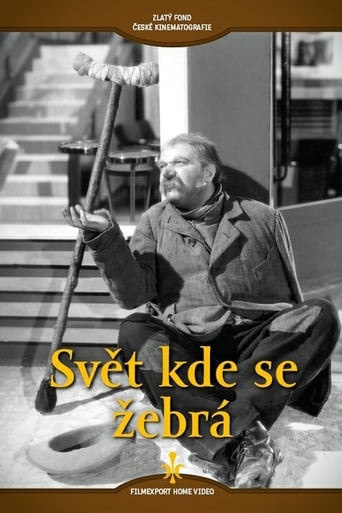 7.0
7.0The smooth narration, corresponding to the requirements of a light comedy, develops the smiling and optimistic story of the "one-armed" beggar Dostál, who earned enough money with his excellent begging skills to buy a nice house, become a respectable master of the house, and save the impoverished lawyer Neprosil from poverty, who he contributed regularly to him when he was still well off. He also wanted to get him together with his pretty ward Zorka, for whom he said he would be an ideal husband, but the young people were able to do that by themselves and without his clumsy help, or rather despite his rather ineffective help... The film was shown at the VI. IFF in Venice in 1938.
The World Where One Goes Begging
1938
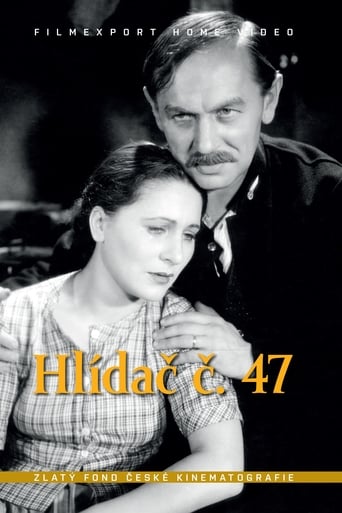 7.5
7.5A young village shopkeeper, Ferda Zuska, wants to jump in front of a train because his girlfriend has married someone else. At the last moment, he is saved by the railway guard Douša and his wife Anna. Ferda soon forgets his sadness and starts courting Anna. The unsuspecting Douša is the laughing stock of the whole village. Moreover, during Ferda's rescue, he slipped on the embankment, injured himself, and has had difficulty hearing since then. One day, he even discovers with horror that he has gone completely deaf and that he must therefore leave his job...
Hlídač č. 47
1937
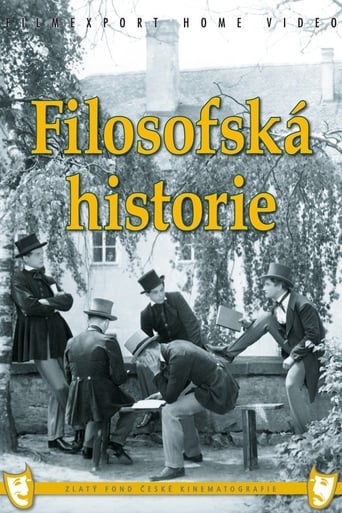 7.0
7.0A student rebellion precedes revolutionary events in Prague.
History of Philosophy
1937
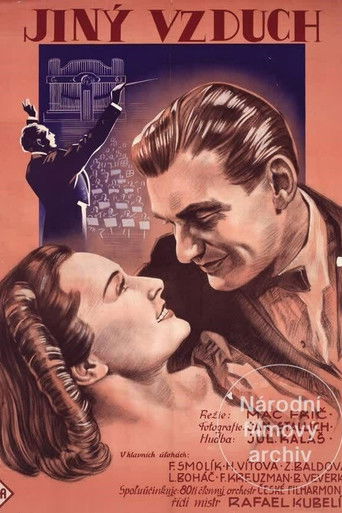 7.5
7.5No synopsis available yet.
Jiný vzduch
1939
After her mother's death, Jana is forced to leave her native village because her house has been sold. She searches in vain for work in the surrounding area. A young farmer named Michael finds the exhausted girl in the woods and takes her to the farm he runs with his older brother, Petr. Jana soon recovers and stays on as the housekeeper. The carefree Michael seduces her, and she falls in love with him. Michael is called up for military service in Prague, where he gives himself over to a dissolute lifestyle.
Jana
1935
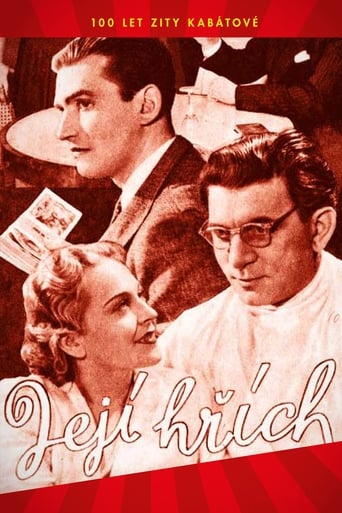 7.0
7.0Lola Holm, a medical student, is studying for her final exams. She rejects the courtship of psychiatrist Associate Professor Linn. Bank cashier Goll lives extravagantly and his salary is not enough for his excesses. He is in need and has mental problems. He seeks medical help and accidentally meets Lola. At first, she rejects Goll's attentions, but then she can't resist him and becomes his mistress. Goll embezzles money. He is exposed and faces imprisonment. He turns to his uncle for help, but he rejects his request...
Její hřích
1939
 6.7
6.7Film about famous poet Karel Hynek Mácha
Karel Hynek Mácha
1937
 6.0
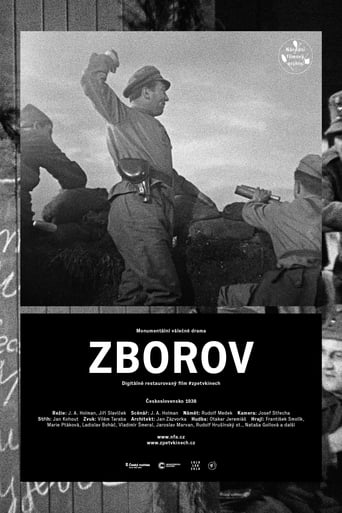
6.0In the Škoda factory, where they are feverishly rearming in 1914, works the foreman Kalina, the father of the young men Pavel and Jan. Pavel is a supporter of the monarchy, while Jan, on the contrary, defends the idea of our national independence. Just before mobilization, Jan escapes to Russia, where he joins a group of volunteer legionnaires called the "Czech Company", fighting against the Austro-Hungarian monarchy. Pavel enlists in the Austrian army. The brothers do not meet again until July 1917 in the battle of Zborov in Ukraine, which marked a successful breakthrough of the Austro-Hungarian front.
Zborov
1939
 8.2
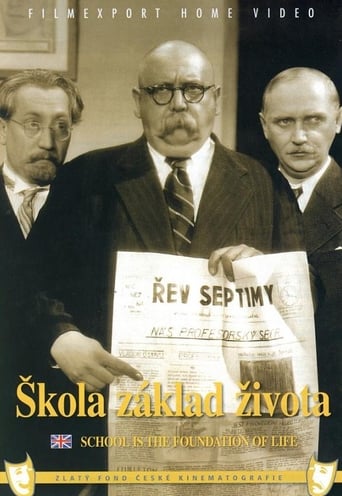
8.2Seventh form pupils at a grammar school in Přívlaky are preparing for a secondary school sports competition. Class creep Krhounek gives the class teacher Lejsal a copy of the seventh form’s magazine Roar. Most of the teachers insist on severe punishing the culprit. The author does not own up and consequently the whole class is punished by being banned from taking part in the schools competition. The most gifted pupil, Benetka, rather sharply criticises the school in a homework essay on a subject of his choice. The strict Czech language teacher is convinced Benetka is the author of the school magazine. Benetka denies the charge but his expulsion from school is proposed anyway on account the views he expounded in his essay. Eventually, Boukal, the author of the school magazine comes forward and admits to writing it. The pupils are allowed to take part in the contest and thanks to Benetka they win. In the meantime however the teachers vote to expell him.
School Is the Foundation of Life
1938
 7.8
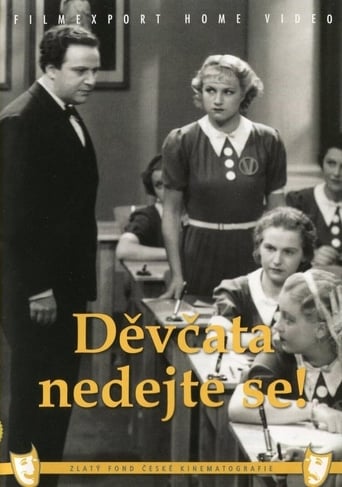
7.8Emanuel Pokorný, a bachelor, is to join a rural church school as a professor. Before leaving, however, he finds an infant abandoned in his room. Since he has no time to search for the child's parents, he secretly takes the child to the boarding house. And from that moment on, there is no end to his travails...
Girls, Stand Fast!
1937
When the handsome parish priest takes on a single mother with a child, he has no idea what kind of malicious gossip he will be exposed to. But he is determined to take care of his brother's girlfriend, who left for America for a long time, not knowing that he had become a father, despite all the difficulties...
In Temptation
1939
 7.0
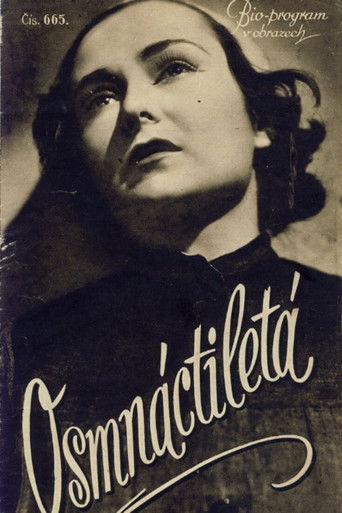
7.0The story tells of a village girl, falsely accused by her sister-in-law of the murder of her illegitimate child. The unfortunate girl ends up in court, but fortunately her lawyer suspects that passion and hatred rule in this case. Together they search for the child's father, who seduced and abandoned the heroine...
Eighteen Years Old
1939
 6.9
6.9In a country whose people have just been successfully persuaded of their superiority and the justification for military expansion by the fiery speeches of a dictator, the bacillus of a highly destructive form of leprosy has spread. It is called morbus Tshengi, or popularly „white disease“. The only one who has developed an effective cure for it is a physician of the poor named Galén. But he refuses to reveal the secret of his cure as long as the powerful destroy human lives through wars.
The White Disease
1937
 6.6
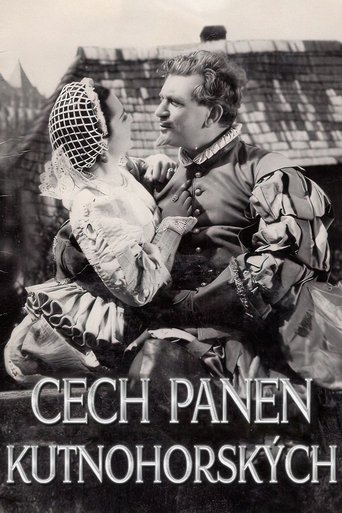
6.6A morally questionable lord comes to the aid of a working class man who is to be executed for speaking out about thieving rich scoundrels sticking it to the poor.
The Merry Wives
1938
 5.8
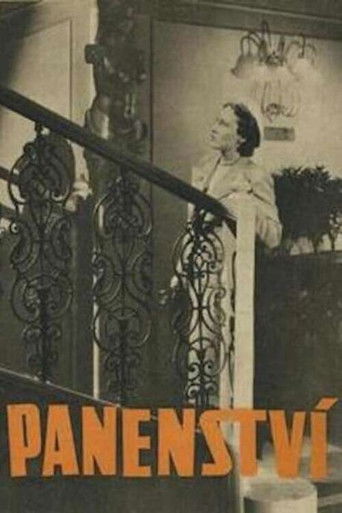
5.8The doomed love of a city girl caught in the vise of poverty is detailed in Vavra’s fluid, romantic work, one of the most elegant creations of the Czech Modernist era... The film lingers over its characters’ habitats and haunts, finding psychological truths in what each owns or desires, and countering every Hollywood-ready scene of gleaming restaurants and dazzling penthouses with realist moments of employment lines and crammed flats. Vavra’s classical camerawork and aura of romantic defeatism give Virginity a force comparable to the master of this genre, Hollywood’s Frank Borzage. (BAM/PFA)
Virginity
1937
No synopsis available yet.
Kdybych byl tátou
1939
Series credits
8.0No synopsis available yet.
Hříšní lidé města pražského
1969
NRMuž na radnici was a Czechoslovak television program which was broadcast in 1976. The program was directed by Evžen Sokolovský. In 2011, it was announced that the program, along with 17 others, would be released on DVD within three years.
Muž na radnici
1976
No synopsis available yet.
Pinocchiova dobrodružství
1967