

Directing
Marília Rocha
Marília Rocha is a filmmaker based in Belo Horizonte, Brazil. She made the films Aboio [Cattle Callers] (2005), Acacio (2008), and A falta que me faz [Like Water through Stone] (2010). Her works have been selected and awarded in countless Brazilian and International Film Festivals, having also been screened in museums such as MoMA (USA), New Museum (USA) and Musée d’ethnographie Neuchâtel (Switzerland). In 2011, the Dockanema festival (Mozambique) held a retrospective of her work and she was honored at Visions du Réel (Switzerland), which dedicated a special show to her films.
Acting credits

Behind the camera
 NR
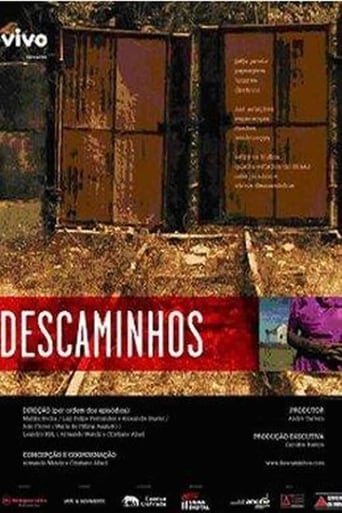
NRA road movie by rail through four Brazilian states, 55 cities and 8.000 km of railways. A documentary, eight directors and six episodes taking place in natural landscapes and urban settings that proposes an anthropological voyage through cities and the lives of the communities alongside the tracks. The trains as conductors of history and the tracks like a way through time.
Descaminhos
2007
 NR
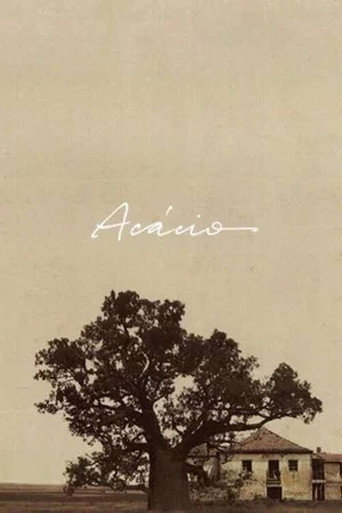
NRAfter thirty years living in Angola, the Portuguese ethnologist Acácio Vieira, along with his wife Conceição, moves to Brazil bringing with him an extensive archive of the life of people of Angola and Portuguese colonizers. Weaving memories, images and personal stories, the film embarks on an affectionate journey of the couple’s past, while reconstructing a link of the three countries in which they lived.
Acácio
2008
 5.5
5.5Two young Portuguese women try to put down roots in Brazil. Teresa is newly arrived; Francisca has been there a while. This sure-footed, loving portrait of two counterparts, attracting and repelling, is also an ode to Belo Horizonte: a city with no tourist attractions, but bags of atmosphere and lust for life.
Where I Grow Old
2017
5.5Two young Portuguese women try to put down roots in Brazil. Teresa is newly arrived; Francisca has been there a while. This sure-footed, loving portrait of two counterparts, attracting and repelling, is also an ode to Belo Horizonte: a city with no tourist attractions, but bags of atmosphere and lust for life.
Where I Grow Old
2017
 5.0
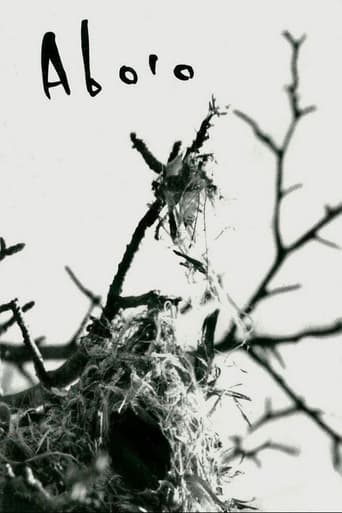
5.0Brazilian outback, cowboys preserve their age-old customs, communicating with their cattle in a form of plaintive singing known as Aboio. The chant resounds an improvised, ancient form that is an entrance to the life and the imaginary of the ancient Brazilian cattle drivers.
Aboio
2005
 8.8
8.8In the Espinhaço Mountains one winter, a group of small-town Brazilian girls are experiencing the end of their youth. Impossible romances leave marks on their bodies and the surrounding landscape. Each of the friends finds her own particular way to overcome the loneliness and to live within a tangle of uncertainty.
Like Water Through Stone
2009