
Production
Shigeru Miyamoto
Born
1952-11-16 (73)
Place of birth
Sonobe, Kyoto, Japan
Known for
Production
Credits
17 titles
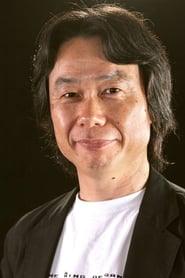
Shigeru Miyamoto (Japanese: 宮本 茂, Hepburn: Miyamoto Shigeru, born November 16, 1952) is a Japanese video game designer, producer and game director at Nintendo, where he has served as one of its representative directors as an executive since 2002. Widely regarded as one of the most accomplished and influential designers in video games, he is the creator of some of the most acclaimed and best-selling game franchises of all time, including Mario, The Legend of Zelda, Donkey Kong, Star Fox and Pikmin. More than 1 billion copies of games featuring franchises created by Miyamoto have been sold. Born in Sonobe, Kyoto, Miyamoto graduated from Kanazawa Municipal College of Industrial Arts. He initia…
Known for
 7.6
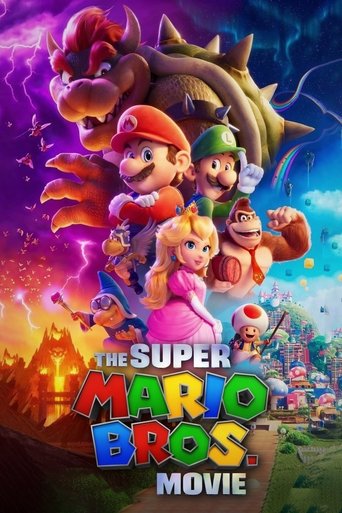
7.6While working underground to fix a water main, Brooklyn plumbers—and brothers—Mario and Luigi are transported down a mysterious pipe and wander into a magical new world. But when the brothers are separated, Mario embarks on an epic quest to find Luigi.
The Super Mario Bros. Movie
2023
 8.2
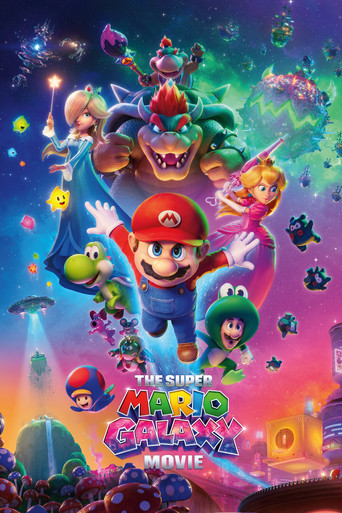
8.2Having thwarted Bowser's previous plot to marry Princess Peach, Mario and Luigi now face a fresh threat in Bowser Jr., who is determined to liberate his father from captivity and restore the family legacy. Alongside companions new and old, the brothers travel across the stars to stop the young heir's crusade.
The Super Mario Galaxy Movie
2026
 7.4
7.4This docuseries traces the history of classic video games, featuring insights from the innovators who brought these worlds and characters to life.
High Score
2020
 NR
NRA live-action adaptation of Nintendo's Legend of Zelda video game series.
The Legend of Zelda
2027
 8.0
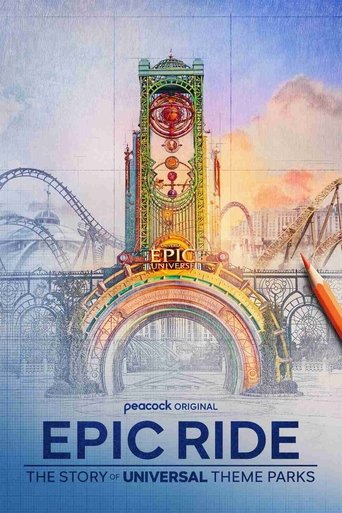
8.0A celebration of the history and legacy of Universal Destinations & Experiences. Through unprecedented access, rare archival and intimate interviews with directors, producers, executives, and A-list celebrities, it explores Universal's film and theme park history as well as provide a behind-the-scenes countdown to the opening of its new theme park, Universal Epic Universe.
Epic Ride: The Story of Universal Theme Parks
2025
 6.2
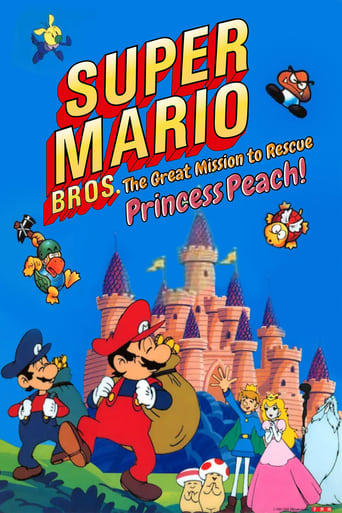
6.2When Princess Peach is kidnapped by the monster King Koopa, Mario and his brother Luigi journey to the Mushroom Kingdom to rescue her.
Super Mario Brothers: Great Mission to Rescue Princess Peach
1986
Film credits
2010s · 3 titles
 5.7
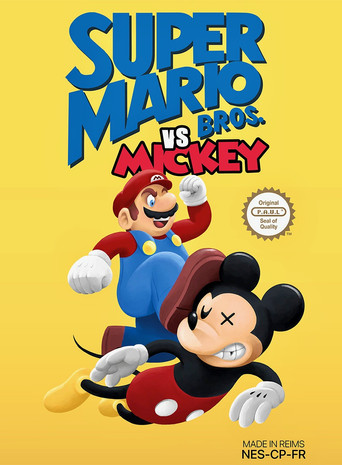
5.7Two Friends have found the first ever Mario Bros cartridge. What will they do with it ?
La cartouche
2016
Just two dashes and a dot - 1972 is the big bang of an industry worth billions and an unprecedented success story. A historical journey through 45 years of video games.
From Pong To Pokémon - The History Of Video Games
2017
 NR
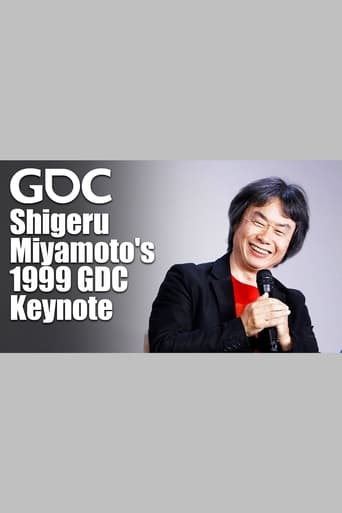
NRIn this 1999 GDC Keynote, Nintendo creative director Shigeru Miyamoto shares some of his core thoughts about the art of game design, and provides a vision of a world where games are part of a bigger, broader world.
Shigeru Miyamoto's 1999 GDC Keynote
2017
2000s · 2 titles
 NR
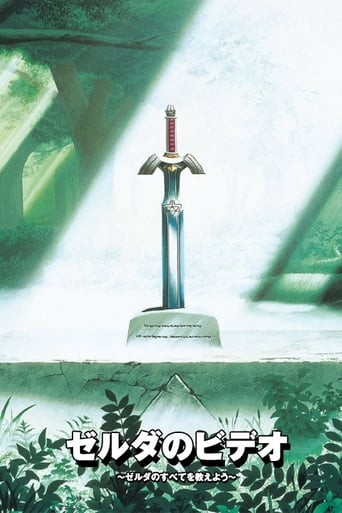
NRThis retrospective DVD was released around the time of The Wind Waker. It features interviews with past and present Legend of Zelda producers, artists and programmers, and footage from all the game endings
Zelda no Video
2003
 NR
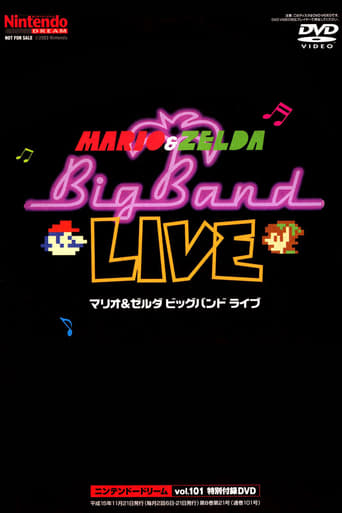
NRThe "Mario & Zelda Big Band Live" concert was held on September 14th, 2003, at the Nihon Seinenkan Hall in Tokyo, Japan. The DVD recording of this event was bundled with the Japanese gaming magazine "Nintendo Dream" vol. 101. Mario & Zelda Big Band Live was, as the name suggests, live performances of Mario and Zelda music arranged into jazz, Latin, country, and bluegrass. The host, Ashura Benimaru Itoh, started off the concert with an awesome guitar arrangement of the Super Mario Bros. "main theme" and "underworld theme." The performances that followed were divided almost evenly between the Tokyo CubaBoys Jr. (The Big Band of Rogues) and Mr. Yoshihiro Arita (with his band)
Mario & Zelda Big Band Live DVD
2003
1990s · 2 titles
 5.0
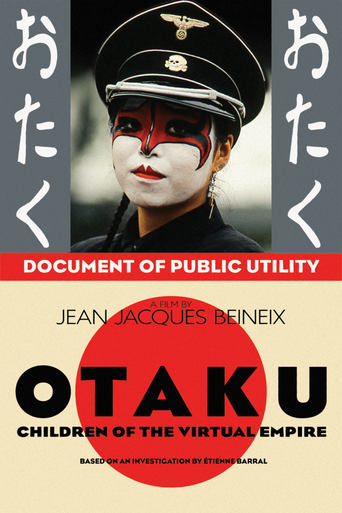
5.0A documentary that explores the life styles of various otakus in Japan. Various interviews are given to selected otakus who express how interesting it is to be an otaku as oppose to not being one at all. Along with various shots of various Japanese city landscapes and the inside of an average otaku home from rooms filled with videos, models, and the latest in technology.
Otaku - Children of the Virtual Empire
1994
 NR
NRTake a step into the exciting new world of video game entertainment, and hear from the people responsible for the biggest smash hits on your computer!
"Equinox" Serious Fun
1993
Series credits
7.4This docuseries traces the history of classic video games, featuring insights from the innovators who brought these worlds and characters to life.
High Score
2020
8.0A celebration of the history and legacy of Universal Destinations & Experiences. Through unprecedented access, rare archival and intimate interviews with directors, producers, executives, and A-list celebrities, it explores Universal's film and theme park history as well as provide a behind-the-scenes countdown to the opening of its new theme park, Universal Epic Universe.
Epic Ride: The Story of Universal Theme Parks
2025
Behind the camera
7.6While working underground to fix a water main, Brooklyn plumbers—and brothers—Mario and Luigi are transported down a mysterious pipe and wander into a magical new world. But when the brothers are separated, Mario embarks on an epic quest to find Luigi.
The Super Mario Bros. Movie
2023
8.2Having thwarted Bowser's previous plot to marry Princess Peach, Mario and Luigi now face a fresh threat in Bowser Jr., who is determined to liberate his father from captivity and restore the family legacy. Alongside companions new and old, the brothers travel across the stars to stop the young heir's crusade.
The Super Mario Galaxy Movie
2026
NRA live-action adaptation of Nintendo's Legend of Zelda video game series.
The Legend of Zelda
2027
6.2When Princess Peach is kidnapped by the monster King Koopa, Mario and his brother Luigi journey to the Mushroom Kingdom to rescue her.
Super Mario Brothers: Great Mission to Rescue Princess Peach
1986
A spin-off of the Super Mario Bros franchise. Plot TBA.
Untitled Donkey Kong Film
—
The third installment in the franchise. Plot TBA.
Untitled Super Mario Film
—
 NR
NRA Red Pikmin finds a Ramune bottle and attempts to retrieve the marble inside. After failing and becoming trapped inside the bottle's bottom, it asks passerby Pikmin for help, which – after other failed ideas – decide to create a chain of Pikmin to pull their trapped comrade outside.
Treasure in a Bottle
2014