
Acting
Toshiko Yabuki
Born — Died
1931-01-07 — 1990-10-12
Place of birth
Kanagawa Prefecture, Japan
Known for
Acting
Credits
16 titles
Known for
 8.2
8.2No synopsis available yet.
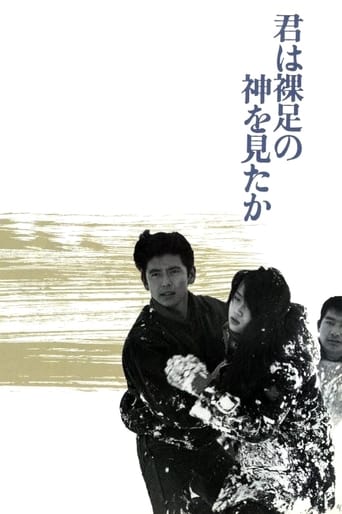
Attack, Jun
1979
 5.8
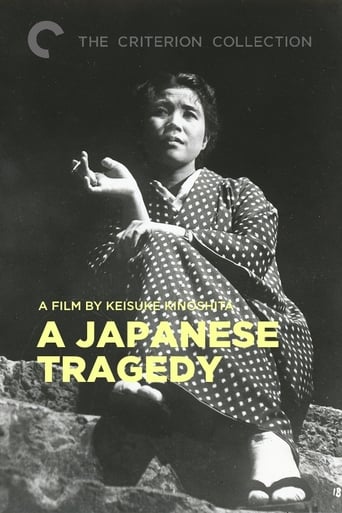
5.8At the close of the war in Japan, a widowed mother makes every possible sacrifice to bring up her ungrateful son and daughter who are unimpressed with their poor standard of living at home. They gradually reject her in search of the material comforts that working as a maid cannot provide. The mother's despair becomes interminable.
A Japanese Tragedy
1953
 7.7
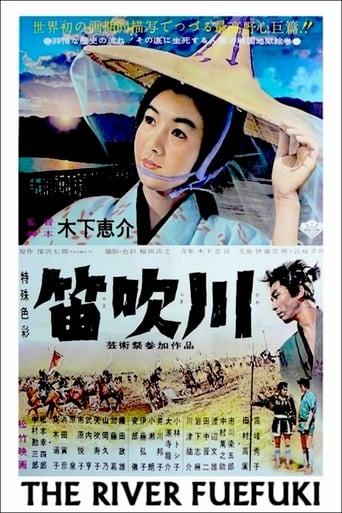
7.7In a time of continuous civil wars ravaging the fields of feudal Japan, the eldest son of a very poor peasant family, living alongside the bridge over the Fuefuki river, decides to serve a warlord to escape his miserable condition, being soon followed by his younger brothers. Although not all the men of the family take this tragic path of death, women of the family will be doomed to endure the pain of loss during the next five generations.
The River Fuefuki
1960
 6.5
6.5Patterned after Japanese art and silk screens, Taro, The Dragon Boy is an animated feature about Japanese mythology and cultures, focusing on Taro, a young boy who has to make a voyage to a distant lake to save his mother, who has been turned into a dragon.
Taro the Dragon Boy
1979
 7.1
7.1A woman remembers her own marriage when dealing with the love life of her son.
A Woman's Life
1963
 7.2
7.2Based on the life and career of novelist Fumiko Hayashi, she bitterly struggles for literary recognition in the first half of the 20th-century – her affairs with feckless men, the jobs she took to survive (peddler, waitress, bar maid), and her arduous, often humiliating attempts to get published in a male-dominated culture.
A Wanderer's Notebook
1962
Film credits
1970s · 3 titles
6.5Patterned after Japanese art and silk screens, Taro, The Dragon Boy is an animated feature about Japanese mythology and cultures, focusing on Taro, a young boy who has to make a voyage to a distant lake to save his mother, who has been turned into a dragon.
Taro the Dragon Boy
1979
 6.0
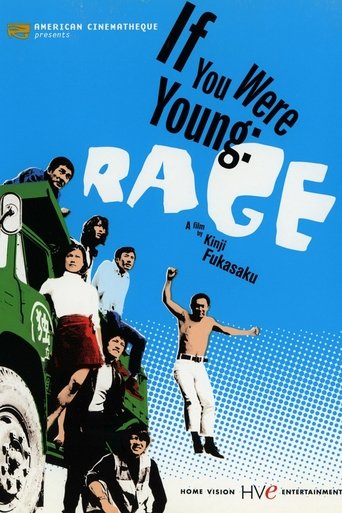
6.0If You Were Young: Rage highlights the other side of post-war Japanese prosperity, focusing on the throngs of young people who missed out on the boom. We follow a group of young men that can't seem to get ahead, despite their willingness to try. Then one hits upon a plan - to work together to save for a dump truck and thus become independent contractors and be their own bosses at last. Ultimately life presents obstacles: jail for one, violence at the hands of the police for another, and a girlfriend and subsequent children for the third. An early Kinji Fukasaku gem that imports the freewheeling style of the French New Wave and the hip detachment of American noir.
If You Were Young: Rage
1970
 NR
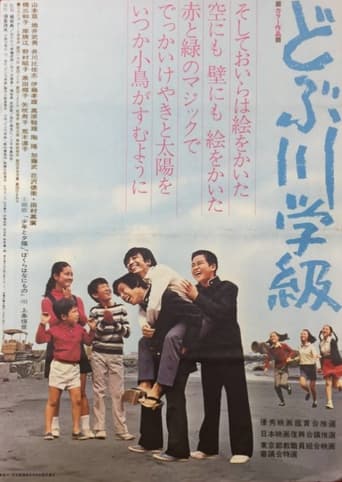
NRThe struggle of a young man and boys who try to create the environment where they can speak their minds freely.
The Class of the Sewage Canal
1972
1960s · 9 titles
7.7In a time of continuous civil wars ravaging the fields of feudal Japan, the eldest son of a very poor peasant family, living alongside the bridge over the Fuefuki river, decides to serve a warlord to escape his miserable condition, being soon followed by his younger brothers. Although not all the men of the family take this tragic path of death, women of the family will be doomed to endure the pain of loss during the next five generations.
The River Fuefuki
1960
7.1A woman remembers her own marriage when dealing with the love life of her son.
A Woman's Life
1963
7.2Based on the life and career of novelist Fumiko Hayashi, she bitterly struggles for literary recognition in the first half of the 20th-century – her affairs with feckless men, the jobs she took to survive (peddler, waitress, bar maid), and her arduous, often humiliating attempts to get published in a male-dominated culture.
A Wanderer's Notebook
1962
 8.1
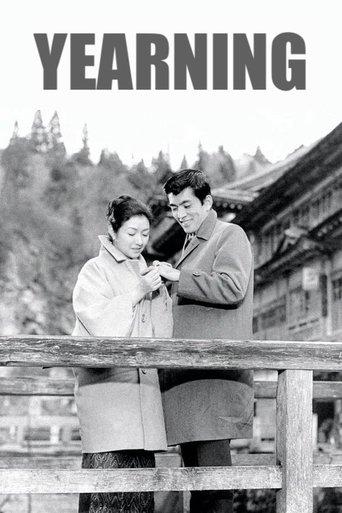
8.1War widow Reiko rebuilds and runs the grocery shop in the house of her husband's family. Many years later, their business is threatened by a newly built supermarket and Reiko's in-laws plan to convert their small shop into a supermarket, to her detriment.
Yearning
1964
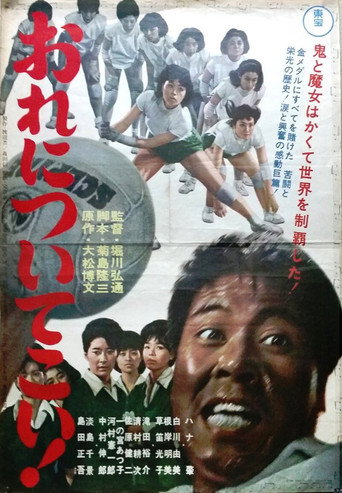 NR
NRNo synopsis available yet.
You Can If You Try
1965
 NR
NRIn a small town, Tomoko, a new bus conductor, works hard to prove herself. She crosses paths with Saburō, the company president’s playful younger brother, who slowly reveals a more sincere side.
Daybreak Chorus
1963
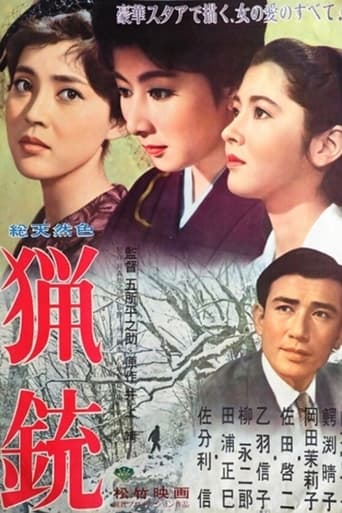 8.0
8.0Story of a woman, Saiko, who divorces her doctor husband when she is given a baby by a stranger who claims it is the husband's child. Saiko embarks on an affair with her cousin's husband, but a crisis threatens when she discovers that her ex-husband is about to remarry.
Hunting Rifle
1961
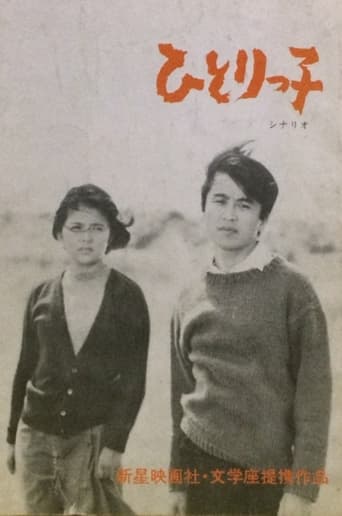 NR
NRNo synopsis available yet.
Only Child
1969
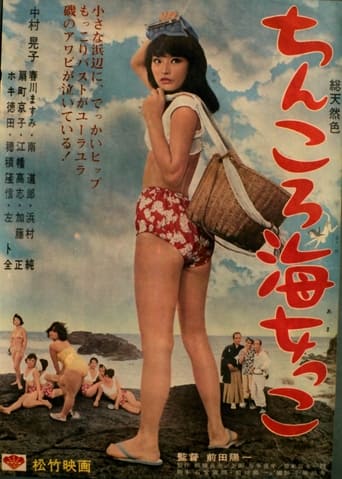 NR
NRSouth of Tokyo is a small island until quite recently relatively unchanged since feudal times. Now, however, it is being made into a tourist's playland and the girls, who had been abalone divers, now become geisha, and the old ways of the island are all topsy-turvy. One of the girls, more sensitive than the rest, sees that here, too, people are motivated only by greed and decides to leave and try to find a better life elsewhere.
The Abalone Gals
1965
1950s · 2 titles
5.8At the close of the war in Japan, a widowed mother makes every possible sacrifice to bring up her ungrateful son and daughter who are unimpressed with their poor standard of living at home. They gradually reject her in search of the material comforts that working as a maid cannot provide. The mother's despair becomes interminable.
A Japanese Tragedy
1953
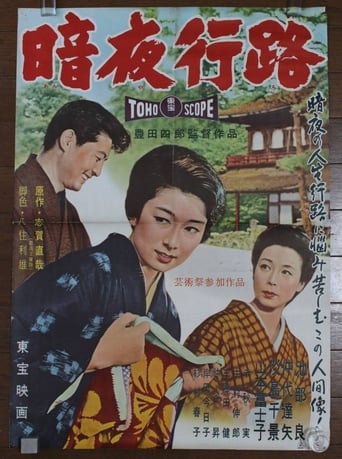 NR
NRWhen he was a little boy, Tokitō Kensaku was sent to live with his paternal grandfather and his mistress Oei. Years later, Kensaku realizes he has feelings for Oei.
Pilgrimage at Night
1959