

Acting
Stanley Holloway
Born — Died
1890-10-01 — 1982-01-30
Place of birth
Manor Park, London, England, UK
Known for
Acting
Credits
76 titles
Stanley Augustus Holloway, OBE (1 October 1890 – 30 January 1982) was an English stage and film actor, comedian, singer, poet and monologist. He was famous for his comic and character roles on stage and screen, especially that of Alfred P. Doolittle in My Fair Lady. He was also renowned for his recordings of comic monologues and songs, which he performed throughout most of his 70-year career. Born in London, in his early years Holloway pursued a career as a clerk. He made early stage appearances before infantry service in the First World War. After the war he joined a concert party, "The Co-Optimists", and his career began to flourish. At first he was chiefly employed as a singer, but his s…
Known for
 NR
NRThe Antoinette Perry Award for Excellence in Theatre, more commonly known as a Tony Award, recognizes achievement in live Broadway theatre. The awards are presented by the American Theatre Wing and The Broadway League at an annual ceremony in New York City. The awards are given for Broadway productions and performances, and an award is given for regional theatre.
Tony Awards
1956
 7.5
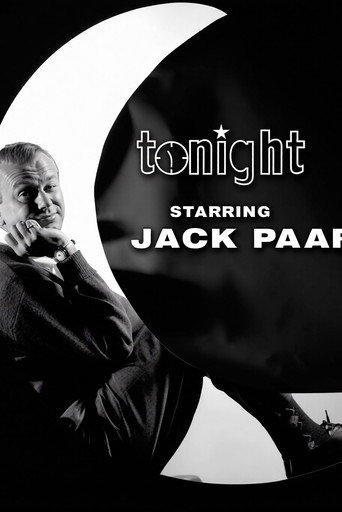
7.5Tonight Starring Jack Paar is an American talk show hosted by Jack Paar under The Tonight Show franchise from 1957 to 1962. It originally aired during late-night. During most of its run it was broadcast from Studio 6B inside the RCA Building. The same studio would also host early episodes of The Tonight Show Starring Johnny Carson, and Late Night with Jimmy Fallon. Its theme song was an instrumental version of "Everything's Coming Up Roses", and the closing theme was "So Until I See You" by Al Lerner.
Tonight Starring Jack Paar
1957
 6.8
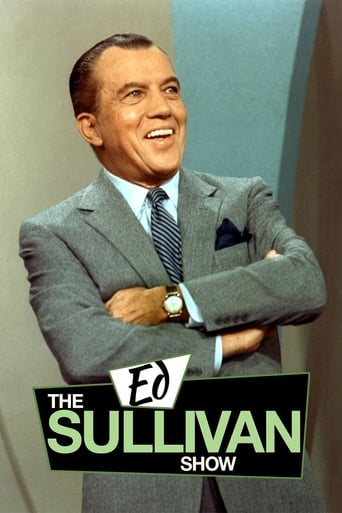
6.8The Ed Sullivan Show is an American TV variety show that originally ran on CBS from Sunday June 20, 1948 to Sunday June 6, 1971, and was hosted by New York entertainment columnist Ed Sullivan. It was replaced in September 1971 by the CBS Sunday Night Movie, which ran only one season and was eventually replaced by other shows. In 2002, The Ed Sullivan Show was ranked #15 on TV Guide's 50 Greatest TV Shows of All Time.
The Ed Sullivan Show
1948
 7.0
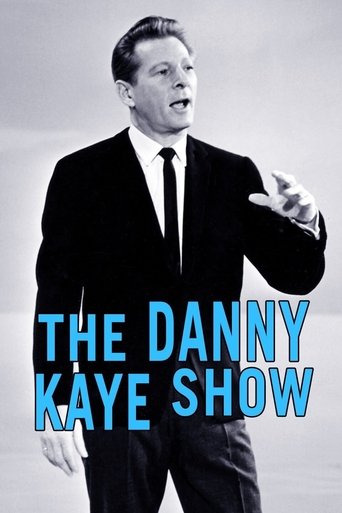
7.0The Danny Kaye Show is an American variety show hosted by Danny Kaye that aired on CBS from 1963 to 1967 on Wednesday nights. Directed by Robert Scheerer, the show premiered in black-and-white, but later switched to color broadcasts. At the time, Kaye was at the height of his popularity, having starred in a string of successful films in the 1940s and '50's, made successful personal appearances at such venues as the London Palladium, and appeared many times on television. His most recent films had been considered disappointing, but the television specials he starred in were triumphant, leading to this series. Prior to his television and film career, Kaye had made a name for himself with his own radio show, and numerous other guest appearances on other shows.
The Danny Kaye Show
1963
 8.0
8.0“The Bell Telephone Hour” was a musical variety show that aired on “NBC” TV from 12 January 1959 to 14 June 1968 that showcased the best in Broadway, Classical, Concert, Jazz and Popular music each week. The series had its’ own house band appropriately named the “Bell Telephone Orchestra”. The show also had its’ own theme song being the “Bell Waltz” composed by “Donald Voorhees” who was also the show's Orchestra conductor. Some of the greatest violinists of the 1960’s performed on this show that aired in the old “Black & White” format. Some of these great violinists included “Erica Mornin”, “Isaac Stern", "Michael Rabin", "Ruggiero Ricci", "Yehudi Menuhin" and "Zino Francesacatti". From time to time some of the great singers and bandleaders of the 1960’s would perform on the show as well. Some of these were “Bing Crosby”, “Gordon MacRae”, “John Gary”, “Leslie Uggams”, “Mary Martin”, “Nelson Eddy”, “Patti Page” and “Roy Rogers”. The TV show followed on the heels of its’ predecessor with the same name on “NBC” radio that aired from 29 April 1940 to 1958 on Monday nights at 8 PM. The name of the show was derived from its’ Major sponsor “Bell Telephone Laboratories”. The TV version began airing on Friday nights at 8:30 PM once a month. It later was given it’s same time slot now airing every other week alternating with another show on the other weeks such as News shows and specials. The show time slot changed quite often over the years. In September 1960 it aired at 9 PM and in September 1961 it moved to 9:30 PM. In October 1963 it moved to Tuesday nights at 10 PM, September 1965 it moved to Sunday night at 6:30 PM and in September 1967 it made its' final move back to Friday night at 10 PM.
The Bell Telephone Hour
1959
 7.4
7.4DuPont Show of the Month is an acclaimed 90-minute television anthology series that aired monthly on CBS from 1957 to 1961. The DuPont Company also sponsored a weekly half-hour anthology drama series hosted by June Allyson, The DuPont Show with June Allyson. During the Golden Age of Television, DuPont Show of the Month was one of numerous anthology series telecast between 1949 and 1962. Superficially, it resembled Playhouse 90 and other anthologies, but DuPont Show of the Month focused less on contemporary dramas and more on adaptations of literary classics, including Oliver Twist, The Prince and the Pauper, Billy Budd, The Prisoner of Zenda, A Tale of Two Cities and The Count of Monte Cristo.
DuPont Show of the Month
1957
Film credits
1970s · 6 titles
 6.8
6.8When a bored Sherlock eagerly takes the case of Gabrielle Valladon following an attempt on her life, the search for her missing husband leads to Loch Ness and the legendary monster.
The Private Life of Sherlock Holmes
1970
 6.0
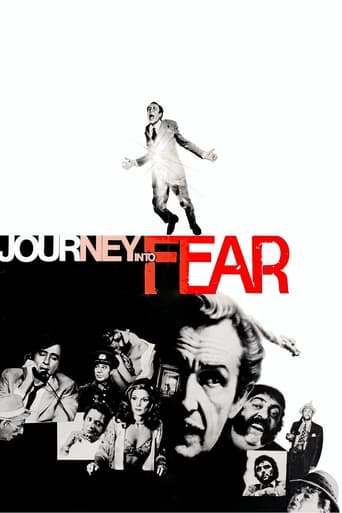
6.0U.S geologist discovers something about Oil that proves VERY threatening to the Turkish and Arab business people.
Journey into Fear
1975
 4.4
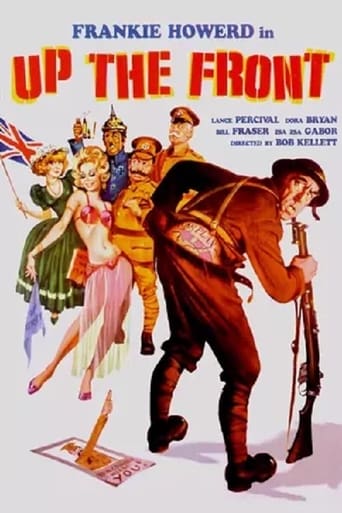
4.4In Frankie Howerd's third Up... film it's World War I and he plays Lurk, an absolute cowerd, er coward. He's evading the call-up for all he's worth. But one evening he's hypnotised by a drunken hypnotist (Stanley Holloway) into being brave, but he fails to be released from it. So with his yellow streak gone Lurk is down that army office before you can say "titter ye not." Off to war he goes, mingling with sexy spies like Zsa Zsa Gabor and before long, the spellbound recruit is heading hot-foot back to Blighty with the Germans' plan of attack tattooed on his bum, and the Germans are bringing up the rear...! Full of sauce, knowing real-life references and witty remarks to camera, this is a cheeky incorrigible final instalment.
Up the Front
1972
 8.0
8.0British television film about the life of Charles Dickens directed by Ned Sherrin and starring Anthony Hopkins, Jenny Agutter and Arthur Lowe. Hopkins performance as Dickens saw him nominated for the British Academy Television Award for Best Actor in 1971.
The Great Inimitable Mr. Dickens
1970
 5.9
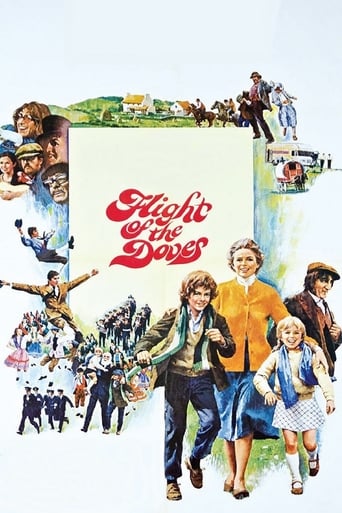
5.9While fleeing across the Irish countryside, two orphans are pursued by their villainous uncle, a master of disguises.
Flight of the Doves
1971
 6.2
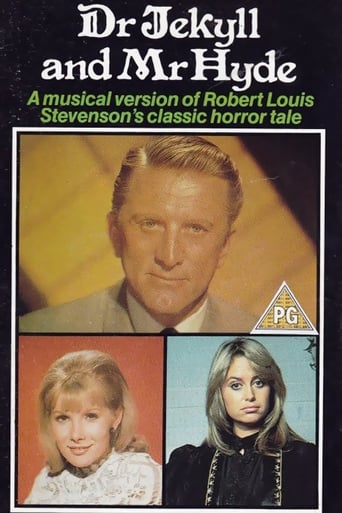
6.2Musical version of the story in which Dr. Henry Jekyll experiments with scientific means of revealing the hidden, dark side of man and releases a murderer from within himself.
Dr. Jekyll and Mr. Hyde
1973
1960s · 12 titles
 7.5
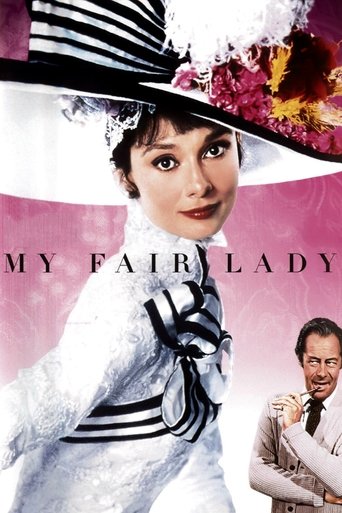
7.5A snobbish phonetics professor agrees to a wager that he can take a flower girl and make her presentable in high society.
My Fair Lady
1964
 6.6
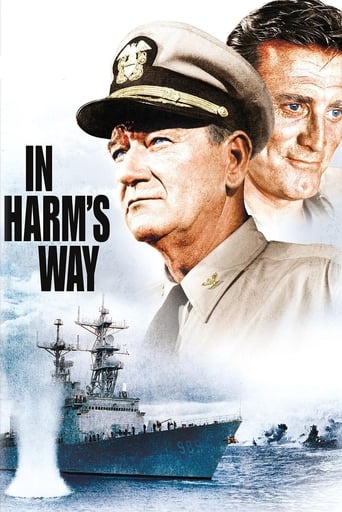
6.6A Naval officer, reprimanded after Pearl Harbor, is later promoted to Rear Admiral and gets a second chance to prove himself against the Japanese.
In Harm's Way
1965
 6.3
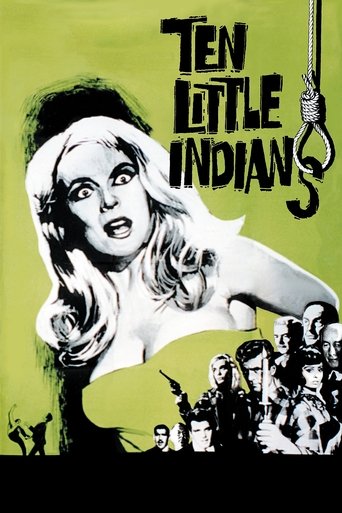
6.3Ten strangers are invited as weekend guests to a remote mountain mansion. When the host doesn't show up, the guests start dying, one by one.
Ten Little Indians
1965
 5.7
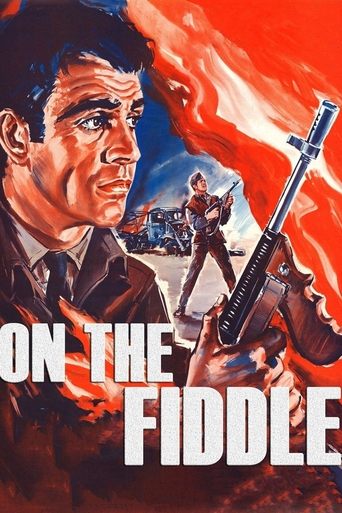
5.7Tricked into joining the RAF by a wily judge, wide boy Horace Pope sets his sights on the main chance, teams with slow-witted, good-hearted gypsy Pedlar Pascoe, and works up a lucrative racket in conning both his colleagues and the RAF. By means of various devious schemes Pope and Pascoe manage to avoid the front lines until they are sent to France - where they find themselves making unexpected and uncomfortably close contact with the enemy.
On the Fiddle
1961
Hello London is a 1958 documentary film starring Sonja Henie and Michael Wilding.
Hello London
1960
 6.1
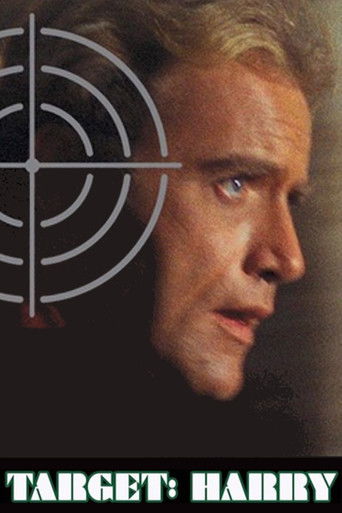
6.1Pilot Harry Black is hired to fly a man named Carlyle to Istanbul, where he's murdered. Now, mysterious Diane Reed and a local gangster, Rashi, are after Harry believing that he has the priceless plates Carlyle used to counterfeit money.
Target: Harry
1969
 6.7
6.7Johnnie Byrne is a member of the British Parliament. In his 40s, he's feeling frustrated with his life and his personal as well as professional problems tower up over him. His desires to win the next election are endangered by his constant looking for love and he is faced with the choice of giving up a career in politics or giving up the woman he loves.
No Love for Johnnie
1961
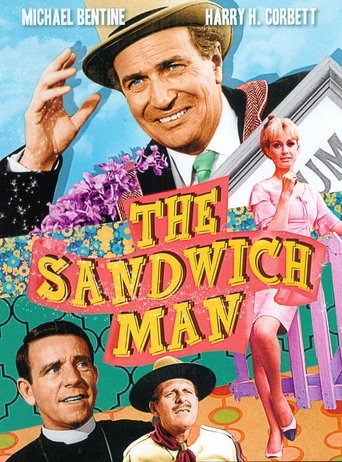 6.5
6.5A man with a sandwich-board (advert) wanders around London meeting many strange characters.
The Sandwich Man
1966
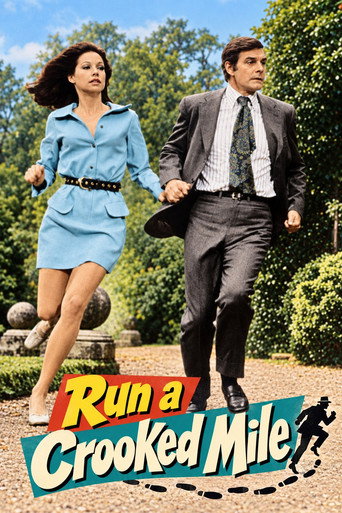 7.7
7.7A man witnesses a murder in a secluded mansion. When he reports it, there's no evidence of the murder, or that anyone was there. Two years later he wakes up in a hospital room after a polo accident to find he's had amnesia, is now married, and living in Switzerland. Now remembering the incident he returns to England to try to solve the mystery.
Run a Crooked Mile
1969
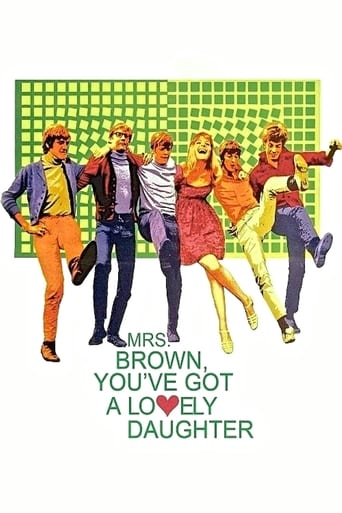 5.1
5.1Herman inherits a greyhound and decides to make his fortune by dog racing. After traveling from Manchester to London in the hope of entering a national invitational, Herman and his friends find work in a pop group, and Herman falls in love.
Mrs. Brown, You've Got a Lovely Daughter
1968
 NR
NRA musical special celebrating the fruitful collaboration of Broadway lyricist/librettist Alan Jay Lerner and composer Frederick Loewe. Stars from the current Broadway hit "Camelot" and from past triumphs such as "My Fair Lady," and the film "Gigi" perform the romantic, sophisticated songs of Lerner and Loewe.
The Broadway of Lerner and Loewe
1962
 NR
NRHosted by Cyril Ritchard, with performances by Florence Henderson, Barbara Harris, Stanley Holloway, John Cullum, Patricia McBride and Edward Villella. Songs include; On A Clear Day, The Heather On The Hill, Wait Till Were Sixty-Five, Wouldnt It Be Loverly?, Camelot, Why Cant A Woman Be More Like A Man?, How Could You Believe Me?, I Remember It Well, Without You, Gigi, Im Getting Married In The Morning, Hurry, Its Lovely Up Here, Melinda, On The S.S. Bernard Cohn, What Did I have That I Dont Have?, Ive Grown Accustomed To Her Face, Its Almost Like Being In Love, Bonnie Jean, Waltz At Maxims (She Is Not Thinking Of Me), I Could Have Danced All Night, On The Street Where You Live, and Come Back To Me.
The Lyrics of Alan Jay Lerner
1966
1950s · 14 titles
 7.2
7.2A meek bank clerk who oversees the shipments of bullion joins with an eccentric neighbor to steal gold bars and smuggle them out of the country.
The Lavender Hill Mob
1951
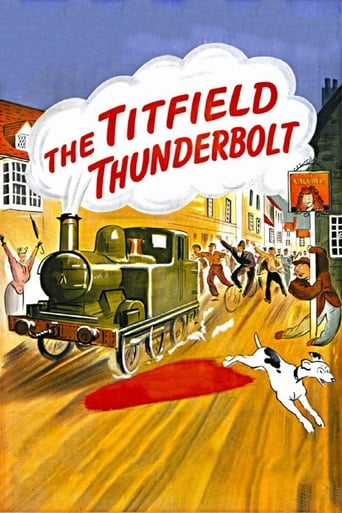 7.0
7.0When British Railways announce the closure of the Titfield to Mallingford branch line a group of local residents make a bid to run it themselves, backed by a monied member of the community who is attracted by the complete lack of licensing hours on trains. Unfortunately the local bus company starts to use methods that can hardly be seen as fair competition.
The Titfield Thunderbolt
1953
 5.9
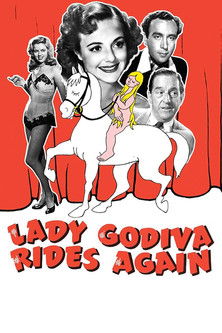
5.9Marjory Clark wins a competition in her Midland town and finds herself in a Festival of Britain procession as Lady Godiva - though not in the buff. This leads by way of a suspect beauty competition to the show-business world of London. But it could be a slippery slope for simple home-town Marge.
Lady Godiva Rides Again
1951
 6.4
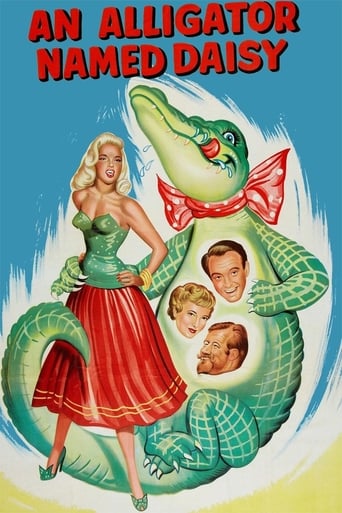
6.4Returning from a cricket match in Ireland, Peter Weston gains a pet alligator from another passenger who abandons it with him. He is horrified and while his first instinct is to get rid of it he develops a relationship with a young Irishwoman who appears to be entwined with the reptile. He soon discovers that Daisy is tame and seems to be the way to Moira's heart.
An Alligator Named Daisy
1955
 5.1
5.1Adaptation of John Gay's 18th century opera, featuring Laurence Olivier as MacHeath and Hugh Griffith as the Beggar.
The Beggar's Opera
1953
 5.8
5.8Based on the play by Ted Willis, the film is set in the years just before World War II, when England hadn't completely dug itself out of the worldwide depression. Melvyn Hayes is featured as an aimless teenager, who tries to escape his squalid surroundings by entering a life of crime. He falls in with local hoodlum Herbert Lom, who holds the rest of the slum citizens in the grip of fear including Hayes' own family. No Trees in the Street chronicles Hayes' sordid progress from nickel-and-dime thefts to murder.
No Trees in the Street
1959
 6.5
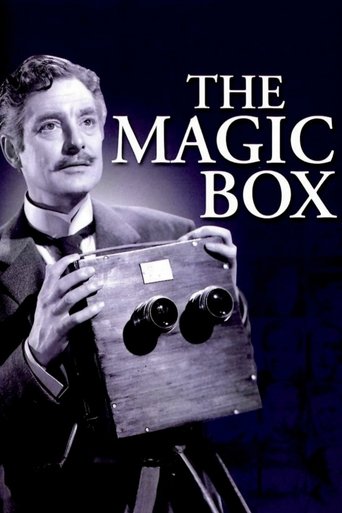
6.5Now old, ill, poor, and largely forgotten, William Freise-Greene was once young and handsome William Green. He changed his name to include his first wife's for the photographic portrait work he excelled at. But he was also an inventor and his search for a way to project moving pictures became an obsession that ultimately changed the life of all those he loved.
The Magic Box
1952
 7.8
7.8When the Government decide to build a Festival of Britain exhibition site, everything goes to plan, all except the fact that the main road and the pedestrian subway into the site, are blocked by a little corner shop, which is owned and run by a Mr. Lord and his family. When the Lords refuse to be bought off, and decline the compensation offered by the authorities. the police and the bailiffs try to evict them, only to come under fire from the family, who have barricaded themselves inside the shop.
The Happy Family
1952
 7.4
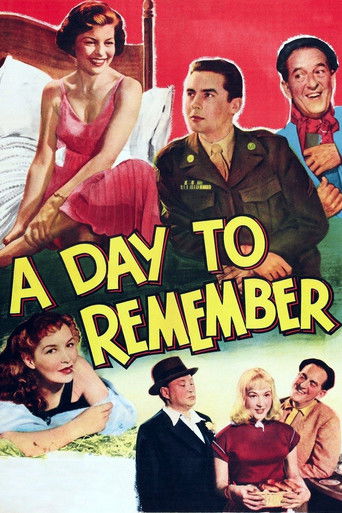
7.4A group of men from a London pub are going on a darts team outing to Boulogne. Various members of the party have different reasons for going and get involved in various adventures.
A Day to Remember
1953
 7.1
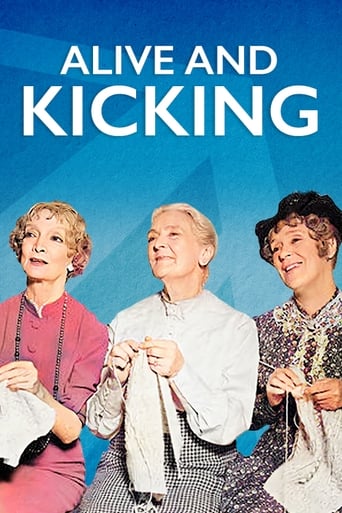
7.1Three elderly residents of a nursing home, fed up with their monotonous existence, engineer an escape from their drab surroundings and head for an impromptu holiday on an Irish island.
Alive and Kicking
1959
 5.2
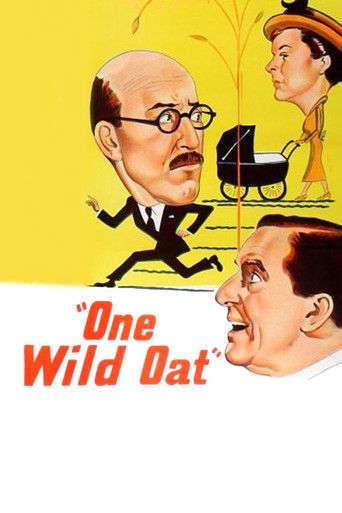
5.2A lawyer's plan to break up his daughter's budding romance backfires when the boyfriend's father becomes involved.
One Wild Oat
1951
 5.2
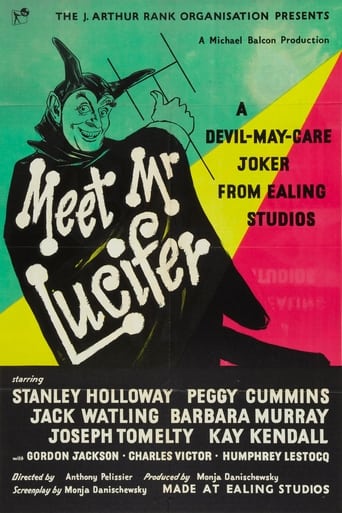
5.2A TV set given as a retirement present is sold on to different households causing misery each time.
Meet Mr. Lucifer
1953
 7.1
7.1Meet Me Tonight was the American title for the British-filmed Tonight at 8:30, adapted from the Noel Coward stage production of the same name.
Meet Me Tonight
1952
 8.0
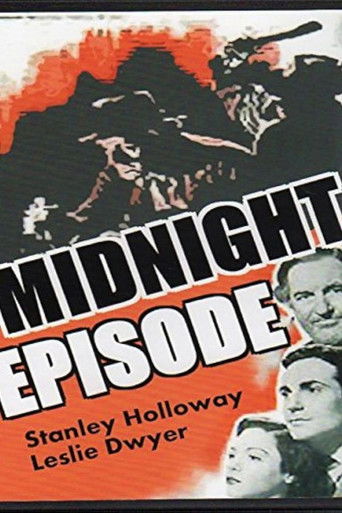
8.0A panhandler who opens car doors for people in London's theatre district finds himself involved in a deadly mystery when a corpse with a cash-stuffed wallet falls out of a vehicle and he helps himself to some of the money.
Midnight Episode
1950
1940s · 19 titles
 7.7
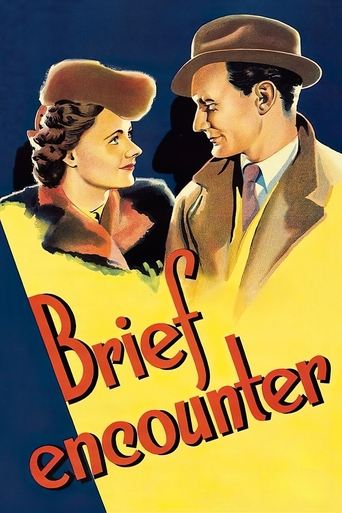
7.7Returning home from a shopping trip to a nearby town, bored suburban housewife Laura Jesson is thrown by happenstance into an acquaintance with virtuous doctor Alec Harvey. Their casual friendship soon develops during their weekly visits into something more emotionally fulfilling than either expected, and they must wrestle with the potential havoc their deepening relationship would have on their lives and the lives of those they love.
Brief Encounter
1945
 7.4
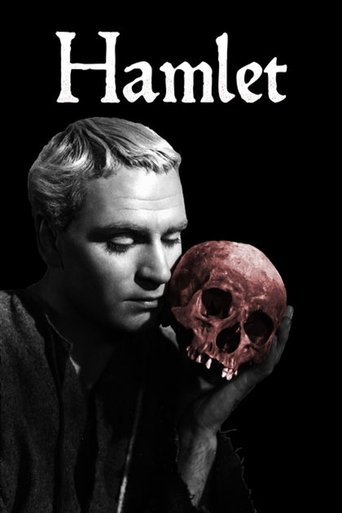
7.4Winner of four Academy Awards, including Best Picture and Best Actor, Sir Laurence Olivier’s Hamlet continues to be the most compelling version of Shakespeare’s beloved tragedy. Olivier is at his most inspired—both as director and as the melancholy Dane himself—as he breathes new life into the words of one of the world’s greatest dramatists.
Hamlet
1948
 6.2
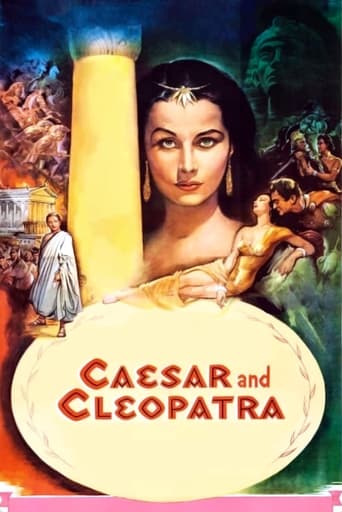
6.2At the height of the Roman Civil War, an aging Julius Caesar finds himself intrigued by the young Egyptian queen Cleopatra, whom he teaches how to rule Egypt.
Caesar and Cleopatra
1945
 6.9
6.9When an unexploded WWII bomb is accidentally detonated in Pimlico, it reveals a treasure trove and documents proving that the region is in fact part of Burgundy, France and thus foreign territory. The British government attempts to regain control by setting up border controls and cutting off services to the area.
Passport to Pimlico
1949
 6.4
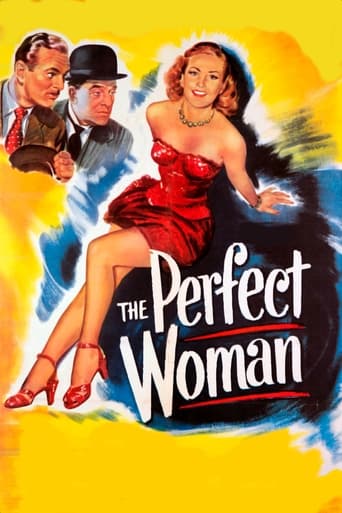
6.4In need of cash, Roger Cavendish and his valet take a job escorting the perfect woman for a night on the town. She is in fact the robotic creation of Professor Belman, but it turns out rather to be the Professor's niece Penelope doing a pretty good imitation of the perfect Olga who winds up with them in the bridal suite at the Hotel Splendide.
The Perfect Woman
1949
 7.1
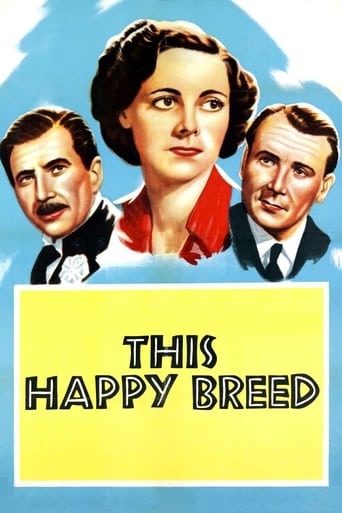
7.1A chronicle of the lives of the Gibbons family, from shortly after the end of the First World War to the beginning of the Second.
This Happy Breed
1944
 7.2
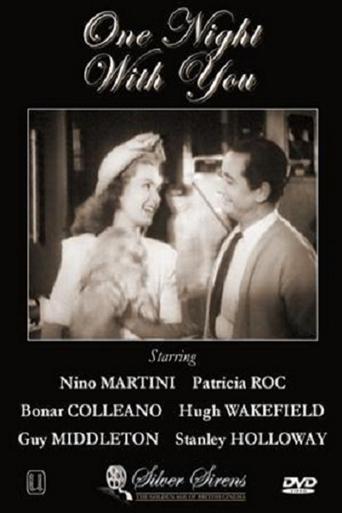
7.2Two strangers meet when they both miss their trains, and end up spending a penniless day and night together. An English version of 'It Happened One Night'.
One Night with You
1948
 6.7
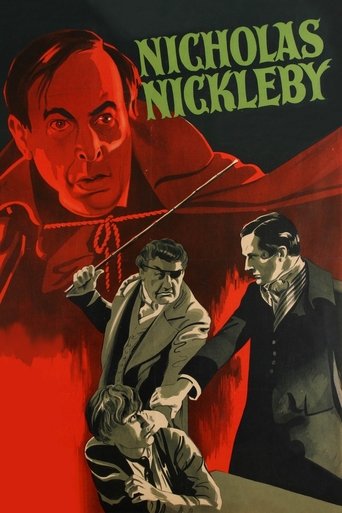
6.7A fatherless boy tries to make his fortune despite interference from his rich uncle.
The Life and Adventures of Nicholas Nickleby
1947
 7.0
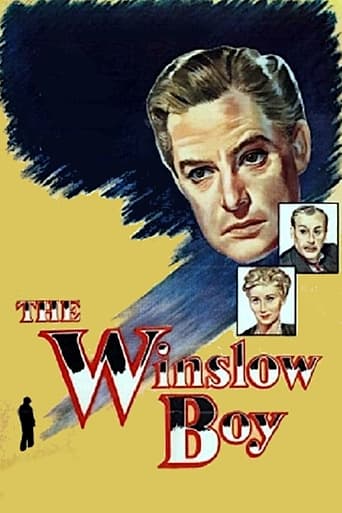
7.0In pre-WWI England, a youngster is expelled from a naval academy over a petty theft, but his parents raise a political furor by demanding a trial.
The Winslow Boy
1948
 7.5
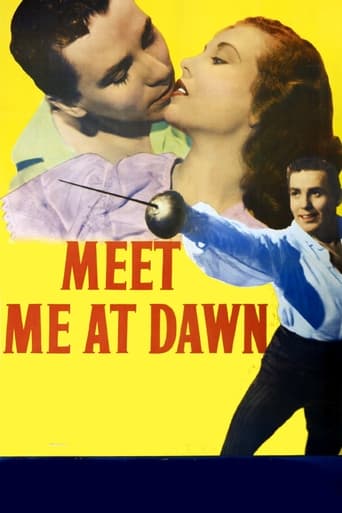
7.5A young man makes his living in Paris in 1900 by fighting duels on behalf of other parties. He is hired to injure a leading politician and starts to get involved with a girl he uses to provoke the challenge. One newspaper, hostile to the politician, headlines the story of the impending duel asking who this Madame X is. Problem is, she is in fact the daughter of the paper's proprietor if only he knew it.
Meet Me at Dawn
1947
 7.7
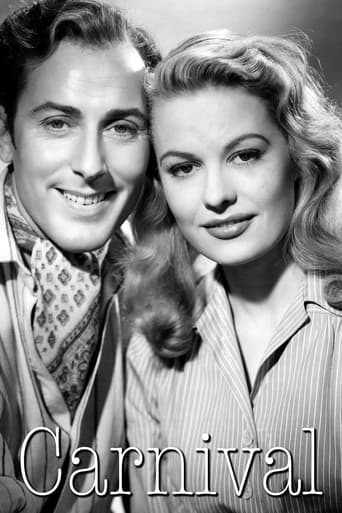
7.7A melodrama about a 19th-century ballet dancer who makes an unfortunate career move by marrying a taciturn Cornish farmer. She soon longs for the bright lights of the big city and for the arms of her artist lover. Unfortunately, her husband is all too aware of this.
Carnival
1946
 6.5
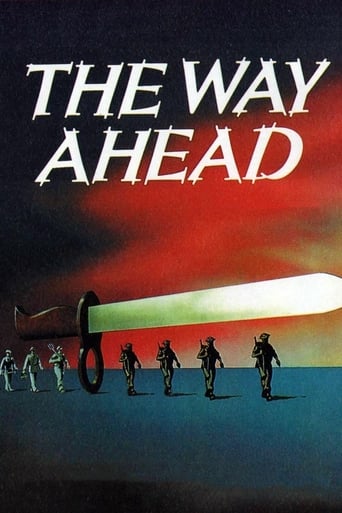
6.5A mismatched collection of conscripted civilians find training tough under Lieutenant Jim Perry and Sergeant Ned Fletcher when they are called up to replace an infantry battalion that had suffered casualties at Dunkirk.
The Way Ahead
1944
 6.1
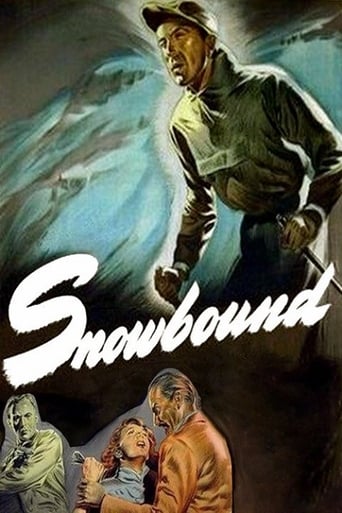
6.1Good and bad characters are stuck in a ski chalet near buried Nazi gold in the Alps.
Snowbound
1948
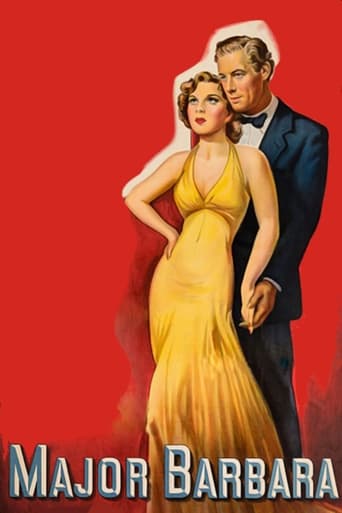 6.8
6.8Idealistic young Barbara is the daughter of rich weapons manufacturer Andrew Undershaft. She rebels against her estranged father by joining the Salvation Army. Wooed by professor-turned-preacher Adolphus Cusins, Barbara eventually grows disillusioned with her causes and begins to see things from her father's perspective.
Major Barbara
1941
 5.3
5.3Set in post Second World War Britain, Noose is the story of black market racketeers who face attempts to bring them to justice by an American fashion journalist, her ex-army fiancée and a gang of honest toughs from a local gym. When a corpse turns up at black market front The Blue Moon Club, Yank reporter Carole Landis starts snooping, much to gang boss Joseph Calleia’s annoyance. And soon there’s a hit man on the way...
Noose
1948
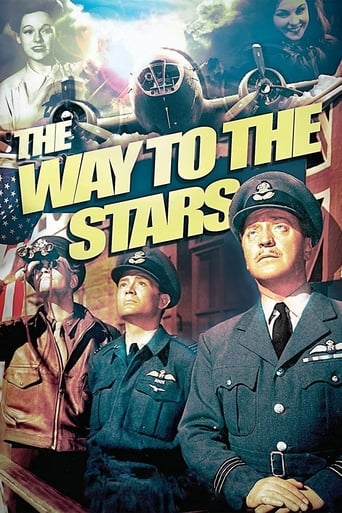 6.0
6.0Life on a British bomber base, and the surrounding towns, from the opening days of the Battle of Britain, to the arrival of the Americans, who join in the bomber offensive. The film centres around Pilot Officer Peter Penrose, fresh out of a training unit, who joins the squadron, and quickly discovers about life during war time. He falls for Iris, a young girl who lives at the local hotel, but he becomes disillusioned about marriage, when the squadron commander dies in a raid, and leaves his wife, the hotel manageress, with a young son to bring up. As the war progresses, Penross comes to terms that he has survived, while others have been killed.
The Way to the Stars
1945
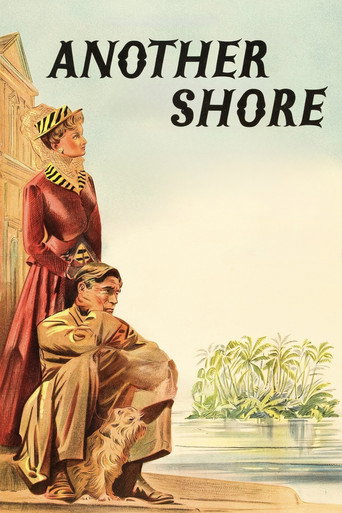 5.7
5.7A young Irishman comes up with an unusual plan to get the money to emigrate to Tahiti. One of the Ealing comedies.
Another Shore
1948
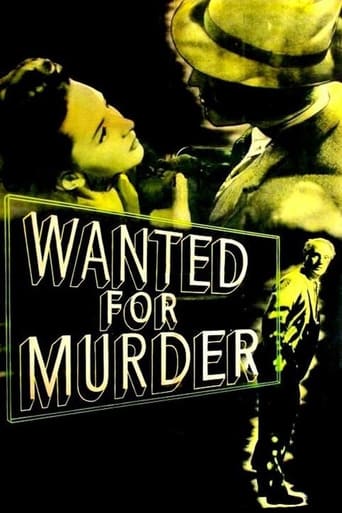 6.4
6.4The son of a notorious hangman is gradually becoming insane and he finds himself unable to resist the urge to strangle women to death.
Wanted for Murder
1946
 NR
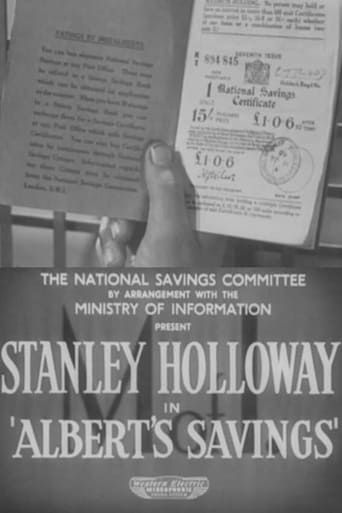
NRA homily on the duty to save, in the guise of one of the "Albert" rhyming monologues, recited by Stanley Holloway.
Albert's Savings
1940
1930s · 9 titles
 5.8
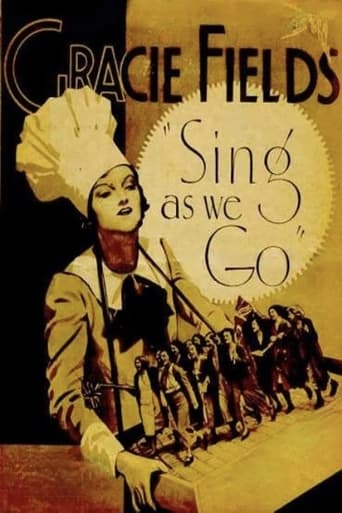
5.8When the textile mill closes, putting her out of work, Gracie finds herself experiencing all of the amusements of Blackpool.
Sing As We Go
1934
 6.0
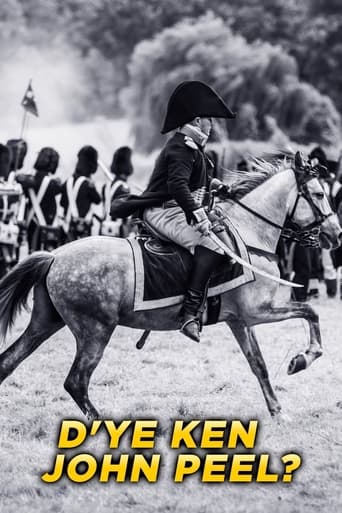
6.0Major John Peel returns to England, following Napoleon's Waterloo defeat, and renews his acquaintance with Lucy Merrall, but she tells him she is engaged to be married. He later learns that, Cravens, the man she is to marry already has a wife. He also learns that Craven cleaned out Lucy's father in a crooked gambling game, and Lucy is paying the price to hold the family home together.
D’Ye Ken John Peel?
1935
No synopsis available yet.
The Lion and Albert
1937
 6.2
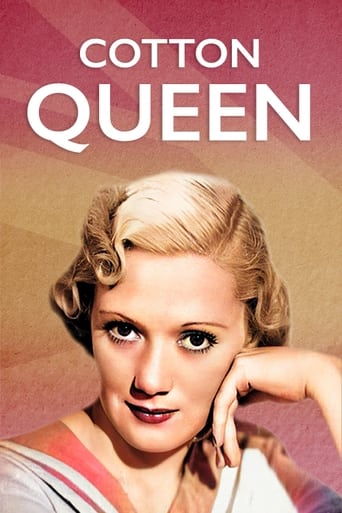
6.2The niece of a mill-owner goes undercover in the mill of a rival, where she gets mixed up in romantic antics.
Cotton Queen
1937
 8.0
8.0A Doctor tries to pass off a singer as his wife in Paris in 1904.
The Girl from Maxim's
1933
One of the greatest personalities of modern times. The life of a statesman who has helped to make the new map of Europe.
Drummed Out
1935
Based on a comic monologue performed by Stanley Holloway on radio and records.
Gunner Sam
1937
It is love at first sight between Juliet and Allan as they catch sight of each other on passing trains. Allan has his song-writing friend Bill to write a song of the incident and he has it broadcast. Juliet, through the hints provided in the song, responds and comes to Allan's home, where he is working on a safety-match invention.
Love at Second Sight
1934
Halt, Who Goes There?
Halt, Who Goes There?
1936
Series credits
NRThe Antoinette Perry Award for Excellence in Theatre, more commonly known as a Tony Award, recognizes achievement in live Broadway theatre. The awards are presented by the American Theatre Wing and The Broadway League at an annual ceremony in New York City. The awards are given for Broadway productions and performances, and an award is given for regional theatre.
Tony Awards
1956
7.5Tonight Starring Jack Paar is an American talk show hosted by Jack Paar under The Tonight Show franchise from 1957 to 1962. It originally aired during late-night. During most of its run it was broadcast from Studio 6B inside the RCA Building. The same studio would also host early episodes of The Tonight Show Starring Johnny Carson, and Late Night with Jimmy Fallon. Its theme song was an instrumental version of "Everything's Coming Up Roses", and the closing theme was "So Until I See You" by Al Lerner.
Tonight Starring Jack Paar
1957
6.8The Ed Sullivan Show is an American TV variety show that originally ran on CBS from Sunday June 20, 1948 to Sunday June 6, 1971, and was hosted by New York entertainment columnist Ed Sullivan. It was replaced in September 1971 by the CBS Sunday Night Movie, which ran only one season and was eventually replaced by other shows. In 2002, The Ed Sullivan Show was ranked #15 on TV Guide's 50 Greatest TV Shows of All Time.
The Ed Sullivan Show
1948
7.0The Danny Kaye Show is an American variety show hosted by Danny Kaye that aired on CBS from 1963 to 1967 on Wednesday nights. Directed by Robert Scheerer, the show premiered in black-and-white, but later switched to color broadcasts. At the time, Kaye was at the height of his popularity, having starred in a string of successful films in the 1940s and '50's, made successful personal appearances at such venues as the London Palladium, and appeared many times on television. His most recent films had been considered disappointing, but the television specials he starred in were triumphant, leading to this series. Prior to his television and film career, Kaye had made a name for himself with his own radio show, and numerous other guest appearances on other shows.
The Danny Kaye Show
1963
8.0“The Bell Telephone Hour” was a musical variety show that aired on “NBC” TV from 12 January 1959 to 14 June 1968 that showcased the best in Broadway, Classical, Concert, Jazz and Popular music each week. The series had its’ own house band appropriately named the “Bell Telephone Orchestra”. The show also had its’ own theme song being the “Bell Waltz” composed by “Donald Voorhees” who was also the show's Orchestra conductor. Some of the greatest violinists of the 1960’s performed on this show that aired in the old “Black & White” format. Some of these great violinists included “Erica Mornin”, “Isaac Stern", "Michael Rabin", "Ruggiero Ricci", "Yehudi Menuhin" and "Zino Francesacatti". From time to time some of the great singers and bandleaders of the 1960’s would perform on the show as well. Some of these were “Bing Crosby”, “Gordon MacRae”, “John Gary”, “Leslie Uggams”, “Mary Martin”, “Nelson Eddy”, “Patti Page” and “Roy Rogers”. The TV show followed on the heels of its’ predecessor with the same name on “NBC” radio that aired from 29 April 1940 to 1958 on Monday nights at 8 PM. The name of the show was derived from its’ Major sponsor “Bell Telephone Laboratories”. The TV version began airing on Friday nights at 8:30 PM once a month. It later was given it’s same time slot now airing every other week alternating with another show on the other weeks such as News shows and specials. The show time slot changed quite often over the years. In September 1960 it aired at 9 PM and in September 1961 it moved to 9:30 PM. In October 1963 it moved to Tuesday nights at 10 PM, September 1965 it moved to Sunday night at 6:30 PM and in September 1967 it made its' final move back to Friday night at 10 PM.
The Bell Telephone Hour
1959
8.0“The Bell Telephone Hour” was a musical variety show that aired on “NBC” TV from 12 January 1959 to 14 June 1968 that showcased the best in Broadway, Classical, Concert, Jazz and Popular music each week. The series had its’ own house band appropriately named the “Bell Telephone Orchestra”. The show also had its’ own theme song being the “Bell Waltz” composed by “Donald Voorhees” who was also the show's Orchestra conductor. Some of the greatest violinists of the 1960’s performed on this show that aired in the old “Black & White” format. Some of these great violinists included “Erica Mornin”, “Isaac Stern", "Michael Rabin", "Ruggiero Ricci", "Yehudi Menuhin" and "Zino Francesacatti". From time to time some of the great singers and bandleaders of the 1960’s would perform on the show as well. Some of these were “Bing Crosby”, “Gordon MacRae”, “John Gary”, “Leslie Uggams”, “Mary Martin”, “Nelson Eddy”, “Patti Page” and “Roy Rogers”. The TV show followed on the heels of its’ predecessor with the same name on “NBC” radio that aired from 29 April 1940 to 1958 on Monday nights at 8 PM. The name of the show was derived from its’ Major sponsor “Bell Telephone Laboratories”. The TV version began airing on Friday nights at 8:30 PM once a month. It later was given it’s same time slot now airing every other week alternating with another show on the other weeks such as News shows and specials. The show time slot changed quite often over the years. In September 1960 it aired at 9 PM and in September 1961 it moved to 9:30 PM. In October 1963 it moved to Tuesday nights at 10 PM, September 1965 it moved to Sunday night at 6:30 PM and in September 1967 it made its' final move back to Friday night at 10 PM.
The Bell Telephone Hour
1959
7.4DuPont Show of the Month is an acclaimed 90-minute television anthology series that aired monthly on CBS from 1957 to 1961. The DuPont Company also sponsored a weekly half-hour anthology drama series hosted by June Allyson, The DuPont Show with June Allyson. During the Golden Age of Television, DuPont Show of the Month was one of numerous anthology series telecast between 1949 and 1962. Superficially, it resembled Playhouse 90 and other anthologies, but DuPont Show of the Month focused less on contemporary dramas and more on adaptations of literary classics, including Oliver Twist, The Prince and the Pauper, Billy Budd, The Prisoner of Zenda, A Tale of Two Cities and The Count of Monte Cristo.
DuPont Show of the Month
1957
 8.8
8.8Long-running anthology program sponsored by Hallmark Cards. Beginning in 1951 and continuing into 2019, the series received 80 Emmy Awards, 24 Christopher Awards, 11 Peabody Awards, 9 Golden Globes, and 4 Humanitas Prizes. Early seasons were a weekly live drama, eventually transitioning to videotaped and then filmed productions broadcast as occasional specials.
Hallmark Hall of Fame
1951
The World of Wodehouse was a comedy television series, based on the Blandings Castle and Ukridge comedy stories by P. G. Wodehouse. The series, which followed The World of Wooster, was shown on BBC Television during 1967 and 1968. Apart from one or more extracts from a solitary episode of Blandings Castle broadcast in February 1967, all episodes of both series are lost.
The World of Wodehouse
1967
 7.5
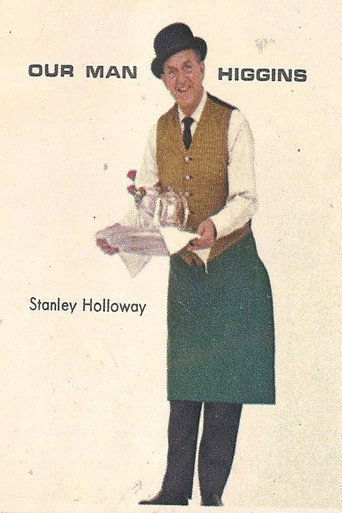
7.5Our Man Higgins is an American situation comedy that aired on ABC from October 3, 1962, to May 17, 1963.
Our Man Higgins
1962
 6.0
6.0Armchair Theatre is a British television drama anthology series of single plays that ran on the ITV network from 1956 to 1974. It was originally produced by Associated British Corporation, and later by Thames Television from mid-1968.
Armchair Theatre
1956
Features some of the talent who were in vogue before the new broom of Beyond the Fringe swept through comedy.
Before the Fringe
1967
Blandings Castle, based on P. G. Wodehouse's short stories in the same shared universe, is half of the larger British anthology series The World of Wodehouse. The six-episode miniseries broadcast on BBC1 from 24 Februrary to 31 March 1967.
Blandings Castle
1967
No synopsis available yet.
Thingumybob
1968