
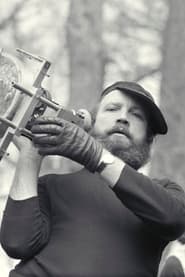
Camera
János Tóth
Born — Died
1930-05-01 — 2019-08-29
Place of birth
Tolna, Hungary
Known for
Camera
Credits
13 titles
Known for
 4.5
4.5Karoly Makk's heartbreaking story of two unmarried sisters who cast wistful glances back at their lives, but still believe in hope and love, earned an Academy Award Nomination for Best Foreign Language Film in 1974. In this follow-up to the director's internationally acclaimed Love, Makk once again exhibits his extraordinary skills at drawing emotionally compelling performances from his talented female leads. Makk's film opposes the bleakness of the outside world with passion, love, and loyalty.
Cat's Play
1974
 6.9
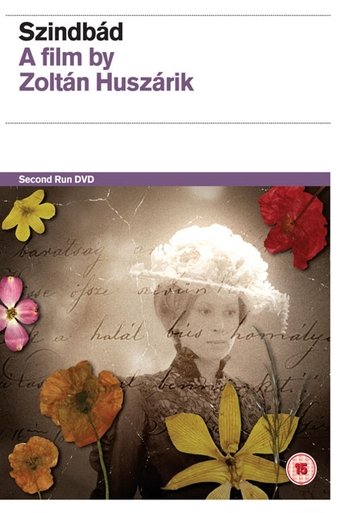
6.9Based on the stories of Hungarian writer Gyula Krúdy, this film is a lush and sensuous depiction of the life, loves and memories of serial seducer Szindbád. As the protagonist looks back on his life, past and present, imagination and reality flow inseparably into one another.
Sinbad
1971
 NR
NRA young female interpreter meets her former great love, who now lives abroad and is married, yet she is completely convinced that there is still a chance for a fresh start.
Vásár
1985
 6.6
6.6Shreds and fragments of film poetry that make its own place on the edge of a document film. The film is a college of dialogue between nature, abandoned country, and human fancy.
Capriccio
1970
 NR
NRIn memory of Janos Toth. The ciematographer on title is no other than János Tóth, who is still the role model and reference point for all Hungarian cinematographers. He has proven his unique talent in all cinematographic genres. In his unmissable features, shorts and documentary films, he set an example to his peers with his tight compositions and his art of light. His experimental cinematographic films, shot with the optics he developed, were far ahead of their time. Our portrait film explores the oeuvre of this exceptional cinematographic artist.
A kinematográfus
2022
 NR
NRThe candle as light, photography using light, refraction, motion picture, that is, the film poem-like recollection of the magical world of cinematography.
Study I.
1974
Film credits
Behind the camera
4.5Karoly Makk's heartbreaking story of two unmarried sisters who cast wistful glances back at their lives, but still believe in hope and love, earned an Academy Award Nomination for Best Foreign Language Film in 1974. In this follow-up to the director's internationally acclaimed Love, Makk once again exhibits his extraordinary skills at drawing emotionally compelling performances from his talented female leads. Makk's film opposes the bleakness of the outside world with passion, love, and loyalty.
Cat's Play
1974
6.9Based on the stories of Hungarian writer Gyula Krúdy, this film is a lush and sensuous depiction of the life, loves and memories of serial seducer Szindbád. As the protagonist looks back on his life, past and present, imagination and reality flow inseparably into one another.
Sinbad
1971
6.6Shreds and fragments of film poetry that make its own place on the edge of a document film. The film is a college of dialogue between nature, abandoned country, and human fancy.
Capriccio
1970
NRThe candle as light, photography using light, refraction, motion picture, that is, the film poem-like recollection of the magical world of cinematography.
Study I.
1974
Poézis is, via the sculptures of a simple woodcarver, a cultural imprint of the life of the peasantry.
Poetry
1972
No synopsis available yet.
Still Life
1963
 NR
NRAréna is nothing less than an attempt at spatial-temporal filming. It is an associative, avant-garde universe, the entire universe of the world, culture, edited into images of the masses participating in a match and then dispersing, in one- to four-frame flashes with music by Péter Eötvös.
Arena
1970
 NR
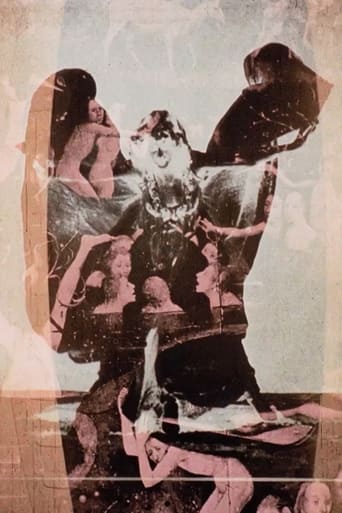
NRThe extreme forms of light experiments conducted with candles in the intersection of early cinema and avant-garde experiments. The film image is the unforgettable, self-reflective stratification of abstract studies.
Study II.
1975
 NR
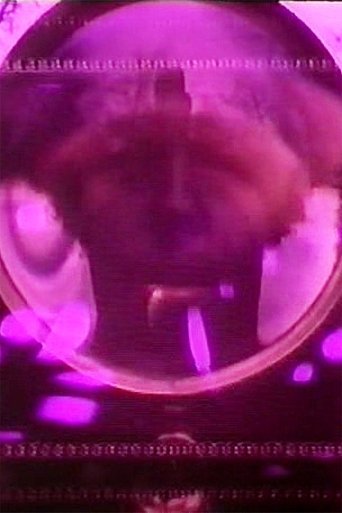
NRRagyogás is a polyphonic series of studies on film and light; it creates and reshapes cinema’s mythical world and language.
Shine
1980
 NR
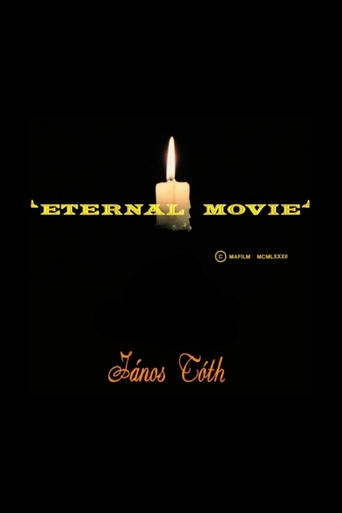
NRThis audio-visual universe peppered with Laozi quotations and made in Balázs Béla Studio represents the culmination of artistic self-expression of János Tóth. It is a self-selected auteur anthology of four of his experimental films.
Eternal Movie
1982
 10.0
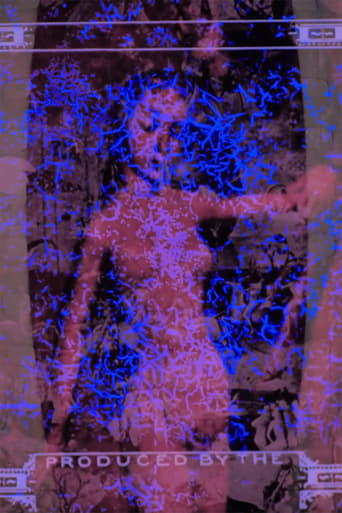
10.0Effects of refractional experiments put in the language of the film.
Motion Picture
1976