
Known for
 8.0
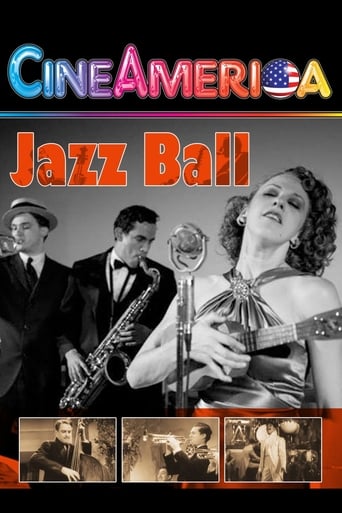
8.0A made-for-TV musical revue, compiled from soundies and film and TV performances by jazz greats from the 1930s to the 1950s.
Jazz Ball
1956
 5.4
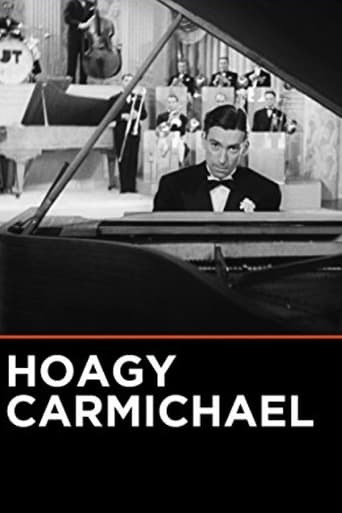
5.4Short musical subject featuring the work of composer Hoagy Carmichael performed by him and featuring Jack Teagarden and his Orchestra, as well as vocalist Meredith Blake.
Hoagy Carmichael
1939
 6.3
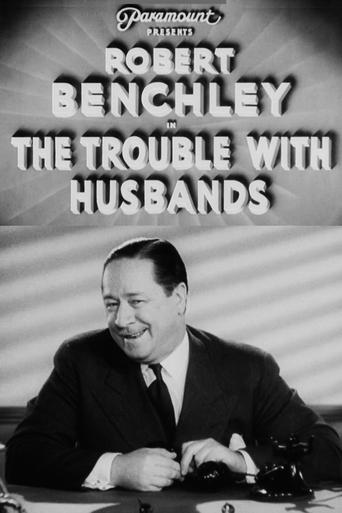
6.3Benchley, in his own unique way, starts to drive his wife crazy. First he waits until just as she is serving dinner before he goes to wash his hands and shave. Then she sends him to the store for some butter, and he comes back with everything - except butter. Finally, he decides to install a small shelf on the wall - and makes a major production out of it.
The Trouble with Husbands
1940
A lecturer on domestic difficulties, having previously discussed the subject from a woman's viewpoint, now proceeds to present the man's perspective. He emphasizes that he wishes to avoid generalizations that would apply to all women. Instead, he plans to present a series of sketches that illustrate possibly isolated examples of some of the ways that particular women have baffled or frustrated their husbands by their behavior.
The Man's Angle
1942
 NR
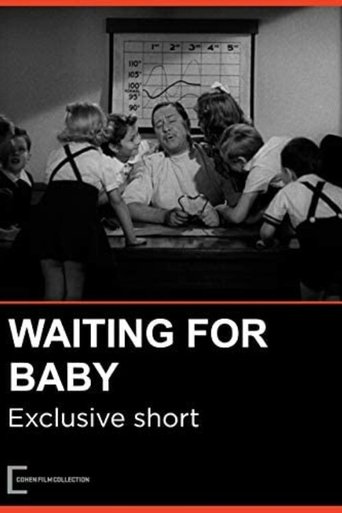
NRRobert Benchley aims his keen observational skills toward expectant fathers.
Waiting for Baby
1941
A 10-minute short headlining the dance music of Lawrence Welk and His Orchestra, with emphasis on the accordion and an electric organ. Featured singers are Lois Best and Parnell Grina, with the band providing the music on "Bubbles in the Wine,", Welk's theme song; "Ain't She Sweet," "Linda Lonesome," "I Go For That" and the finale, "When Paw was Courtin' Maw."
The Champagne Music of Lawrence Welk
1939
Behind the camera
8.0A made-for-TV musical revue, compiled from soundies and film and TV performances by jazz greats from the 1930s to the 1950s.
Jazz Ball
1956
5.4Short musical subject featuring the work of composer Hoagy Carmichael performed by him and featuring Jack Teagarden and his Orchestra, as well as vocalist Meredith Blake.
Hoagy Carmichael
1939
6.3Benchley, in his own unique way, starts to drive his wife crazy. First he waits until just as she is serving dinner before he goes to wash his hands and shave. Then she sends him to the store for some butter, and he comes back with everything - except butter. Finally, he decides to install a small shelf on the wall - and makes a major production out of it.
The Trouble with Husbands
1940
A lecturer on domestic difficulties, having previously discussed the subject from a woman's viewpoint, now proceeds to present the man's perspective. He emphasizes that he wishes to avoid generalizations that would apply to all women. Instead, he plans to present a series of sketches that illustrate possibly isolated examples of some of the ways that particular women have baffled or frustrated their husbands by their behavior.
The Man's Angle
1942
NRRobert Benchley aims his keen observational skills toward expectant fathers.
Waiting for Baby
1941
A 10-minute short headlining the dance music of Lawrence Welk and His Orchestra, with emphasis on the accordion and an electric organ. Featured singers are Lois Best and Parnell Grina, with the band providing the music on "Bubbles in the Wine,", Welk's theme song; "Ain't She Sweet," "Linda Lonesome," "I Go For That" and the finale, "When Paw was Courtin' Maw."
The Champagne Music of Lawrence Welk
1939
Part of Paramount Headliner: Hollywood Star Reporter series
The Star Reporter in Hollywood
1937
In this Robert Benchley instructional video, he demonstrates the pitfalls of a homebody husband attempting to take a vacation apart from his wife.
How to Take a Vacation
1941
Gene Krupa and His Orchestra have a jam session.
Gene Krupa: America's Ace Drummer Man and His Orchestra
1941
A fictional plot Paramount Headline series short that follows the busy day of the Himber Orchestra. It opens with the band at morning rehearsal, playing the novelty number "Sound Your A." Then to the phonograph-recording studio as they record a disc of the fox-trot ballad, "True Confessions", with band vocalist Alice Marion singing the song. Then to a radio-studio where they play "St. Louis Blues", accompanied by the Selinsky String Quartet and the Adrian Rollini Trio. The day/night finishes at dawn with the band in a nightclub, with singer Stuart Allen vocalizing "Blossoms on Broadway."
Himber Harmonies
1938
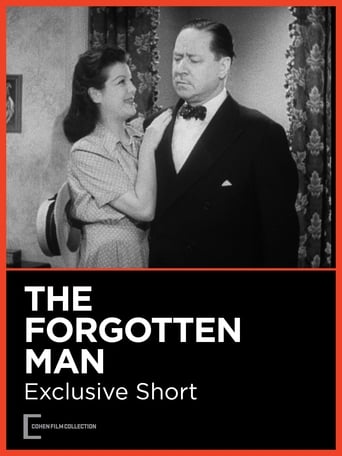 9.0
9.0Robert Benchley's wry forerunner to "Father of the Bride" detailing his perspective of the upcoming nuptials.
The Forgotten Man
1941
Robert Benchley lectures on physical witness in middle age.
Keeping in Shape
1942
An all-girl band under the direction of Phil Spitalny play us a bunch of tunes.
Queens of Harmony
1937
An entry in Paramount's "Star Reporter" series starring Ted Husing. As usual, Ted is seated at a desk introducing various acts and peoplle, and the camera cuts to these acts playing at various clubs and cabarets in NYC.
The Star Reporter
1938
In a nightclub setting, Bob Crosby and His Orchestra play five numbers, as young couples dance in front of the bandstand, in contrasting styles ranging from Dixieland to Blues to Ragtime Pop to Swing: "How'dja Like to Love Me?", "Pagan Love Song", "Moments Like This", "Romance in the Dark" and one of the group's best-known recordings, "The South Rampart Street Blues." The featured vocalist if Kay Weber and the drummer is Ray Bauduc.
Paramount Headliner: Bob Crosby and His Orchestra
1938
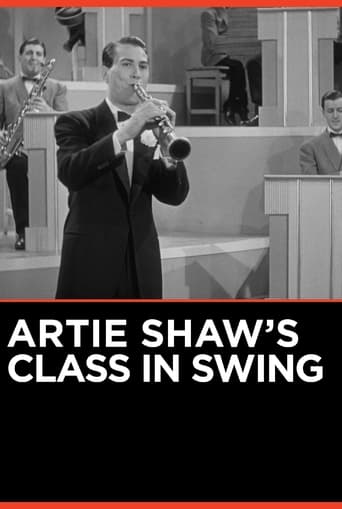 6.7
6.7This film is less a typical musical short and more like an educational film. It consists of a narrator describing the music, composition and style of a big band.
Artie Shaw's Class in Swing
1939
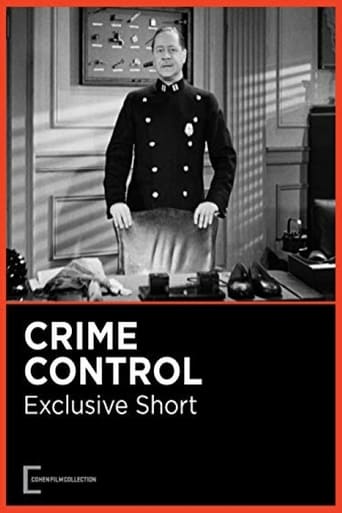 5.5
5.5A police officer alerts his audience to the fact that inanimate objects can be as dangerous as human criminals. He then displays several offenders that have recently been brought in. Shoelaces, for example, have an objectionable habit of breaking at crucial moments. The officer proceeds to call attention to window shades, bedroom slippers, and other menaces. He also answers his critics who advocate reasoning with these objects rather than punishing them.
Crime Control
1941
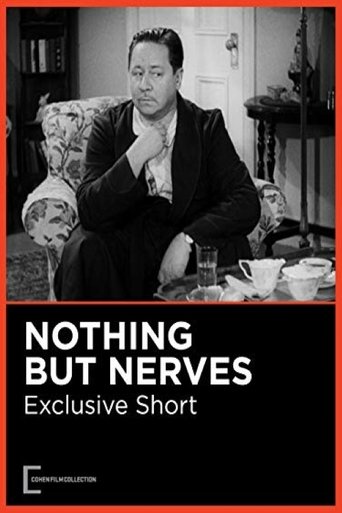 4.5
4.5After some investigation, Robert Benchley finds his nerves are in a bad state. He has the jitters so bad he can't hold his cup still enough to drink his coffee, and he thinks the arrival of some plumbers is just a giant conspiracy to keep him unnerved.
Nothing But Nerves
1942
 8.0
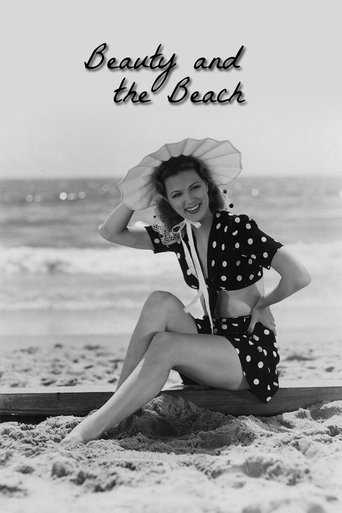
8.0This Paramount Headliner short (in-house number A1-1) was filmed at Jones Beach and features a background of pretty girls, bathing suits and the ocean. Johnny Long and His Orchestra provide the music for five songs, including "Kiss the Boys Goodbye", and Helen Young and Bob Huston provide the vocals.
Beauty and the Beach
1941
Phil Spitalny's orchestra of accomplished girl musicians and singers appear here amid Cinecolor surroundings of sheer beauty. The musical content is also noteworthy with its fresh instrumental arrangements and finished performance.
Moments of Charm
1938
 6.6
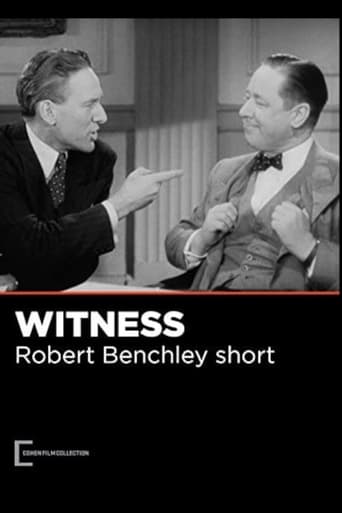
6.6As Joe Doakes is reading the newspaper, he begins to talk to himself. Questioned by his wife, he explains that he is disturbed by the paper's account of the ways that a government investigative committee has been interrogating its witnesses. Joe then nods off, and imagines that he is being questioned by the committee. He envisages how satisfying it would be to turn the tables on the investigators.
The Witness
1942