
Acting
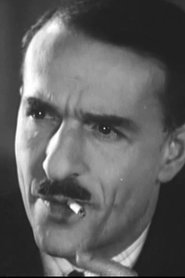
Vladimir Tsoppi
Born — Died
1889-04-25 — 1970-05-28
Place of birth
Russian Empire
Known for
Acting
Credits
24 titles
Known for
 9.0
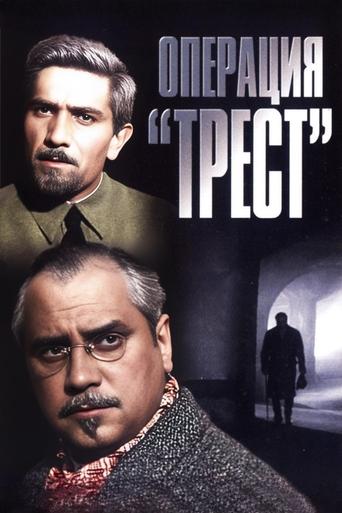
9.0The series is about the operation code-named "Trest", which under the leadership of F.E.Dzerzhinsky was carried out by the VChK to identify and eliminate the counter-revolutionary and monarchist underground on the territory of the USSR, associated with foreign white-emigrant organizations.
Operation 'Trust'
1968
 5.4
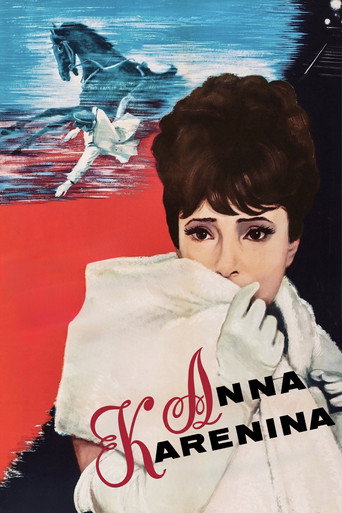
5.4In Imperial Russia, Anna, wife of the officer Karenin, goes to Moscow to visit her brother. On the way, she meets charming cavalry officer Vronsky, to whom she's immediately attracted. But in St. Petersburg’s high society, a relationship like this could destroy a woman’s reputation.
Anna Karenina
1967
 6.7
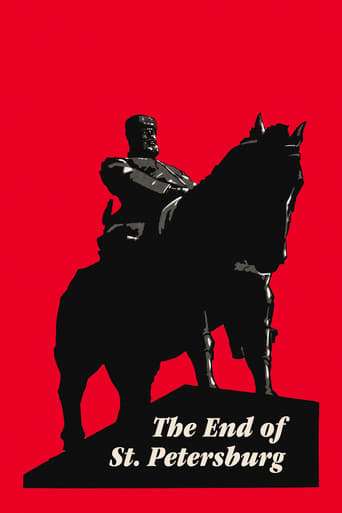
6.7Arriving in St. Petersburg in search of work, a peasant unwittingly aids in the arrest of an old friend who is now a labour leader. The unemployed man is arrested and sent to fight in the Great War. After three years, he returns to rebel.
The End of St. Petersburg
1927
 6.4
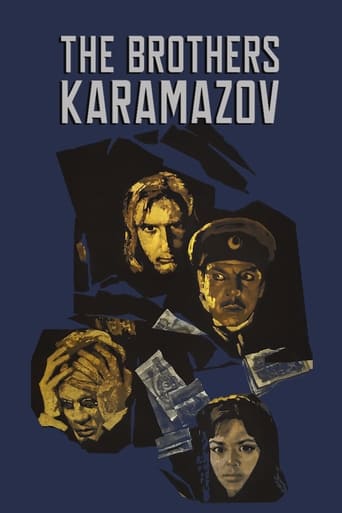
6.4The tragic story of the Karamazov family takes place in a Russian province in the late 19th century. The relations of their father and three brothers are very complicated and contradictory. One of the brothers is accused of killing his father, whom he did not commit. The brothers are unable to help him, and only a loving girl follows him to hard labour.
The Brothers Karamazov
1969
 5.0
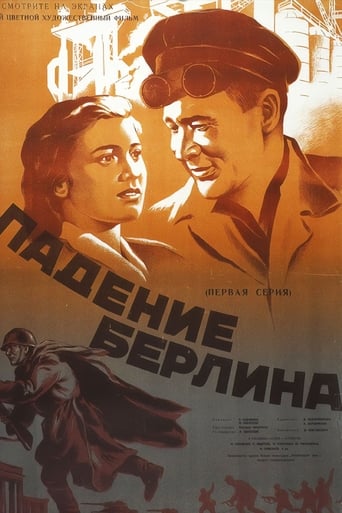
5.0Surrounded by a few party officials, Alexei Ivanov, a stakhanovist smelter, is decorated by Stalin. The "Little Father of the Peoples" takes this opportunity to invoke threats of war.... One day, war indeed breaks out. Bombs fall on the field where Alexei finds himself in the company of the schoolmistress Natacha, his fiancée. Alexei joins the Red Army and soon becomes a sergeant. Fighting rages and German troops advance. Natacha is arrested and deported. But the tide turns decisively with the German defeat at Stalingrad. Now the major offensive against Hitler can begin.
The Fall of Berlin
1950
 5.0
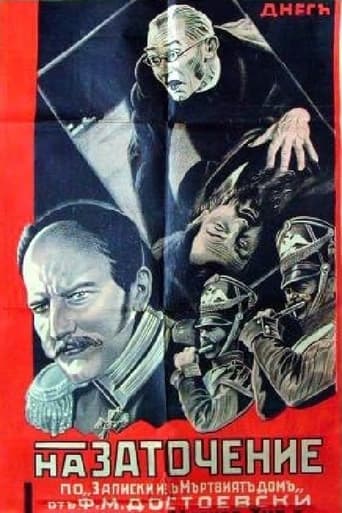
5.0Soviet film based on Dostoevsky's autobiographical novel of his prison experiences in Tsarist days.
House of the Dead
1932
Film credits
1960s · 5 titles
5.4In Imperial Russia, Anna, wife of the officer Karenin, goes to Moscow to visit her brother. On the way, she meets charming cavalry officer Vronsky, to whom she's immediately attracted. But in St. Petersburg’s high society, a relationship like this could destroy a woman’s reputation.
Anna Karenina
1967
6.4The tragic story of the Karamazov family takes place in a Russian province in the late 19th century. The relations of their father and three brothers are very complicated and contradictory. One of the brothers is accused of killing his father, whom he did not commit. The brothers are unable to help him, and only a loving girl follows him to hard labour.
The Brothers Karamazov
1969
 7.0
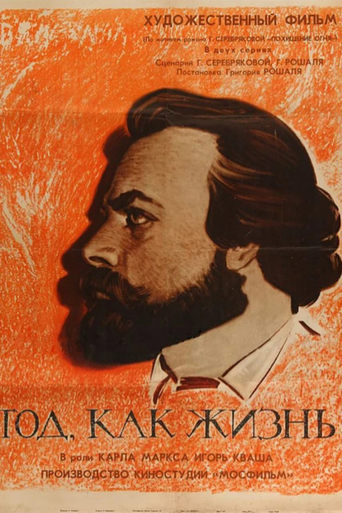
7.0The film takes place in Europe in the 19th century. The film shows the popular uprisings that took place there, as well as the search for truth and the confrontation of Karl Marx and opponents of the revolution.
Year as Long as Life
1965
 6.0
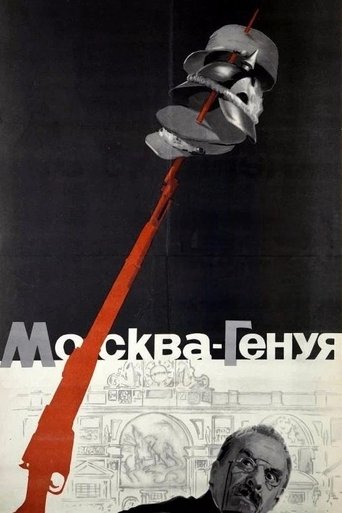
6.0About the first steps of Soviet diplomacy at the international conference in Genoa in 1922.
Moscow – Genoa
1964
 5.4
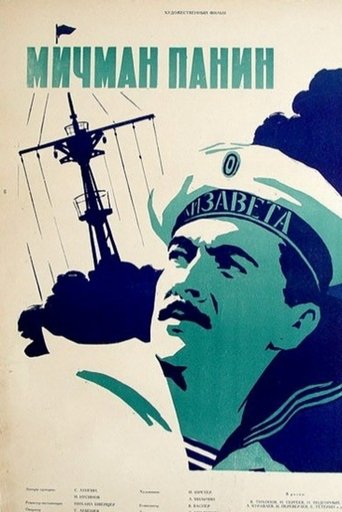
5.4It is May 1912. Thirteen political prisoners are being tried in a naval fortress of Kronstadt. They are sentenced to death by hanging. A clandestine Bolshevik organization decides to free the prisoners during their transfer to the place of execution. Vasily Panin, a junker of a school of naval engineers, is one of those entrusted with this dangerous task.
Midshipman Panin
1960
1950s · 2 titles
5.0Surrounded by a few party officials, Alexei Ivanov, a stakhanovist smelter, is decorated by Stalin. The "Little Father of the Peoples" takes this opportunity to invoke threats of war.... One day, war indeed breaks out. Bombs fall on the field where Alexei finds himself in the company of the schoolmistress Natacha, his fiancée. Alexei joins the Red Army and soon becomes a sergeant. Fighting rages and German troops advance. Natacha is arrested and deported. But the tide turns decisively with the German defeat at Stalingrad. Now the major offensive against Hitler can begin.
The Fall of Berlin
1950
 6.5
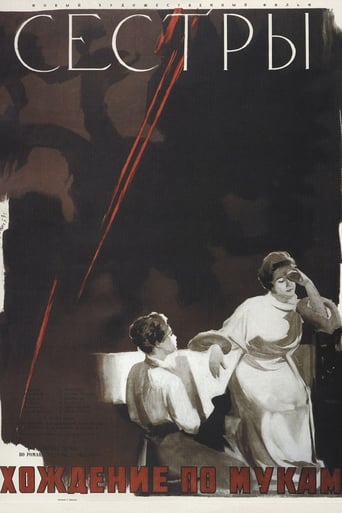
6.5Swept up in political unrest during World War I, two sisters in St. Petersburg cope with turbulent romances as Russian history is made around them.
The Sisters
1957
1930s · 4 titles
5.0Soviet film based on Dostoevsky's autobiographical novel of his prison experiences in Tsarist days.
House of the Dead
1932
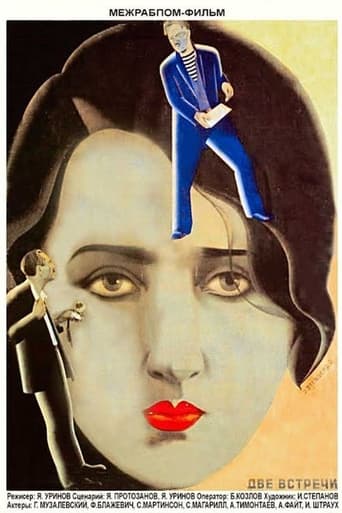 4.0
4.0The secret police agent finds that factory director wife is counterrevolutionary but dies from the heart attack. The director reads the diary of an agent and turns his wife to police.
Diary of a Revolutionist
1932
 NR
NRThe action takes place in the early 1930s in the fictional Asian state of Gulistan. The construction of railways in the country is hampered by a strong foreign state. Under the guise of a “saint from Mecca,” a saboteur-provocateur arrives in Gulistan. Carrying out the will of his masters, he incites the people to hostility against any progressive actions in the country, preparing an uprising with the aim of causing foreign intervention. But the Gulistans expose the “saint”; their faith in the USSR is unshakable...
The Guest from Mecca
1930
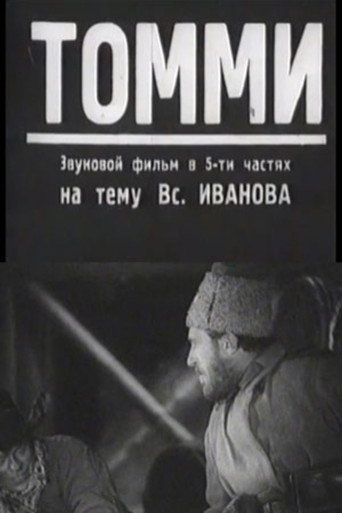 6.8
6.8The story of a British POW who converts to communism.
Siberian Patrol
1931
1920s · 11 titles
6.7Arriving in St. Petersburg in search of work, a peasant unwittingly aids in the arrest of an old friend who is now a labour leader. The unemployed man is arrested and sent to fight in the Great War. After three years, he returns to rebel.
The End of St. Petersburg
1927
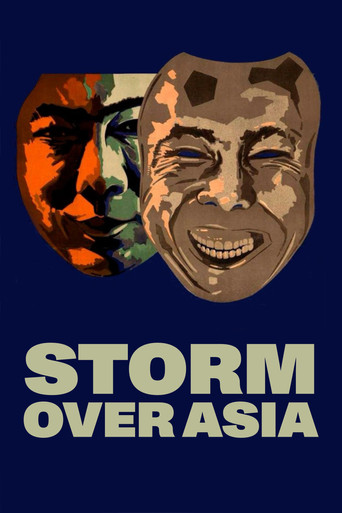 6.5
6.5Lowly Mongolian trapper Bair, shunned by his fellow trappers for fighting with a trader, flees his trading post and joins the Soviet partisans trying to oust the occupying British forces. After Bair is captured and shot by the British, they find an amulet on him suggesting he is a descendant of Genghis Khan. The soldiers nurse Bair back to health and use him to establish a puppet government, unaware that their plan will backfire when the puppet breaks his strings.
Storm Over Asia
1928
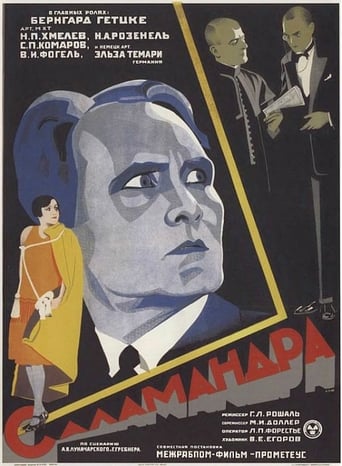 6.3
6.3The film is based on real events and reveals the tragic episodes from the life of the Austrian biologist scientist-materialist Paul Kammerer (1880-1926), hunted by regressive scientists and Catholic reactionaries who committed suicide.
Salamander
1928
 5.3
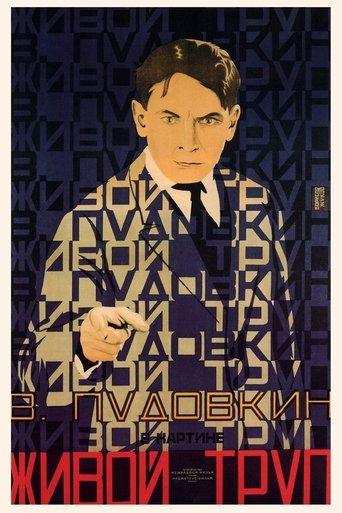
5.3The central character of the play, Fedor Protasov, is tormented by the belief that his wife Liza has never really chosen between him and the more conventional Victor Karenin, a rival for her hand. He wants to kill himself, but doesn't have the nerve. Running away from his life, he first falls in with Gypsies, and into a sexual relationship with a Gypsy singer, Masha.
The Living Corpse
1929
 5.6
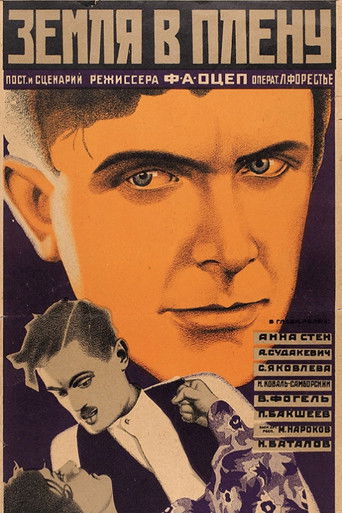
5.6Jacob, a farmer, returns from the war to his wife Marie and begs the landlord baron for a plot of land to rent. The Baron grants the request, but only for a barren, rocky, useless acreage. The pair struggle to make do on this land, but then the Baron demands that Maria leave her husband to serve as wet nurse to his married daughter Anya's new baby, on threat of eviction. While nursing the daughter's baby, Maria receives unwelcome attentions from the daughter's husband, and a scandal erupts, ruining Maria in her husband's eyes. When she escapes from her employers and seeks to return home, the police give her the yellow passport signifying a prostitute, further degrading her. She approaches home, unsure of the reception that awaits her.
The Yellow Ticket
1928
 7.8
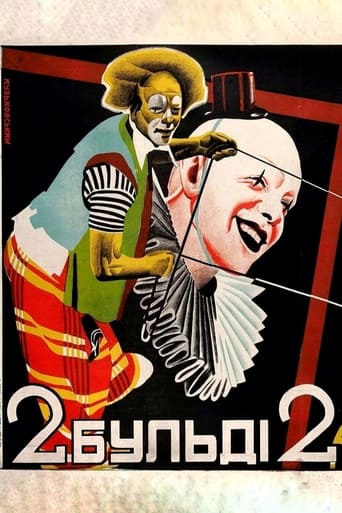
7.8A father and son, both clowns, are to perform together for the first time, but the civil war separates them, and the elder Buldy, tempted for a moment to acquiesce to the White forces, casts his lot with the revolution.
Two-Buldi-Two
1929
 NR
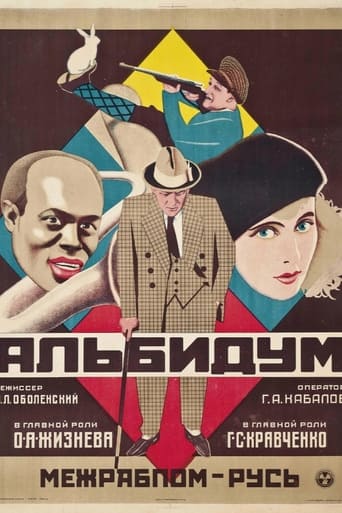
NRAbout the struggle of a Soviet agronomist to create a drought-resistant variety of wheat. His work is hampered by bureaucracy. When excellent qualities of Albidum, as the developed variety is called, receive wide recognition and authorities decide to export it, external market monopolies do everything possible to prevent the export of Albidum. The film is considered to be partially lost as only one seven-minute fragment is known and found.
Albidum
1928
 7.0
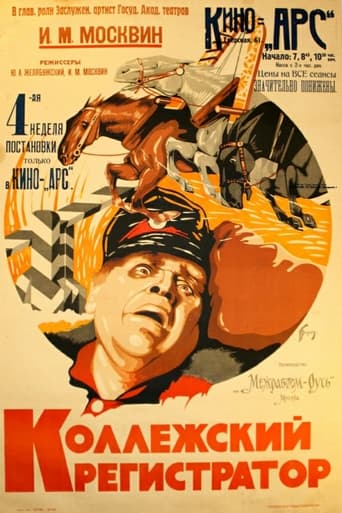
7.0A small town postal official allows a military officer to take his lovely daughter away to St. Petersburg, assuming the man will do the right thing and marry her. Instead, a future of scandal and tragedy await her.
The Stationmaster
1925
 8.0
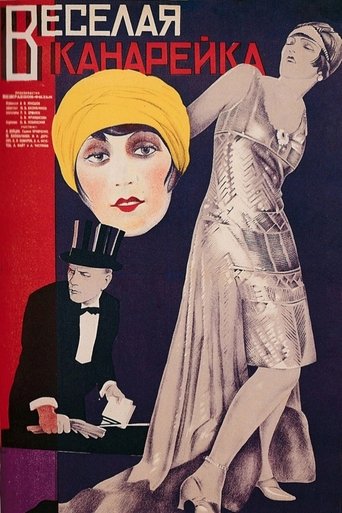
8.0Actress Brio working in a cafe "The Happy Canary", does not suspect that her new acquaintances Brianski and Lugovec are Communists sent by an underground committee to fight the enemy's counter-intelligence.
The Happy Canary
1929
 9.0
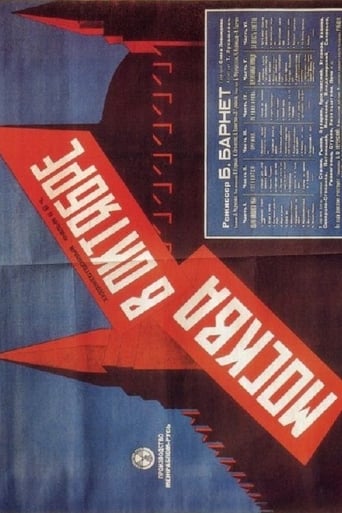
9.0October reflects a general attempt in Russia to sustain the frenzy and dynamism of revolutionary fervour. This attempt increased in scale and ambition as they pushed it further, resulting in the theatricalisation of life. In other words, the boundaries between real events and fabricated drama became blurred as the portrayal of life became more exaggerated. It is important to remember that the film does not represent what actually happened during the 1917 Revolution, but is rather an adaptation.
Moscow in October
1927
 5.5
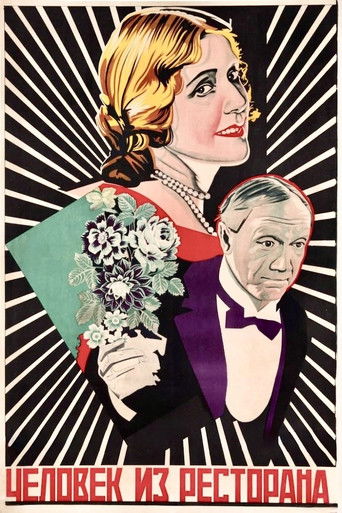
5.5During the good old days of the Russian aristocracy, that is to say, before the October Revolution, in the city of Moscow there was a fancy restaurant which catered to the appetites and egos of the rich. In one such establishment works a middle-aged waiter who is devoted to serving his bourgeoisie clients correctly. However, his life outside his job is very different: His son was killed during the Russian civil war and the waiter's wife died of grief as a result....
The Man from the Restaurant
1927