
Acting
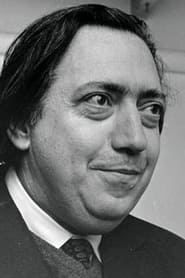
Henri Langlois
Born — Died
1914-11-13 — 1977-01-13
Place of birth
İzmir, Ottoman Empire
Known for
Acting
Credits
36 titles
Henri Langlois was a French film archivist and cinephile. A pioneer of film preservation, Langlois was an influential figure in the history of cinema.
Known for
No synopsis available yet.
Samedi soir
1971
 5.0
No synopsis available yet.
Ciné regards
1978
 NR
No synopsis available yet.
Pour le plaisir
1964
 6.5
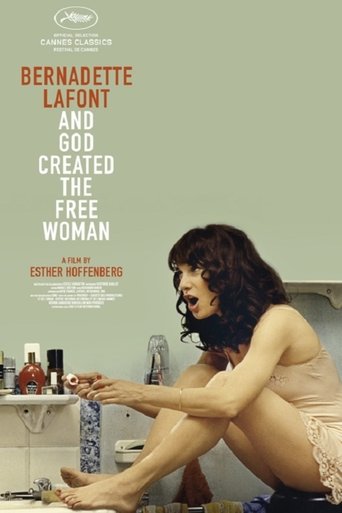
A journey in the company of Bernadette Lafont, French Cinema’s most atypical actress. Tracing her career from pin-up girl, to New Wave model of sexual freedom, to drug-dealing granny in the film Paulette, by way of La Fiancée du Pirate and Les Stances à Sophie, this film pays tribute to her extraordinary life and artistic odyssey. Her grand-daughters, Anna, Juliette and Solène, revisit the dreams of Bernadette, in the family home in the Cevennes region where they, like her, grew up. Her close friends, Bulle Ogier and Jean-Pierre Kalfon, reminisce on their artistic and human complicity. Throughout the film, Bernadette Lafont in person, with her inimitable character actress voice, re-evokes a life in cinema marked with insolence, courage and freedom.
Bernadette Lafont: And God Created the Free Woman
2016
 7.7
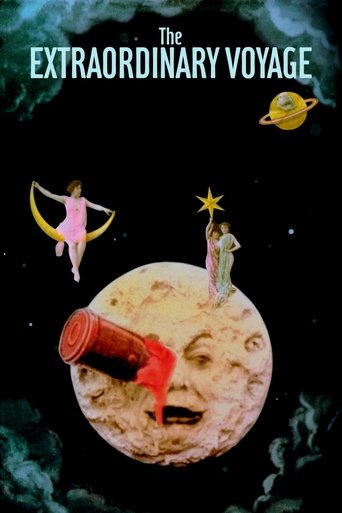
An account of the extraordinary life of film pioneer Georges Méliès (1861-1938) and the amazing story of the copy in color of his masterpiece A Trip to the Moon (1902), unexpectedly found in Spain and restored thanks to the heroic efforts of a group of true cinema lovers.
The Extraordinary Voyage
2011
 7.2
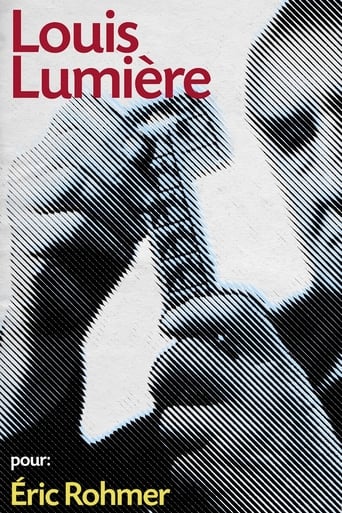
Eric Rohmer leads a conversation with Jean Renoir and Henri Langlois on the art of filmmaker Louis Lumière.
Louis Lumière
1968
Film credits
2010s · 2 titles
6.5A journey in the company of Bernadette Lafont, French Cinema’s most atypical actress. Tracing her career from pin-up girl, to New Wave model of sexual freedom, to drug-dealing granny in the film Paulette, by way of La Fiancée du Pirate and Les Stances à Sophie, this film pays tribute to her extraordinary life and artistic odyssey. Her grand-daughters, Anna, Juliette and Solène, revisit the dreams of Bernadette, in the family home in the Cevennes region where they, like her, grew up. Her close friends, Bulle Ogier and Jean-Pierre Kalfon, reminisce on their artistic and human complicity. Throughout the film, Bernadette Lafont in person, with her inimitable character actress voice, re-evokes a life in cinema marked with insolence, courage and freedom.
Bernadette Lafont: And God Created the Free Woman
2016
7.7An account of the extraordinary life of film pioneer Georges Méliès (1861-1938) and the amazing story of the copy in color of his masterpiece A Trip to the Moon (1902), unexpectedly found in Spain and restored thanks to the heroic efforts of a group of true cinema lovers.
The Extraordinary Voyage
2011
2000s · 1 titles

1990s · 2 titles
 7.0
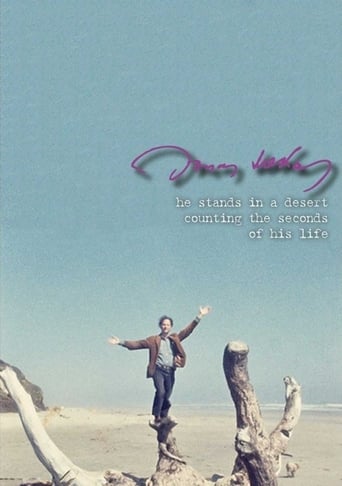
Jonas Mekas assembles 160 portraits, appearances, and fleeting sketches of underground and independent filmmakers captured between 1955 and 1996. Fast-paced and archival in spirit, the film celebrates the avant-garde as its own “nation of cinema,” a vital community existing outside the dominance of commercial film.
Birth of a Nation
1997
 NR
A profile of the film director Roberto Rossellini, looking at his life, personality and films, following his career and his relationship with Ingrid Bergman.
Rossellini
1990
1970s · 7 titles
 5.3
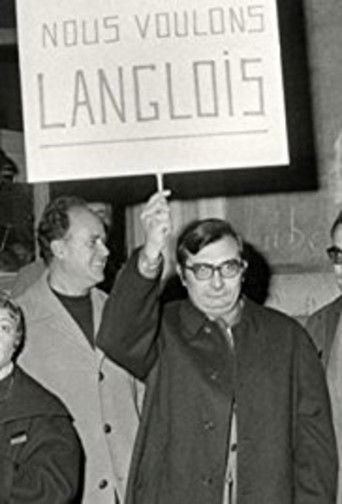
Documentary portrait of Henri Langlois, co-founder of the Cinémathèque Française.
Langlois
1970
 6.4
The Challenge... A Tribute to Modern Art is a 1974 American documentary film directed by Herbert Kline. The film shows footage of great modern artists in their studios creating and commenting on their work, with narration and commentary by Orson Welles. It was nominated for an Academy Award for Best Documentary Feature.
The Challenge... A Tribute to Modern Art
1974
 NR
Henri Langlois, interviewed in the Cinema Museum at the Palais de Chaillot, talks about his vision of cinema's past, present and future, before a brief jaunt through the museum as it was in 1975.
Conversation avec Henri Langlois
1975
Henri Langlois, founder and director of the Cinémathèque française, is interviewed in his museum at the Palais de Chaillot and talks about cinema. “Henri Langlois's anti-courses” are made up of a set of short films, or more exactly of chapters. Each chapter is devoted to a filmmaker or to a significant pivotal period of such or such a country and of such or such style, or to a group of men whose action was, at one time, decisive for the course of cinema.
Let's Talk Cinema, Henri Langlois' anti-courses
1976
 NR
No synopsis available yet.
Le Musée fantôme
1974
Unfinished documentary portrait. During 1971, Henri Langlois was spending his life at the Cinémathèque at the Palais de Chaillot and devoting himself entirely to the development of his museum without ever sparing himself. He needs to touch, place, nail, shape each corner himself, imagining each new arrangement. The smallest detail counts, the smallest fold of costume. He can spend hours adjusting a jacket, and fatigue sometimes surprises him around a staircase ...
Henri Langlois : élaboration du musée du cinéma
1971
 NR
On September 12, 1973, Charlie Chaplin was present at the Cinémathèque française for the inauguration of a retrospective in his honor.
Charlie Chaplin's visit to the French Cinematheque
1973
1960s · 10 titles
7.2Eric Rohmer leads a conversation with Jean Renoir and Henri Langlois on the art of filmmaker Louis Lumière.
Louis Lumière
1968
Furtive traces of a visit, a certain February 22, 1962: Buster Keaton.
Langlois-Keaton à Paris
1962
 6.8
A documentary portrait of Carl Th. Dreyer, filmed shortly after the Paris premiere of "Gertrud." Through Dreyer’s own reflections on his films, the documentary explores his ideas about script, casting, acting, set design, and the pursuit of simplicity as the foundation of cinematic style.
Carl Th. Dreyer
1966
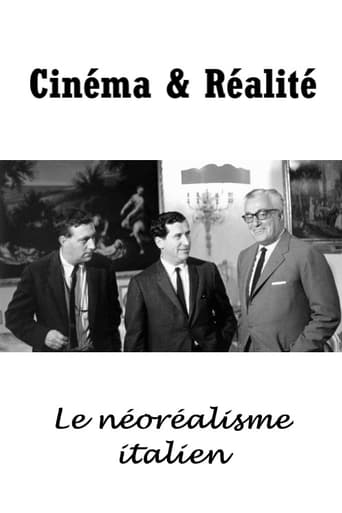 6.5
In this documentary, giants of italian cinema such as Rossellini, De Sica, Fellini and Zavattini talk about the importance of cinema after WW2, and about huge moments of social rebellion. This movie gives the floor to the creators of italian neorealism.
Cinéma et Réalité
1967
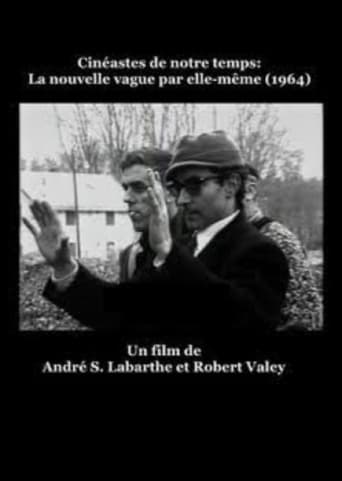 8.0
Made for Cinéastes de notre temps series. In 1964, several French New Wave auteurs discuss the success and crisis of the wave. Featuring Claude Chabrol, François Truffaut, Jacques Rivette, Jean-Luc Godard, Jacques Rozier, Jacques Demy, Agnès Varda, Jean Rouch, and many others.
La Nouvelle Vague par elle-même
1964
Wanderings during the Cannes and Hyères 1966 festivals. Interviews with Louise de Vilmorin, Jean-Luc Godard, Robert Bresson, Jacques Rivette, Jean-Louis Comolli, François Truffaut. Lunch on the grass of the Cahiers du cinéma, young onlookers on mopeds, children from the surrounding villages, the film portrays an era, a cinephilia, a cinema still in balance between art and industry.
Festivals 66 Cinéma 67
1967
Wednesday July 31, 1968, almost six months after the start of the "Langlois affair" which saw the government attempt to oust the founder of the Cinémathèque française, triggering massive support from the biggest names in world cinema, Henri Langlois finally resumed possession of the hall of the Palais de Chaillot and celebrates his return with a tribute to Charlie Chaplin.
Retour d'Henri Langlois à Paris
1968
Documentary about filmmaker Jean Grémillon.
À la recherche de Jean Grémillon
1969
No synopsis available yet.
La Cinémathèque française
1962
 NR
Documentary portrait of Dziga Vertov, father of documentary cinema.
World Without a Game
1966
Series credits
Behind the camera
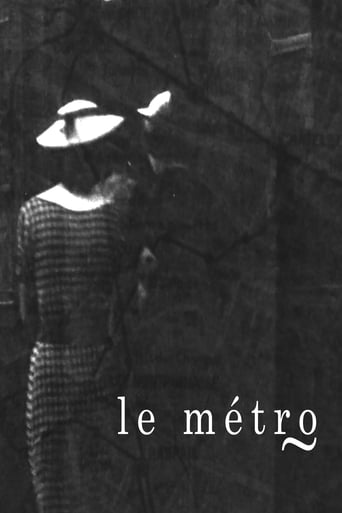 7.0
This silent film on the Paris Metro was the first foray into film by Georges Franju and only foray into the realization of the future creator of the Cinémathèque Française, Henri Langlois.
The Metro
1934
 5.0
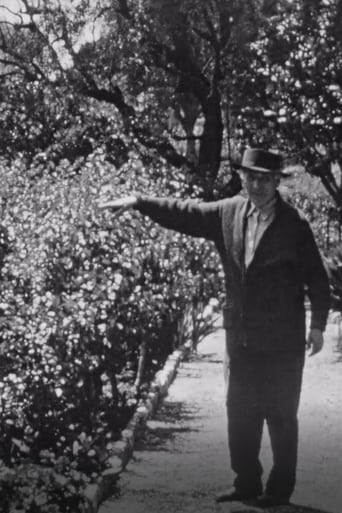
Extract of rushes from the unfinished documentary project written and produced by Henri Langlois on Marc Chagall.
Chagall dans son jardin a Saint-Paul-de-Vence
1970
5.0Extract of rushes from the unfinished documentary project written and produced by Henri Langlois on Marc Chagall.
Chagall dans son jardin a Saint-Paul-de-Vence
1970
 NR
A woman finds herself mysteriously pregnant. We do not know anything about the father who could be a simple ... bilboquet!
Les yeux de maman sont des étoiles
1971
 5.0
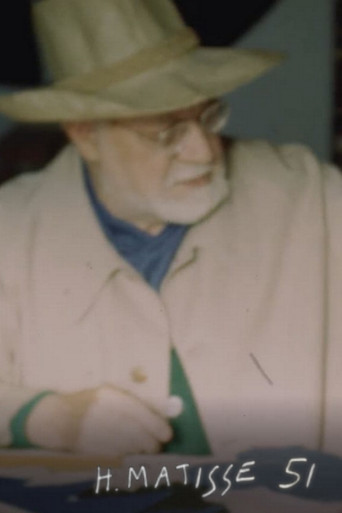
A surviving fragment from Henri Langlois’s unfinished Cinémathèque française project inviting artists, writers, scholars, and filmmakers to create 16mm works outside commercial and censorship constraints. Filmed with Matisse’s cooperation, the short preserves one of the few completed remnants of the ambitious initiative.
Matisse
1951
5.0A surviving fragment from Henri Langlois’s unfinished Cinémathèque française project inviting artists, writers, scholars, and filmmakers to create 16mm works outside commercial and censorship constraints. Filmed with Matisse’s cooperation, the short preserves one of the few completed remnants of the ambitious initiative.
Matisse
1951
 NR
"On 2 March 1974, Henri Langlois, co-founder of the Cinémathèque française, screened a partly impromptu edit of films and fragments from the nation’s silent film production." - IFFR 2019 Programme "It was originally made by Langlois for a presentation whose origins or motives are unclear, as is the thematic or narrative through-line in the epic, though it is said that when he presented the film Langlois was doing something akin to cutting it together live in the projection booth. It definitely goes chronologically through French cinema, definitely avoids a general historiography and obvious citations, and definitely gravitates towards films shot in Paris, yet none of these touchpoints elucidate exactly what Langlois’s epic essay film was intended for. It was found in the Cinémathèque on the shelves only recently and digitized, embalming what feels like a very specific and quite personal guided tour through cinema, with the guide (Langlois) missing." - Daniel Kasman, MUBI
Montage muet français Palais des Congrès
1974