
Acting
Iris-Lilja Lassila
Born — Died
1938-02-28 — 2011-04-25
Place of birth
Helsinki, Finland
Known for
Acting
Credits
12 titles
Iris-Lilja Lassila was a Finnish film and television actress.
Known for
 5.4
Manical portrait of a small businessman.
Johanneksen leipäpuu
1994
 4.5
Minna Canth's tragic story, based on real events, about the life of a young girl, Anna Liisa. Burdened with heavy guilt, Anna Liisa struggles internally amid pressure from those around her. In the end, the only option left is to face the truth and seek reconciliation.
Anna-Liisa
1988
 7.1
A story of Mike, just out of prison, and his buddies throwing a Christmas party under the most obscure circumstances is filled with juicy dialogue and plot twists that will definitely make your jaw drop – and have you chuckle for days after.
Joulubileet
1996
 6.1
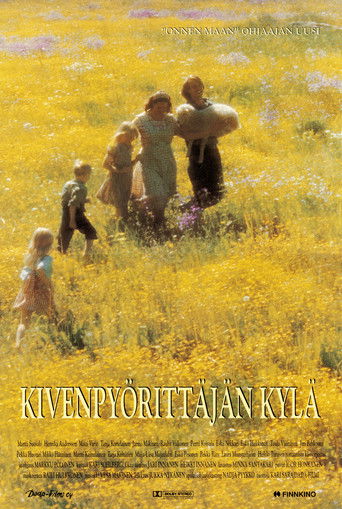
Pekka arrives back to his home village of Jerusalem to celebrate the last wedding of the village. His own marriage seems to have reached a dead end. The people of the village gather to prepare for the event, and the bitter spectrum of all human life, with its joys and sorrows, is condensed into one summer's day.
The Last Wedding
1995
 5.4
The 21st-century tale centers on taciturn detective Lipton Cockton as he looks into a series of murders involving exploding victims. The main clue in the case is the white halter dress worn by Marilyn Monroe in the subway vent scene in The Seven Year Itch. This clue directs Cockton to the highest levels of the super company LTD Prods. But though Cockton tries and tries, he cannot get there and ends up himself blown to smithereens.
Lipton Cockton in the Shadows of Sodoma
1995
 5.4
Manillaköysi is a cult status holding TV-movie adaptation of the satirical war novel by Veijo Meri. Manillaköysi has an endless list of classic one-liners, but it is still not based on cheap laughs or anything like that. The whole humouristic aspect of it comes from describing the absurdity of war, and the whole military system, by looking it with the eyes of a simple man, who's thrown into it, and who simply does not give a rats ass of it all. The tone of it is not overly preachy or moralizing. If I would have to describe it with one word, it would be: unglamourizing. The main point of Manillaköysi is pretty much compressed in one of the most famous quotes of it: There is nothing supernatural about war, it is just work like anything else.
The Manila Rope
1976
Film credits
1990s · 4 titles
5.4Manical portrait of a small businessman.
Johanneksen leipäpuu
1994
7.1A story of Mike, just out of prison, and his buddies throwing a Christmas party under the most obscure circumstances is filled with juicy dialogue and plot twists that will definitely make your jaw drop – and have you chuckle for days after.
Joulubileet
1996
6.1Pekka arrives back to his home village of Jerusalem to celebrate the last wedding of the village. His own marriage seems to have reached a dead end. The people of the village gather to prepare for the event, and the bitter spectrum of all human life, with its joys and sorrows, is condensed into one summer's day.
The Last Wedding
1995
5.4The 21st-century tale centers on taciturn detective Lipton Cockton as he looks into a series of murders involving exploding victims. The main clue in the case is the white halter dress worn by Marilyn Monroe in the subway vent scene in The Seven Year Itch. This clue directs Cockton to the highest levels of the super company LTD Prods. But though Cockton tries and tries, he cannot get there and ends up himself blown to smithereens.
Lipton Cockton in the Shadows of Sodoma
1995
1970s · 3 titles
5.4Manillaköysi is a cult status holding TV-movie adaptation of the satirical war novel by Veijo Meri. Manillaköysi has an endless list of classic one-liners, but it is still not based on cheap laughs or anything like that. The whole humouristic aspect of it comes from describing the absurdity of war, and the whole military system, by looking it with the eyes of a simple man, who's thrown into it, and who simply does not give a rats ass of it all. The tone of it is not overly preachy or moralizing. If I would have to describe it with one word, it would be: unglamourizing. The main point of Manillaköysi is pretty much compressed in one of the most famous quotes of it: There is nothing supernatural about war, it is just work like anything else.
The Manila Rope
1976
 4.0
The Finnish army retreats during the war summer of 1944. Corporal Lauri Ojala is left on the wrong side of the Vuoksi River. He decides to break ranks with the army and goes home. Two months later, Ojala is forced to dig his own grave.
Sujut
1974
 5.1
Young photography model Susanna and her alienated teenage brother Veli spend the summer of 1969 travelling around Finland, mostly with another girl and her boyfriend. Sporting the latest fashions and trendy hairdos, they naïvely observe and criticise the modern consumer society, advertising, fancy boats and summer cottages, country dances, barbecues, and any other phenomena that were supposed to bother angry young intellectuals in those days. The plot and the political agenda are delivered with a cheerful, tongue-in-cheek mixture of documentary observations, fake TV commercials, fake interviews, philosophical voiceovers and titles, and a jazzy soundtrack by the progressive rock group Wigwam.
Kesäkapina
1970
1950s · 3 titles
 5.9
The last black-and-white film in the Niskavuori series of movies.
Niskavuori taistelee
1957
 6.0
The story of the first elections in Finland. Farmer Topi Romppainen lives a modest life with his family in Kainuu in the early 20th century. While shopping in the village, Topi hears about the upcoming parliamentary elections. His wife Riikka decides to find out more and ends up at a meeting of the Social Democrats.
Punainen viiva
1959
 5.5
An ex-finnish army officer Kari Kivi returns to Finland after 12 years of absence. He is quickly hired by a businessman named Östermalm to be his stand-in to escape the ring of spies threatening his life. Many beautiful women cross Kivi's path before the spy ring is eventually crushed.
Kovaa peliä Pohjolassa
1959
