
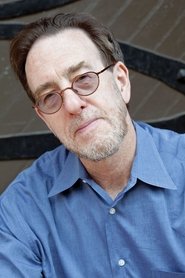
Directing
Ross McElwee
Born
1947-07-21 (79)
Place of birth
Charlotte, North Carolina, USA
Known for
Directing
Credits
35 titles
Ross McElwee is an American documentary filmmaker and cinematographer, and Harvard professor, known for his autobiographical films about his family and personal life, usually interwoven with an episodic journey of some sort. McElwee is a 1971 graduate of Brown University, and received his MS from MIT in 1977. He received the Career Award at the 2007 Full Frame Documentary Film Festival.
Known for
 6.9
6.9The home for the world's boldest contemporary filmmakers, celebrating intriguing personal stories that spark conversation and inspire action.
POV
1988
 5.8
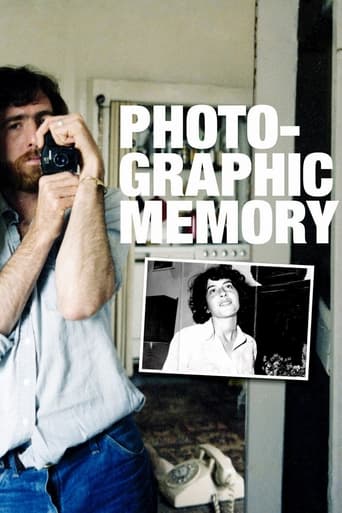
5.8Documentary filmmaker Ross McElwee finds himself in frequent conflict with his son Adrian, a young adult who Ross believes is distracted by and addicted to the digital word. Thinking about his own youth, Ross travels to St. Quay-Portrieux in Brittany, France, which he visited and lived in for a time during his twenties. There he attempts to track down Maurice, a photographer who gave him his first job with a camera, and Maud, a woman he was once romantically involved with.
Photographic Memory
2011
 6.8
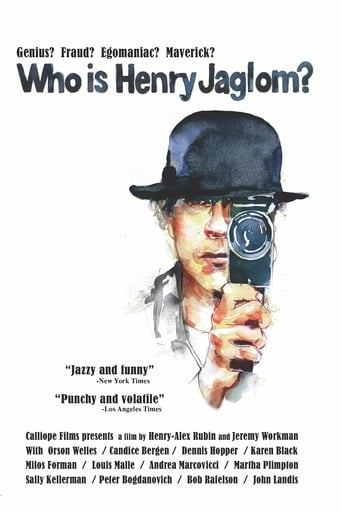
6.8Hailed by some as a cinematic genius, a feminist voice and a true maverick of American cinema, dismissed by others as a voyeuristic fraud and the "world's worst director," Henry Jaglom obsessively confuses and abuses the line between life and art. Featuring scores of interviews (including Orson Welles, Dennis Hopper, Milos Forman and Peter Bogdanovich) and rare behind-the-scenes footage, this hilarious documentary explores the fascinating question of Who Is Henry Jaglom?
Who Is Henry Jaglom?
1997
 6.5
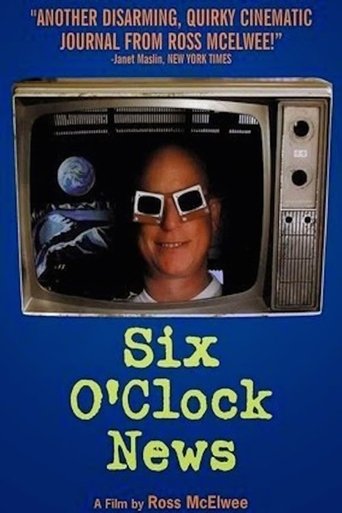
6.5Filmmaker Ross McElwee trails characters whose stories have been fodder for television news and takes their tales of loss and longing further than the requisite sound bite. In the process, he examines how the medium works and exposes its limitations.
Six O'Clock News
1997
 6.3
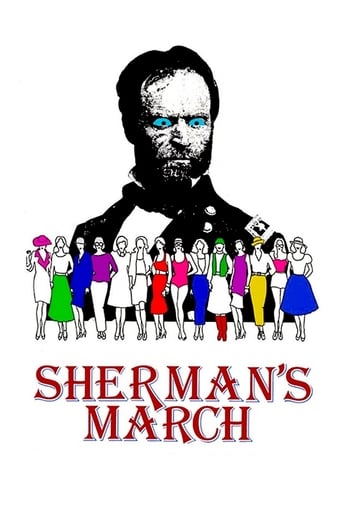
6.3Documentarian Ross McElwee originally set out to make a travelogue of sorts tracing General William T. Sherman's infamous scorched-earth march through the Confederacy in the latter stages of the Civil War. Instead, haunted by a recent breakup with a girlfriend, McElwee ends up documenting his progress -- or lack thereof -- in starting a new relationship. His journey then becomes one of self-reflection and self-discovery rather than a historical/sociological exploration.
Sherman's March
1986
Documentary film by Ross McElwee about his family's process to adopt a Paraguayan infant girl named Mariah.
In Paraguay
2008
Film credits
1990s · 4 titles
6.8Hailed by some as a cinematic genius, a feminist voice and a true maverick of American cinema, dismissed by others as a voyeuristic fraud and the "world's worst director," Henry Jaglom obsessively confuses and abuses the line between life and art. Featuring scores of interviews (including Orson Welles, Dennis Hopper, Milos Forman and Peter Bogdanovich) and rare behind-the-scenes footage, this hilarious documentary explores the fascinating question of Who Is Henry Jaglom?
Who Is Henry Jaglom?
1997
6.5Filmmaker Ross McElwee trails characters whose stories have been fodder for television news and takes their tales of loss and longing further than the requisite sound bite. In the process, he examines how the medium works and exposes its limitations.
Six O'Clock News
1997
 7.0
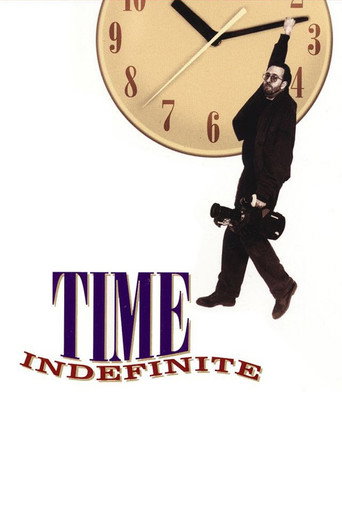
7.0After documentarian Ross McElwee gets married, a series of misfortunes follow: his grandmother dies, his wife miscarries, and then his father dies less than a week later. Shaken by the sudden string of deaths, McElwee becomes depressed. After spending time with his friend and former high school poetry teacher, Charlene, he goes to meet his brother, a doctor. In a series of interviews, McElwee contemplates his morbid preoccupation with death and tries to figure out how to shake it off.
Time Indefinite
1993
In 1986, Ross McElwee (Sherman's March) and Marilyn Levine were making a film about the 25th anniversary of the Berlin Wall, when the imposing structure was still very much intact as the world’s most visible symbol of hardline Communism and Cold War lore. They thought they were making a documentary on the community of tourists, soldiers, and West Berliners who lived in the seemingly eternal presence of the graffiti emblazoned eyesore. But in 1989, as the original film neared completion, the Wall came down, and McElwee and Levine returned to Berlin, this time to capture the radically different atmosphere of the reunified city.
Something to Do with the Wall
1991
1980s · 2 titles
6.3Documentarian Ross McElwee originally set out to make a travelogue of sorts tracing General William T. Sherman's infamous scorched-earth march through the Confederacy in the latter stages of the Civil War. Instead, haunted by a recent breakup with a girlfriend, McElwee ends up documenting his progress -- or lack thereof -- in starting a new relationship. His journey then becomes one of self-reflection and self-discovery rather than a historical/sociological exploration.
Sherman's March
1986
Documentary film maker Ross McElwee returns to his family home in Charlotte NC. In filming his family, he captures a microcosm of Southern society.
Backyard
1984
Series credits
Behind the camera
5.8Documentary filmmaker Ross McElwee finds himself in frequent conflict with his son Adrian, a young adult who Ross believes is distracted by and addicted to the digital word. Thinking about his own youth, Ross travels to St. Quay-Portrieux in Brittany, France, which he visited and lived in for a time during his twenties. There he attempts to track down Maurice, a photographer who gave him his first job with a camera, and Maud, a woman he was once romantically involved with.
Photographic Memory
2011
5.8Documentary filmmaker Ross McElwee finds himself in frequent conflict with his son Adrian, a young adult who Ross believes is distracted by and addicted to the digital word. Thinking about his own youth, Ross travels to St. Quay-Portrieux in Brittany, France, which he visited and lived in for a time during his twenties. There he attempts to track down Maurice, a photographer who gave him his first job with a camera, and Maud, a woman he was once romantically involved with.
Photographic Memory
2011
6.5Filmmaker Ross McElwee trails characters whose stories have been fodder for television news and takes their tales of loss and longing further than the requisite sound bite. In the process, he examines how the medium works and exposes its limitations.
Six O'Clock News
1997
6.5Filmmaker Ross McElwee trails characters whose stories have been fodder for television news and takes their tales of loss and longing further than the requisite sound bite. In the process, he examines how the medium works and exposes its limitations.
Six O'Clock News
1997
6.3Documentarian Ross McElwee originally set out to make a travelogue of sorts tracing General William T. Sherman's infamous scorched-earth march through the Confederacy in the latter stages of the Civil War. Instead, haunted by a recent breakup with a girlfriend, McElwee ends up documenting his progress -- or lack thereof -- in starting a new relationship. His journey then becomes one of self-reflection and self-discovery rather than a historical/sociological exploration.
Sherman's March
1986
6.3Documentarian Ross McElwee originally set out to make a travelogue of sorts tracing General William T. Sherman's infamous scorched-earth march through the Confederacy in the latter stages of the Civil War. Instead, haunted by a recent breakup with a girlfriend, McElwee ends up documenting his progress -- or lack thereof -- in starting a new relationship. His journey then becomes one of self-reflection and self-discovery rather than a historical/sociological exploration.
Sherman's March
1986
6.3Documentarian Ross McElwee originally set out to make a travelogue of sorts tracing General William T. Sherman's infamous scorched-earth march through the Confederacy in the latter stages of the Civil War. Instead, haunted by a recent breakup with a girlfriend, McElwee ends up documenting his progress -- or lack thereof -- in starting a new relationship. His journey then becomes one of self-reflection and self-discovery rather than a historical/sociological exploration.
Sherman's March
1986
Documentary film by Ross McElwee about his family's process to adopt a Paraguayan infant girl named Mariah.
In Paraguay
2008
Documentary film maker Ross McElwee returns to his family home in Charlotte NC. In filming his family, he captures a microcosm of Southern society.
Backyard
1984
 7.0
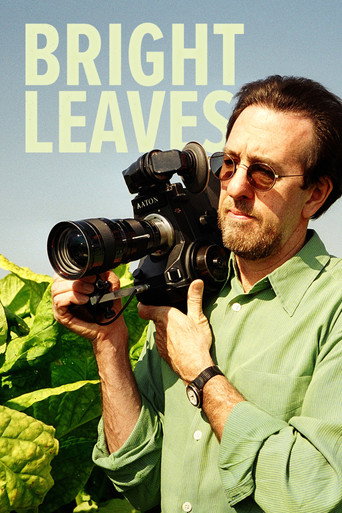
7.0Ross McElwee travels through the North Carolina tobacco belt in search of the ancient southern traditions associated with tobacco growing and use, while comparing his filmmaking to commercial cinema, represented by Bright Leaf, a melodrama directed by Michael Curtiz in 1950, starring Gary Cooper, apparently based on the life of his great-grandfather.
Bright Leaves
2004
7.0Ross McElwee travels through the North Carolina tobacco belt in search of the ancient southern traditions associated with tobacco growing and use, while comparing his filmmaking to commercial cinema, represented by Bright Leaf, a melodrama directed by Michael Curtiz in 1950, starring Gary Cooper, apparently based on the life of his great-grandfather.
Bright Leaves
2004
7.0Ross McElwee travels through the North Carolina tobacco belt in search of the ancient southern traditions associated with tobacco growing and use, while comparing his filmmaking to commercial cinema, represented by Bright Leaf, a melodrama directed by Michael Curtiz in 1950, starring Gary Cooper, apparently based on the life of his great-grandfather.
Bright Leaves
2004
 8.0
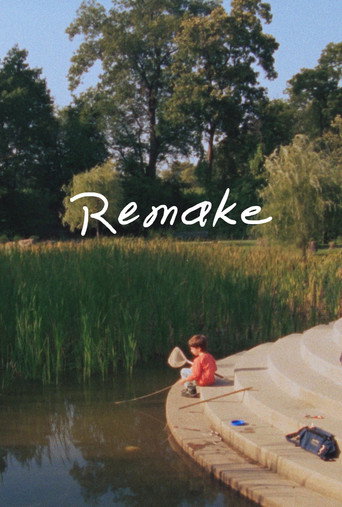
8.0The death of his son causes McElwee, an autobiographical filmmaker, to look back on his life’s work. He eventually turns to his archive of home movies. To what extent did his camera affect their relationship when Adrian was alive? To what extent does it define that relationship now that he is gone? Meanwhile, an effort to adapt McElwee’s first feature, Sherman’s March, into a work of fiction lurches along, giving the filmmaker another perspective from which to meditate on movie making and mortality.
Remake
2026
8.0The death of his son causes McElwee, an autobiographical filmmaker, to look back on his life’s work. He eventually turns to his archive of home movies. To what extent did his camera affect their relationship when Adrian was alive? To what extent does it define that relationship now that he is gone? Meanwhile, an effort to adapt McElwee’s first feature, Sherman’s March, into a work of fiction lurches along, giving the filmmaker another perspective from which to meditate on movie making and mortality.
Remake
2026
8.0The death of his son causes McElwee, an autobiographical filmmaker, to look back on his life’s work. He eventually turns to his archive of home movies. To what extent did his camera affect their relationship when Adrian was alive? To what extent does it define that relationship now that he is gone? Meanwhile, an effort to adapt McElwee’s first feature, Sherman’s March, into a work of fiction lurches along, giving the filmmaker another perspective from which to meditate on movie making and mortality.
Remake
2026
7.0After documentarian Ross McElwee gets married, a series of misfortunes follow: his grandmother dies, his wife miscarries, and then his father dies less than a week later. Shaken by the sudden string of deaths, McElwee becomes depressed. After spending time with his friend and former high school poetry teacher, Charlene, he goes to meet his brother, a doctor. In a series of interviews, McElwee contemplates his morbid preoccupation with death and tries to figure out how to shake it off.
Time Indefinite
1993
7.0After documentarian Ross McElwee gets married, a series of misfortunes follow: his grandmother dies, his wife miscarries, and then his father dies less than a week later. Shaken by the sudden string of deaths, McElwee becomes depressed. After spending time with his friend and former high school poetry teacher, Charlene, he goes to meet his brother, a doctor. In a series of interviews, McElwee contemplates his morbid preoccupation with death and tries to figure out how to shake it off.
Time Indefinite
1993
In 1986, Ross McElwee (Sherman's March) and Marilyn Levine were making a film about the 25th anniversary of the Berlin Wall, when the imposing structure was still very much intact as the world’s most visible symbol of hardline Communism and Cold War lore. They thought they were making a documentary on the community of tourists, soldiers, and West Berliners who lived in the seemingly eternal presence of the graffiti emblazoned eyesore. But in 1989, as the original film neared completion, the Wall came down, and McElwee and Levine returned to Berlin, this time to capture the radically different atmosphere of the reunified city.
Something to Do with the Wall
1991
 7.5
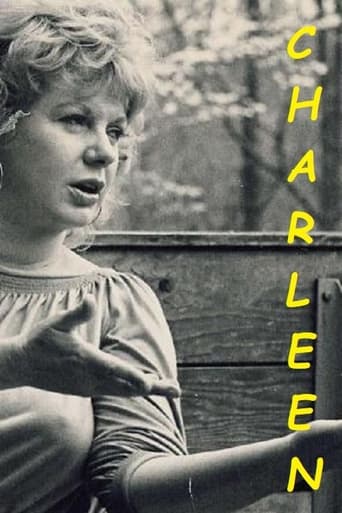
7.5In Charleen, documentarian Ross McElwee looks at the life of a North Carolina poet and teacher who acts as a muse to a motley crew of artists and musicians.
Charleen or How Long Has This Been Going On?
1977
 7.0
7.0Early documentary short by Ross McElwee. 16mm; color; sound.
20,000 Missing Persons
1974
 7.0
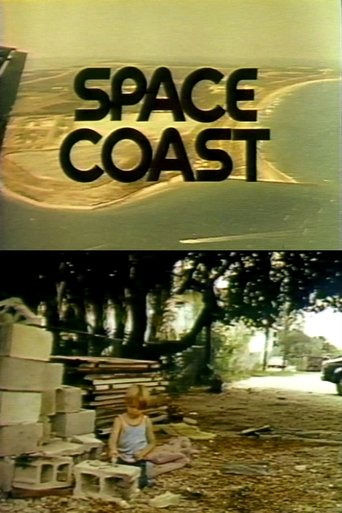
7.0Focusing on three residents of Cape Canaveral, Florida this film puts forward the thesis that a decline in NASA's space program after the moon landings has left the local community impoverished.
Space Coast
1979
This short film, made with my friends and filmmaking partners, Michel Negroponte and Alex Anthony, was commissioned by PBS's innovative TV Lab in 1980. The three of us saw Kazem Ala, an Iranian student and political exile, briefly interviewed on a local cable access show in Austin, Texas and were very moved by his story. We spent a month filming his day to day life in Houston, during the Iranian-American hostage crisis of 1980. The film was meant to describe in subtle ways what it is to be a political exile in times of political crisis. PBS found it to be a little too subtle, and declined to air it nationally, but the film was televised on various individual PBS outlets, and seeing it recently, I was struck by how, a generation later, we're still dealing with this same situation - the clash between Islam and the West. The Presidents and Ayatollahs may have changed, but politically, things are still at crisis level. - Ross McElwee
Resident Exile
1981
This short film, made with my friends and filmmaking partners, Michel Negroponte and Alex Anthony, was commissioned by PBS's innovative TV Lab in 1980. The three of us saw Kazem Ala, an Iranian student and political exile, briefly interviewed on a local cable access show in Austin, Texas and were very moved by his story. We spent a month filming his day to day life in Houston, during the Iranian-American hostage crisis of 1980. The film was meant to describe in subtle ways what it is to be a political exile in times of political crisis. PBS found it to be a little too subtle, and declined to air it nationally, but the film was televised on various individual PBS outlets, and seeing it recently, I was struck by how, a generation later, we're still dealing with this same situation - the clash between Islam and the West. The Presidents and Ayatollahs may have changed, but politically, things are still at crisis level. - Ross McElwee
Resident Exile
1981
Early documentary short by Ross McElwee. 16mm; color; sound.
68 Albany Street
1976