
Directing
Boris Lehman
Born
1944-03-03 (82)
Place of birth
Lausanne, Switzerland
Known for
Directing
Credits
86 titles
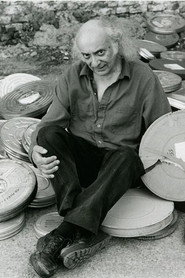
Boris Lehman, born March 3rd 1944 in Lausanne (Switzerland), is a Belgian filmmaker whose work is oriented towards experimental cinema, cinematographic essay, filmed news and documentary.
Known for
No synopsis available yet.
Le Banquet
1995
 10.0
10.0This exhibition focuses on Jonas Mekas’ 365 Day Project, a succession of films and videos in calendar form. Every day as of January 1st, 2007 and for an entire year, as indicated in the title, a large public (the artist's friends, as well as unknowns) were invited to view a diary of short films of various lengths (from one to twenty minutes) on the Internet. A movie was posted each day, adding to the previously posted pieces, resulting altogether in nearly thirty-eight hours of moving images.
365 Day Project
2007
 NR
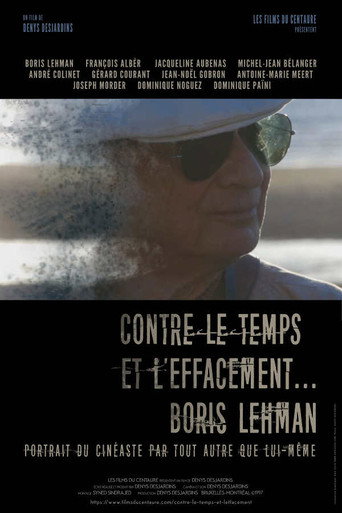
NROne of the most intimate and obstinate filmmakers in Belgium, Boris Lehman acts, directs, produces, and distributes his films, single-handedly incarnating the essence of a creator who manages to survive on the fringes of his industry. From Brussels to Paris, friends, filmmakers and critics offer their understanding of a man for whom life is a reason to film, and film, a reason to live.
Against Time and Oblivion
1997
 NR
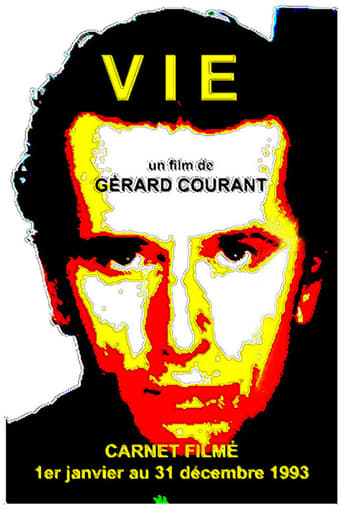
NRNo synopsis available yet.
Vie
2011
 7.4
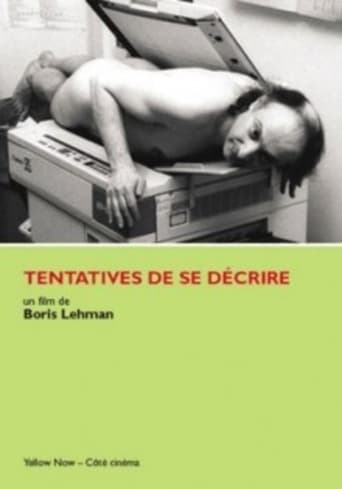
7.4Trying to describe oneself is a movie about representation. How it is possible, through film, to describe oneself and describe others. With the camera as mirror and third eye. At first, a collage-like combination of letter-writing, investigation and journey, something between documentary and feature film. Finally, a portrait of Boris Lehman from 1989 to 1995, part II of BABEL.
Trying to Describe Oneself
2005
 6.0
6.0During the filming of "Jeanne Dielman" Sami Frey recorded what was happening on the set. A film about a film in the making.
Around Jeanne Dielman
1975
Film credits
2020s · 4 titles
 NR
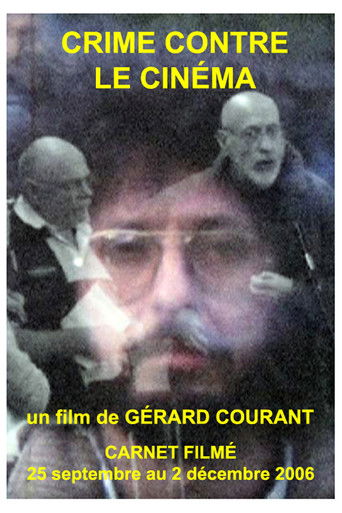
NRThe episode of Gérard Courant's Carnets filmés, Crime contre le cinéma (December 25, 2006 to December 2, 2006) is divided into four parts: Colas Ricard at Centre Pompidou, Joseph Morder at La Rochelle, the Filmer à tout prix Festival in Brussels, and Michel Nedjar and Jakobois at Centre Pompidou.
Crime contre le cinéma
2020
 NR
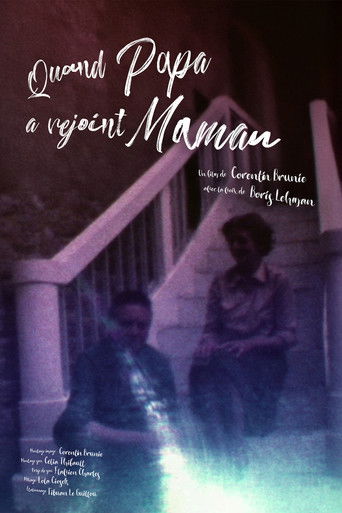
NRFrom his birth in the South of France up to his military service, “When Dad joined Mum” retraces the first twenty years of Eric’s life and the upbringing he received as a boy who was brought up by a single mum. Through Super 8 reels, the story of an impossible emancipation unfolds as well as the portrait of a woman being devoured by her pain.
When Dad joined Mum
2026
 NR
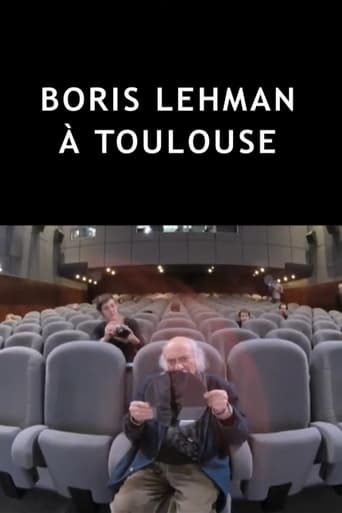
NRNo synopsis available yet.
Boris Lehman à Toulouse
2020
 NR
NRHistoire de mes cheveux ended with a shot where I found myself locked in a concentration camp. I had said shortly before that I was glad I finally arrived home. A song of hope, however, echoed with a fantasized happy ending (Hollywood kiss) and a song that heralded spring. In reality the film did not end there. There was a second part to this story. The first tells the story of the condemned man, the second that of the survivor. And so the film had to start with a scene that could never be shot where I was escaping from the camp.
Une Histoire de Cheveux (Sibérie)
2021
2010s · 14 titles
NRNo synopsis available yet.
Vie
2011
 NR
NRKnokke, Belgium. A small mundane coastal town, home to the beau-monde. To compete with Venice and Cannes, the posh casino hosts the second ‘World Festival of Film and the Arts’ in 1949, organised in part by the Royal Cinematheque of Belgium. To celebrate cinema’s 50 year existence, they put together a side program showcasing the medium in all its shapes and forms: surrealist film, absolute film, dadaist films, abstract film,… The side program would soon become a festival in its own right: ‘EXPRMNTL’, dedicated to experimental cinema, and would become a mythical gathering of the avant-garde…
EXPRMNTL
2016
 NR
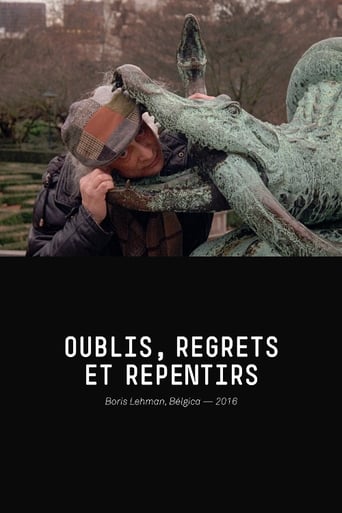
NRA day in the life of director Boris Lehman: he wanders from cafe to bookshop, cinema to museum, writer to musician, and into the storeroom of the film archive... He celebrates his birthday in an alleyway, with a friend, and finishes his journey with an escapade to Bruges and a stroll by the North Sea. The camera plays dirty tricks and the sound recorder gets carried away, to the point that both are clearly telling Boris to stop filming. Yet he persists…
Lapses, Regrets and Qualms
2016
 7.3
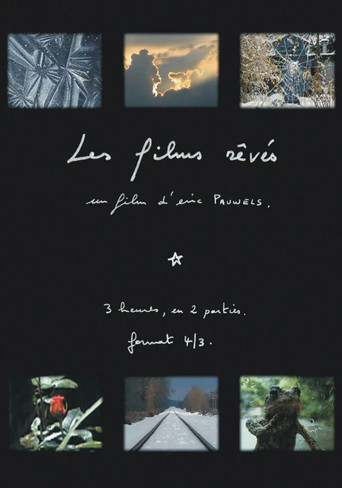
7.3Belgian filmmaker Eric Pauwels' meditation on dream, travel and film.
The Dreamed Films
2010
 3.2
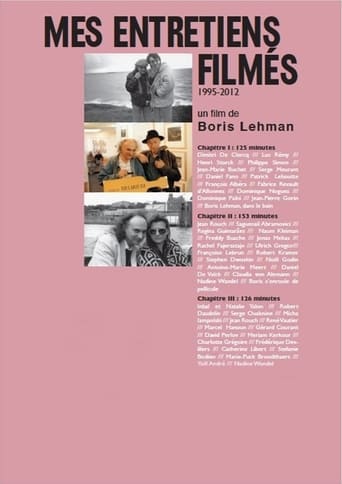
3.2This distinctly personal journey into the artistic possibilities of independent film is not to be missed. Jonas Mekas, Jean-Pierre Gorin, Robert Kramer and many other visionaries and mavericks of the silver screen – as well as a book seller, a critic and a psychoanalyst – discuss what cinema has meant to them, what it is and what it could be and, implicitly, how it has changed over the 18 years in which this film was shot. Director Boris Lehman leads the charge, drawing in moments of absurdist humour and inventive camera work; he keeps things raw and spontaneous. His encounters with the now much-missed Jean Rouch and Stephen Dwoskin are particularly touching and stand testament to their personal playfulness and candour. An engaging, absorbing, epic odyssey of a movie.
My Conversations on Film
2013
 NR
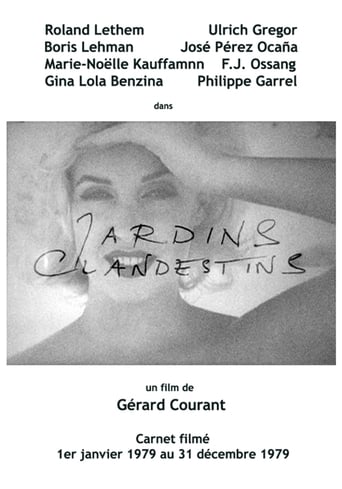
NRNo synopsis available yet.
Jardins clandestins
2012
 NR
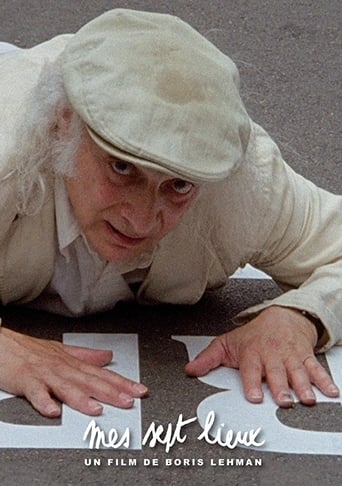
NRSeven apartments, seven times of life: one film. A classic diary film, Boris Lehman intimately chronicles his own existence and that of objects and places that became an essential part of his life. A truly cinematic experience that gives us a highly European sense of space, time and history itself.
My Seven Places
2014
 NR
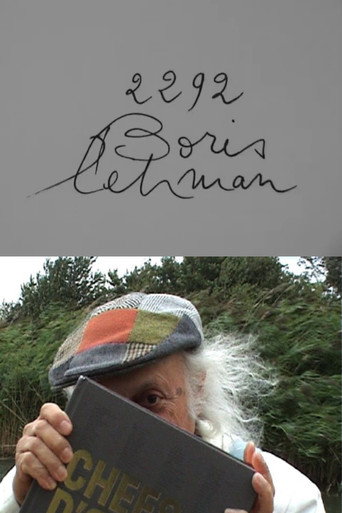
NRBoris Lehman’s “Cinématon” n°2292 portrait by Gérard Courant on August 29, 2010 in Montreuil-sous-Bois, France.
Cinématon n°2292 : Boris Lehman
2010
The film illustrates the paradox that 64=65.
Paradox
2013
To escape the dreary daily routine of city life, where she no longer finds meaning in her life, a filmmaker sets out in search of her own film, using the filming of The Odyssey as a pretext.
L'Odyssée
2016
The story of my hair can be told in two lines. My hair was long and black. It has turned white. It hasn't been cut since 1982, almost thirty years ago. Story of my Hair is a journey, both in space and in time. Anyone looking for truths, whether geographical, scientific or historical, will be disappointed. After looking at real events and real places the film very soon distances itself from them, preferring poetry and fiction. In his own fashion the auteur has combined the story of Samson and Delilah, the journey of those condemned to the death camps, the science of hair and a few thoughts about the meaning and fragility of life.
Story of My Hair
2011
 NR
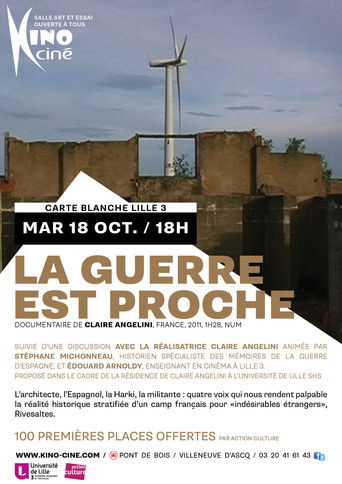
NRThis film takes a look at the French concentration camp at Rivesaltes. It does not deal with the site of memory but rather memories of the site through the concrete and physical data visible on the ground perceived as a holed-out space mined by disappearance, in particular the buildings, which subsist as ruins. This film is less preoccupied with drawing lessons from history than fuelling the present with a history that, like a blinding mirror, is of the utmost concern.
War is Looming
2011
 NR
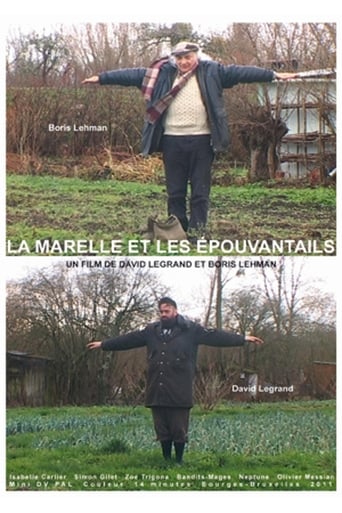
NRThis is the story of a double spell. Are scarecrows not the remains of the living dead whose souls are trying to escape to ascend to heaven? The game of hopscotch goes From earth to heaven, Between luck and the well, You come back and it's over. Little, little girl, You're here to have fun. Throw the stone well, Watch where you put your feet.
La Marelle et les Épouvantails
2011
 NR
NRNo synopsis available yet.
Conversation avec Boris Lehman
2012
2000s · 9 titles
10.0This exhibition focuses on Jonas Mekas’ 365 Day Project, a succession of films and videos in calendar form. Every day as of January 1st, 2007 and for an entire year, as indicated in the title, a large public (the artist's friends, as well as unknowns) were invited to view a diary of short films of various lengths (from one to twenty minutes) on the Internet. A movie was posted each day, adding to the previously posted pieces, resulting altogether in nearly thirty-eight hours of moving images.
365 Day Project
2007
7.4Trying to describe oneself is a movie about representation. How it is possible, through film, to describe oneself and describe others. With the camera as mirror and third eye. At first, a collage-like combination of letter-writing, investigation and journey, something between documentary and feature film. Finally, a portrait of Boris Lehman from 1989 to 1995, part II of BABEL.
Trying to Describe Oneself
2005
The short film is like a journal page of film making. On making a film (in 1966) in Barcelona. On assembling together surviving fragments of the film, but not as a vestige of something for ever lost, but rather an occasion for making a new film of all sorts of fragments: images in Barcelona (in 2008/9) that echo images of the older film; images of making films (Hanoun's own, Boris Lehman's; other friends'); images of a storm in Biarritz; fragments of conversations...
Déconstruction
2009
 NR
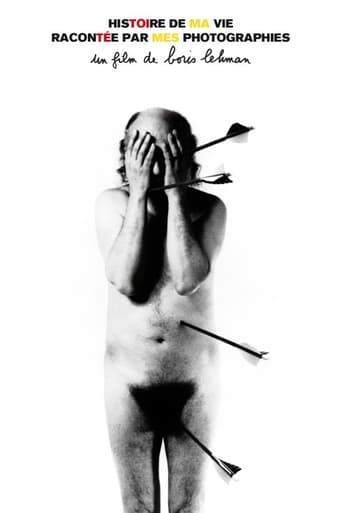
NRThrough many photographs, he tells the story and allows his story to be told by those photographed. This is where the brilliant documentary reversal takes place.
Story of My Life Told by My Photographs
2002
 NR
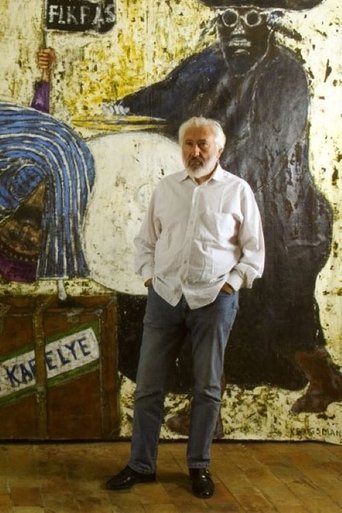
NRPortrait of Richard Kenigsman by Boris Lehman.
Alterations and Repairs
2007
 8.0
8.0No synopsis available yet.
Le journal de Joseph M.
2000
 NR
NRThe dialogue is based on the Gospel according to St John. The apostles are played by friends (the disciples) of Boris Lehman, most of them movie-makers, filmed in front of the last house still standing opposite the new buildings of the European Union. Judas is played by Claudio Pazienza and Christ by Boris Lehman. The film was shot in a matter of hours on a Sunday morning, with an incredible decor in a street that had been razed to the ground by property developers, just before the police arrived.
The Last Supper
2003
 NR
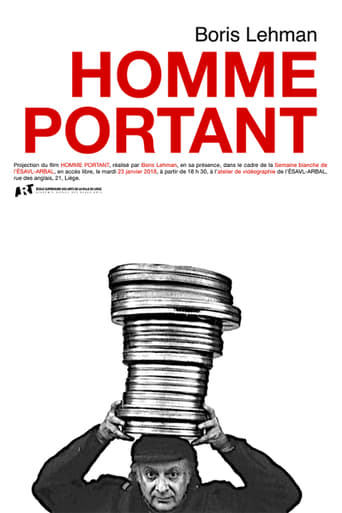
NRThe man carrying his body, his reels of film, his bag and his old Nikon, is Boris Lehman, he's also Sisyphus, Jesus Christ, and Ixion as told by Alfred Jarry in La Chandelle Verte. An essay on heaviness and lightness. The carrying man would like to fly, vanish into thin air, into light. When he meets another machine-man, who carries electronic pictures, his dream will come true.
Man Carrying
2003
 NR
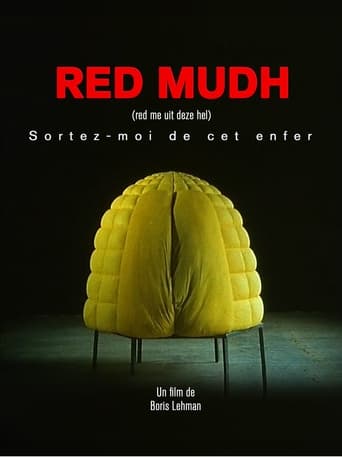
NRThe son (Julien) returns to his father (Arié), who offers him rabbit for dinner, but the son only wants honey. The father goes to get some from the hive but gets stuck inside. Fairy tale or pastiche, it all ends badly. With the murder of the father. Then a hunter arrives who tries to restore some order and ends up praising chocolate. A play by Claude Schmitz, premiered at the Épongerie in 2006.
Red Mudh
2005
1990s · 6 titles
No synopsis available yet.
Le Banquet
1995
NROne of the most intimate and obstinate filmmakers in Belgium, Boris Lehman acts, directs, produces, and distributes his films, single-handedly incarnating the essence of a creator who manages to survive on the fringes of his industry. From Brussels to Paris, friends, filmmakers and critics offer their understanding of a man for whom life is a reason to film, and film, a reason to live.
Against Time and Oblivion
1997
 5.4
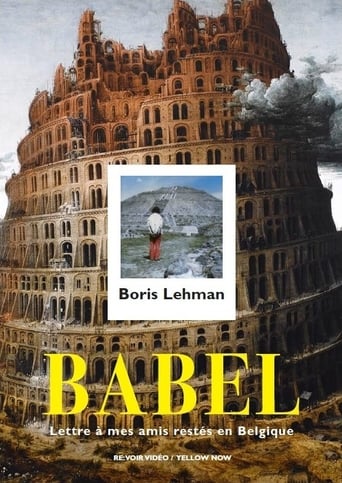
5.4The film narrates the day-to-day existence of a filmmaker wandering through his city (Brussels) and who has a notion to follow in the footsteps of dramatist Antonin Artaud and visit the Tarahumara people of Mexico. This is a film about intimacy and friendship. Written in the first person, it places Boris and Brussels in the centre of the universe, here represented by the crazy, vertiginous, endless spiral of the biblical Tower. It is Boris's diary and self-portrait. He plays himself on screen (as do the cast of a hundred who also allowed themselves to be “babelised“).
Babel: A Letter to My Friends Left Behind in Belgium
1991
 NR
NRIn a burlesque mode, the director tries to deflate the world (realized here by a globe), to level it, to put its three dimensions in two. To do this, he fights against the material and the ball, embraces it, lies down on it, twists and tramples it. Illusory victory or vain efforts?
The Image, The World
1998
 NR
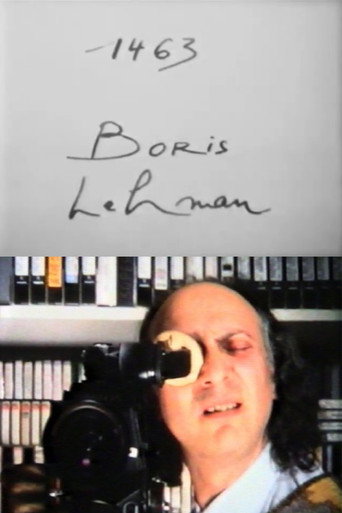
NRBoris Lehman’s “Cinématon” n°1463 portrait by Gérard Courant on December 14, 1990 in Saint-Maurice, France.
Cinématon n°1463 : Boris Lehman
1990
A mystic road movie and tells the story of il signore Peccato, an architect in the Middle Ages, and his long journey through the world of sin.
Peccato
1997
1980s · 8 titles
 10.0
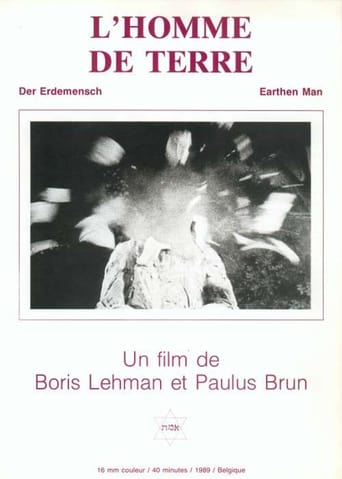
10.0From the construction of a sculpture "life size" in the earth, the director Boris Lehman imagines a story that staged a sculptor (Paulus Brun) struggling with an impossible order. The man of land is "golemise", takes life in the countryside, and ends up dying on an opera stage.
Earthen Man
1989
 6.5
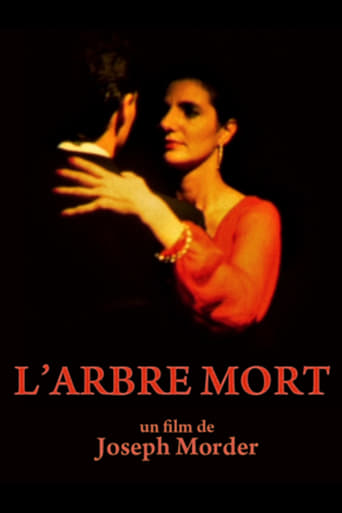
6.5The veneer of the story is a tale of chance love: two French expatriates strike up a chance romance when they meet on a ship headed back to South America.
The Dead Tree
1987
 NR
NRNo synopsis available yet.
Cinématon n°468 : Boris Lehman
1985
 10.0
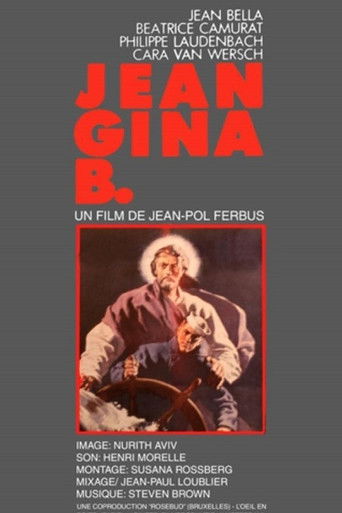
10.0This film is based on the true story of Jean Bella, who served as an officer in the Belgian Marine while being convinced, from an early age, that he was in fact a woman. Director Jean-Pol Ferbus follows Jean Bella and makes him talk about his life, psychological and spiritual experiences and reveals the true poet who remained undisclosed for most of this person's life. The film ultimately isn't about transexuality but about loneliness one can experience when he/she feels very deeply that she/he belongs to the two sexes and this in a deep, almost religious, fashion, to such an extent that sexuality itself is being erased from one's life. Jean-Gina Bella is a woman in the body of a man who bravely lived a life on the sea, eventually fighting the elements, talking to God when lost on the immense solitary ocean. This testimony is a very touching and poetic one.
Jean-Gina B.
1984
 10.0
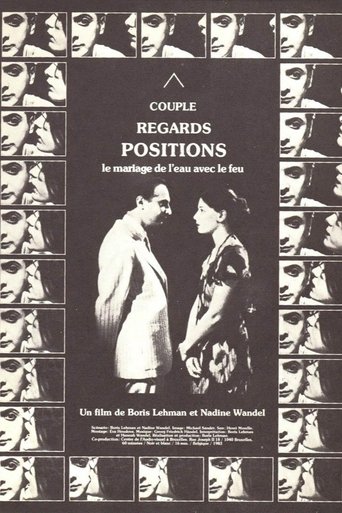
10.0A two-way mirror. Water and fire. Water extinguishes fire, and fire boils away water. There are many difficulties preventing them from understanding one another.
Couple, regards, positions
1983
 6.5
6.5The film is the cinematic encounter of two looks (that of the painter Arié Mandelbaum and that of the filmmaker Boris Lehman) with one voice: that of the singer Esther Lamandier (who goes by the same name as Arié: Mandelbaum means «I'amandier»).
Portrait of the painter at his workshop
1985
 6.6
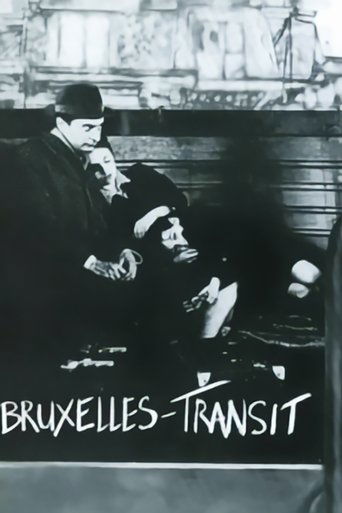
6.6A family of Polish-Jewish refugees arrives in Brussels in 1947 to navigate the challenges of postwar survival. Guided by a maternal voice-over, the narrative tracks their daily struggles with poverty, housing, and obtaining legal residency permits. Through staged, static tableaus, the film records these everyday bureaucratic and living conditions.
Brussels-Transit
1980
Boris Lehman's funereal mask is constructed when he is alive (which therefore requires him to construct a rudimentary canal to breathe through the plaster).
Masque
1987
1970s · 5 titles
6.0During the filming of "Jeanne Dielman" Sami Frey recorded what was happening on the set. A film about a film in the making.
Around Jeanne Dielman
1975
 4.9
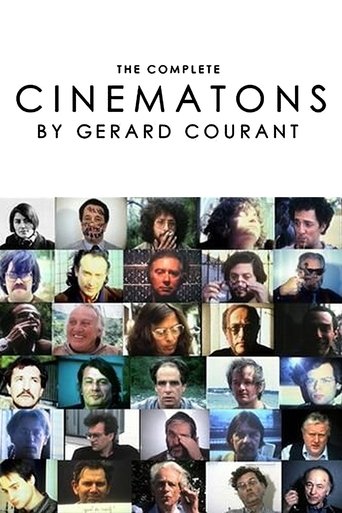
4.9Cinématon is a 156-hour long experimental film by French director Gérard Courant. It was the longest film ever released until 2011. Composed over 36 years from 1978 until 2006, it consists of a series of over 2,821 silent vignettes (cinématons), each 3 minutes and 25 seconds long, of various celebrities, artists, journalists and friends of the director, each doing whatever they want for the allotted time. Subjects of the film include directors Barbet Schroeder, Nagisa Oshima, Volker Schlöndorff, Ken Loach, Benjamin Cuq, Youssef Chahine, Wim Wenders, Joseph Losey, Jean-Luc Godard, Samuel Fuller and Terry Gilliam, chess grandmaster Joël Lautier, and actors Roberto Benigni, Stéphane Audran, Julie Delpy and Lesley Chatterley. Gilliam is featured eating a 100-franc note, while Fuller smokes a cigar. Courant's favourite subject was a 7-month-old baby. The film was screened in its then-entirety in Avignon in November 2009 and was screened in Redondo Beach, CA on April 9, 2010.
Cinématon
1978
 NR
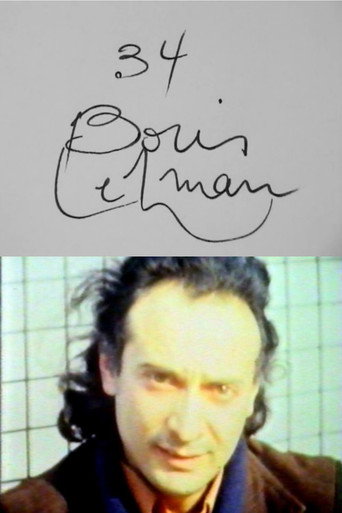
NRBoris Lehman’s “Cinématon” n°34 portrait by Gérard Courant on October 17, 1978 in Paris, France.
Cinématon n°34 : Boris Lehman
1978
Reel 4 of Gérard Courant's on-going Cinematon series.
Cinématon IV
1978
 10.0
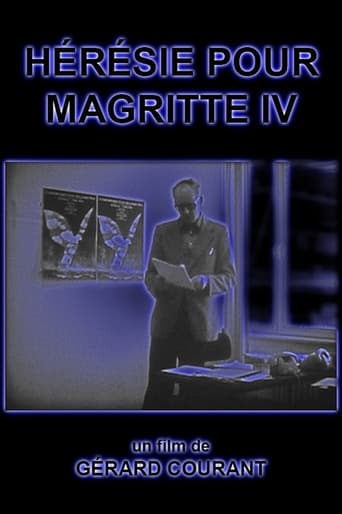
10.0Ulrich Gregor is filmed in his office at the Berlin Film Festival surrounded by the festival's poster (The Great Family of René Magritte).
Hérésie pour Magritte IV
1979
Behind the camera
7.4Trying to describe oneself is a movie about representation. How it is possible, through film, to describe oneself and describe others. With the camera as mirror and third eye. At first, a collage-like combination of letter-writing, investigation and journey, something between documentary and feature film. Finally, a portrait of Boris Lehman from 1989 to 1995, part II of BABEL.
Trying to Describe Oneself
2005
7.4Trying to describe oneself is a movie about representation. How it is possible, through film, to describe oneself and describe others. With the camera as mirror and third eye. At first, a collage-like combination of letter-writing, investigation and journey, something between documentary and feature film. Finally, a portrait of Boris Lehman from 1989 to 1995, part II of BABEL.
Trying to Describe Oneself
2005
7.4Trying to describe oneself is a movie about representation. How it is possible, through film, to describe oneself and describe others. With the camera as mirror and third eye. At first, a collage-like combination of letter-writing, investigation and journey, something between documentary and feature film. Finally, a portrait of Boris Lehman from 1989 to 1995, part II of BABEL.
Trying to Describe Oneself
2005
 NR
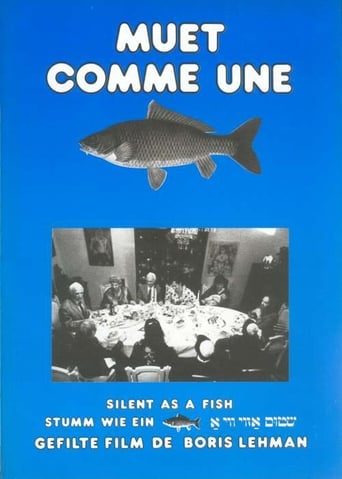
NRFrom pond to plate, we are shown the journey and destiny of one carp among many. This particular carp will be eaten stuffed during a family meal. Carp stuffed (in the Polish fashion), also called in yiddish (Gefilte Fish) is a traditional dish eaten by Ashkenazi Jews. It is cooked, sweetened and served as a cold dish at the start of the meal. The head is reserved for the head of the family. The film, set in Brussels, on the day of the Jewish New Year (Rosh Hashanah), aims to show the culinary preparation together with the accompanying prayers and ritual. It focuses particularly on the sacrifice of the fish and on the issue of mass extermination.
Silent as a Fish
1987
NRFrom pond to plate, we are shown the journey and destiny of one carp among many. This particular carp will be eaten stuffed during a family meal. Carp stuffed (in the Polish fashion), also called in yiddish (Gefilte Fish) is a traditional dish eaten by Ashkenazi Jews. It is cooked, sweetened and served as a cold dish at the start of the meal. The head is reserved for the head of the family. The film, set in Brussels, on the day of the Jewish New Year (Rosh Hashanah), aims to show the culinary preparation together with the accompanying prayers and ritual. It focuses particularly on the sacrifice of the fish and on the issue of mass extermination.
Silent as a Fish
1987
NRA day in the life of director Boris Lehman: he wanders from cafe to bookshop, cinema to museum, writer to musician, and into the storeroom of the film archive... He celebrates his birthday in an alleyway, with a friend, and finishes his journey with an escapade to Bruges and a stroll by the North Sea. The camera plays dirty tricks and the sound recorder gets carried away, to the point that both are clearly telling Boris to stop filming. Yet he persists…
Lapses, Regrets and Qualms
2016
NRA day in the life of director Boris Lehman: he wanders from cafe to bookshop, cinema to museum, writer to musician, and into the storeroom of the film archive... He celebrates his birthday in an alleyway, with a friend, and finishes his journey with an escapade to Bruges and a stroll by the North Sea. The camera plays dirty tricks and the sound recorder gets carried away, to the point that both are clearly telling Boris to stop filming. Yet he persists…
Lapses, Regrets and Qualms
2016
NRA day in the life of director Boris Lehman: he wanders from cafe to bookshop, cinema to museum, writer to musician, and into the storeroom of the film archive... He celebrates his birthday in an alleyway, with a friend, and finishes his journey with an escapade to Bruges and a stroll by the North Sea. The camera plays dirty tricks and the sound recorder gets carried away, to the point that both are clearly telling Boris to stop filming. Yet he persists…
Lapses, Regrets and Qualms
2016
10.0From the construction of a sculpture "life size" in the earth, the director Boris Lehman imagines a story that staged a sculptor (Paulus Brun) struggling with an impossible order. The man of land is "golemise", takes life in the countryside, and ends up dying on an opera stage.
Earthen Man
1989
10.0From the construction of a sculpture "life size" in the earth, the director Boris Lehman imagines a story that staged a sculptor (Paulus Brun) struggling with an impossible order. The man of land is "golemise", takes life in the countryside, and ends up dying on an opera stage.
Earthen Man
1989
 7.0
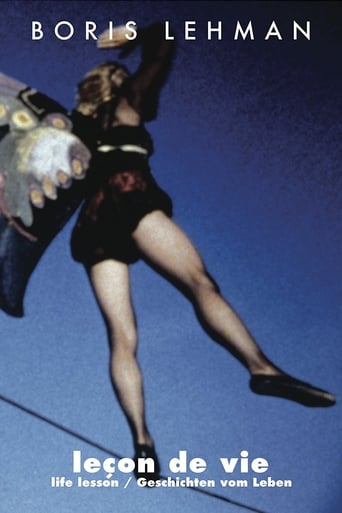
7.0To attain knowledge, man and woman had to be willing to give up their innocence," says Boris Lehman. Life Lesson is a poetic and philosophic reflection on the theme of paradise lost. Some fifty persons illustrate the planet's convulsions and the world's vacillations. Trying to communicate, to commune with the invisible, they cry out, sing out, give out messages, each in their own way, in their own state of solitude. These are like multiple echoes that resemble waves in the water or stars in the sky. " Behind these images and sounds that have been stifled by today's society, Lehman hunts for noises, cries, songs, messages that go astray. He says that if we look at the invisible we may hear the words. He invites us to look beyond the appearances of social life and to vibrate in tune with life's polyphony that is all around us."
Life Lesson
1995
7.0To attain knowledge, man and woman had to be willing to give up their innocence," says Boris Lehman. Life Lesson is a poetic and philosophic reflection on the theme of paradise lost. Some fifty persons illustrate the planet's convulsions and the world's vacillations. Trying to communicate, to commune with the invisible, they cry out, sing out, give out messages, each in their own way, in their own state of solitude. These are like multiple echoes that resemble waves in the water or stars in the sky. " Behind these images and sounds that have been stifled by today's society, Lehman hunts for noises, cries, songs, messages that go astray. He says that if we look at the invisible we may hear the words. He invites us to look beyond the appearances of social life and to vibrate in tune with life's polyphony that is all around us."
Life Lesson
1995
7.0To attain knowledge, man and woman had to be willing to give up their innocence," says Boris Lehman. Life Lesson is a poetic and philosophic reflection on the theme of paradise lost. Some fifty persons illustrate the planet's convulsions and the world's vacillations. Trying to communicate, to commune with the invisible, they cry out, sing out, give out messages, each in their own way, in their own state of solitude. These are like multiple echoes that resemble waves in the water or stars in the sky. " Behind these images and sounds that have been stifled by today's society, Lehman hunts for noises, cries, songs, messages that go astray. He says that if we look at the invisible we may hear the words. He invites us to look beyond the appearances of social life and to vibrate in tune with life's polyphony that is all around us."
Life Lesson
1995
NRThrough many photographs, he tells the story and allows his story to be told by those photographed. This is where the brilliant documentary reversal takes place.
Story of My Life Told by My Photographs
2002
NRThrough many photographs, he tells the story and allows his story to be told by those photographed. This is where the brilliant documentary reversal takes place.
Story of My Life Told by My Photographs
2002
NRThrough many photographs, he tells the story and allows his story to be told by those photographed. This is where the brilliant documentary reversal takes place.
Story of My Life Told by My Photographs
2002
3.2This distinctly personal journey into the artistic possibilities of independent film is not to be missed. Jonas Mekas, Jean-Pierre Gorin, Robert Kramer and many other visionaries and mavericks of the silver screen – as well as a book seller, a critic and a psychoanalyst – discuss what cinema has meant to them, what it is and what it could be and, implicitly, how it has changed over the 18 years in which this film was shot. Director Boris Lehman leads the charge, drawing in moments of absurdist humour and inventive camera work; he keeps things raw and spontaneous. His encounters with the now much-missed Jean Rouch and Stephen Dwoskin are particularly touching and stand testament to their personal playfulness and candour. An engaging, absorbing, epic odyssey of a movie.
My Conversations on Film
2013
3.2This distinctly personal journey into the artistic possibilities of independent film is not to be missed. Jonas Mekas, Jean-Pierre Gorin, Robert Kramer and many other visionaries and mavericks of the silver screen – as well as a book seller, a critic and a psychoanalyst – discuss what cinema has meant to them, what it is and what it could be and, implicitly, how it has changed over the 18 years in which this film was shot. Director Boris Lehman leads the charge, drawing in moments of absurdist humour and inventive camera work; he keeps things raw and spontaneous. His encounters with the now much-missed Jean Rouch and Stephen Dwoskin are particularly touching and stand testament to their personal playfulness and candour. An engaging, absorbing, epic odyssey of a movie.
My Conversations on Film
2013
5.4The film narrates the day-to-day existence of a filmmaker wandering through his city (Brussels) and who has a notion to follow in the footsteps of dramatist Antonin Artaud and visit the Tarahumara people of Mexico. This is a film about intimacy and friendship. Written in the first person, it places Boris and Brussels in the centre of the universe, here represented by the crazy, vertiginous, endless spiral of the biblical Tower. It is Boris's diary and self-portrait. He plays himself on screen (as do the cast of a hundred who also allowed themselves to be “babelised“).
Babel: A Letter to My Friends Left Behind in Belgium
1991
5.4The film narrates the day-to-day existence of a filmmaker wandering through his city (Brussels) and who has a notion to follow in the footsteps of dramatist Antonin Artaud and visit the Tarahumara people of Mexico. This is a film about intimacy and friendship. Written in the first person, it places Boris and Brussels in the centre of the universe, here represented by the crazy, vertiginous, endless spiral of the biblical Tower. It is Boris's diary and self-portrait. He plays himself on screen (as do the cast of a hundred who also allowed themselves to be “babelised“).
Babel: A Letter to My Friends Left Behind in Belgium
1991
 NR
NR14Reels is a collective film in Super 8, where 14 directors in 14 cities around the world have filmed and edited in camera one reel each on the theme of the city.
14Reels
2016
NRPortrait of Richard Kenigsman by Boris Lehman.
Alterations and Repairs
2007
NRPortrait of Richard Kenigsman by Boris Lehman.
Alterations and Repairs
2007
 9.0
9.0Film director Boris Lehman returns to Lausanne, where he was born on 3 March 1944, at the end of the war.
Looking for My Birthplace
1990
NRSeven apartments, seven times of life: one film. A classic diary film, Boris Lehman intimately chronicles his own existence and that of objects and places that became an essential part of his life. A truly cinematic experience that gives us a highly European sense of space, time and history itself.
My Seven Places
2014
NRThe dialogue is based on the Gospel according to St John. The apostles are played by friends (the disciples) of Boris Lehman, most of them movie-makers, filmed in front of the last house still standing opposite the new buildings of the European Union. Judas is played by Claudio Pazienza and Christ by Boris Lehman. The film was shot in a matter of hours on a Sunday morning, with an incredible decor in a street that had been razed to the ground by property developers, just before the police arrived.
The Last Supper
2003
NRThe dialogue is based on the Gospel according to St John. The apostles are played by friends (the disciples) of Boris Lehman, most of them movie-makers, filmed in front of the last house still standing opposite the new buildings of the European Union. Judas is played by Claudio Pazienza and Christ by Boris Lehman. The film was shot in a matter of hours on a Sunday morning, with an incredible decor in a street that had been razed to the ground by property developers, just before the police arrived.
The Last Supper
2003
 NR
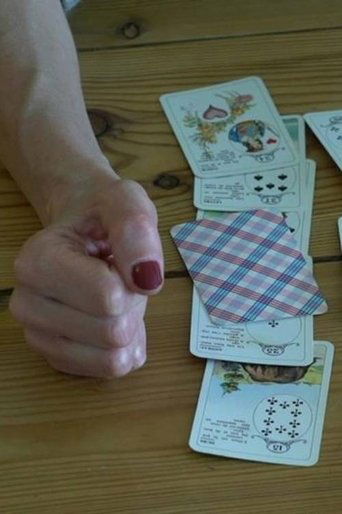
NRHow to talk about History, the big one and the small one, ours and that of each of us? Watching television, browsing the Internet, rummaging through the stock of world archives? Or more simply, going back to our own images that built us?
Ghosts from the Past (How History Got into Me)
2021
 NR
NRSymphonie mixes fiction with reality. The author, Romain Schneid, tells the story of his own claustrophobia in front of the camera when, when he was 12 years old, hiding as a Jew during the German occupation, he could not leave a tiny apartment. He tells and he plays alone all the characters in his drama. He invents, deforms, imagines another end. He is at the same time the author, the narrator and the actor (the actors). Did he really experience what he's talking about, or did all that happen in his head? Are we facing a testimony or a delusion?
Symphonie
1980
NRSymphonie mixes fiction with reality. The author, Romain Schneid, tells the story of his own claustrophobia in front of the camera when, when he was 12 years old, hiding as a Jew during the German occupation, he could not leave a tiny apartment. He tells and he plays alone all the characters in his drama. He invents, deforms, imagines another end. He is at the same time the author, the narrator and the actor (the actors). Did he really experience what he's talking about, or did all that happen in his head? Are we facing a testimony or a delusion?
Symphonie
1980
The film illustrates the paradox that 64=65.
Paradox
2013
 NR
NRWith Maurice D, an enigmatic silent film that could be situated somewhere between Luis Buñuel's Un Chien andalou and Alfred Hitchcock's La Loi du silence, another extremely rare auteur, Maurice Diament, is brought to light. The anxiety-inducing effect of his film was to be increased tenfold by the sound of the metronome that was supposed to accompany the screening.
Maurice D...
1972
NRIn a burlesque mode, the director tries to deflate the world (realized here by a globe), to level it, to put its three dimensions in two. To do this, he fights against the material and the ball, embraces it, lies down on it, twists and tramples it. Illusory victory or vain efforts?
The Image, The World
1998
The story of my hair can be told in two lines. My hair was long and black. It has turned white. It hasn't been cut since 1982, almost thirty years ago. Story of my Hair is a journey, both in space and in time. Anyone looking for truths, whether geographical, scientific or historical, will be disappointed. After looking at real events and real places the film very soon distances itself from them, preferring poetry and fiction. In his own fashion the auteur has combined the story of Samson and Delilah, the journey of those condemned to the death camps, the science of hair and a few thoughts about the meaning and fragility of life.
Story of My Hair
2011
The story of my hair can be told in two lines. My hair was long and black. It has turned white. It hasn't been cut since 1982, almost thirty years ago. Story of my Hair is a journey, both in space and in time. Anyone looking for truths, whether geographical, scientific or historical, will be disappointed. After looking at real events and real places the film very soon distances itself from them, preferring poetry and fiction. In his own fashion the auteur has combined the story of Samson and Delilah, the journey of those condemned to the death camps, the science of hair and a few thoughts about the meaning and fragility of life.
Story of My Hair
2011
Julien and Anty, two young slackers, take seven days to move three trinkets a short distance, exemplifying the strategy of least effort. They sit on a sofa on the sidewalk, waiting for the light to turn green, taking breaks and intermissions. The film humorously mocks these pseudo-intellectuals, who will soon be together in the same bed, drinking the same cans, just two streets away.
Histoire d'un déménagement
1967
 9.0
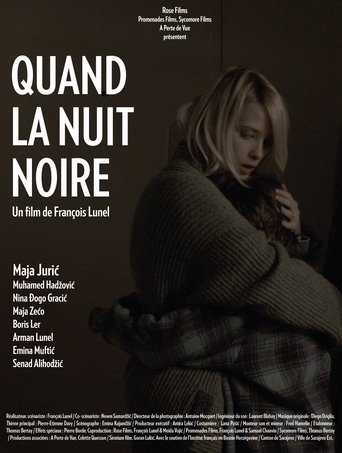
9.0Sarajevo, 1993. Haska is 28 years old. She loves Elvir, but even more so their 8-year-old son Denis, who has taken center stage in her life since the war began. Haska tries to give her daily life a semblance of normality. Elvir's death at the front will shatter this apparent normality.
When the Night Goes Tango
2000
 NR
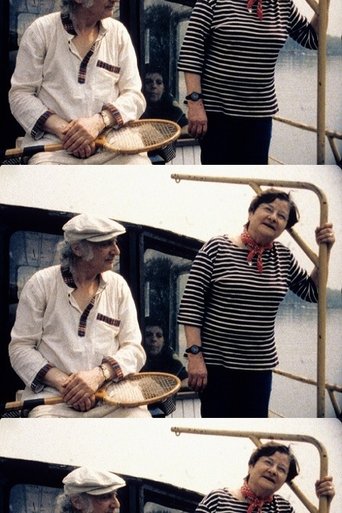
NRA boat ride to celebrate a birthday with friends becomes the pretext for a film shoot. A family film that quickly turns into a fable and a biblical tale. It is the story of Noah's Ark, braving the flood and saving a few remnants of humanity, which is stranded on Mount Ararat.
Une belle croisière
2008
NRThe man carrying his body, his reels of film, his bag and his old Nikon, is Boris Lehman, he's also Sisyphus, Jesus Christ, and Ixion as told by Alfred Jarry in La Chandelle Verte. An essay on heaviness and lightness. The carrying man would like to fly, vanish into thin air, into light. When he meets another machine-man, who carries electronic pictures, his dream will come true.
Man Carrying
2003
NRThe man carrying his body, his reels of film, his bag and his old Nikon, is Boris Lehman, he's also Sisyphus, Jesus Christ, and Ixion as told by Alfred Jarry in La Chandelle Verte. An essay on heaviness and lightness. The carrying man would like to fly, vanish into thin air, into light. When he meets another machine-man, who carries electronic pictures, his dream will come true.
Man Carrying
2003