

Acting
Manfredo Colassanti
Born — Died
1902-11-06 — 1983-11-19
Place of birth
Roma, Italy
Known for
Acting
Credits
31 titles
Manfredo Colasanti (Rome, 6 November 1902 – Niterói, 19 November 1983) was an Italian actor and journalist, based in Brazil since 1948.
Known for
 8.0
8.0Os Trapalhões was a Brazilian comedy group and also a Brazilian television series created by Wilton Franco. Its members were Dedé Santana, Zacarias, Mussum and their leader Didi Mocó, that was played by Renato Aragão. The name Trapalhões is derived from the Portuguese verb atrapalhar, which means the opposite of helping, to do something the wrong way or to Those that confuse. The name is translated "Tramps" in English DVD subtitles. It was aired by Rede Globo from 1977 to 1999. On March 18, 1990, Zacarias died due to respiratory failure, but the group and the series didn't come to an end until July 29, 1994, when Mussum died due to an unsuccessful heart transplant.
The Trapalhões
1977
 7.0
7.0No synopsis available yet.
Os Imigrantes
1981
 8.6
8.6Cousins Charlô and Otávio once had a romance, but today they detest each other. However, fate plays a trick on them: they will receive a large inheritance, on the condition that they live together.
Guerra dos Sexos
1983
 7.5
7.5After his grandfather's death, André Cajarana goes to Rio de Janeiro to understand the death of his father—whom he had always believed to be a hero—and to try to prove his innocence.
Pai Herói
1979
 7.0
7.0Marked by the reputation of “son of the devil”, Zeca sees his life change when he falls in love with Maria Rita, Santinha. But the young woman's devotion and expectations about her destiny put the romance to the test.
Paraíso
1982
 8.0
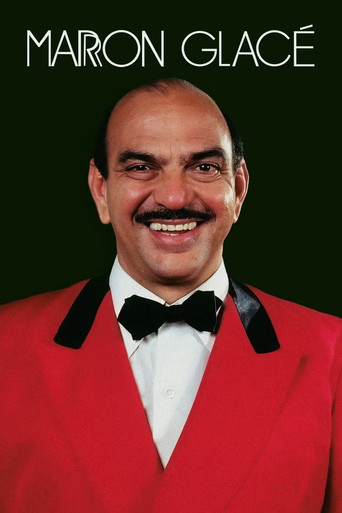
8.0To avenge his father's death, Otávio wants to take over a party catering business called "Marron Glacé," but ends up falling in love with Vanessa, the daughter of the current owner.
Marron Glacé
1979
Film credits
1980s · 3 titles
 5.2
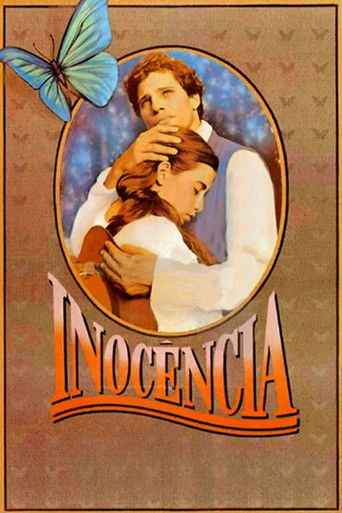
5.2In the 19th century, a country girl is seduced by a young doctor who's staying at her house for a few days, caring for her, and tries to hide the forbidden romance from her father, who disapproves of the relationship.
Innocence
1983
 4.8
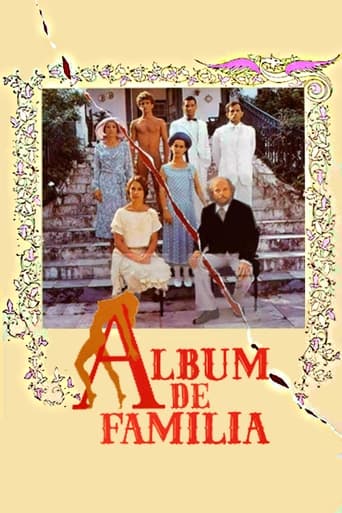
4.8Follows the decadence of an incestuous oligarch family in a rural Brazilian household through the years during the early 20th century.
Family Album
1981
 4.2
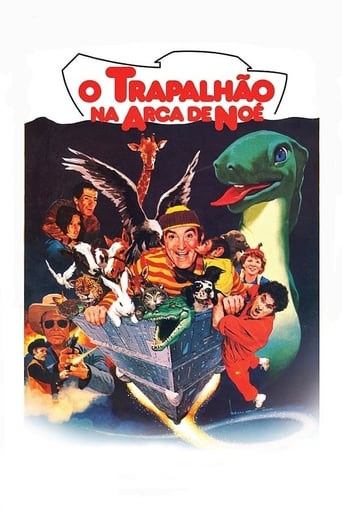
4.2Duda is a zoo cleaner. He and his friend Kiko and Zeca are actively engaged in an animal protection group. For this reason, they are summoned by mystic Noé to fight animal hunters in the Pantanal region, in Brazil, who are after animal skins and furs, and are led by the mean Morel. They accept the mission and, on their way, meet archaeologist Marcos and photographer Carla, who are in search of a lost pyramid built by the Phoenician. Together, they try to beat the hunters.
O Trapalhão na Arca de Noé
1983
1970s · 16 titles
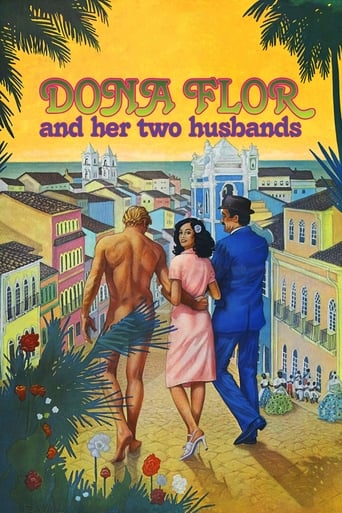 6.8
6.8After the death of her handsome but good-for-nothing husband Vadinho, Flor, a widow, marries Dr. Teodoro, a respectable gentleman. Hilarity ensues when Vadinho's spirit returns into her life.
Dona Flor and Her Two Husbands
1976
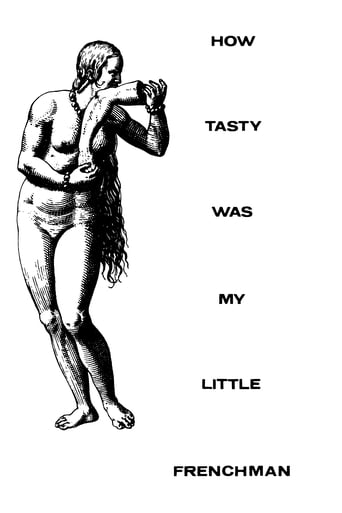 6.1
6.1In 1594 Brazil, a frenchman becomes a prisoner of the Tupinambás. While waiting to be executed, the foreigner learns the habits of the indigenous people and joins a woman who tries to help him escape.
How Tasty Was My Little Frenchman
1971
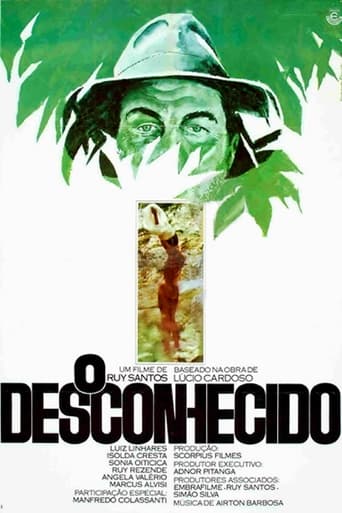 7.0
7.0No synopsis available yet.
O Desconhecido
1978
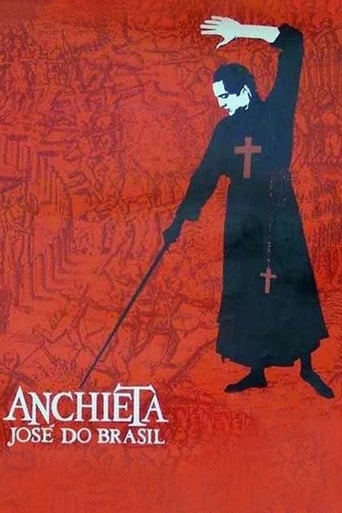 6.1
6.1Life and death of the jesuit who fought for the peaceful relationship between colonists and the indigenous peoples of Brazil.
Anchieta, José do Brasil
1977
 7.0
7.0Erotic comedy in five segments, starring the same actor, Chico Anysio: O Torneio (The Tournament), A Boca (The Mouth), O Filminho (The Short Film), A Suspeita (The Suspicion) and O Apartamento (The Apartment).
O Doce Esporte do Sexo
1971
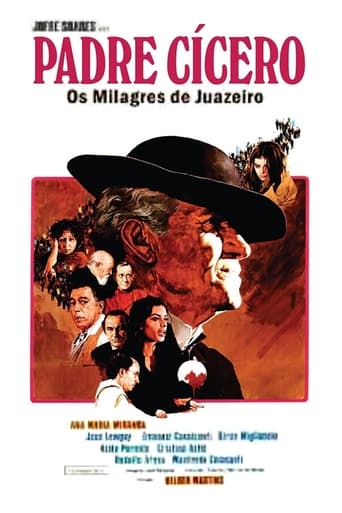 10.0
10.0No synopsis available yet.
Padre Cícero: Os Milagres de Juazeiro
1976
 5.4
5.4The critical success in France of How Tasty Was My Little Frenchman made possible dos Santos’ delirious science-fiction vision of free love in a post-apocalyptic wilderness besieged by flesh hungry zombies contaminated by an unnamed nuclear attack. Who is Beta? follows two statuesque survivors drawn irresistibly together only to be entranced by the arrival and sudden disappearance of a third, the bewitching raven haired Beta. With its cartoon-like depiction of extreme violence and desire, Who is Beta? offers a heady Pop-infused companion to Hunger for Love. Yet beneath its giddy play of surfaces, dos Santos' underappreciated film gradually reveals a darkly ambiguous metaphoric dimension. -Harvard Film Archive
Who Is Beta?
1972
 6.0
6.0In São Paulo, during the 1920s, a woman who is loved by a telegraphist and seduced by a slacker ends up in prostitution.
Os Condenados
1974
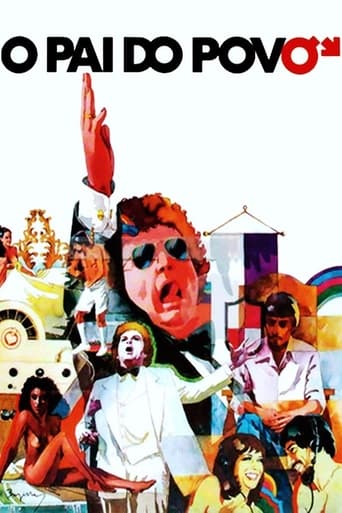 6.5
6.5After a nuclear war renders all men on Earth sterile, only one remains fertile due to an unlikely stroke of luck. Dubbed the "Father of the People," he becomes the object of a tug-of-war between governments while trying to escape the mission of ensuring humanity's survival.
O Pai do Povo
1976
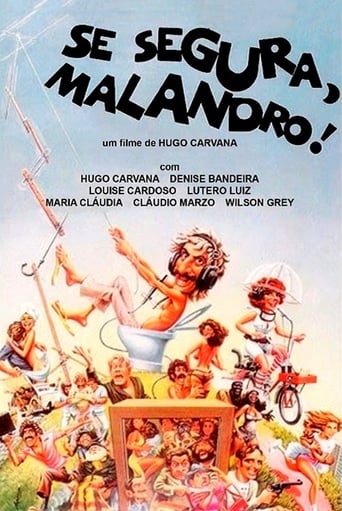 4.5
4.5Paulo Otávio is the host of a pirate radio station on the slums of Rio de Janeiro. He struggles to mantain the station working, since the only help he's got comes from news reporter Calói. Their story goes beyond as the city starts to face a crime wave.
Se Segura, Malandro!
1978
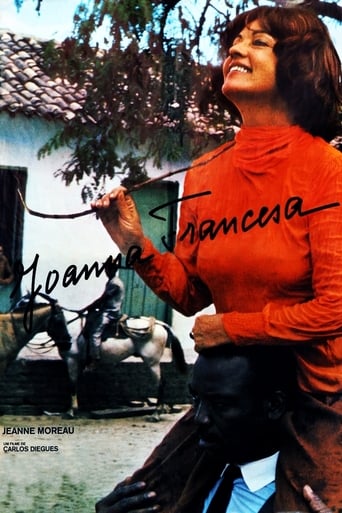 4.5
4.5Joana is a sophisticated, beautiful woman, so she has a choice of lovers, and destinies. She will let down Pierre, the French consul at São Paulo, and with him the frivolity of tea-parties and comfort. Her wild inner-soul will develop into the wild forest surroundings of a landlord's farmhouse. To the extent she will defend her land like a 19th century owner - of lands and men alike.
Joanna Francesa
1973
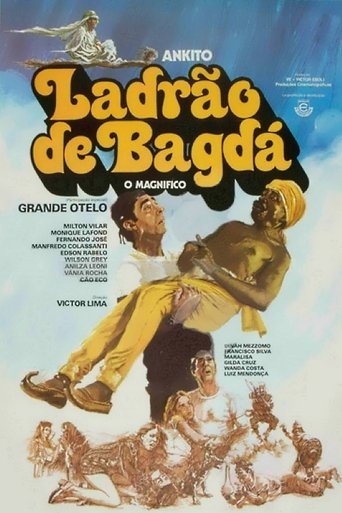 9.0
9.0No synopsis available yet.
Ladrão de Bagdá
1976
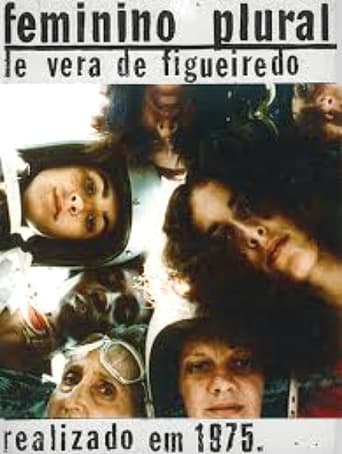 8.0
8.0"Seven women on motorcycles, through Via Dutra, go to the Baixada Fluminense, a microcosm of Brazil. Diving into the memory and questioning the behavior imposed on women, they seek to rescue the strength of the feminine. The new woman, born in the Brazilian land, incorporates the Amazons and Santa Guerreira. At his side, the new man, more loose and creative. Closing the cycle, the initial road is resumed. " (HBH / QC)
Feminino Plural
1976
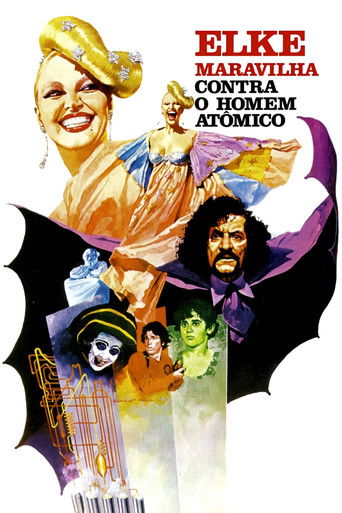 10.0
10.0Reporter Tião, who routinely brings neighbor’s son Zeca along for leisure features, is drawn into investigating mysterious disappearances in the city. He uncovers Dr. Kiriri’s hidden laboratory, where the mad scientist and his secretary Mérilin transform victims into dust and send them to another galaxy. Tião must expose and stop Kiriri before more people vanish.
Elke Maravilha Contra o Homem Atômico
1978
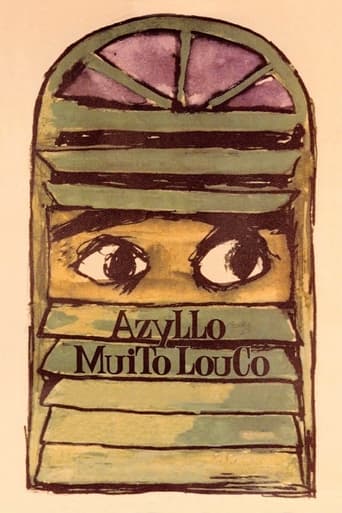 6.3
6.3Father Simão Bacamarte arrives in the small town of Serafim to investigate a certain phenomenon of madness.
The Alienist
1970
 5.0
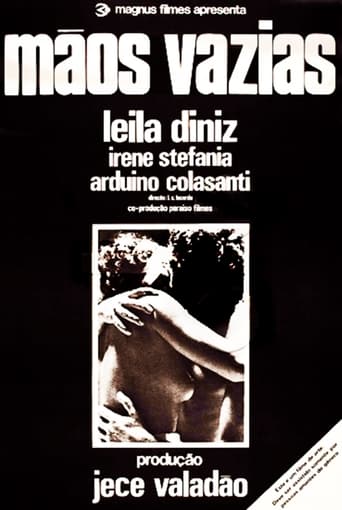
5.0In a small town in the State of Minas Gerais, Brazil, a woman rebels against local morality after her child dies, with tragic results.
Mãos Vazias
1971
1960s · 2 titles
 6.6
6.6Year 2000. Brazil was partially devastated by the Third World War. An immigrant family arrives in a small town, which they call "I Forgot." The trio is recruited by an indigenist to pretend to be indigenous during the visit of a general. In the dilemma of integrating into the system or preserving individual freedom, the family moves toward disintegration as the city prepares to launch a space rocket.
Brazil Year 2000
1969
 5.1
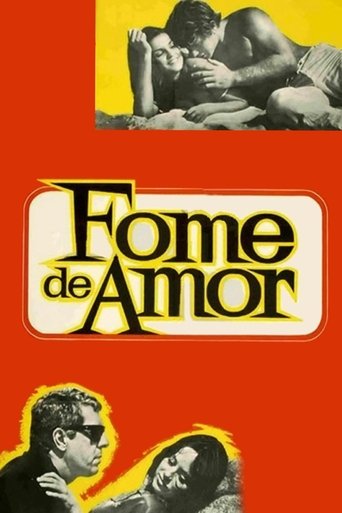
5.1An extended research tour of US university film programs introduced dos Santos to the American avant-garde filmmakers, among them Jonas Mekas and Stan Brakhage, who would directly inspire his formally radical adaptation of an allegorical short story about adultery and colonialism by Guilherme de Figueiredo. Filmed in both Manhattan and Brazil and set against the background of the Vietnam War and its protests, Hunger for Love uses a rigorously abstract soundtrack and narrative structure to evoke the acute paranoia of the period building up to the December 1968 military coup that tipped Brazil perilously close to a conservative dictatorship. With its harsh critique of the decadent tendencies of the Sixties counterculture, Hunger for Love offers a key expression of the self-consciously “ideological” phase of Cinema Novo. -Harvard Film Archive
Hunger for Love
1968
Series credits
8.0Os Trapalhões was a Brazilian comedy group and also a Brazilian television series created by Wilton Franco. Its members were Dedé Santana, Zacarias, Mussum and their leader Didi Mocó, that was played by Renato Aragão. The name Trapalhões is derived from the Portuguese verb atrapalhar, which means the opposite of helping, to do something the wrong way or to Those that confuse. The name is translated "Tramps" in English DVD subtitles. It was aired by Rede Globo from 1977 to 1999. On March 18, 1990, Zacarias died due to respiratory failure, but the group and the series didn't come to an end until July 29, 1994, when Mussum died due to an unsuccessful heart transplant.
The Trapalhões
1977
7.0No synopsis available yet.
Os Imigrantes
1981
8.6Cousins Charlô and Otávio once had a romance, but today they detest each other. However, fate plays a trick on them: they will receive a large inheritance, on the condition that they live together.
Guerra dos Sexos
1983
7.5After his grandfather's death, André Cajarana goes to Rio de Janeiro to understand the death of his father—whom he had always believed to be a hero—and to try to prove his innocence.
Pai Herói
1979
7.0Marked by the reputation of “son of the devil”, Zeca sees his life change when he falls in love with Maria Rita, Santinha. But the young woman's devotion and expectations about her destiny put the romance to the test.
Paraíso
1982
8.0To avenge his father's death, Otávio wants to take over a party catering business called "Marron Glacé," but ends up falling in love with Vanessa, the daughter of the current owner.
Marron Glacé
1979
 NR
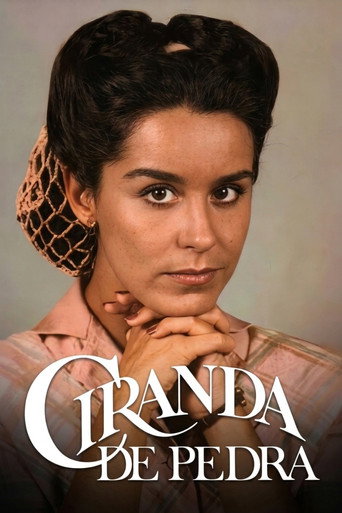
NRSet in 1940s São Paulo, the story follows Laura, a modern woman devoted to the arts who is oppressed by her husband, Natércio Prado—a wealthy man with traditional views. Amidst marital turmoil, Laura suffers a severe trauma and is even committed to an asylum by her husband. The couple separates, and the family is torn apart: Laura keeps her youngest daughter, Virgínia, while Natércio retains custody of the other daughters, Otávia and Bruna. Frail and penniless, Laura moves into the Vila Mariana home of her neurologist, Daniel. He is in love with his patient and believes her condition is physical rather than mental. Laura hides the fact that Virgínia is actually Daniel's daughter. The youngest daughter eventually returns to live with her father, where she faces hostility and harshness from the housekeeper, Frau Herta.
Ciranda de Pedra
1981
 7.0
7.0Manoela is employed in the home of Donato, an employee at a cosmetics factory, and Carolina. After her boss's death, Carolina finds herself unprepared to deal with the serious financial difficulties and fires Manoela, who agrees to work for free, becoming a kind of guardian angel, advisor, and administrator of the house. To pay the mortgage on the property, she suggests that Carolina rent out two of the vacant rooms. The new tenants are four students who have recently arrived in Rio to take the university entrance exam. During their studies, the young men meet Marcelo, nicknamed Belo, who falls in love with Manoela. The relationship gives her the opportunity, for the first time, to forget about other people's problems and live her own life.
Supermanoela
1974
 8.5
8.5No synopsis available yet.
Os Ossos do Barão
1973
 7.7
7.7No synopsis available yet.
Sinal de Alerta
1978