
Known for
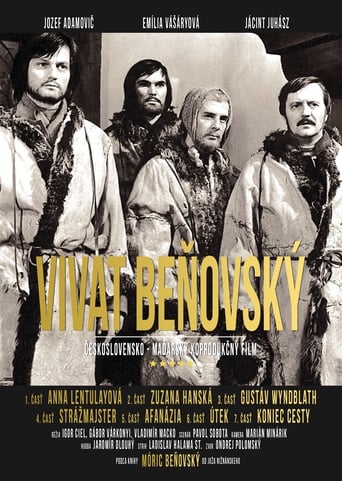 7.0
7.0No synopsis available yet.
Vivat Beňovský!
1975
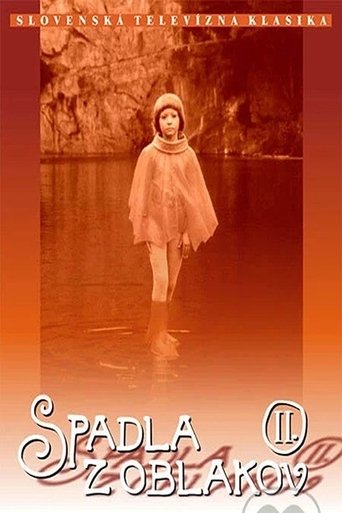 8.2
8.2Spadla z oblakov is a Slovak language sci-fi TV series for children created in year 1978. The series became very popular in Czechoslovakia and several other countries. The series was based on 1967 child book Spadla z nebe by Václav Pavel Borovička, a Czech writer and screenwriter. The first, very successful edition was followed by several reprints, the last in year 2000. The TV series follows the book quite closely.
She Came Out of the Blue Sky
1979
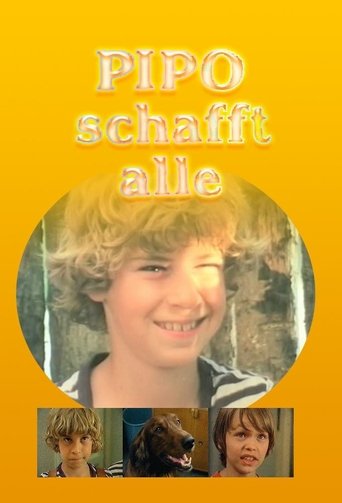 7.0
7.0A funny story about a little boy everybody call Pipo and his summer vacations in the village.
Birthmark
1985
No synopsis available yet.
Hĺbkový rekord
1985
This five-part TV film tells the story of Jan Daňo, a shepherd, and his two daughters.
Nepokojná láska
1975
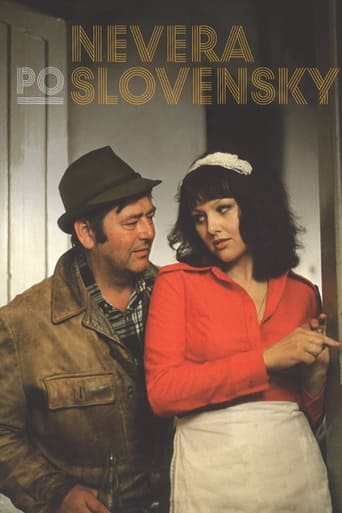 8.5
8.5A comedy about three flirtatious woodcutters realistically capturing Slovak village life and criticizing insincerity, hypocrisy and male pride.
Infidelity, Slovak Style
1981
Film credits
1980s · 18 titles
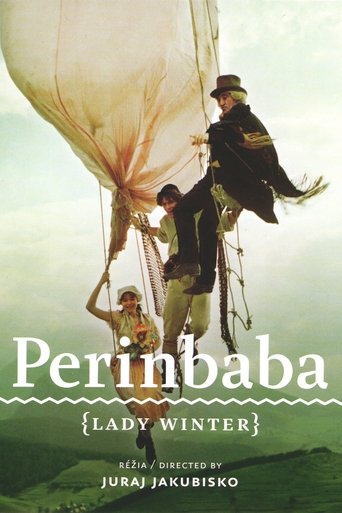 7.1
7.1A fairy-tale about an old lady who takes care of snow and Jakub who does not fear death. It reflects the idea of people's longing for happiness, love and understanding, their effort to overcome troubles and win over death. It criticizes greed and evil desires.
The Feather Fairy
1985
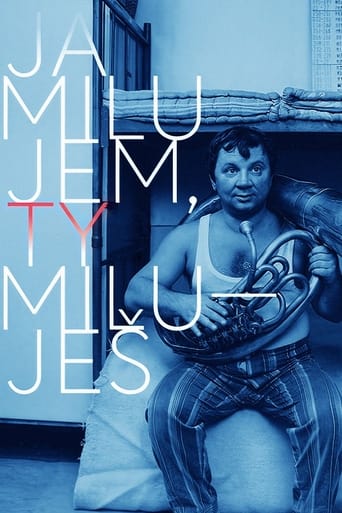 5.4
5.4The drama called I Love, You Love was made in 1980 but because of the absurd ideological ban, the film entered cinemas nine years later. Pišta is an unmarried man who works at a freight wagon which carries letters and parcels. Alcohol helps him to overcome his handicap of being short and not good-looking. He wishes he had a woman, but the woman he really wants, ageing Viera who reloads the cargoes, has a soft spot for another man. So, Pišta has nobody and nothing, except for senile mother who sometimes fails to recognize him. The film received Silver Bear for Best Director at the International Film Festival in Berlin.
I Love, You Love
1988
No synopsis available yet.
Skleníková Venuša
1986
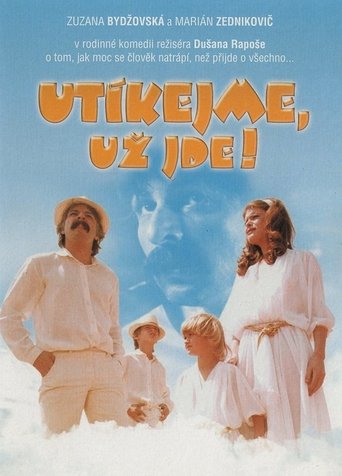 5.2
5.2A comedy about happiness, Indian magic and adultery. One day Mr and Mrs Sysel happen to solve the problem of lacking enough room in their tiny flat. They break through the wall into their neighbour's comfortable flat, from which they borrow not only additional square feets of space, but things of his personal property as well.
Run, He Is Coming!
1987
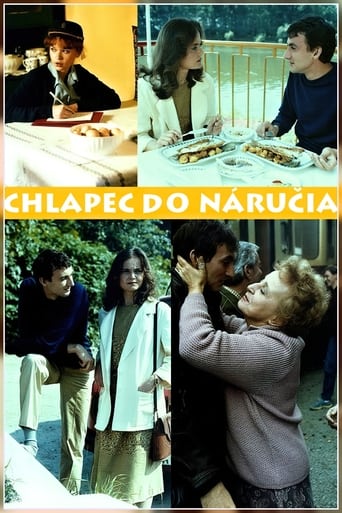 8.0
8.0No synopsis available yet.
Chlapec do náručia
1986
Television adaptation of F. Kárinthyho's story about how important it is to have a sense of home. The apricot jam symbolizes the home, family well-being, which the little boy Ferko, living with his parents in a Hungarian town of the 30's of the 20th century, desperately hopes for. A mother with an unfulfilled desire to become a famous pianist and a father with an even more distant dream to be a world-famous and wealthy writer to a son have no time or even a loving word. His loving companion is only Manci, who, however, leaves for misunderstanding with his lords. Ferko remains alone, disappointed and reluctant to accept the friendship of a new maid of Rózy. But he also has his great dream, and Róza will help him meet him.
The Apricot Jam
1988
No synopsis available yet.
Návrat Jána Petru
1986
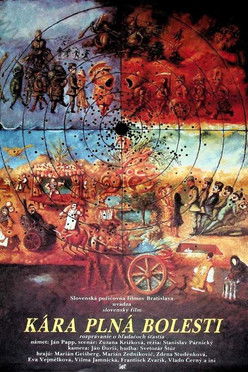 4.3
4.3War takes its cruel toll, which everyone must pay. It hits a small Slovak village especially hard, where the struggle for a bare life becomes a test of human character. For two impoverished friends, Jakub and Maja, struggling through poverty is more than difficult. Jakub delivers sour milk from somewhere on his cart to the entire village and lives in a dilapidated house with his sister Tereza, whose caregiver and guide through life is the experienced woman Mara, who provides herself with money from seduced soldiers. Maja, on the other hand, is a foundling and homeless man who does whatever he can to survive the next day. The only consolation for the two inseparable friends are the circulating tales of a kind of promised land, where there is no poverty or hunger, and where they could both go. Only this vision, this idea alone keeps the two of them and the rest of the village on their feet, and gives them hope for a better tomorrow.
Kára plná bolesti
1986
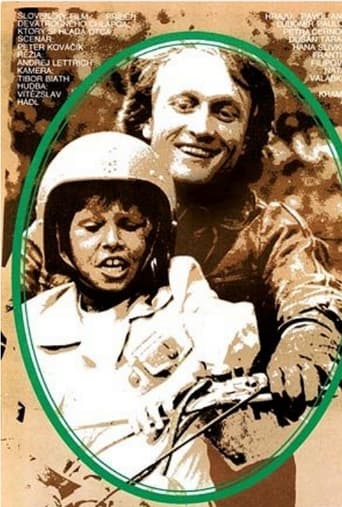 5.0
5.0Small Yozko, who lives with his mother, dreams of a real father, whose ideal is embodied in a tractor motorcyclist on Formula nickname. However, his mother perceives cheerful cool formula, finding it, like many villagers, frivolous. Friendship Formula fills the boy his father's absence, and Yozko increasingly tied to his friend. Suddenly received a telegram from the actual Yozko father, his mother will have to take a difficult decision, but life itself makes adjustments ...
Otec
1981
No synopsis available yet.
Miesto pre dvoch osamelých cyklistov
1983
No synopsis available yet.
Katera
1981
 5.9
5.9Pepe and Prengel, returning from war, meet Ester and both fall in love with the girl and live together in a deserted house. Fanatic communist, Zelmira, wants to turn their world upside-down.
Sitting on a Branch, Enjoying Myself
1989
Little Vinco longs to play in the village brass band even though his teachers say he has no musical ear. After many problems at home with his parents and at school, Vinco finally makes it in the village orchestra as a heligan player when he obeys his uncle Rafael and practices hard...
Otec ma zderie tak, či tak...
1980
A 1984 Slovak language drama film directed by Martin Tapák.
Dies irae
1984
Ivan Hálek, son of the famous poet Vítězslav Hálek, studied medicine and devoted his life to the Slovak countryside. In the poor Kysuce region, he not only treats the local villagers, but also makes an extraordinary contribution to education. At the same time, he struggles with lingering superstitions and mistrust. However, the hero and his young wife also become acquainted with folk customs, songs, and the colorful culture of the poorest. And he proclaims that only those who rid them of terrible mass poverty can provide these poor people with true living water.
Živá voda
1981
No synopsis available yet.
Praženica
1985
No synopsis available yet.
Demokrati
1980
No synopsis available yet.
Najatý klaun
1981
1970s · 19 titles
No synopsis available yet.
Tetované časom
1976
 6.4
6.4Jakub, a dreamer and budding magician, juggles between parcels and services rendered to the villagers. His eyes cross that of the beautiful gypsy Jolanka. Together, they will try to live a first and big love, despite the pressure of their respective communities.
Rose Tinted Dreams
1977
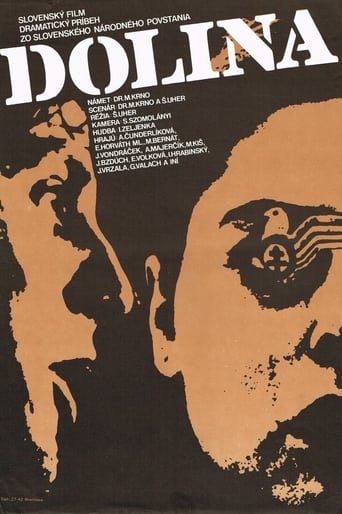 7.0
7.0A dramatic story of the emotional, moral and political maturation of two young people during the Slovak National Uprising.
Dolina
1973
No synopsis available yet.
Ďaleko je do neba
1973
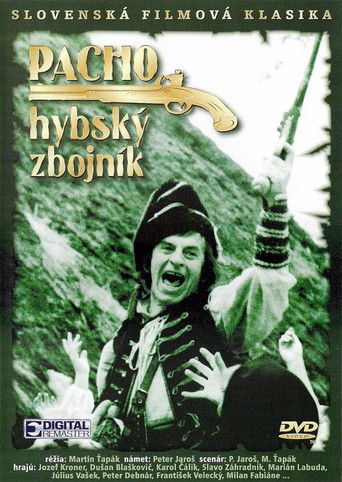 7.4
7.4A funny outlaw tale inspired by traditional folk humour. Pacho is no ordinary outlaw. He detests injustice and feudal oppression and he copes with each troublesome situation with the help of his cleverness and wit.
Pacho, the Brigand of Hybe
1976
Slovakian villagers towards the end of WW II are despairing as German troops fall back to their village.
Big Night and Big Day
1975
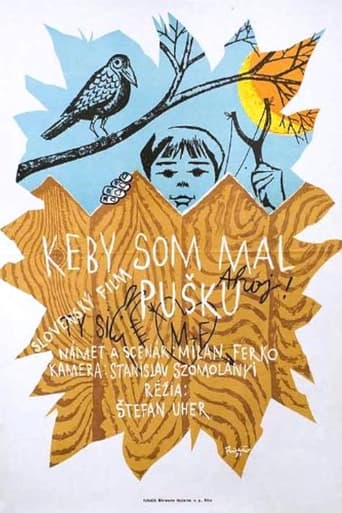 7.7
7.7Vlado, an intelligent boy living in a small village, has fantasies that take him away from his humdrum life. But as the Nazi occupation begins to encroach on the townsfolk his fantasies and reality begin to merge.
If I Had a Gun
1971
A drama from the period of village collectivisation in 1947-1948, it depicts the life of former beggars who, after the war and land reform, acquire land and dream of becoming wealthy landlords. New social conditions, the onset of collectivisation, but also the great drought bring with them unwelcome changes.
Kto odchádza v daždi...
1975
No synopsis available yet.
Strieborný Neptún
1970
No synopsis available yet.
Kára
1970
No synopsis available yet.
Letokruhy
1973
No synopsis available yet.
Veľké pokušenie
1974
No synopsis available yet.
Horúci dych
1978
No synopsis available yet.
Trofej neznámeho strelca
1974
A television film based on a novella "Zhanobená krv" ("Dishonored Blood") by František Švantner.
Brat
1970
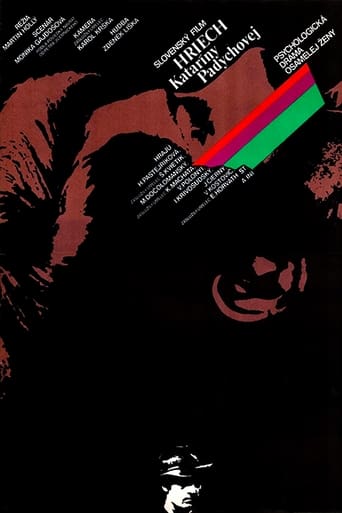 8.0
8.0Štefan Padych loses a lawsuit against Šulgan, a local innkeeper to whom he owes money. Not wanting his wife and three-year-old daughter to starve, he decides to leave for France. However, after his departure, his wife Katarína Padych commits infidelity and becomes pregnant...
Hriech Kataríny Padychovej
1973
No synopsis available yet.
Blízke diaľavy
1979
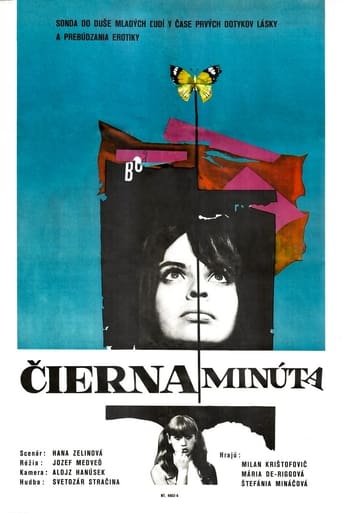 4.2
4.2A teenage boy has problems not only with his own parents, who have no interest in marital fidelity, but also with his still unsettled love affair with both the petite girl next door and the provocative model. He gradually discovers that the adult world is ruled by pretense, and he loses control of his violently disapproving reactions.
Čierna minúta
1970
No synopsis available yet.
Hľadači svetla
1971
1960s · 14 titles
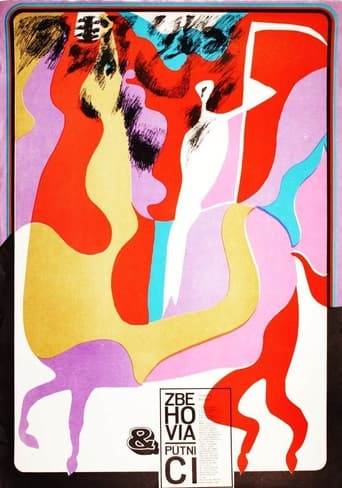 6.9
6.9An apocalyptic story of three wars in three film tales encompassing the end of the WWI,WWII, as well as a vision of the world destroyed by nuclear weapons. This film was honored at the film festivals in Venice and Sorrento. Immediately after that the copy with Italian subtitles was locked in a safe as evidence of the anti-communist activities of the director, who used real footage of the Soviet invasion.
The Deserter and the Nomads
1968
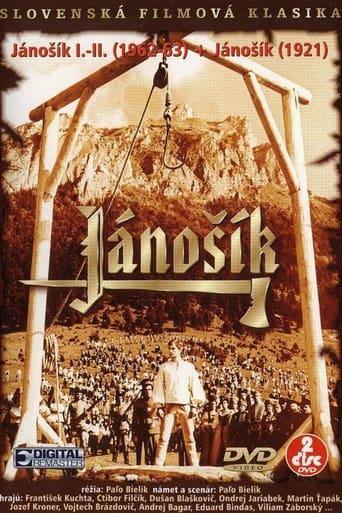 7.8
7.8This film is one of the most popular pictures of Slovak cinema and relates the story about the legendary folk hero and brigand Juro Jánošík [1688-1713] and the social situation in Slovakia of the late 17th and early 18th centuries. The first part talks about Jánošík's childhood, studies and return to his native village. In the second part Jánošík leaves for the hills, where he organizes his band of brigands and starts an anti-feudal resistance. The film concludes with Jánošík's execution.
Jánošík
1963
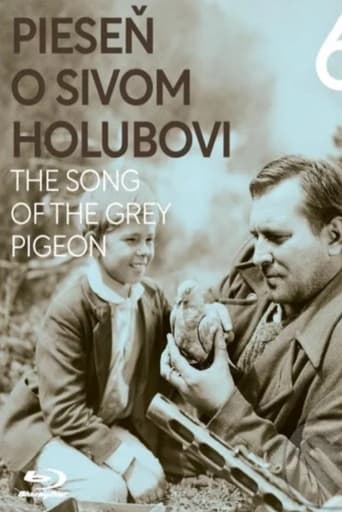 6.7
6.7An unusual children's film set during World War II in Czechoslovakia, this compelling drama unfolds five different segments that present the war through the eyes of three youngsters. The three have a series of adventures which include saving a soldier from being captured by the Germans, helping out the resistance fighters, and meeting up with a young Russian woman trained in guerrilla warfare. As they learn more about life and danger, various circumstances constantly recall the reality of war itself. The title comes from a wounded pigeon under the care of one of the youngsters.
The Song of the Grey Pigeon
1961
A two-part television film based on the novel of the same name by Rudolf Jašík, depicting a realistic picture of life and interpersonal relationships during World War II in the mixed Slovak-German environment of the town of Pravna and the nearby village of Planice, as well as life and relationships between soldiers on the Eastern Front. From this perspective, the plot follows a unit of Slovak soldiers, their realisation that they are fighting for foreign interests, their dissatisfaction and distrust of everything, especially their officers.
The Dead Don't Sing
1965
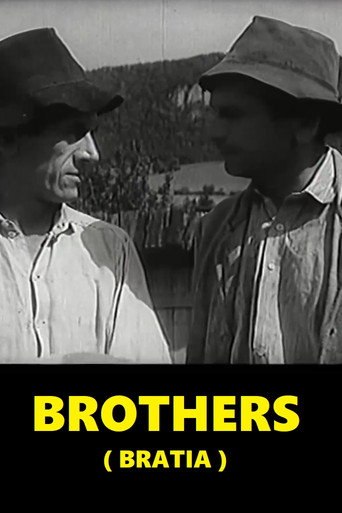 9.0
9.0A bricklayer, Jozef Haviar, decides to live with his family on the small farm of his father through the difficult years of the economic crisis. But on his return to his father's house he gets into a conflict with his brother. The life-and-death conflict between the two brothers documents the difficult situation of Slovak country life in the 1930s, the time of economic depression.
Brothers
1962
Slovak partisans, bravely fighting against Nazi superiority, would never have succeeded to such an extent if they had not been supported by the villagers. Despite the threat of repression, it is the villagers who care for the wounded, hide them, and behave conscientiously. Although the film was made in the late 1960s, it fully adopts the patterns of partisan stories, perhaps the only thing it can be credited with is a more developed sense of authenticity in the story, characters, and setting.
Stopy na Sitne
1969
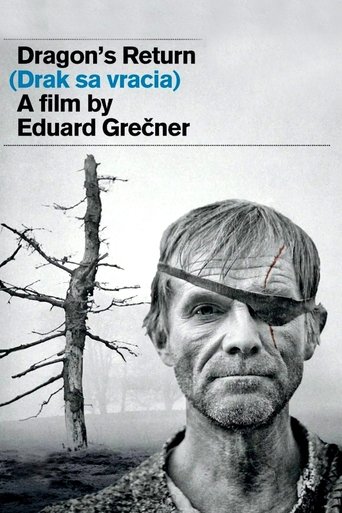 7.3
7.3This is a ballad about love, hate, and a search for a way out of loneliness. It is a dramatic story about the strange potter, Martin Leaps, nicknamed Dragon, who is suspected by the villagers as the cause of natural disasters. He lost his wife, his home, and his freedom due to false accusations. After years he returns to his native village. Putting his own life to risk, he saves a herd of cows from a forest fire in the hills. But not even this heroic deed helps him to win back the friendship of the locals.
Dragon's Return
1968
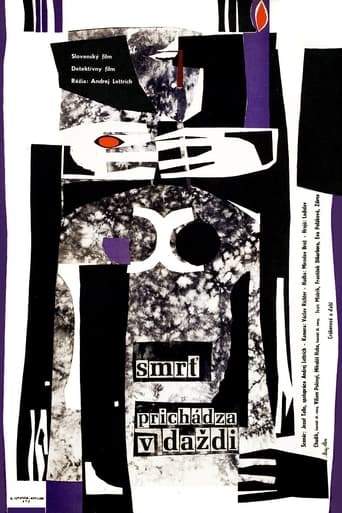 8.2
8.2A Slovak detective story set in contemporary Bratislava and featuring ordinary people with their own everyday problems. The violent death of Olga Holešová places them under heavy suspicion of murder. A series of strange coincidences and circumstances complicate the investigators' work. Her husband's infidelity, the loss of a large sum of money that the treasurer Fiala is supposed to replace, a lawyer earning extra money by doing various odd jobs - all these are confusing clues, among which investigator Jakubec eventually finds a thread that will lead him to the correct solution to the case.
Smrť prichádza v daždi
1966
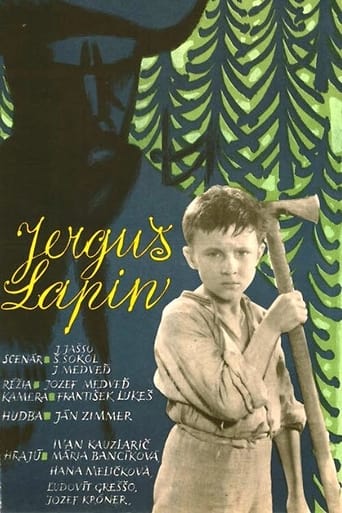 8.0
8.0Little Jerguš's father was killed by gendarmes. To help his mother, the boy is hired as a laborer, then goes to the factory, to the city, but, unable to withstand the cruel exploitation, hoping to become free and independent, returns to the mountains, where his father once fought for the good of the people.
Jerguš Lapin
1960
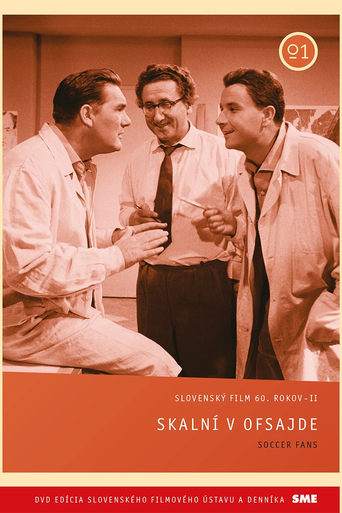 6.5
6.5Three soccer fans are determined to do literally anything to get to the soccer match between Czechoslovakia and the famous representation team of Brazil. Reaching their goal to see the dream match live cannot he precluded neither by a sudden work task nor family obligations. However, there is one more obstacle in their way: for some time, their enthusiastic behavior during soccer matches has been monitored by the police. This time, it will not be easy for them to get to the stadium.
Soccer Fans
1961
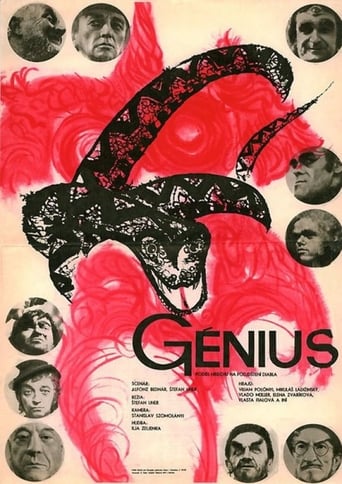 10.0
10.0A metaphorical story about the conflict of human reason and ideals with the dehumanizing mechanism of social institutions. A satire criticizing the negative relations between people, condemning the evils of human characters and the resulting qualities - pride, envy, malicious gloating, hatred and mammonism.
The Genius
1969
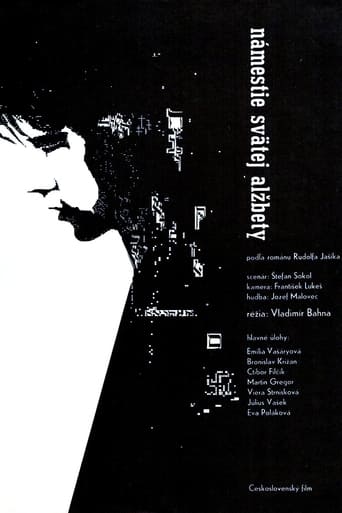 9.0
9.0Film adaptation of Rudolf Jašík's novel of the same name. The plot of the film is situated in the forties of our century, in the first years of the Second World War. It captures the political and social atmosphere of one of the Slovak towns that lives seemingly in the lee, far from the world and war. Well, appearances are deceiving. Beneath the surface of peaceful, everyday life, a tragic process is taking place, accelerating people's destinies, the disintegration of their characters, but also the maturing of their relationships. The film is the story of Eva and Igor, their love, violently interrupted by political events. In this era of personal and social tragedies, children become adults almost overnight, honest people become victims, and mentally ill people become murderers. The film about the fates of Eva and Igor, the Jewish cartmen Samko and Maxi, and the careerist Flórik presents a believable, convincing picture of the era marked by the expansion of fascism.
Saint Elizabeth Square
1966
No synopsis available yet.
Čisté ruky
1968
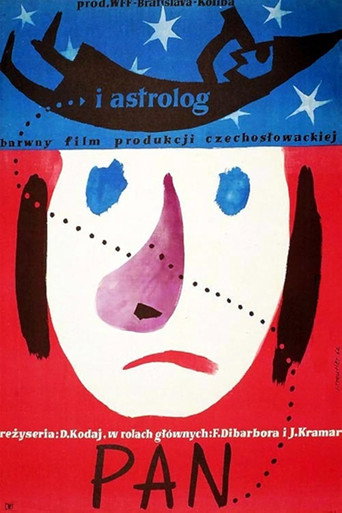 9.0
9.0On this naive and awkwardly narrated fairy tale it is remarkable that it also established the tradition of fairy tale stories in Slovakia. A certain refinement is the framing of the whole story with a puppet show that moves into the played scenes. The film carries out a folk tale of a stupid castle lord who lives in a ruined castle, a fraudulent painter and a lazy shepherd.
Pán a hvezdár
1960
1950s · 7 titles
The film adaptation of the novel of the same name by Peter Jilemnický is a drama about the life of poor Kysuce miners, which takes place in the thirties during the economic crisis. During the peak wave of emigration, the dream of a better life drives thousands of people to America for work. Others, in order to support their families, leave for the surrounding towns. Produced by the Bratislava Art Film Studio, studios and laboratories Bratislava - Koliba.
Unploughed Field
1954
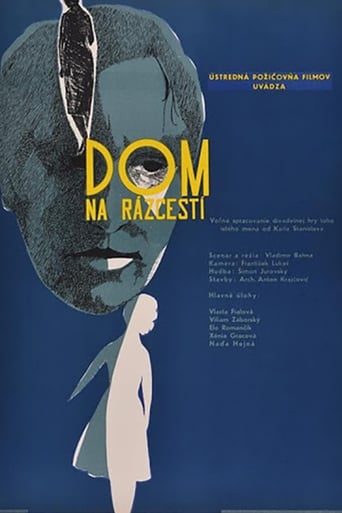 9.0
9.0Because abortions required complicated approvals, an enterprising doctor secretly set up a sort of private practice where she offered this "service" illegally. However, the sympathetic doctor who was supposed to become a valuable helper in this business flatly refuses.
Dom na rázcestí
1959
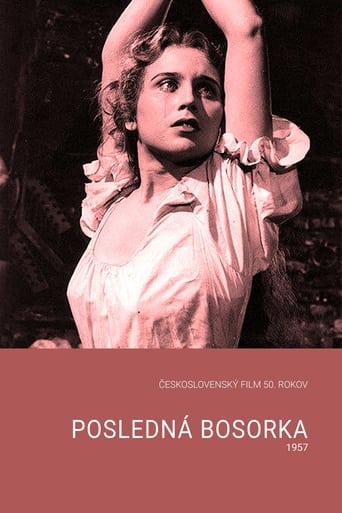 7.9
7.9This dramatic story is situated in the town of Trnava of the 18th century. Painter Peter paints an altar-piece of the Martyrdom of St. Juliet and his model is a young girl. This is much disliked by the clergy who unjustly accuse the girl of witchcraft. She is saved from being burnt at a stake by the students of the Trnava University.
The Last Witch
1957
Historical satire from the first half of the 19th century, which captures the decay and decline of the landed estate. The impoverished peasants still seem to adhere to the old principles of peasant honor and glory, but the elections will show how easy it is to buy knightly qualities.
Earthly Honor
1958
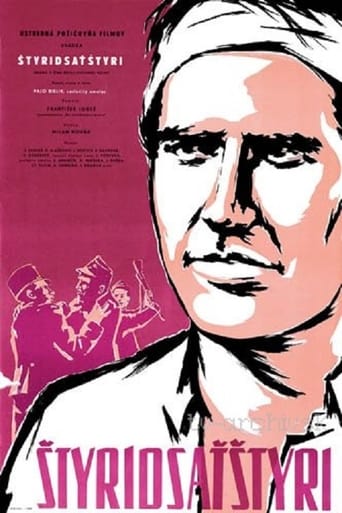 6.0
6.0Drama about the rebellion of the Trencín Infantry Regiment against its superior officers in the Serbian city of Kragujevac, at the end of the First World War. It was the biggest and deadliest rebellion in the Austro-Hungarian army.
Štyridsaťštyri
1958
Slovak movie is based on the novel by the prominent representative of Slovak prose František Hečka, who was in 1952 awarded the State Prize. The novel and the movie successfully capture the development of Slovak village after the liberation in 1945. The narrative is centred around the characters of the old Púplava, who after the liberation begins to organise a new village life, and his struggle for the construction of settlements Mrzáčky, burnt by the fascists. It is centred around the conflict, greatly reflecting the situation of the countryside at this time: the conflict between the rural poor and the rural rich. In the movie, a rich personal and emotional life of other heroes pulsate besides the main storyline. The movie ends with the final defeat of the reactionary forces by Communists in February 1948, taking over all power in the state of workers and peasants. - "The Wooden Village" is released in celebration of the 7th anniversary of the Communist February Victory.
The Wooden Village
1955
A dramatic story of a young woman, Mária Kedrová, who gradually breaks free from her humiliating position in her family and society in the post-war years. Tired of the inhumane work and tyranny on behalf of her husband's kulak family, after endless humiliation, she leaves the Kedrová house with her son Martin to start living her own life.
Žena z Vrchov
1956
Series credits
7.0No synopsis available yet.
Vivat Beňovský!
1975
8.2Spadla z oblakov is a Slovak language sci-fi TV series for children created in year 1978. The series became very popular in Czechoslovakia and several other countries. The series was based on 1967 child book Spadla z nebe by Václav Pavel Borovička, a Czech writer and screenwriter. The first, very successful edition was followed by several reprints, the last in year 2000. The TV series follows the book quite closely.
She Came Out of the Blue Sky
1979
7.0A funny story about a little boy everybody call Pipo and his summer vacations in the village.
Birthmark
1985
No synopsis available yet.
Hĺbkový rekord
1985
This five-part TV film tells the story of Jan Daňo, a shepherd, and his two daughters.
Nepokojná láska
1975
8.5A comedy about three flirtatious woodcutters realistically capturing Slovak village life and criticizing insincerity, hypocrisy and male pride.
Infidelity, Slovak Style
1981
The series depicts the history of Slovak society in the first decades of our century and leaves a deep faith in humanity and the nation. It tells the life story of Pavlínka, the daughter of a laborer and innkeeper, whose fate is filled with love, social ambitions, and unfulfilled dreams, and who ultimately returns to the basics of life, to naturalness and wisdom.
Život bez konca
1983
No synopsis available yet.
Bocianie hniezdo
1981
No synopsis available yet.
Generácia
1969
No synopsis available yet.
Kronika
1974