
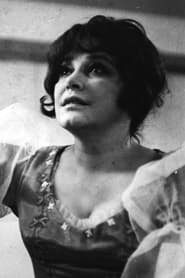
Acting
Elena Zvaríková-Pappová
Born — Died
1935-05-05 — 1974-08-17
Place of birth
Bratislava, Czechoslovakia [now Slovakia]
Known for
Acting
Credits
41 titles
Known for
 5.1
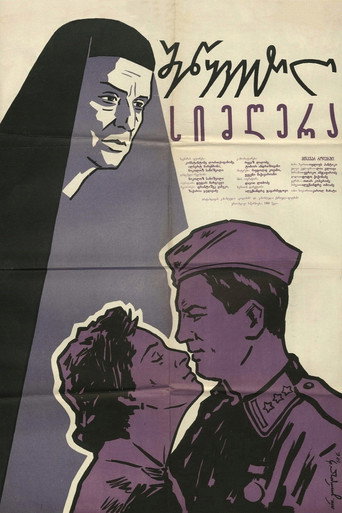
5.1Young couple separated by World War 2, dream of being reunited years later.
Interrupted Song
1960
No synopsis available yet.
Naši synovia
1975
No synopsis available yet.
Zaprášené histórie Ema Bohúňa
1970
 7.1
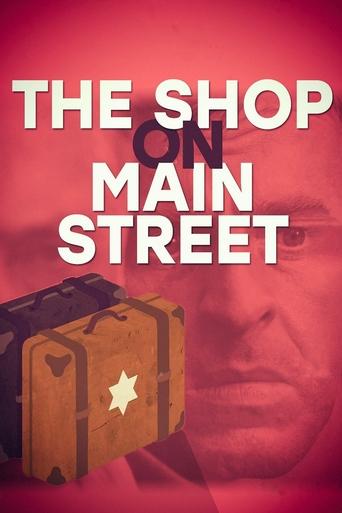
7.1In a small town in Nazi-occupied Slovakia during World War II, decent but timid carpenter Tono is named "Aryan comptroller" of a button store owned by an old Jewish widow, Rozalie. Since the post comes with a salary and standing in the town's corrupt hierarchy, Tono wrestles with greed and guilt as he and Rozalie gradually befriend each other. When the authorities order all Jews in town to be rounded up, Tono faces a moral dilemma unlike any he's known before.
The Shop on Main Street
1965
No synopsis available yet.
V tieni vlkov
1972
A story about a young Slovak peasant boy from the 17th century. After the death of his father, who was hanged for poaching, Adam Šangala decides to leave home and become a gentleman. However, he gets involved in a dispute with Count Markoč, who abuses a peasant girl, beats him up, and forces him to flee from his police officers. On the run, he meets the charming Betka, the daughter of a craftsman from Trnava, with whom he falls in love, but with Markoč's police still hot on his heels, there is no time for love. In his desperate situation, Adam enlists as a soldier for Count Pálfy...
Adam Šangala
1974
Film credits

1970s · 19 titles
No synopsis available yet.
Ujo Váňa
1970
No synopsis available yet.
Žiarlivé ženy
1971
 10.0
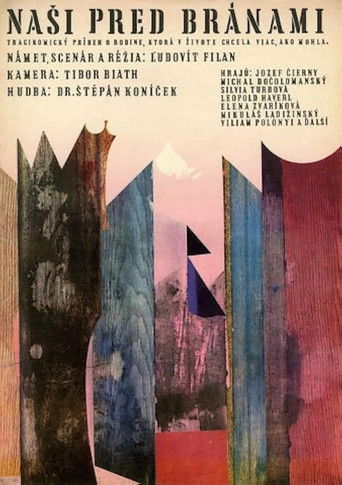
10.0A tragicomedy about people who are able to make use of the war situation for their own benefit. The Gavora family of four leave their secure village home blinded by the vision of a big career and easy earning of money in the capital city.
Naši pred bránami
1970
Slovakian villagers towards the end of WW II are despairing as German troops fall back to their village.
Big Night and Big Day
1975
A group of drivers paid according to their performance are struggling with hard work in a large quarry, somewhere where foxes say good night. A new worker, Marek Orban, joins the team of foreman Peter Hotka, known as Maco. Deep down, he is a deeply moral person, although he was given a suspended sentence for bodily harm. He beat up his wife's lover, to whom he must also pay compensation. Marek hides this from the other members of the group because he is ashamed. Maco, out of friendship with Marko, attributes non-existent trucks to the group, which, of course, backfires. However, the team eventually shows its strength and works off the undeserved reward.
Dosť dobrí chlapi
1972
A TV adaptation of I.S. Turgenev’s play. A parody of romantic tragedies. Young Greluchon attempts to murder the husband of the woman he passionately loves. After numerous twists and misunderstandings, everyone ultimately survives, and Greluchon’s fit of passion subsides.
Noc v krčme „U veľkého diviaka“
1973
A balladic story situated in a Slovak mountain region before the 2nd World War. A young man returns to his native village after many years. There he meets Zuna, a mysterious girl of the forest, who opens his eyes to the charming nature to perceive hidden corners of the world and of his own soul.
The Bride of the Mountains
1972
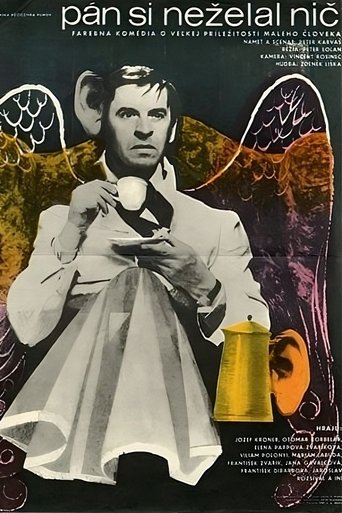 8.0
8.0Mr. Ctibor once worked as a hotel valet, and although he is retired, he is still eager to prove that he is needed. He thinks he has once again been given the opportunity to intervene in the interests of both the guest and the hotel's reputation, as he wants to prevent the reported suicide of one of the guests. However, the mix-up of room numbers is fatal not only for old Ctibor, but also for the guest in room 32. Ctibor's efforts prove futile, because he mixed up the room numbers and protected someone who didn't need it at all...
Pán si neželal nič
1971
No synopsis available yet.
V tieni šedivých lúk
1974
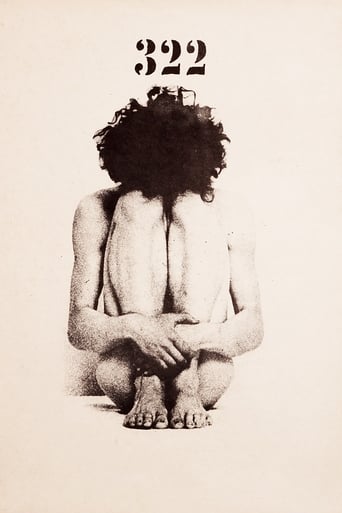 5.5
5.5A story of a man threatened by a fatal illness evaluating his life (the number 322 in the film title stands for the diagnosis of one kind of cancer). He understands his illness as a form of punishment for his cruel deeds in the 1950s. In the face of reality and his efforts to cleanse himself he hits a barrier of indifference, lack of interest, and individual and collective selfishness. He has to find his own reconciliation with his illness and his past and present life.
322
1970
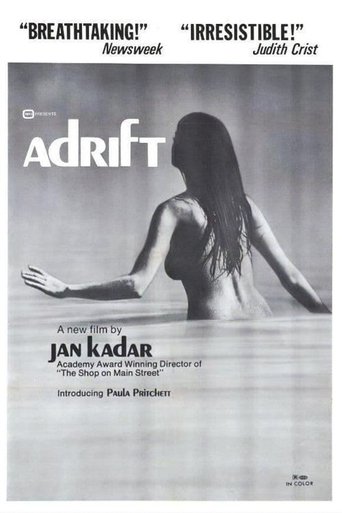 4.8
4.8A fisherman saves Anada, a woman adrift, from drowning. He takes her to his home, and protects her. Eventually, she occupies a larger place than was to be expected. He commits adultery with her, but his own wife seems to be in love with the strange young woman.
Adrift
1971
No synopsis available yet.
Nový život
1973
No synopsis available yet.
Doktor
1973
No synopsis available yet.
Smrť v kufri
1974
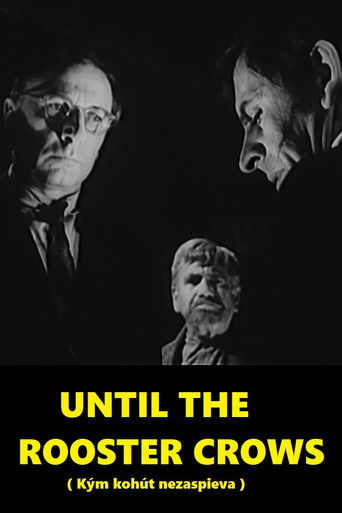 8.0
8.0Existentialist drama based on the play of the same name by the Slovak writer Ivan Bukovčan. The story of ten apparently randomly selected people placed in a beer hall of a small town during the Nazi occupation of Slovakia. Slowly, facts begin to emerge, characters are drawn, and the story begins to gather a dangerous pace.
Until The Rooster Crows
1972
No synopsis available yet.
Záveje
1972
No synopsis available yet.
Úklady a láska
1971
No synopsis available yet.
Ľahučký dych
1971
No synopsis available yet.
Žobrácke dobrodružstvo
1972
1960s · 12 titles
5.1Young couple separated by World War 2, dream of being reunited years later.
Interrupted Song
1960
7.1In a small town in Nazi-occupied Slovakia during World War II, decent but timid carpenter Tono is named "Aryan comptroller" of a button store owned by an old Jewish widow, Rozalie. Since the post comes with a salary and standing in the town's corrupt hierarchy, Tono wrestles with greed and guilt as he and Rozalie gradually befriend each other. When the authorities order all Jews in town to be rounded up, Tono faces a moral dilemma unlike any he's known before.
The Shop on Main Street
1965
In Slovakia, they also created a pair of investigators who have appeared in several films. Volanie démonov is the third of them. The police officers, one Maigret-like, thoughtful, the other humorously hasty, this time solve a fire in a furniture factory and the deaths of two employees - one burned himself, the other fell into a dry well. The investigation of the complicated case takes a long time, but in the end it turns out that revenge can be extraordinarily strong and persistent.
Volanie démonov
1968
No synopsis available yet.
Hedda Gablerová
1969
 6.7
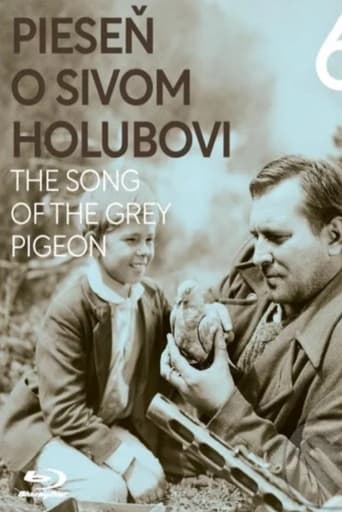
6.7An unusual children's film set during World War II in Czechoslovakia, this compelling drama unfolds five different segments that present the war through the eyes of three youngsters. The three have a series of adventures which include saving a soldier from being captured by the Germans, helping out the resistance fighters, and meeting up with a young Russian woman trained in guerrilla warfare. As they learn more about life and danger, various circumstances constantly recall the reality of war itself. The title comes from a wounded pigeon under the care of one of the youngsters.
The Song of the Grey Pigeon
1961
 NR
NRA story of two old friends, who after ten years - one as the deputy director and the other as the chairman of the party organization - meet on a large construction site.
Výhybka
1963
No synopsis available yet.
Tri razy svitá ráno
1962
The television film based on the novel of the same name by Ladislav Mňaček draws on the period of World War II and the Slovak National Uprising. The film's story is composed of two intertwining time lines. In the images of the present that frame the entire narrative, the young partisan Voloďa - a hero with autobiographical features - recovers from a serious injury. In feverish reminiscences and in conversations with his nurse Eliška, he recapitulates the eventful events of his time in the partisan group in the village of Ploština, which the partisans abandoned under the pressure of events and left to the mercy of the German commando. Voloďa is haunted by visions of the burning Ploština, remorse and responsibility for the tragedy. In feverish reminiscences, he relives the meetings of the partisan detachment with the German commando. Memories of the mysterious Jewish girl Marta, a partisan liaison with whom Pavol had a passionate love affair, also return to him.
Smrť sa volá Engelchen
1960
 NR
NRA TV film based on a short story by Alfonz Bednár. A drama set during the Slovak National Uprising.
Cradle
1964
No synopsis available yet.
Človek, ktorého zbili
1965
 6.0
6.0A woman prisoner is harshly incarcerated and suddenly released.
Be Sure to Behave
1968
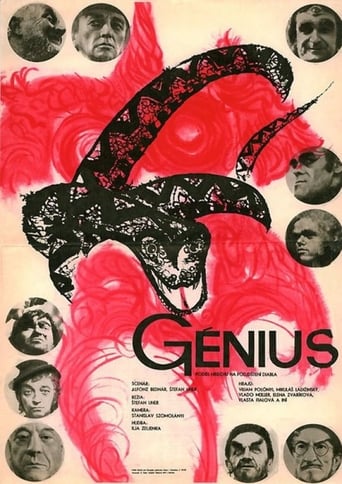 10.0
10.0A metaphorical story about the conflict of human reason and ideals with the dehumanizing mechanism of social institutions. A satire criticizing the negative relations between people, condemning the evils of human characters and the resulting qualities - pride, envy, malicious gloating, hatred and mammonism.
The Genius
1969
1950s · 4 titles
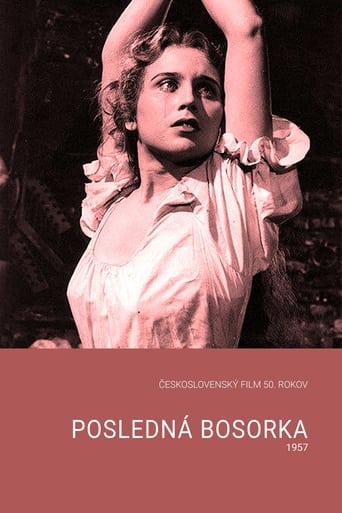 7.9
7.9This dramatic story is situated in the town of Trnava of the 18th century. Painter Peter paints an altar-piece of the Martyrdom of St. Juliet and his model is a young girl. This is much disliked by the clergy who unjustly accuse the girl of witchcraft. She is saved from being burnt at a stake by the students of the Trnava University.
The Last Witch
1957
After his retirement, Jozef Rebro, a former chief state clerk, finds himself in a new situation. No longer able to overwork his subordinates, he becomes bored and begins to terrorize his family, his wife and daughter Olga and son František. The domestic tyrant can't stand resistance, he wants to manage and control everything. However, the frost comes on the dog and even the frightened wife rebels against the ribs...
V piatok, trinásteho...
1954
A dramatic story of a young woman, Mária Kedrová, who gradually breaks free from her humiliating position in her family and society in the post-war years. Tired of the inhumane work and tyranny on behalf of her husband's kulak family, after endless humiliation, she leaves the Kedrová house with her son Martin to start living her own life.
Žena z Vrchov
1956
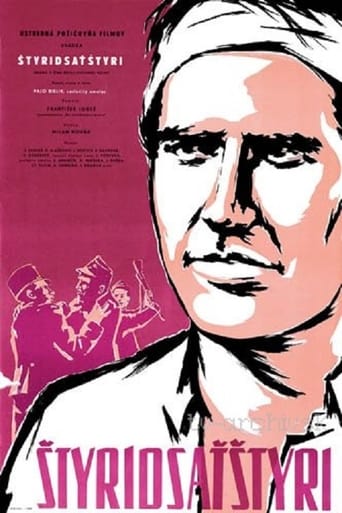 6.0
6.0Drama about the rebellion of the Trencín Infantry Regiment against its superior officers in the Serbian city of Kragujevac, at the end of the First World War. It was the biggest and deadliest rebellion in the Austro-Hungarian army.
Štyridsaťštyri
1958
Series credits
No synopsis available yet.
Naši synovia
1975
No synopsis available yet.
Zaprášené histórie Ema Bohúňa
1970
No synopsis available yet.
V tieni vlkov
1972
A story about a young Slovak peasant boy from the 17th century. After the death of his father, who was hanged for poaching, Adam Šangala decides to leave home and become a gentleman. However, he gets involved in a dispute with Count Markoč, who abuses a peasant girl, beats him up, and forces him to flee from his police officers. On the run, he meets the charming Betka, the daughter of a craftsman from Trnava, with whom he falls in love, but with Markoč's police still hot on his heels, there is no time for love. In his desperate situation, Adam enlists as a soldier for Count Pálfy...
Adam Šangala
1974
No synopsis available yet.
Prípad jasnovidca Hanussena
1970