
Acting
Samuel Adamčík
Born — Died
1904-07-23 — 1984-07-10
Place of birth
Hontbagonya, Hungary, Austria-Hungary [now Bohunice, Levice, Slovak Republic]
Known for
Acting
Credits
72 titles
Known for
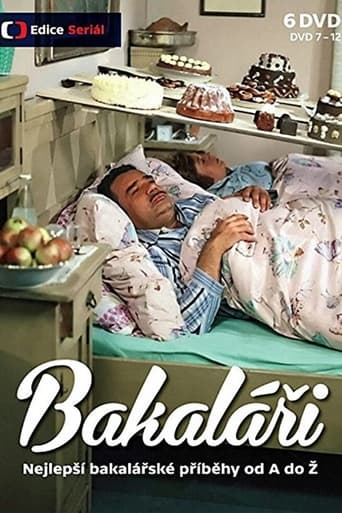 7.0
7.0No synopsis available yet.
Bakaláři
1972
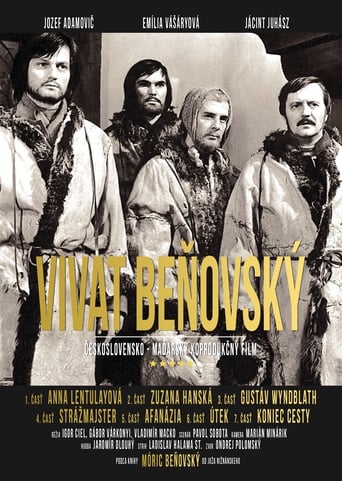 7.0
7.0No synopsis available yet.
Vivat Beňovský!
1975
No synopsis available yet.
Rozprávky pätnástich sestier
1982
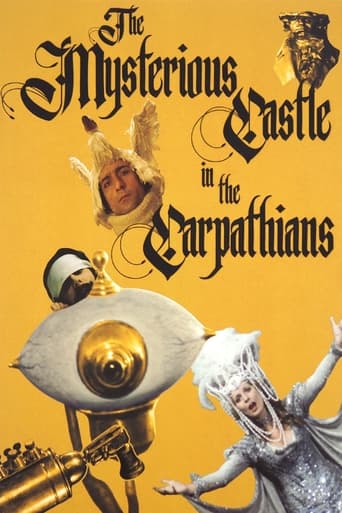 6.1
6.1In 1897, in a castle near the town of Werewolfville in the Carpithians, a slightly deranged Professor Orfanik experiments with his new inventions which include, even at this early date, television and a film camera. He is also an obsessed opera fan, keeps the body of his favorite diva preserved in a crypt in the castle. In order to keep away nosy visitors, the baron's mad-scientist assistant invents all sorts of spooky phenomena in order to give the castle a creepy reputation.
The Mysterious Castle in the Carpathians
1981
No synopsis available yet.
Anička Jurkovičová
1983
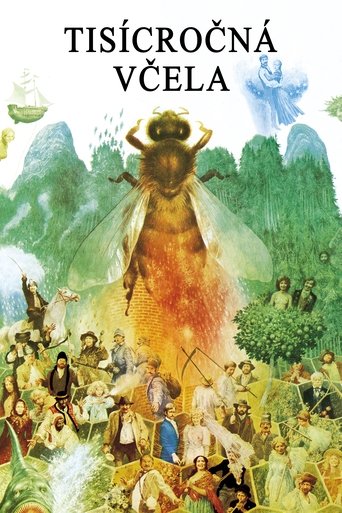 6.3
6.3A family saga taking place mostly in a small Slovak village over a period of thirty years (1887–1917). The first part captures the life of Martin Pichandu in the development of his craft, masonry; in the second part, his son is center stage living in a period of socio-political crisis, which ultimately results in the first World War. After originally airing on Czechoslovakian television in 1983 as a four-part 226-minute mini-series, this production received a 163-minute theatrical release in 1984.
The Millennial Bee
1983
Film credits
1980s · 10 titles
6.1In 1897, in a castle near the town of Werewolfville in the Carpithians, a slightly deranged Professor Orfanik experiments with his new inventions which include, even at this early date, television and a film camera. He is also an obsessed opera fan, keeps the body of his favorite diva preserved in a crypt in the castle. In order to keep away nosy visitors, the baron's mad-scientist assistant invents all sorts of spooky phenomena in order to give the castle a creepy reputation.
The Mysterious Castle in the Carpathians
1981
6.3A family saga taking place mostly in a small Slovak village over a period of thirty years (1887–1917). The first part captures the life of Martin Pichandu in the development of his craft, masonry; in the second part, his son is center stage living in a period of socio-political crisis, which ultimately results in the first World War. After originally airing on Czechoslovakian television in 1983 as a four-part 226-minute mini-series, this production received a 163-minute theatrical release in 1984.
The Millennial Bee
1983
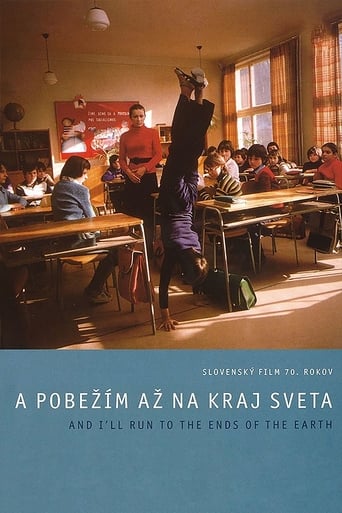 7.1
7.1Majka "Chatterbox" is a girl entering adolescence. She was born with a minor disability. While her mother keeps scolding her for the way she walks, her classmates mock her and call her a "duck". Along an innocent first love affair and a secret friendship, she receives little understanding from her parents and lots of malice from her schoolmates. Majka finds refuge with her grandmother and in her own fantasy world.
And I'll Run to the Ends of the Earth
1980
No synopsis available yet.
Pád hore
1982
About Martin's faithful brotherly love for his sister Helenka and about the friendship and brave heart of a soldier who was not afraid of threats or malice.
Vojak a bratove slzy
1980
Sir John Falstaff, a bon vivant and womanizer, courts Mrs. Ford one day and Mrs. Page the next. They are cheerful but respectable ladies, so they devise a plan to punish the old rogue and teach him a lesson about his immoral advances and womanizing.
Veselé panie z Windsoru
1980
No synopsis available yet.
Miško drotár a naozajstná princezná
1980
No synopsis available yet.
Miško drotár a naozajstná princezná
1980
No synopsis available yet.
Saša
1983
Slovak remake of the 1957 Sidney Lumet movie, "12 Angry Men".
Dvanásť nahnevaných mužov
1982
1970s · 19 titles
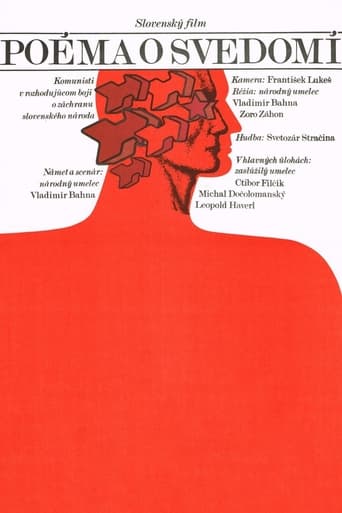 10.0
10.0Historical reconstruction of the events of the anti-fascist struggle in Slovakia in 1943 and 1944.
Poéma o svedomí
1979
No synopsis available yet.
Odvážny Stepan
1977
A dramatization of a novella by American writer Henry James. This subtle, psychologically profound story is narrated by young literary scholar Henry Jones, who, while searching for documents related to the romantic poet Jeffrey Aspern, finds himself in Venice at the end of the 19th century. Juliana Bordereau, whom Aspern sang about in his work and who owns much of his correspondence, still lives there. However, Juliana refuses to show it to Jones because these letters are the only link connecting her to life. Jones therefore decides to resort to trickery. He moves in with Juliana under a false name as a lodger and, by pretending to be in love, wins over her niece Tina, who is ultimately willing to help him. However, it soon becomes clear that such manipulation of people, even if motivated by a noble goal, does not pay off.
Listy Juliane
1978
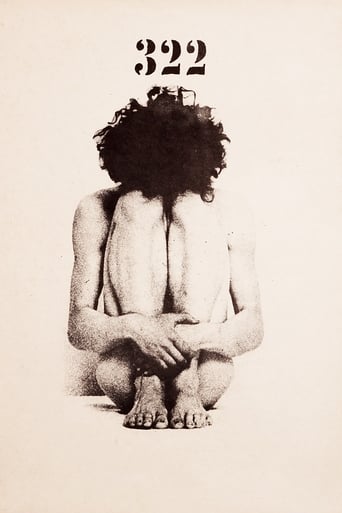 5.5
5.5A story of a man threatened by a fatal illness evaluating his life (the number 322 in the film title stands for the diagnosis of one kind of cancer). He understands his illness as a form of punishment for his cruel deeds in the 1950s. In the face of reality and his efforts to cleanse himself he hits a barrier of indifference, lack of interest, and individual and collective selfishness. He has to find his own reconciliation with his illness and his past and present life.
322
1970
No synopsis available yet.
Básnikova cesta do neba
1971
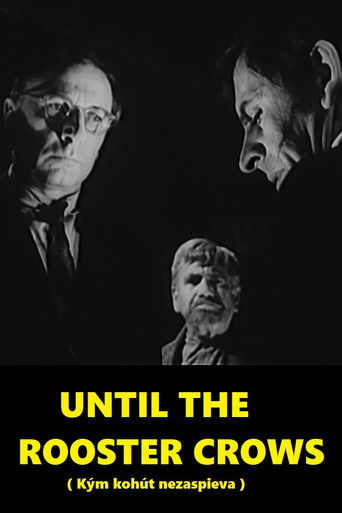 8.0
8.0Existentialist drama based on the play of the same name by the Slovak writer Ivan Bukovčan. The story of ten apparently randomly selected people placed in a beer hall of a small town during the Nazi occupation of Slovakia. Slowly, facts begin to emerge, characters are drawn, and the story begins to gather a dangerous pace.
Until The Rooster Crows
1972
No synopsis available yet.
Cesta domov
1976
 NR
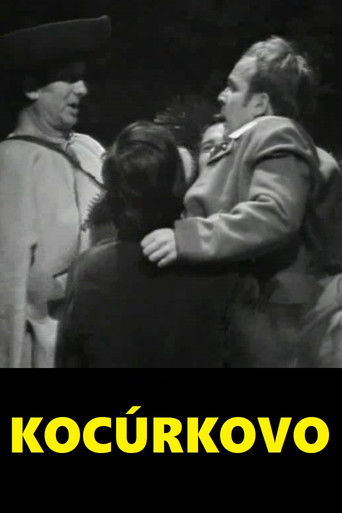
NRA story in which the author mocks the Slovak petty bourgeoisie and denounces the denationalization of the gentry in the nineteenth century. Some problems such as patronage, bribery, and imitation of foreign models sound surprisingly simultaneous.
Kocúrkovo
1971
No synopsis available yet.
Vládca Oidipus
1978
No synopsis available yet.
Víťazný pád
1973
A dramatic tale of a man's life marked by two world wars. The story is divided into two parts. The first part focuses on the life of the Dobrik couple after the outbreak of World War I, the second part develops the life events of their son Peter, who fought in the Red Army during World War II.
Stretnutie
1975
No synopsis available yet.
Dievča s blankytnými očami
1977
No synopsis available yet.
Do zbrane, kuruci
1974
A television adaptation of Shakespeare's tragedy about the destructive power of wealth. Timon, a rich and generous Athenian citizen, gives gifts to his friends generously and magnanimously. He helps everyone in need, regardless of their status. However, he is surrounded by false friends who refuse to help him when his coffers are empty and his barrels no longer overflow with wine. The attitude of his friends shakes his faith in the goodness of humanity, and he retreats to a cave on the seashore, where he dies by his own hand, cursing the entire human race. Even the famous warrior Alcibiades knows the ingratitude of Athens. When he speaks on behalf of a soldier sentenced to death for a minor offense, the senators expel him from the city. Alcibiades, a man of action, does not give up, defeats Athens, and conquers it. However, he finds Timon already dead.
Timon Aténsky
1973
No synopsis available yet.
V predvečer
1979
No synopsis available yet.
Zlozor
1971
 NR
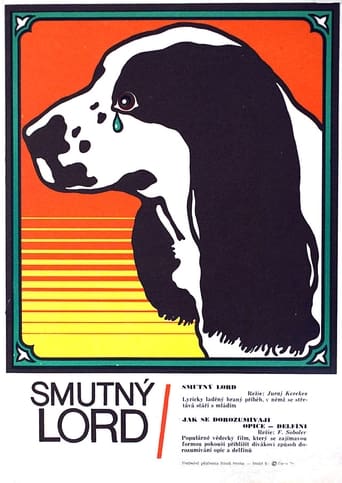
NRA film about a little boy's desire to befriend an old abandoned dog.
Smutný lord
1970
 NR
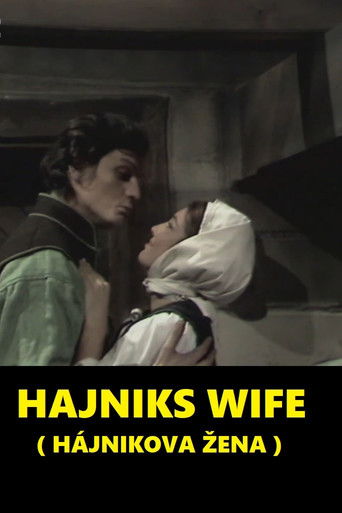
NRThe dramatization of P. O. Hviezdoslav's epic is a celebration of the moral purity of the Slovak people. Through the trial of gamekeeper Michal Čajka, who is on trial for the murder of young Mr. Artuš, we follow in retrospect the events leading up to the trial.
Hajniks Wife
1971
No synopsis available yet.
Ako dvaja našli šťastie
1970
1960s · 19 titles
 7.8
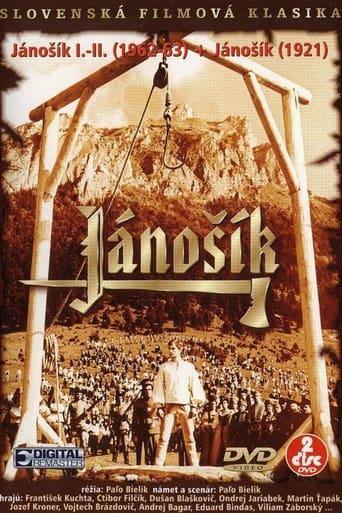
7.8This film is one of the most popular pictures of Slovak cinema and relates the story about the legendary folk hero and brigand Juro Jánošík [1688-1713] and the social situation in Slovakia of the late 17th and early 18th centuries. The first part talks about Jánošík's childhood, studies and return to his native village. In the second part Jánošík leaves for the hills, where he organizes his band of brigands and starts an anti-feudal resistance. The film concludes with Jánošík's execution.
Jánošík
1963
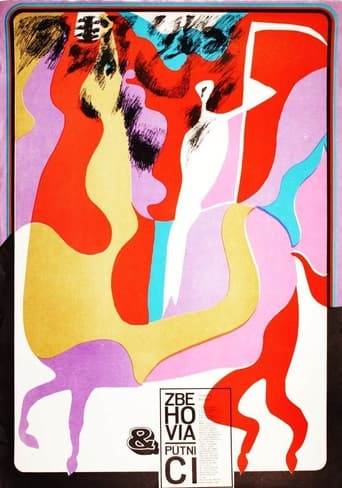 6.9
6.9An apocalyptic story of three wars in three film tales encompassing the end of the WWI,WWII, as well as a vision of the world destroyed by nuclear weapons. This film was honored at the film festivals in Venice and Sorrento. Immediately after that the copy with Italian subtitles was locked in a safe as evidence of the anti-communist activities of the director, who used real footage of the Soviet invasion.
The Deserter and the Nomads
1968
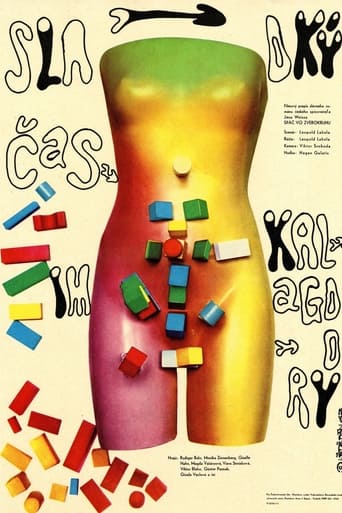 5.0
5.0A man changes his behavior according to the term of the year.
The Sweet Time of Kalimagdora
1968
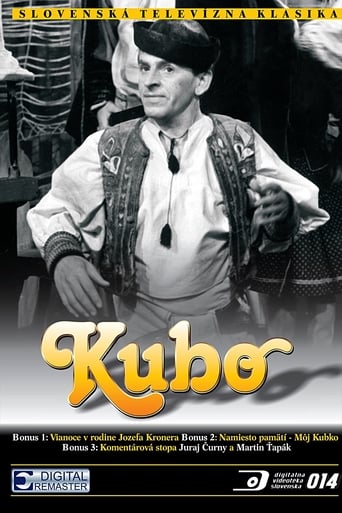 8.3
8.3Charming country girl Anička Košáriková and the handsome Paľo share a tender, mutual affection, until Anička’s recently widowed mother forbids the match. Paľo is the son of the former steward who once fell on hard times while serving the Košárik family, and his family’s ruined reputation casts a shadow over their budding romance.
Kubo
1965
No synopsis available yet.
Na brehu priezračnej rieky
1966
During the Slovak National Uprising, even ordinary people were determined to perform heroic deeds, even though they knew they were exposing themselves to great danger. The heroine of this film, a simple country woman, has a hard time paying for her bravery: she is sentenced to death, postponed for now so that she can nurse her recently born baby. She is even offered salvation if she betrays, but the presence of a member of the Soviet army infuses her with determination and hope. Early Spring belongs to the usual schematic, lifeless staged views of the subject that the communist regime has elevated to the level of sacred matter.
Predjarie
1961
A film about the dramatic lives of the people living in the village of Ráztoka during WW I. Women are left without husbands, families fall apart, finding themselves on the verge of poverty. Eva, the main heroine, is going through difficulties after her husband was drafted to the army. Her defilement and her tragic death cause a rebellion by which the village inhabitants finally stand up against their unbearable situation.
Living Whip
1967
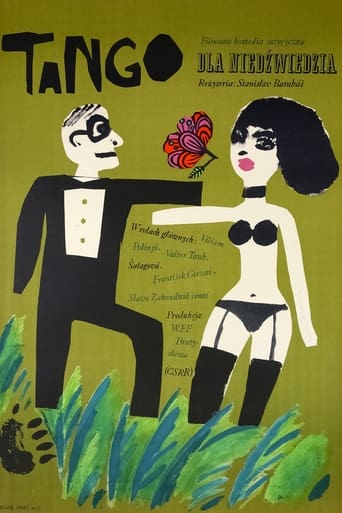 9.0
9.0The unhappy and desperate director of the Šúpala Zoo tries to sell a sick bear to a foreign tourist for shooting, because the purchase of other animals for the ZOO is only possible with anti-socialist currency, i.e. hard currency, and so the administrator does everything possible and impossible just to get them...
Tango pre medveďa
1967
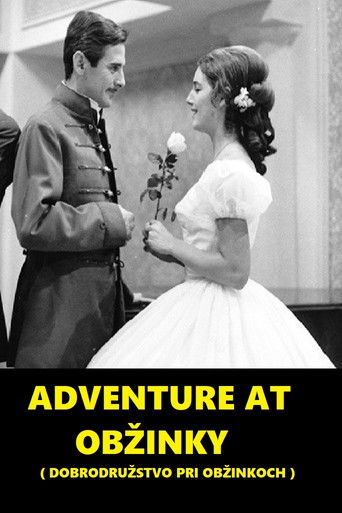 NR
NRA television production of a play by Ján Palárik. A comedy directed against nationalism, national indifference and stupid arrogance. A classic plot built on a mix-up of characters.
Adventure at Obžinky
1968
No synopsis available yet.
Skaly a ľudia
1960
No synopsis available yet.
Hernani
1967
The story of Pavel Duchaj, who starts walking with a cane, which is a sign for the village community that he will soon pass away. Not only the village, but also his closest family feels offended that Duchaj is not dying, that he is resisting fate with various activities.
Smrť Pavla Duchaja
1969
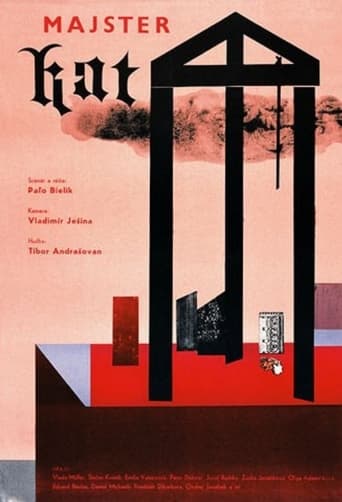 5.2
5.2A dramatic story about two friends - fisherman Richardus and municipal executioner Emil Targo takes place at the river Danube, in places that used to be targets of Ottoman raids. But their attraction to the same woman and Emil’s betrayal change their indissoluble friendship to an equally strong hatred. And as it usually goes - after twenty years by a trick of fate Richardus’ daughter Agajka becomes the wife ofthe sun of his sworn enemy.
Master Executioner
1966
In southern Moravia, in the native village of Velka Samota, a ministry official returns from Prague to lift the declining JZD he helped establish.
Great Solitude
1960
No synopsis available yet.
Kde leží naša bieda
1965
The dramatization of the novel depicts a period when the patriarchal way of life in Russia was coming to an end and the aristocratic-landowner world, with its philosophy of life and hierarchy of values, was giving way to new forces. Oblomov is an organic part of the environment in which he lives. He is as closed off as Oblomovka and its inhabitants. He lives his life on the sofa and finds all the hustle and bustle of his contemporaries meaningless. The principle of his existence is peaceful lethargy, an effort to isolate himself from the flow of events and time. His opposite is his friend Stolz, whose philosophy of life presupposes constant movement and entrepreneurial spirit. He believes that man is capable of transforming the world with his energy and intellect. Oblomov's love for Olga, although reciprocated, is doomed to failure because they expect the impossible from each other – she expects decisiveness and action, he expects self-sacrificing love...
Oblomov
1964
The film presents a parade of customs, music, songs and dances of the Slovak people in four seasons, based on a theatre play by I. Teren and K.L. Zachar from the first years after the liberation.
Rok na dedine
1968
No synopsis available yet.
John Gabriel Borkman
1964
No synopsis available yet.
Keď chybí trombón
1962
1950s · 11 titles
 7.4
7.4The first Slovakian colour film. A celebration of traditional Slovakian folklore and creativity expressed through a story of young love .
Homeland
1954
The film adaptation of the novel of the same name by Peter Jilemnický is a drama about the life of poor Kysuce miners, which takes place in the thirties during the economic crisis. During the peak wave of emigration, the dream of a better life drives thousands of people to America for work. Others, in order to support their families, leave for the surrounding towns. Produced by the Bratislava Art Film Studio, studios and laboratories Bratislava - Koliba.
Unploughed Field
1954
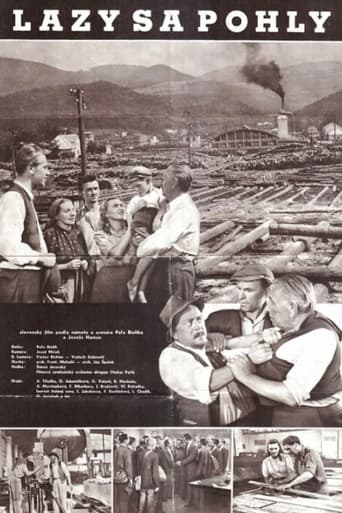 6.5
6.5The life on the poor Slovak hills, the lazy hills, where agriculture is at a primitive stage and where the shelves give a small harvest. Meanwhile, socialist industrialization is reaching an amazing boom in the valleys. Therefore, it is necessary to solve the problem of small farmers on poor farms and the lack of labor in ever-growing industrial enterprises. The film, based on the fate of Matěj Rendek, who returns to Slovakia after 18 years from America, and on the fate of his family, who have toiled for years on poor fields and slaved for a rich farmer, shows how this problem must be solved: an agricultural cooperative is established on the lazy hills, which, with the help of machines, can handle agricultural work better and with a significantly smaller number of laborers, and most of the lazy villagers leave to work at a large sawmill.
Lazy sa pohly
1952
The story of the great strike of the workers building the Cervena Skala - Mergecany railway line
The Struggle Will End Tomorrow
1951
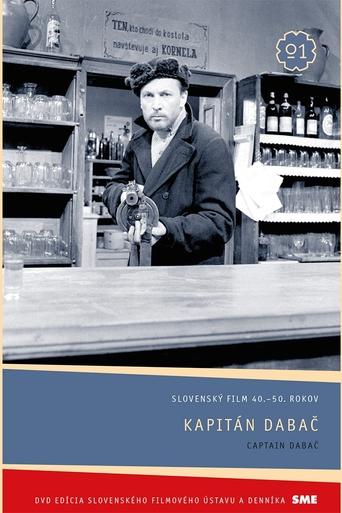 5.7
5.7The drama of a young Slovak army officer who gradually realises the horrors of fascism during the fighting in Ukraine. On his return to Slovakia, he joins the SNP. However, he cannot overcome his loner attitude or his doubts about the meaning of partisan activity.
Kapitán Dabač
1959
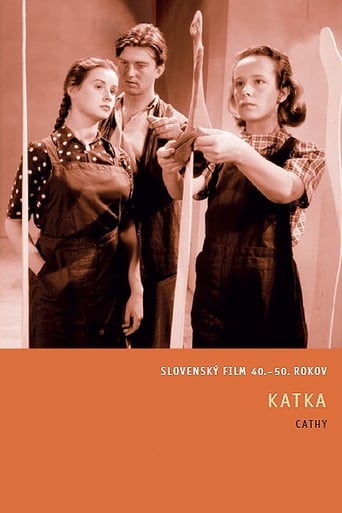 6.8
6.8Strong-willed peasant girl Katka disobeys her father and heads to the city to work in a factory, where no one knows quite what to make of her.
Katka
1950
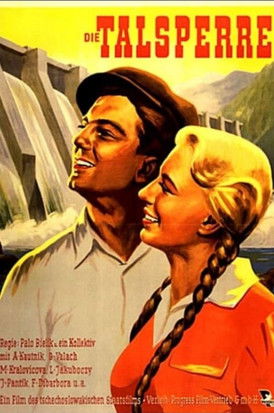 5.0
5.0The construction of a large dam in Slovakia is hindered by the influence of small farmers on the landowner Bujna, on whom they depend for help with the harvest and for monetary loans.
Priehrada
1950
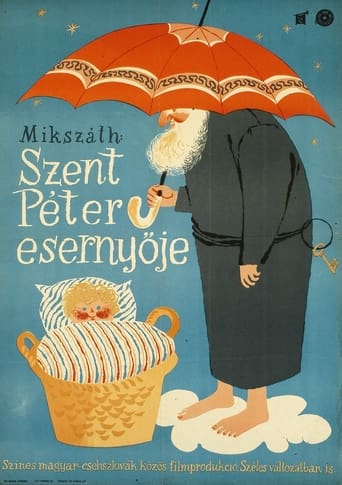 6.3
6.3A comedy about a lost inheritance, love and a red umbrella, which, according to a local legend, belonged to St. Peter himself.
St. Peter's Umbrella
1958
Historical satire from the first half of the 19th century, which captures the decay and decline of the landed estate. The impoverished peasants still seem to adhere to the old principles of peasant honor and glory, but the elections will show how easy it is to buy knightly qualities.
Earthly Honor
1958
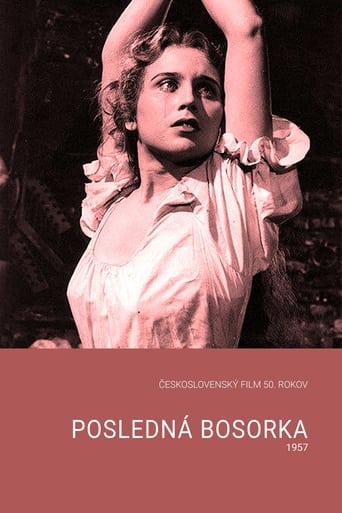 7.9
7.9This dramatic story is situated in the town of Trnava of the 18th century. Painter Peter paints an altar-piece of the Martyrdom of St. Juliet and his model is a young girl. This is much disliked by the clergy who unjustly accuse the girl of witchcraft. She is saved from being burnt at a stake by the students of the Trnava University.
The Last Witch
1957
After his retirement, Jozef Rebro, a former chief state clerk, finds himself in a new situation. No longer able to overwork his subordinates, he becomes bored and begins to terrorize his family, his wife and daughter Olga and son František. The domestic tyrant can't stand resistance, he wants to manage and control everything. However, the frost comes on the dog and even the frightened wife rebels against the ribs...
V piatok, trinásteho...
1954
Series credits
7.0No synopsis available yet.
Bakaláři
1972
7.0No synopsis available yet.
Vivat Beňovský!
1975
No synopsis available yet.
Rozprávky pätnástich sestier
1982
No synopsis available yet.
Anička Jurkovičová
1983
No synopsis available yet.
Parížski mohykáni
1972
No synopsis available yet.
Generácia
1969
No synopsis available yet.
Na baňu klopajú
1981
 NR
NRNo synopsis available yet.
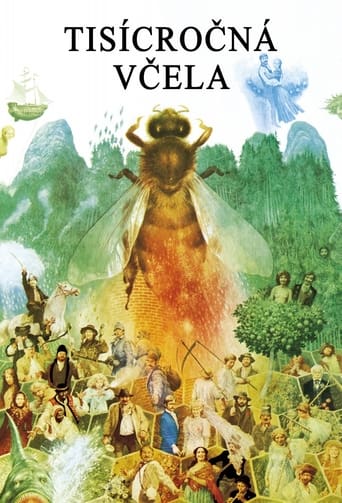
Tisícročná včela
1984
 9.0
9.0No synopsis available yet.
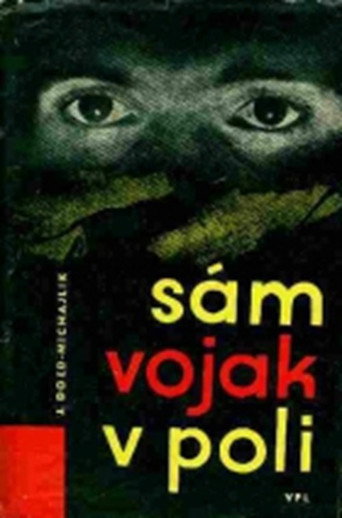
Sám vojak v poli
1964
No synopsis available yet.
Zrkadlo občana Pokorného
1967
No synopsis available yet.
Bašta
1970
No synopsis available yet.
Keď radí strach
1984