Acting
Enrico Caruso
Born — Died
1873-02-24 — 1921-08-02
Place of birth
Napoli, Italy
Known for
Acting
Credits
10 titles
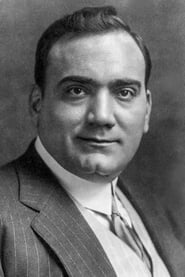
Enrico Caruso was an Italian operatic first lyric tenor then dramatic tenor. He sang to great acclaim at the major opera houses of Europe and the Americas, appearing in a wide variety of roles that ranged from the lyric to the dramatic. One of the first major singing talents to be commercially recorded, Caruso made 247 commercially released recordings from 1902 to 1920, which made him an internationally popular entertainment star.
Known for
No synopsis available yet.
Legenden
1998
 6.0
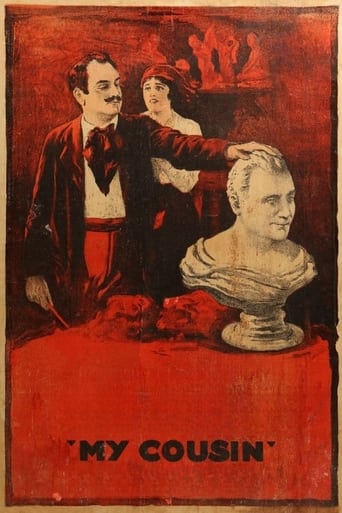
6.0Sincere but struggling sculptor Tommasso (Caruso--bushy moustache, gawky) works in an ornamental plaster shop, but his masterpiece on the side is a bust of his cousin Caroli (Caruso--no moustache, polished), who is the Metropolitan Opera's leading tenor. Tommasso hopes to marry his model Rosa, but her father, restaurant owner Pietro, wants her to find someone more settled and money-conscious, such as the greengrocer Lombardi down the street. Tommasso, he says, throws away his money, such as for a pair of tickets to take Rosa to the opera to see his famed cousin. After the opera, the cousins cross paths in the swanky Galeotto's restaurant, but when neither recognizes the other, Tommasso is generally mocked and Rosa believes him a liar and unworthy. Tommasso must recover his reputation and make a sale, preferably the Caroli bust to his cousin, in order to win Rosa back.
My Cousin
1918
 9.0
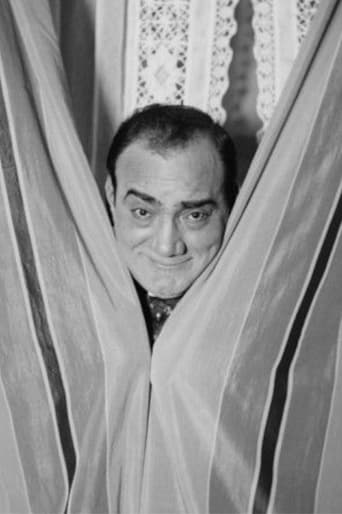
9.0Born in 1873 in a poor neighbourhood in Naples, Enrico Caruso conquered the world with his singing voice. At the age of 27 he got a contract at the Scala in Milan, and his already considerable popularity skyrocketed thanks to the invention of the gramophone. He sold millions of records, and garnered international acclaim. In 1903 he moved to New York to perform at the prestigious Metropolitan Opera, in the role of Radames. But his riches and fame attracted the attention of the Mafia, who started blackmailing him. He felt trapped by his fame and died at just 48 years old. Biographer Francesco Canessa, the music critic Jürgen Kesting and the composer Micha Hamel explain the ups and downs of the man behind the timeless Italian voice.
Enrico Caruso: A Voice for the Ages
2022
 5.7
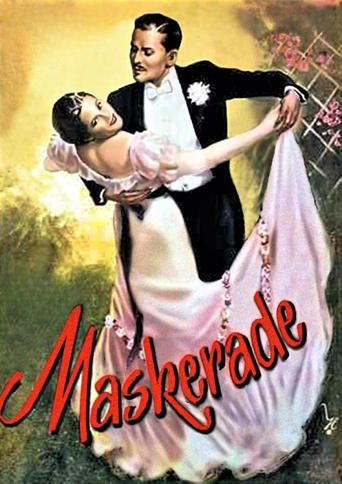
5.7A risque drawing is published and threatens to compromise the model, a doctor's wife. Artist Heideneck protects her and invents a name. But the name exists, and this respectable lady is drawn into the artist's shady affairs.
Masquerade in Vienna
1934
 7.0
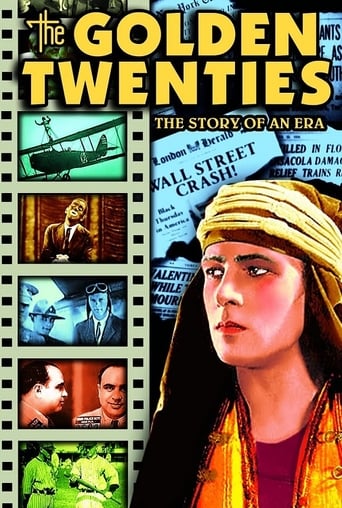
7.0Feature-length compilation of 1920s newsreel footage, with commentary about news, sports, lifestyles, and historical figures.
The Golden Twenties
1950
 8.0
8.0Imagine a window into the past. Imagine finally connecting singers' bodies to the voices you have always treasured on record, watching footage of performances from another era. All of singers featured here have something in common (with one exception, Sutherland): they sang and performed on stage before the advent of filmed opera. . And it shows, for the first time, a few tantalizing minutes of recently recovered footage from Callas' legendary Lisbon Traviata, featuring Addio dal Passato and Parigi oh cara with Alfredo Kraus. This DVD will leave you asking for more.
The Art of Singing: Golden Voices of the Century
1998
Film credits

1910s · 2 titles
6.0Sincere but struggling sculptor Tommasso (Caruso--bushy moustache, gawky) works in an ornamental plaster shop, but his masterpiece on the side is a bust of his cousin Caroli (Caruso--no moustache, polished), who is the Metropolitan Opera's leading tenor. Tommasso hopes to marry his model Rosa, but her father, restaurant owner Pietro, wants her to find someone more settled and money-conscious, such as the greengrocer Lombardi down the street. Tommasso, he says, throws away his money, such as for a pair of tickets to take Rosa to the opera to see his famed cousin. After the opera, the cousins cross paths in the swanky Galeotto's restaurant, but when neither recognizes the other, Tommasso is generally mocked and Rosa believes him a liar and unworthy. Tommasso must recover his reputation and make a sale, preferably the Caroli bust to his cousin, in order to win Rosa back.
My Cousin
1918
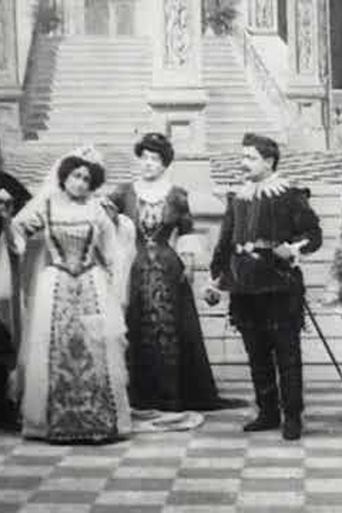
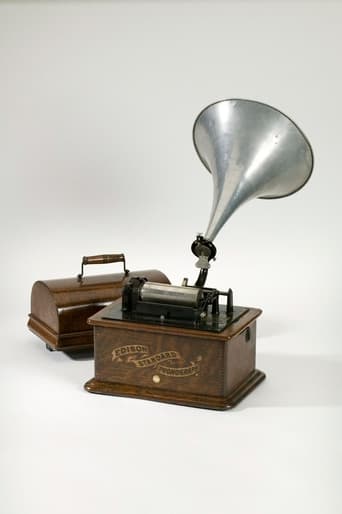
Metropolitan Opera stars, tenor Enrico Caruso and bass-baritone Pol Plancon, in a scene from the opera "Lucia di Lammermoor" filmed in Edison sound-on-disc process known as Cinephonograph.
Lucia di Lammermoor
1911