
Acting
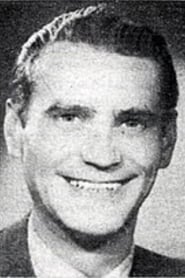
Béla Barsi
Born — Died
1906-01-23 — 1968-04-30
Place of birth
Palotaújfalu, Austria-Hungary [now Hungary]
Known for
Acting
Credits
39 titles
Known for
 6.9
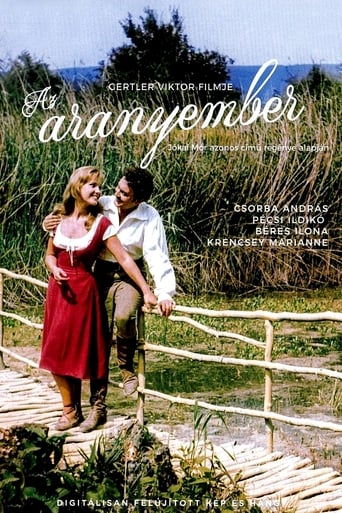
6.9Adaptation of Mór Jókai's classic 19th century novel on Mihály Tímár, the captain of a commercial Danube ship in the 1830s, who finds unexpected fortune by meeting a Turkish aristocrat fleeing from his home country with his daughter Tímea. On their journey, they find an unknown island on the Danube, called the Senki szigete (the Island of No-one), a sort of earthly paradise, with only an old woman and her young daughter Noémi living on it.
The Man of Gold
1962
 7.2
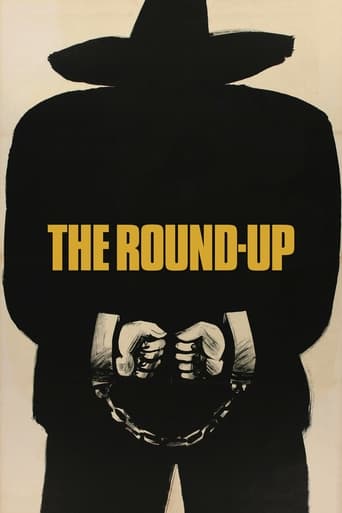
7.2After the failure of the Kossuth's revolution of 1848, people suspected of supporting the revolution are sent to prison camps. Years later, partisans led by outlaw Sándor Rózsa still run rampant. Although the authorities do not know the identities of the partisans, they round up suspects and try to root them out by any means necessary.
The Round-Up
1966
 8.0
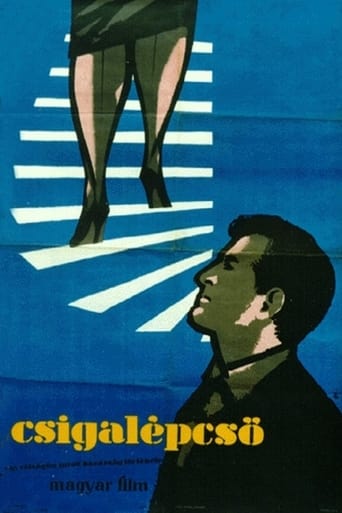
8.0The film is an interpretation of everyday life and privacy as well as the first love-triangle story after 1945. Benkő Lajos, the country librarian, is stationed in the capital. In lack of a suitable apartment, his wife and children have to stay in the country.
Spiral Staircase
1957
 7.5
7.5In a rural scenery in the throes of difficult changes lives humble but promising young farmer girl Mari Pataki. Her father forbids her from seeing the man she loves. The father, above all preoccupied by work on the fields and prospective wealth, decides to give his daughter in marriage to his older business partner. 'Land marries land', he says, a phrase which seems to be the unyielding rule of the Hungarian peasantry. But the younger lover is ready to confront any challenge to keep Mari's love.
Merry-Go-Round
1956
 6.4
6.4Ulveczky, unbridled bull of the village, is incapable of living in the small community like others. He runs his farm and lives life as a tyrant. His licentious temperament leads him to take whatever he wants, women included, who are swept off their feet. His victims include a beautiful young girl who nearly dies when he tires of and ejects her. With great difficulty, she restarts her life, hoping that she has finally freed herself of the brute who, however, doesn't let go quite so easily.
The Brute
1961
 7.8
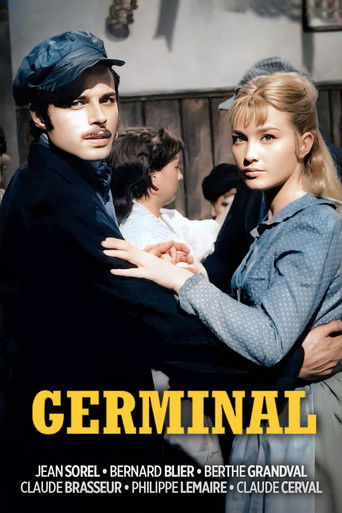
7.8Dismissed from the railroads in 1863 for his union activities, Etienne Lantier found a job at the Voreux coal mine. But work was hard, wages were low and safety left much to be desired. Lantier tried to organize the miners into a union. When mine manager Hennebeau refused to negotiate, the workers launched a general strike, which ended with the intervention of the troops.
Germinal
1963
Film credits
1960s · 17 titles
6.9Adaptation of Mór Jókai's classic 19th century novel on Mihály Tímár, the captain of a commercial Danube ship in the 1830s, who finds unexpected fortune by meeting a Turkish aristocrat fleeing from his home country with his daughter Tímea. On their journey, they find an unknown island on the Danube, called the Senki szigete (the Island of No-one), a sort of earthly paradise, with only an old woman and her young daughter Noémi living on it.
The Man of Gold
1962
7.2After the failure of the Kossuth's revolution of 1848, people suspected of supporting the revolution are sent to prison camps. Years later, partisans led by outlaw Sándor Rózsa still run rampant. Although the authorities do not know the identities of the partisans, they round up suspects and try to root them out by any means necessary.
The Round-Up
1966
6.4Ulveczky, unbridled bull of the village, is incapable of living in the small community like others. He runs his farm and lives life as a tyrant. His licentious temperament leads him to take whatever he wants, women included, who are swept off their feet. His victims include a beautiful young girl who nearly dies when he tires of and ejects her. With great difficulty, she restarts her life, hoping that she has finally freed herself of the brute who, however, doesn't let go quite so easily.
The Brute
1961
7.8Dismissed from the railroads in 1863 for his union activities, Etienne Lantier found a job at the Voreux coal mine. But work was hard, wages were low and safety left much to be desired. Lantier tried to organize the miners into a union. When mine manager Hennebeau refused to negotiate, the workers launched a general strike, which ended with the intervention of the troops.
Germinal
1963
 6.8
6.8The story is set in the stifling atmosphere of the 1950s. The highly politicized everyday life of the period unfolds from the perspective of a young man coming from a poor peasant background who wins entry to the humanities faculty in Budapest. The film shows how politics interferes in and corrodes the private lives of people.
Green Years
1965
 7.2
7.2On the novel by Mór Jókai. The first half of the XVIII century. Several decades of life of a noble family Karpati.
A Hungarian Nabob 2: Karpathy Zoltan
1966
 8.0
8.013 March 1965 (Hungary)
A helyseg kalapacsa
1965
 6.2
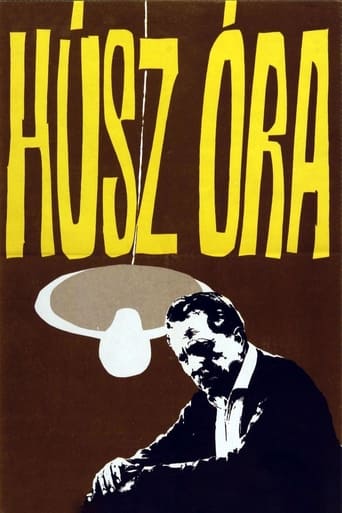
6.2In 1956, a crusading newspaper reporter covers the Soviet invasion of Hungary. Initially critical of the communists, the feature later espouses the virtues of social changes implemented since the invasion.
Twenty Hours
1965
 8.0
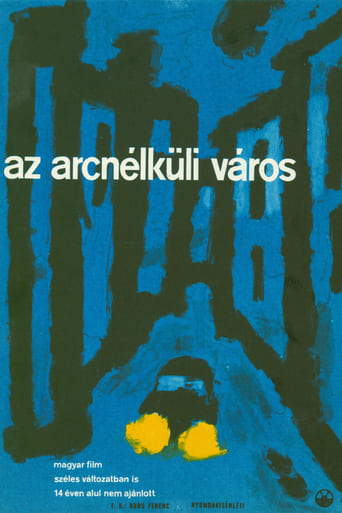
8.0No synopsis available yet.
Az arc nélküli város
1960
 8.0
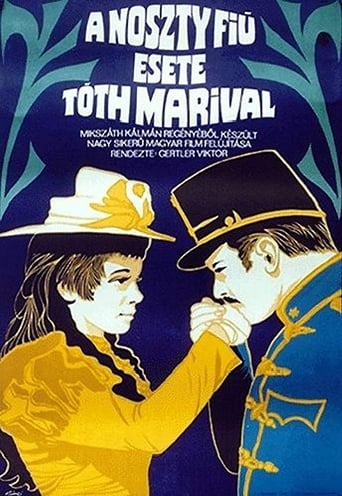
8.0Feri Noszty forges bills of exchange, which is an unforgivable sin in his circle. The family, to pay the debt and save the boy's honour, cash in their only fortune by marrying Vilma, Feri's sister, to a wealthy man. But this will not save Feri, who must resign his commission as an officer. He gets a job as a magistrate, but the income does not satisfy the young man's needs. All that is left is a good marriage and a huge dowry.
Love and Money
1960
 10.0
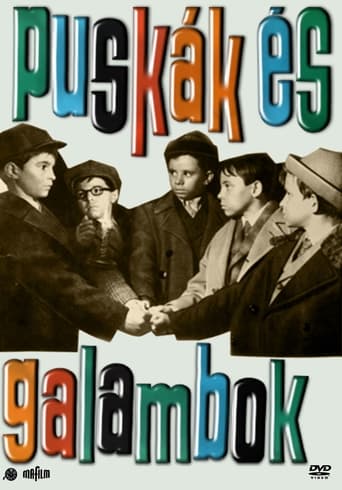
10.01920 in a mining town in the country-side. The team of children led by Ferkó Boda fish guns and a flag of Red soldiers out of the local lake.
Guns and Doves
1961
 7.1
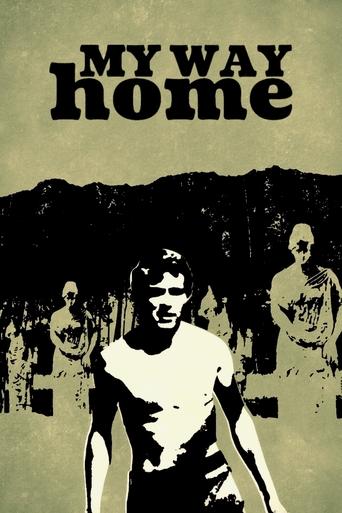
7.1In the aftermath of World War II, a Hungarian teenager, captured by Soviet troops, forms an unlikely bond with a Russian soldier in a remote prison camp.
My Way Home
1965
 7.4
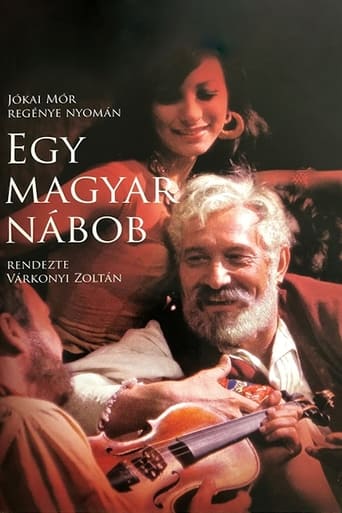
7.4On the novel by Mór Jókai. The first half of the XVIII century. Several decades of life of a noble family Karpati.
A Hungarian Nabob
1966
 10.0
10.0Joseph II, the enlightened Austro-Hungarian emperor, entrusts his loyal and confidential subject, Ráby Mátyás, formerly a treasurer, to examine the abuses made by the magistrates of Szentendre and Izbég. Following his old friend, Dacsó Marci's directions, Ráby reveals horrible robberies, tax evasions, frauds, and other illegal acts having been committed against the people.
Captive Ráby
1964
 6.8
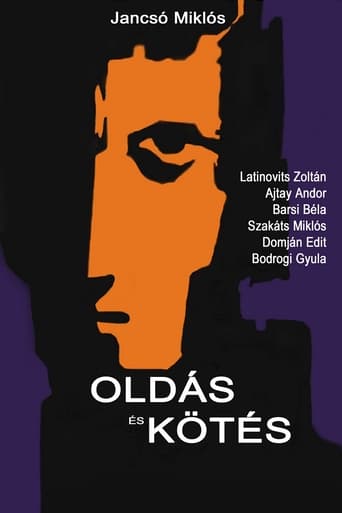
6.8A young doctor undergoes a spiritual crisis when he returns to his rural home.
Cantata
1963
 NR
NREndre and Agha, the newlyweds, had a hard time at first. Agi's parents refused to help them. Then a child was born. Life without an apartment and without sufficient funds became even more difficult. It came to divorce. But love prevailed: Endre and Agi realized that together they would overcome all difficulties.
Az elsö esztendö
1966
 8.0
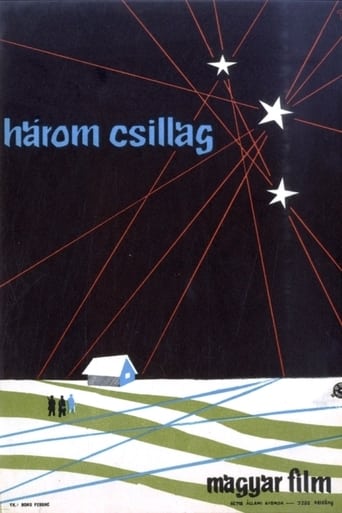
8.0The film consists of 3 novellas. 1. On the eve of the Soviet advance into Hungary, workers at a military plant risk everything to strike in defiance, displaying unwavering courage and solidarity. 2. During a fierce battle, three Soviet soldiers shelter in a peasant’s hut where a dying mother begs them to baptize her newborn - an act of compassion they fulfill, leaving behind three stars from their caps as a lasting gift. 3. After liberating a Hungarian town, Soviet troops rescue a hidden throng of civilians, huddled in underground tunnels, from imminent Nazi brutality, saving countless lives in the process.
Három csillag
1960
1950s · 22 titles
8.0The film is an interpretation of everyday life and privacy as well as the first love-triangle story after 1945. Benkő Lajos, the country librarian, is stationed in the capital. In lack of a suitable apartment, his wife and children have to stay in the country.
Spiral Staircase
1957
7.5In a rural scenery in the throes of difficult changes lives humble but promising young farmer girl Mari Pataki. Her father forbids her from seeing the man she loves. The father, above all preoccupied by work on the fields and prospective wealth, decides to give his daughter in marriage to his older business partner. 'Land marries land', he says, a phrase which seems to be the unyielding rule of the Hungarian peasantry. But the younger lover is ready to confront any challenge to keep Mari's love.
Merry-Go-Round
1956
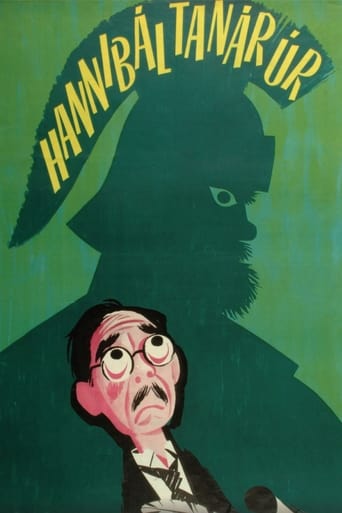 5.2
5.2When a Latin teacher publishes an essay on the Carthaginian General Hannibal, he is quickly hailed as a celebrity genius, but in reality has become an unwitting pawn of far-right politicians.
Professor Hannibal
1956
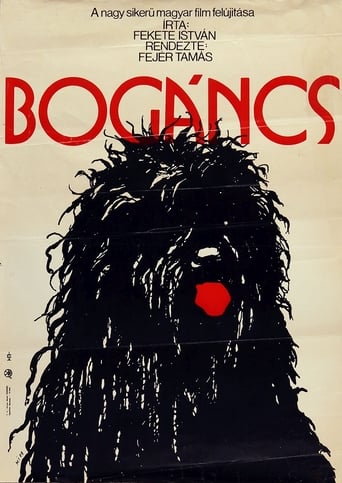 7.0
7.0One day, Máté Galamb loses his faithful dog, Bogáncs, of the Puli breed. The runaway dog is found in the woods by the old, disillusioned acrobat, Dodó.
Bogáncs
1958
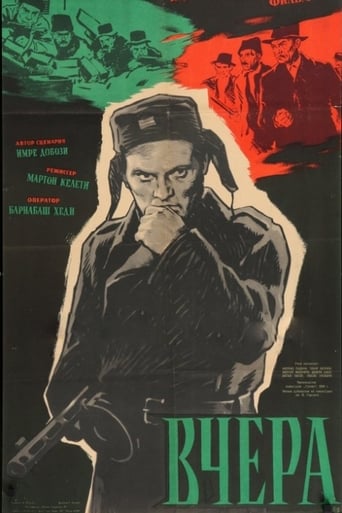 9.5
9.5October, 1956. Colonel lieutenant Szabó sends a platoon with the mission of calming the people demonstrating in the town. The platoon is lined up under the command of Lieutenant Csendes and the soldiers aim at the demonstrators. Szusza Kis changes sides, and Csendes is unable to shoot at his childhood mate. They withdraw.
Yesterday
1959
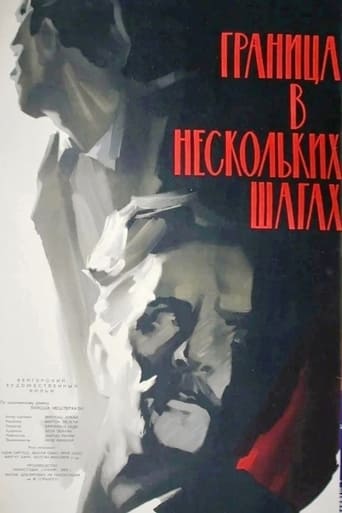 7.0
7.0Based on the novel of the same name by Lajos Meszterházy about the escape from prison of two communists sentenced to death. The movie is set in 1921, two years after the defeat of the Hungarian Soviet Republic.
Pár lépés a határ
1959
 6.0
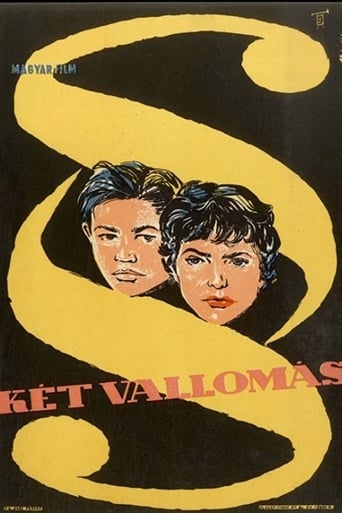
6.0This easy-to-take Hungarian drama is also known as Two Wishes. The prinicipal characters are a pair of juvenile delinquents, who may still be redeemable. The sullen duo is befriended by a kindly police inspector, who takes it upon himself to straighten out the boys. What follows cannot be termed surprsingly or innovative, though it is immensely satisfying. Of interest is the fact that a Communist-bloc film would admit to a delinquency problem in the so-called Worker's Paradise. Ket Vallomas was the Hungarian entry in the 1957 Cannes Film Festival.
Two Confessions
1957
 6.2
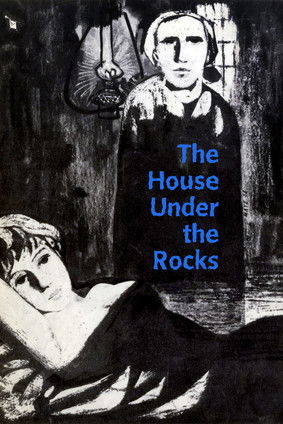
6.2Three people – a returned prisoner of war, his beautiful second wife, and the possessive, hunchbacked spinster who is his sister-in-law by his first marriage – are isolated in a little house under an extinct volcano, where each strives for personal happiness but is suffocated by their dependence on the others.
The House Under the Rocks
1959
 10.0
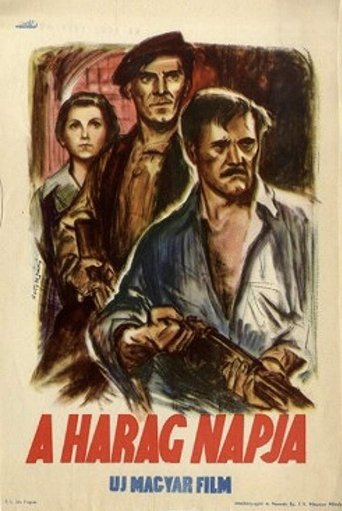
10.0In May 1919 in a small rural town beside Salgótarján the local high society wants to get the power back with the leadership of dr. Máriáss, exploiting the outside attack launched against the Republic of Councils.
The Day of Wrath
1953
 6.6
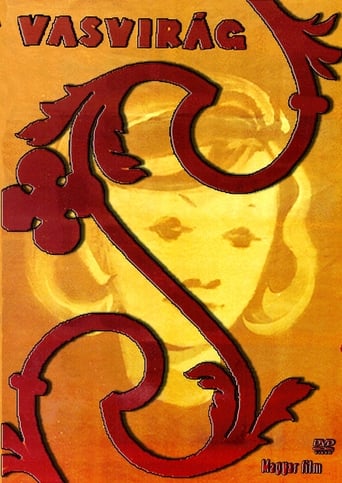
6.6During the worldwide Depression of the 1930s, a young shopgirl is in love with a man of her own financial class, but succumbs to the seductive machinations of her wealthy boss.
Iron Flower
1958
 7.0
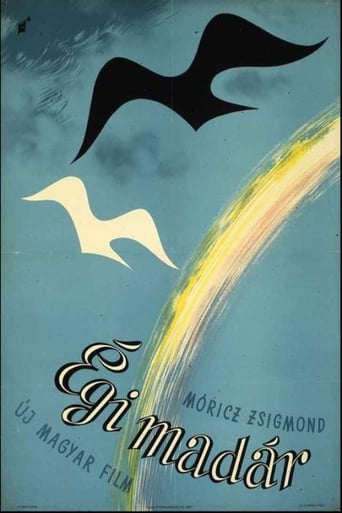
7.0Panni, coming from a landless family of ten and Miska have loved each other for a long time. The pretty Panni, however, has another suitor as well: Komáromi, the big farmer. The two men fight from time to time, but then, during the time Miska is serving his military duty, Panni marries Komáromi to end the tremendous squalor of her family.
A Bird of Heaven
1958
 9.0
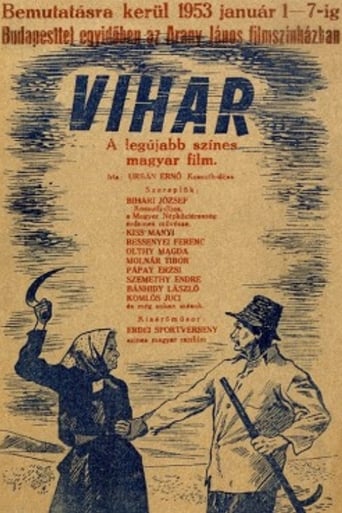
9.0Vörös Hajnal (Red Dawn), a co-operative is the venue of skylarking, while the storm destroys the wheat which is to be harvested soon. Árendás, a middle-peasant, voices severe accusations against members of the co-operative: out of negligence, they failed to keep the ditches clean. It is always the soft option they seem to favour, while the necessity of properly taking care of the farmlands is long-forgotten. Members of the co-operative and the village people are deeply divided.
The Storm
1952
 7.0
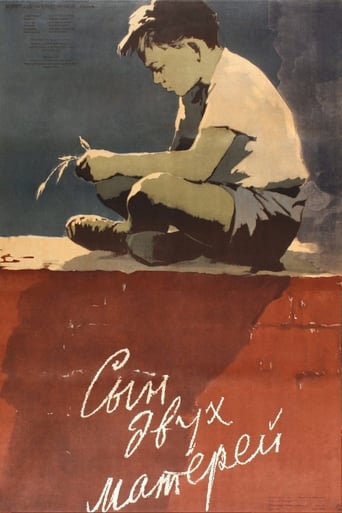
7.0Dani, the few-month-old little boy born outside marriage is left by Eszter in the lap of her companion on the train. The widowed Aranka takes him willingly to her. The child is already ten years old and has a good life with Aranka. Then Géza enters their life and he does not welcome the child of someone else.
Dani
1957
 8.0
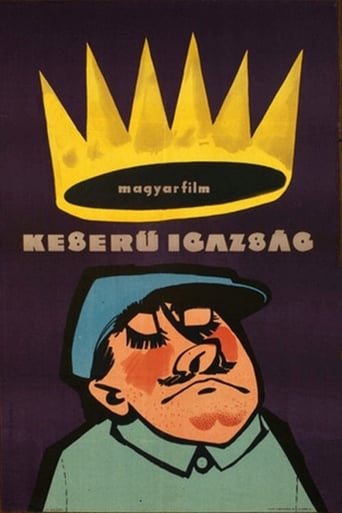
8.0Sztankó János, the freshly appointed director of a company that builds agricultural factories meets his former classmate, Palócz. Palócz is just released from the prison where he got on made-up charges. Sztankó suddenly decides to employ the engineer since he wants to show up spectacular, quick results.
The Bitter Truth
1956
 6.0
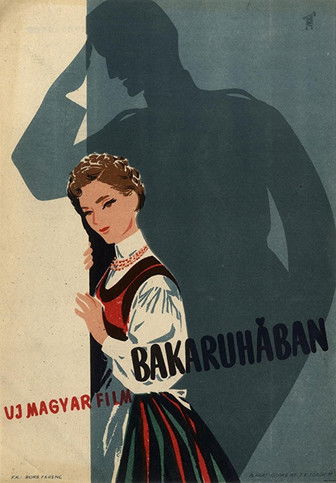
6.0The poetic love story depicting everyday life from a micro-psychological aspect takes place in the 1910s. Sándor, editor of the local paper, serves as a foot soldier on Sundays, but spends weekdays playing billiard and courting women. One Sunday afternoon - in soldier's uniform - he meets Vilma, the beautiful maid, whose honesty and chastity turns the adventure to love.
A Sunday Romance
1957
 9.0
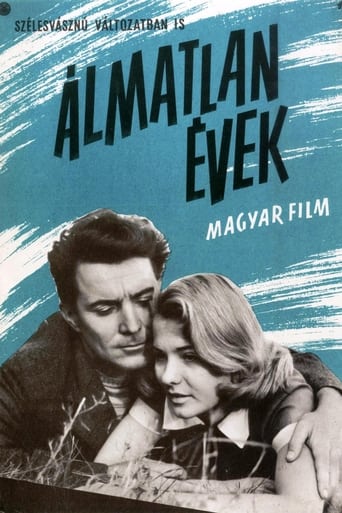
9.0The "sleepless years" in this propaganda piece by director Felix Marlassy occur on Csepel Island, an island south of Budapest that is home to an armaments factory. The factory workers are shown being exploited by imperialists, capitalists gone berserk, and fascists, more or less in that exact chronological sequence. The heavy-handed approach does much to undercut the belief that when socialism finally takes over, the lives of the workers are brought up to a human level. In this instance, audiences might prefer a more nuanced and subtle statement, no matter what the message.
Sleepless Years
1959
 10.0
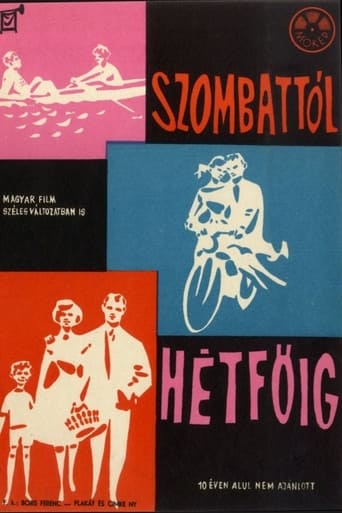
10.0About the life of young people in Hungary in the late 50s, their joys, hopes and dreams. When Joly entered the factory, she wanted to be as cheerful and carefree as the other girls, and she didn't tell anyone that she had a son. And now, when the wedding day with Ferenc is almost set, Yoli walks around sad and confused. She doesn't know how Feri will take the news of her son. She is afraid that Feri, who loves and trusts her very much, will never understand or forgive her. But Feri turns out to be a real man, and Yoli together with little Ali finds her true happiness.
Szombattól hétföig
1959
 8.5
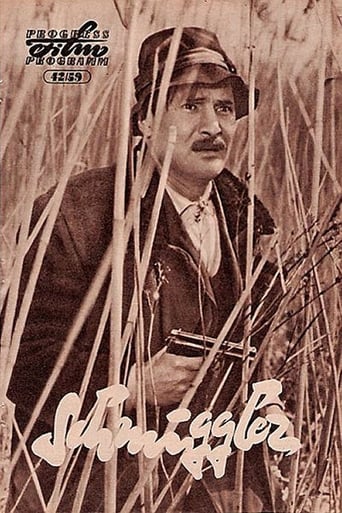
8.5In the thirties, the poor living by the Romanian-Hungarian border were forced to smuggle if they wanted to survive. Mihály, a Hungarian peasant, kills a border guard while fleeing. He is fed up with smuggling and wants to put an end to it, yet he needs money to get a job, so he embarks on another turn.
The Smugglers
1958
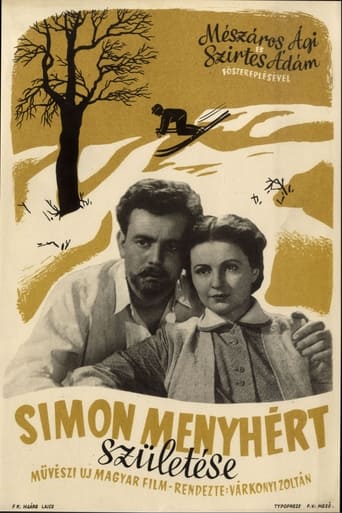 8.0
8.0Every member of a small community in the snow-capped Bükk Mountains is trying to help the doctor get to István Simon forester's house where his wife is about to give birth to their first child.
The Birth of Menyhért Simon
1954
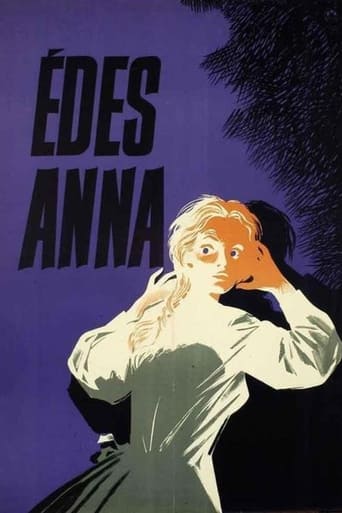 6.6
6.6Lovely young maid Anna works for the noble Vizy family. Mrs Vizy, while proud of the hard-working servant, doesn't treat her well. Her nephew seduces Anna with sweet words, but abandons her as soon as she gets pregnant.
Sweet Anna
1958
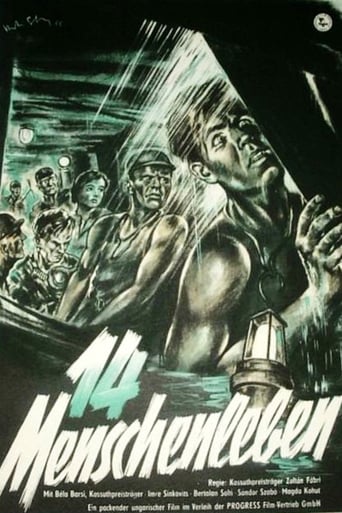 7.0
7.0In September 1952, psychological torment ensues when fourteen miners are trapped inside a collapsed mine, and the community in northern Hungary unites to save them.
Fourteen Lives
1954
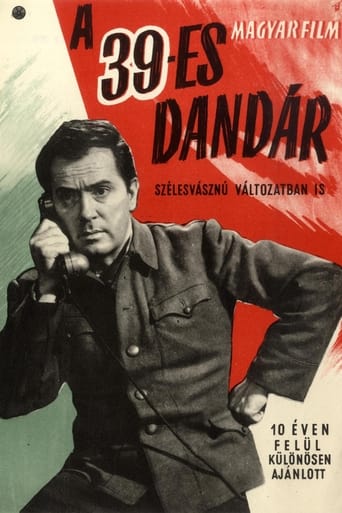 10.0
10.0The spring of 1919. Karikás Frigyes reorganises brigade 39 at the Tisza. His most devoted soldiers are Korbély János and his followers, who remain faithful to the political commissioner under all circumstances.
The Brigade No. 39
1959