
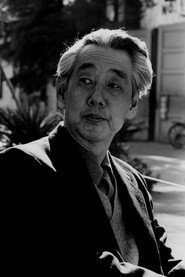
Directing
Mikio Naruse
Born — Died
1905-08-20 — 1969-07-02
Place of birth
Tokyo, Japan
Known for
Directing
Credits
42 titles
Mikio Naruse (August 20, 1905 – July 2, 1969) was a Japanese filmmaker, screenwriter, and producer who directed some 89 films spanning the period 1930 (towards the end of the silent period in Japan) to 1967. Naruse is known for imbuing his films with a bleak and pessimistic outlook. He made primarily shomin-geki (working-class drama) films with female protagonists, portrayed by actresses such as Hideko Takamine, Kinuyo Tanaka, and Setsuko Hara. Because of his focus on family drama and the intersection of traditional and modern Japanese culture, his films are frequently compared with the works of Yasujirō Ozu. His reputation is just behind Akira Kurosawa, Kenji Mizoguchi, and Ozu in Japan an…
Known for
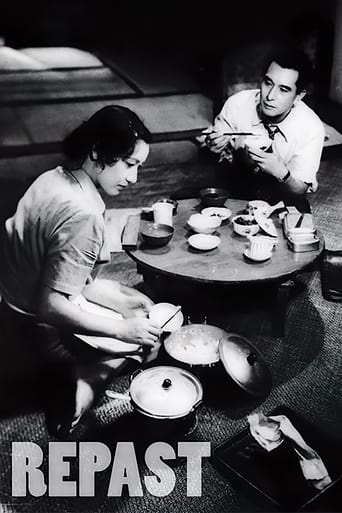 7.6
7.6In post-WWII Osaka, a middle-aged woman is forced to examine her dreary life and marriage when her husband's young and flirtatious cousin arrives for a brief stay to escape an arranged marriage.
Repast
1951
 7.7
7.7A married Japanese forester during WWII is sent to Indochina to manage forests. He meets a young Japanese typist and promises to leave his wife. He doesn't and after the war, she turns up and the affair resumes.
Floating Clouds
1955
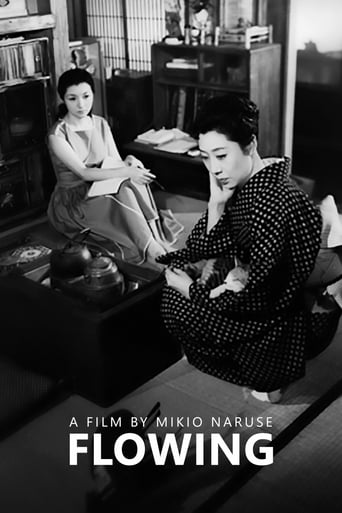 7.2
7.2Otsuta is running the geisha house Tsuta in Tokyo. Her business is heavily in debt. Her daughter Katsuyo doesn't see any future in her mother's trade in the late days of geisha. But Otsuta will not give up. This film portrays the day time life of geisha when not entertaining customers.
Flowing
1956
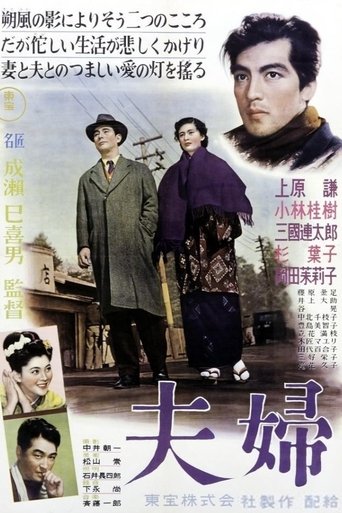 6.9
6.9A married couple looking for an apartment move in with the husband's co-worker, a widower. The husband becomes jealous of the widower and his wife.
Husband and Wife
1953
 6.7
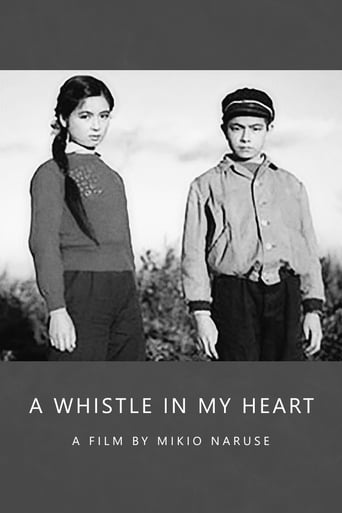
6.7The story is about the social problems faced by Japan's indigenous Ainu, mostly centered on the reactions of the characters to their oppressed state.
A Whistle in My Heart
1959
 8.0
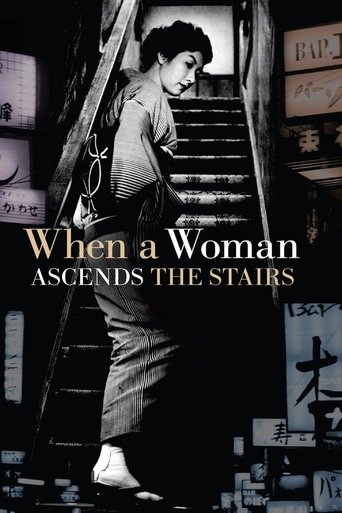
8.0Keiko, whom everyone calls Mama, narrates her story: she's a hostess on the Ginza, 30, a widow. She describes life's vicious cycle: acting cheerful around drunks, dressing and living well to convey confidence, needing money for these expenses and for her demanding mother and brother, and knowing she's growing older.
When a Woman Ascends the Stairs
1960
Film credits
Behind the camera
7.6In post-WWII Osaka, a middle-aged woman is forced to examine her dreary life and marriage when her husband's young and flirtatious cousin arrives for a brief stay to escape an arranged marriage.
Repast
1951
7.7A married Japanese forester during WWII is sent to Indochina to manage forests. He meets a young Japanese typist and promises to leave his wife. He doesn't and after the war, she turns up and the affair resumes.
Floating Clouds
1955
7.2Otsuta is running the geisha house Tsuta in Tokyo. Her business is heavily in debt. Her daughter Katsuyo doesn't see any future in her mother's trade in the late days of geisha. But Otsuta will not give up. This film portrays the day time life of geisha when not entertaining customers.
Flowing
1956
6.9A married couple looking for an apartment move in with the husband's co-worker, a widower. The husband becomes jealous of the widower and his wife.
Husband and Wife
1953
6.7The story is about the social problems faced by Japan's indigenous Ainu, mostly centered on the reactions of the characters to their oppressed state.
A Whistle in My Heart
1959
8.0Keiko, whom everyone calls Mama, narrates her story: she's a hostess on the Ginza, 30, a widow. She describes life's vicious cycle: acting cheerful around drunks, dressing and living well to convey confidence, needing money for these expenses and for her demanding mother and brother, and knowing she's growing older.
When a Woman Ascends the Stairs
1960
 7.0
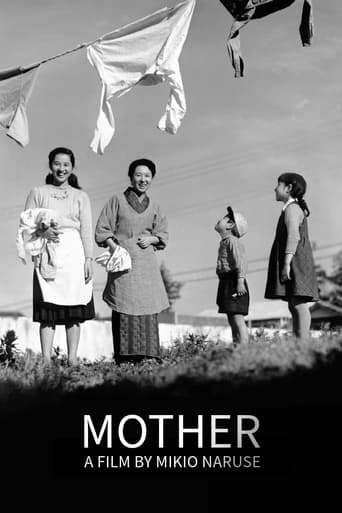
7.0A teenaged girl witnesses her widowed mother's attempt to sustain her family.
Mother
1952
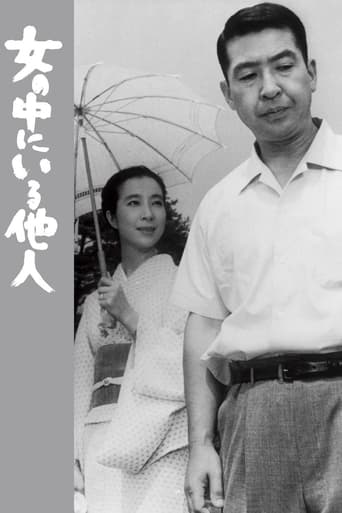 7.4
7.4Tashiro coincidentally meets his best friend Sugimoto in a bar very close to the apartment in which Sugimoto’s wayward wife is found dead. Although Tashiro is not a suspect in the police investigation, he is racked with guilt and confesses to his wife, Masako. In an effort to further relieve his tortured sense of guilt, he then confesses to Sugimoto. Neither his wife nor his friend can believe that he could have been involved.
The Stranger Within a Woman
1966
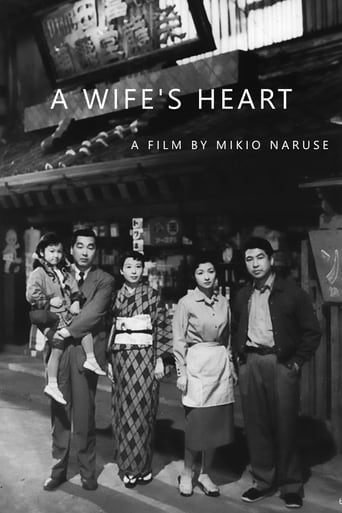 6.9
6.9A young woman tries to raise money to open her own coffee shop. She arranges a loan when her rigid family won't help and then her husband becomes jealous of the loan officer.
A Wife's Heart
1956
 7.8
7.8A man is involved in a fatal car accident, and though he is blameless, his company transfers him to a remote branch in a small town. Before he leaves, he gives the man's widow a large sum of money that she uses to move back to her hometown.
Two in the Shadow
1967
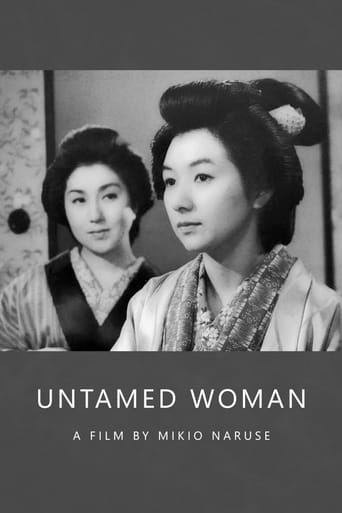 7.5
7.5A woman marries, gives birth to a stillborn child, and divorces, falls in love with a hotel-keeper, only to find herself subordinated to his drive for success, takes up with a tailor who cannot console himself with her strong personality.
Untamed Woman
1957
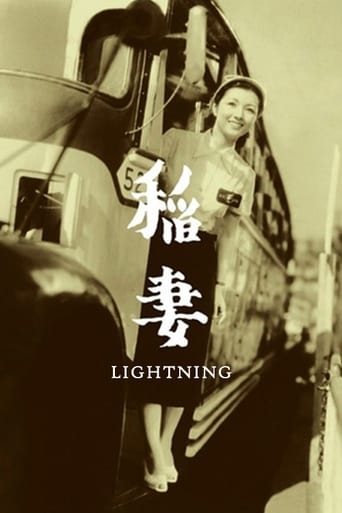 7.3
7.3The story of Kiyoko, a young woman who has successfully managed to make a break with her dysfunctional family who have been trying to arrange a marriage for her with a disagreeable man whom she has rejected.
Lightning
1952
 7.4
7.4An ingratiating bride develops warm ties to her father-in-law while her cold husband blithely slights her for another woman.
Sound of the Mountain
1954
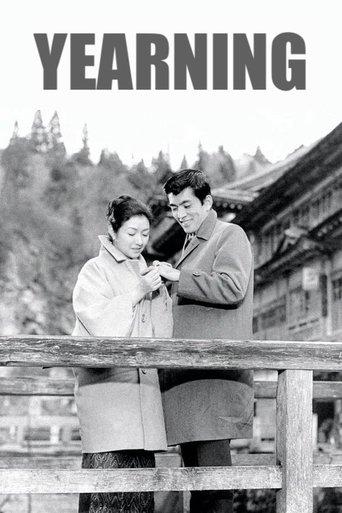 8.1
8.1War widow Reiko rebuilds and runs the grocery shop in the house of her husband's family. Many years later, their business is threatened by a newly built supermarket and Reiko's in-laws plan to convert their small shop into a supermarket, to her detriment.
Yearning
1964
8.1War widow Reiko rebuilds and runs the grocery shop in the house of her husband's family. Many years later, their business is threatened by a newly built supermarket and Reiko's in-laws plan to convert their small shop into a supermarket, to her detriment.
Yearning
1964
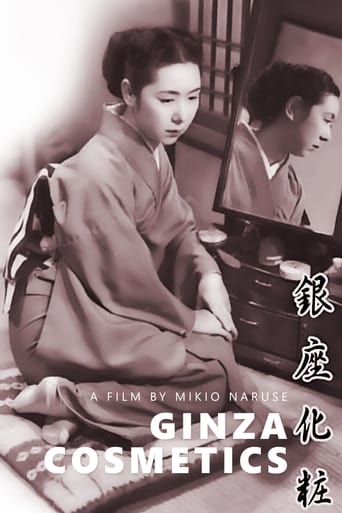 6.5
6.5A few days in the life of a quiet geisha, single mother of a smart young boy, in the lively Tokyo quarter of Ginza. A woman devoted to others' needs, she'll end by taking part herself in one of the many disguises of Ginza.
Ginza Cosmetics
1951
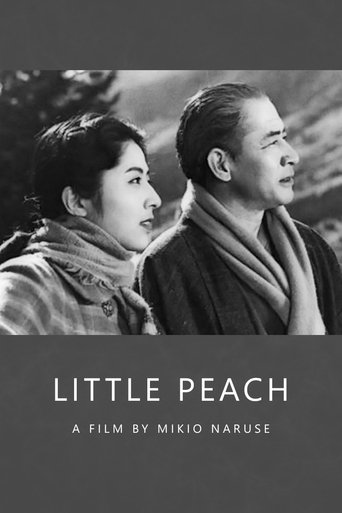 6.1
6.1Anzukko (Little Peach) is the daughter of a successful writer. She turns down each one of her suitors, until she marries a beginning writer named Ryokichi. Their life quickly sinks into despair.
Little Peach
1958
6.1Anzukko (Little Peach) is the daughter of a successful writer. She turns down each one of her suitors, until she marries a beginning writer named Ryokichi. Their life quickly sinks into despair.
Little Peach
1958
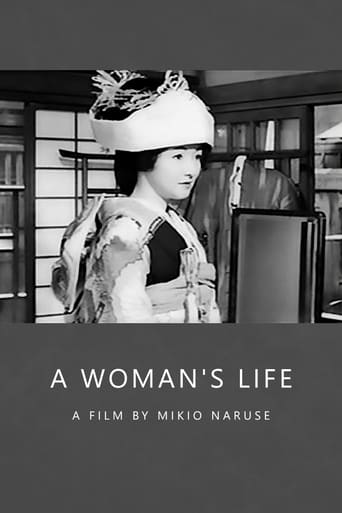 7.1
7.1A woman remembers her own marriage when dealing with the love life of her son.
A Woman's Life
1963
 7.7
7.7A war widow with a young boy manages a farm with her bossy mother-in-law. When a reporter comes to interview her, the two begin an affair. He turns out to be married and won't leave his wife. Her older brother tries to marry off his children and hang on to/ extend his farm through an advantageous marriage in the face of threatened land confiscation and the desire of his children to get comfortable urban jobs instead of the backbreaking work in the paddy fields under parental control.
Summer Clouds
1958
 7.2
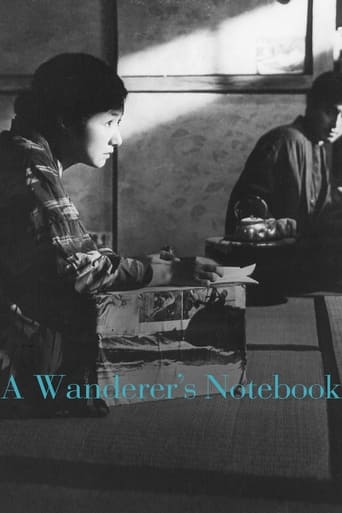
7.2Based on the life and career of novelist Fumiko Hayashi, she bitterly struggles for literary recognition in the first half of the 20th-century – her affairs with feckless men, the jobs she took to survive (peddler, waitress, bar maid), and her arduous, often humiliating attempts to get published in a male-dominated culture.
A Wanderer's Notebook
1962
7.2Based on the life and career of novelist Fumiko Hayashi, she bitterly struggles for literary recognition in the first half of the 20th-century – her affairs with feckless men, the jobs she took to survive (peddler, waitress, bar maid), and her arduous, often humiliating attempts to get published in a male-dominated culture.
A Wanderer's Notebook
1962
 6.2
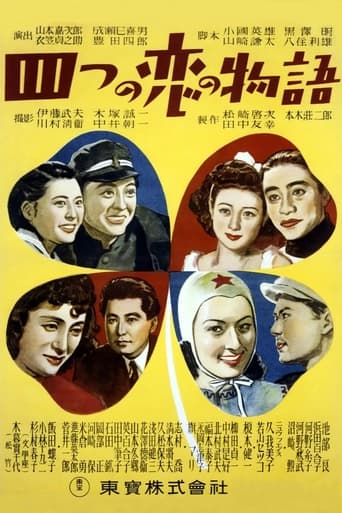
6.2Omnibus of love stories from 1947 directed by famous directors, featuring big stars.
Four Love Stories
1947
 6.3
6.3The eldest daughter of a rural family Mon returns home from Tokyo pregnant after an affair with a college student Kobata, which causes a scandal that will threaten the marriage prospects of the younger sister San, in her cash-strapped family. The ill-tempered eldest brother Inokichi decides to take on the role of disciplinarian, with harrowing results.
Brother and Sister
1953
 6.9
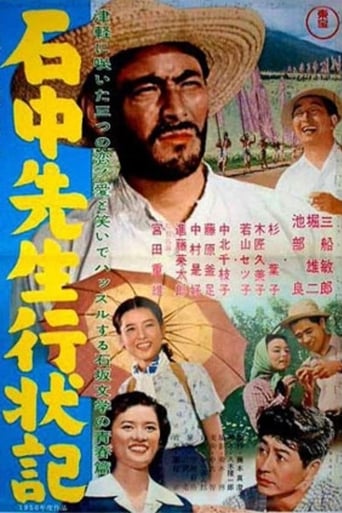
6.9Three humorous love stories set in rural Japan.
Conduct Report on Professor Ishinaka
1950
 7.0
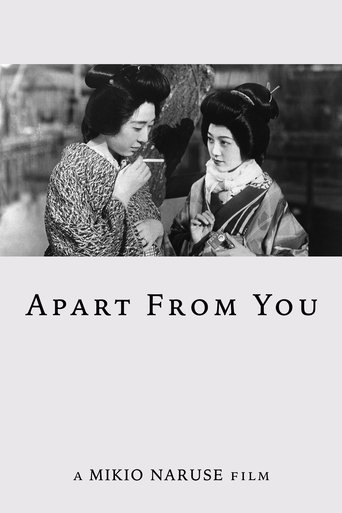
7.0An aging geisha, whose angry teenage son is ashamed of her profession, works alongside a young geisha, resentful of her family for forcing her into a life of shame.
Apart from You
1933
7.0An aging geisha, whose angry teenage son is ashamed of her profession, works alongside a young geisha, resentful of her family for forcing her into a life of shame.
Apart from You
1933
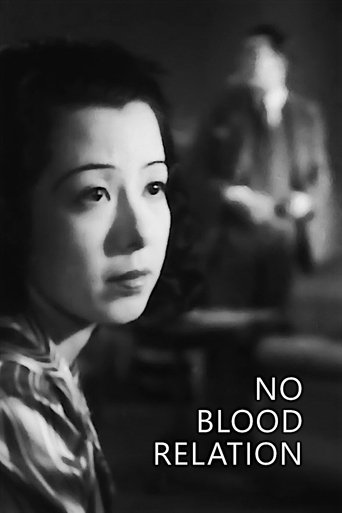 7.3
7.3An actress returns to Tokyo after a successful stint in Hollywood to reclaim—with the help of her gangster brother—the daughter she abandoned years before.
No Blood Relation
1932
7.3An actress returns to Tokyo after a successful stint in Hollywood to reclaim—with the help of her gangster brother—the daughter she abandoned years before.
No Blood Relation
1932
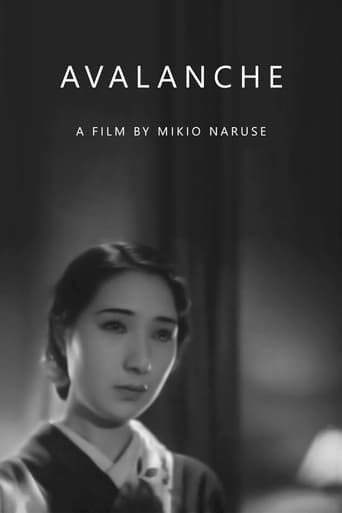 6.8
6.8The study of a one-year marriage that begins to crumble. A married man is torn between the love of his wife, and the attraction to a cousin of his wife.
Avalanche
1937
6.8The study of a one-year marriage that begins to crumble. A married man is torn between the love of his wife, and the attraction to a cousin of his wife.
Avalanche
1937
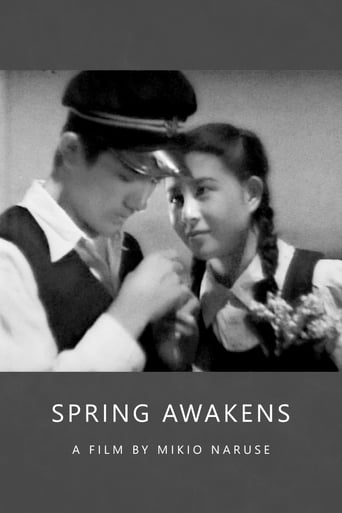 6.8
6.8Slice of life film centered on a couple of years in the life of a rural high school girl.
Spring Awakens
1947
6.8Slice of life film centered on a couple of years in the life of a rural high school girl.
Spring Awakens
1947
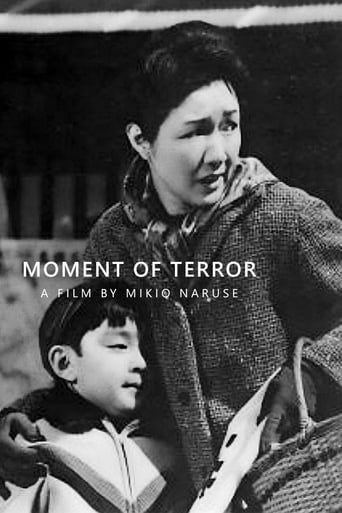 5.9
5.9When the only son of a working class woman is fatally struck by a car driven by the adulterous wife of a company president in a hit-and-run, the victim's mother changes her identity and infiltrates the couple's home to work as their maid, plotting to murder their similarly-aged son.
Moment of Terror
1966
 7.2
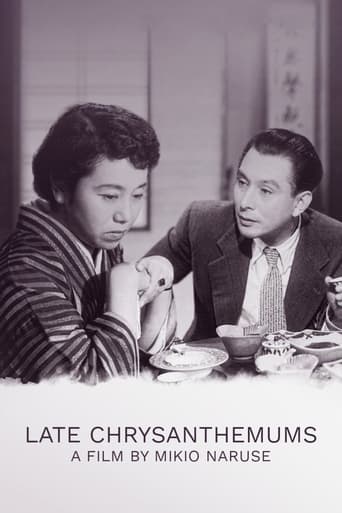
7.2What is the life of a Geisha like once her beauty has faded and she has retired? Kin has saved, and become a wealthy money-lender, spending her days coldly collecting debts. Even her best friends, fellow Geisha Tomi, Nobu, and Tamae, are now indebted to her. For all of them, the glamour of their young lives has passed; Tomi and Tamae have disappointing children. Kin has two former lovers who still pursue her; one she wants to see, and the other she doesn't. But even the one she remembers fondly, when he shows up, proves less than satisfactory.
Late Chrysanthemums
1954
 5.6
5.6Keiko Yukawa is a former prostitute and the newest inmate at White Lily, a female rehabilitation facility.
White Beast
1950
5.6Keiko Yukawa is a former prostitute and the newest inmate at White Lily, a female rehabilitation facility.
White Beast
1950
 6.3
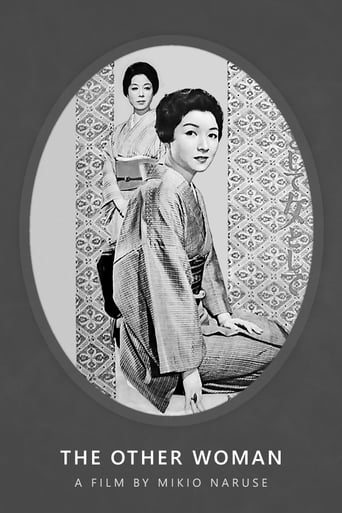
6.3The real mother of the two children of a respectable university professor is not his wife, but his mistress, the hostess of a Ginza bar the family frequents.
The Other Woman
1961
 6.9
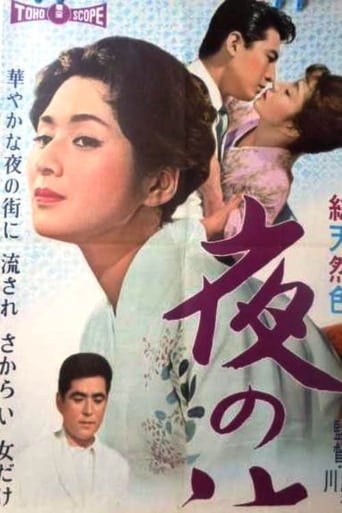
6.9A woman and her daughter are in love with the same man, a chef at the restaurant that the mother manages. He is slightly crippled from frostbite in his years in Siberian labor camps and considers himself 'already dead'.
The Lovelorn Geisha
1960
 6.6
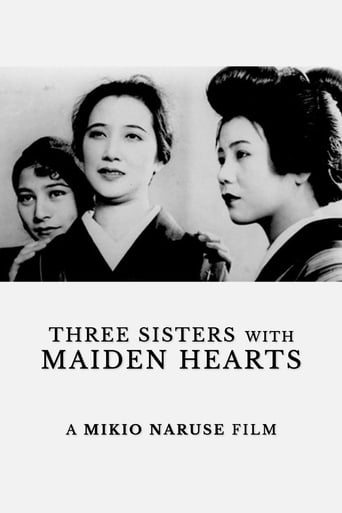
6.6Three sisters earn money for their bossy mother by being samisen street musicians. This means mainly playing a banjo type instrument for tips in bars...
Three Sisters with Maiden Hearts
1935