
Acting
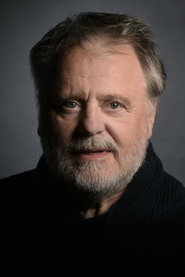
Gábor Máté
Born
1955-04-29 (71)
Place of birth
Budapest, Hungary
Known for
Acting
Credits
42 titles
Known for
 6.5
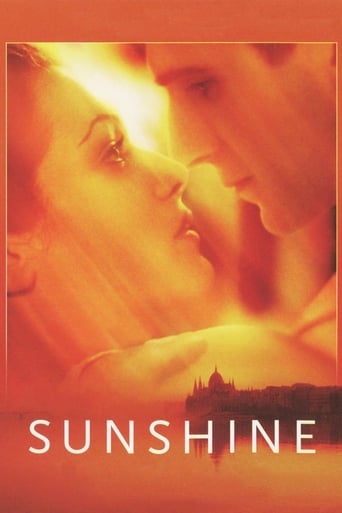
6.5The fate of a Hungarian Jewish family throughout the 20th century.
Sunshine
1999
 6.6
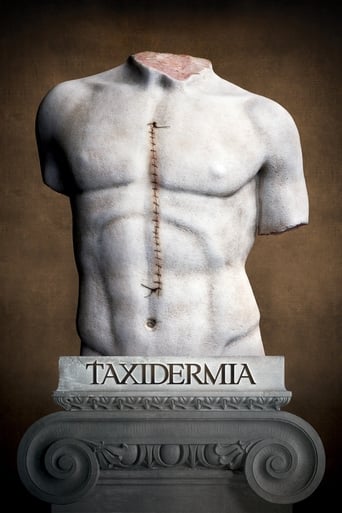
6.6Three stories. Three ages. Three men. Grandfather, father, son. One is an orderly, one is a leading sportsman, and one is a master taxidermist. One desires love, the other success, and the third immortality.
Taxidermia
2006
 NR
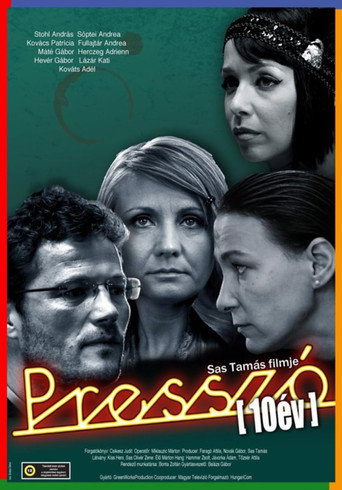
NRNo synopsis available yet.
Presszó
2008
 6.5
6.5A tale of twin girls, Dóra and Lili, who are born in 1880 Budapest at the same moment Thomas Edison presents his electric lightbulb to the world. The sisters are soon orphaned and separated in childhood, and follow different paths: one grows up to be a naïvely idealistic, bomb-toting anarchist, the other a pampered, hedonistic courtesan. Their paths cross once again on the Orient Express on New Year's Eve 1899...
My Twentieth Century
1989
 6.6
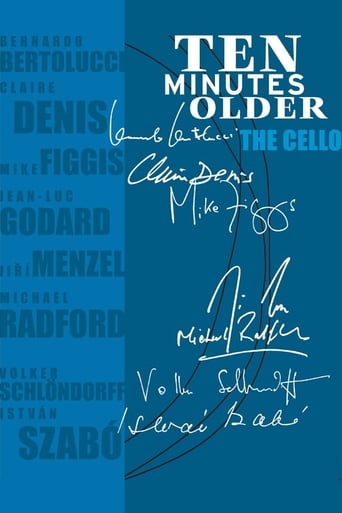
6.6Collection of short films the summaries of which include; a foreign man moving to Italy, getting married and having a child; a four split scene short involving plot-less images of old people with television sets for heads, a beautiful woman having sex, and overall confusion; and an old man reminiscing over his youth.
Ten Minutes Older: The Cello
2002
 6.9
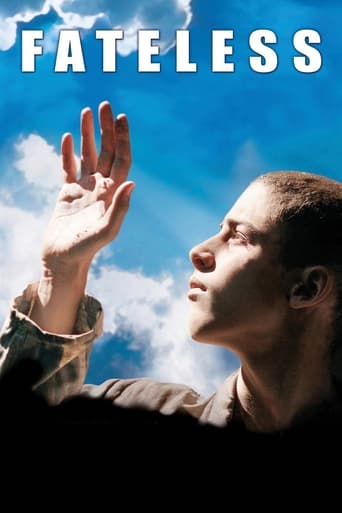
6.9A Hungarian youth comes of age at Buchenwald during World War II. György Köves is 14, the son of a merchant who's sent to a forced labor camp. After his father's departure, György gets a job at a brickyard; his bus is stopped and its Jewish occupants sent to camps. There, György find camaraderie, suffering, cruelty, illness, and death. He hears advice on preserving one's dignity and self-esteem. He discovers hatred. If he does survive and returns to Budapest, what will he find? What is natural; what is it to be a Jew? Sepia, black and white, and color alternate to shade the mood.
Fateless
2005
Film credits
2020s · 2 titles
 NR
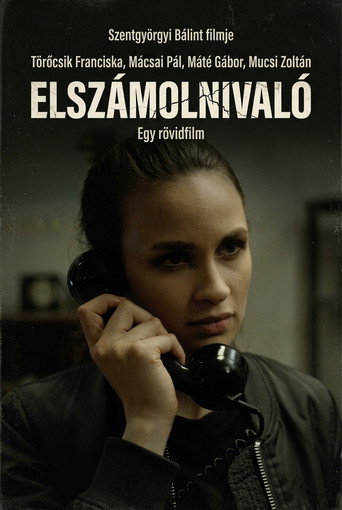
NROn the day the Berlin Wall falls, a determined young actress has a job interview at the National Theater. But, while a world-order falls apart outside, she is confronted to an old family-secret that will change everything.
Unfinished Business
2020
 NR
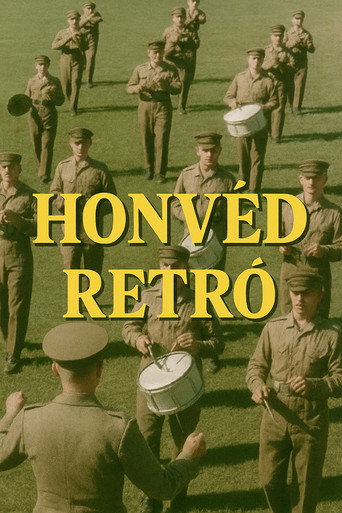
NRA feature length, lively - montage style - documentary, capturing the essence of what life was like in socialist Hungary's conscript army, using contemporary videos.
Honvéd retró
2022
2010s · 8 titles
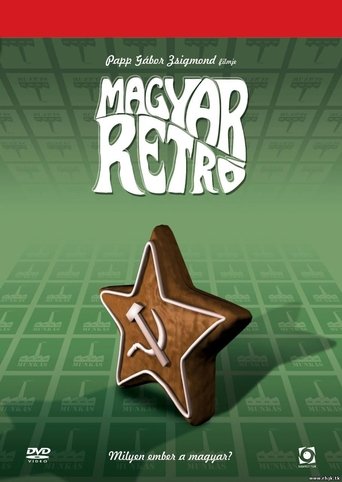 7.2
7.2A feature length, lively - montage style - documentary, capturing the essence of what life was like in socialist Hungary - dubbed the "The most cheerful barrack" back then - using contemporary music, interviews, adverts and news footages.
Hungarian Retro
2010
TV-adaptation of the two short stories from hungarian writer Ferenc Karinthy.
Szégyen
2012
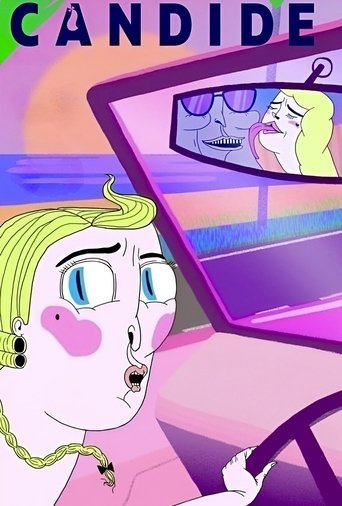 9.0
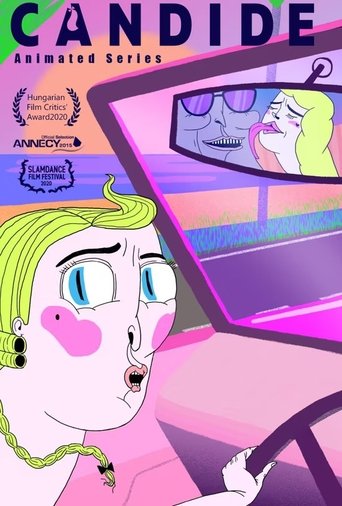
9.0As a free adaptation of Voltaire's classic, our Candide tries to win the beloved Cunégonde's heart in different contemporary settings. In the 13 episodes he finds himself in challanging situations, and has to face the cruelty of the world. He follows Master Pangloss's instructions to always stay optimistic, while travelling the world from a Californian start up company through North-Optimistan into deep space. As the novel itself our adaptation is a political and religious satire of our times.
Candide
2018
 8.0
8.0The viper. The word alone fills most people with dread. It calls to mind some kind of huge, writhing monster, lying in wait to bite. The Hungarian meadow viper (Vipera ursinii rakosiensis) however, is not large and doesn’t attack. It is rather small and it would rather flee. It’s venom is deadly only to grasshoppers and crickets. It almost disappeared because it’s habitats were plowed under and drained. It’s not easy being legless in a world ruled by four-wheeled machines and two-legged creatures. The survivors retreated to the sand dunes of Kiskunság National Park. This is where our story’s protagonist, 2K366/08, entered the world. This is her story.
Vipera Life – A serpent’s life
2014
 NR
NRAfter having done all her tasks on this planet, the old lady Aunt Teri would like to get somewhere, somewhere else... However its impossible without the appropiate documents. As Aunt Teri being dead can't deal with such mundane problems any longer, her nurse, Anita, helps her out. From now on it would be her tesk to find the deceasd Aunt Teri's ID card. Without this document the death certificate cannot be issued, nor can the body be taken to the mortuary.
Station
2014
Twenty well-known Hungarian artists - 10 right-wing (said to be) and 10 left-liberal (said to be) writers, directors, actors, musicians talk about the regime change and what has happened to us here in the last 30 years.
A Country Divided
2018
 6.0
6.0A coming-of-age story set in the contemporary Hungarian countryside, where teenage soloist Dávid decides to stand up for Nóri, 13, a cellist in their youth orchestra who is having a suspiciously close relationship with their 60-year-old conductor. While looking for the truth, Dávid's life soon starts to spiral out of control as he faces tough decisions and the adult society's negligence.
On the Quiet
2019
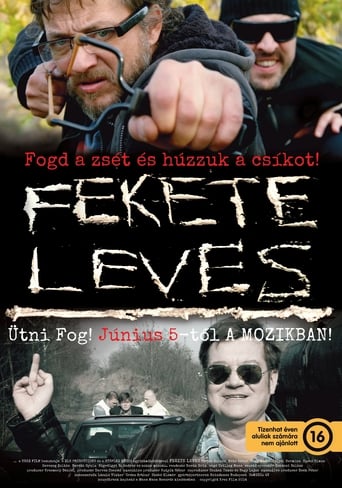 7.0
7.0After a long night, Dj Feaky D loses a large sum of money on poker. When an old friend offers a "great opportunity of easy money", he calls up on his buddies locked away in a mental institution.
Black Soup
2014
2000s · 8 titles
6.6Three stories. Three ages. Three men. Grandfather, father, son. One is an orderly, one is a leading sportsman, and one is a master taxidermist. One desires love, the other success, and the third immortality.
Taxidermia
2006
6.6Collection of short films the summaries of which include; a foreign man moving to Italy, getting married and having a child; a four split scene short involving plot-less images of old people with television sets for heads, a beautiful woman having sex, and overall confusion; and an old man reminiscing over his youth.
Ten Minutes Older: The Cello
2002
6.9A Hungarian youth comes of age at Buchenwald during World War II. György Köves is 14, the son of a merchant who's sent to a forced labor camp. After his father's departure, György gets a job at a brickyard; his bus is stopped and its Jewish occupants sent to camps. There, György find camaraderie, suffering, cruelty, illness, and death. He hears advice on preserving one's dignity and self-esteem. He discovers hatred. If he does survive and returns to Budapest, what will he find? What is natural; what is it to be a Jew? Sepia, black and white, and color alternate to shade the mood.
Fateless
2005
 9.0
9.0In the week of the book an interview is made with the writer Péter Simon, whose first book of short stories appeared in the prime of his life.
Loophole
2002
 6.2
6.2Eva Kerezkes is a young woman who lives alone in her apartment. After her parents' death, she was adopted by writer Tibor and his wife, Klara. Upon returning from a holiday in Italy, Eva performs various tasks around her apartment that reveal haunting information about her past sexual relationship with Tibor.
Down by Love
2003
 10.0
10.0No synopsis available yet.
Magyar szépség
2003
 5.9
5.9A new socialistic city is being built on the Danube's riverbank in the early 50's. The story is about a teacher who's living there.
Mayday Mayhem
2001
 10.0
10.0What can you expect from a 30-year-old man? Have a good job, car, house, wife, kids. And how is András doing on his 30th birthday? He's an excellent saxophonist and he has a brain, but no money, no wife, no car. In fact, he has never made love to two women at the same time in his life. He decides to make up for it in one day. By the time the candles on his birthday cake are lit at home in the evening, he wants to be done with all the things he should be. With precise plans, he sets off on his big adventure in the morning. The girl for a wife Andrew meets is a real mystery: she plays with men, lies a lot, cheats even more, and sometimes steals a little. No order, but her smile is irresistible...
Happy Birthday
2003
1990s · 14 titles
6.5The fate of a Hungarian Jewish family throughout the 20th century.
Sunshine
1999
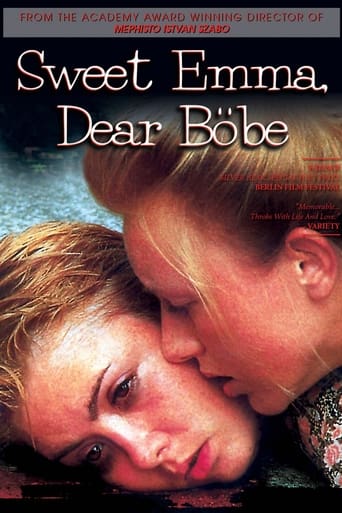 6.0
6.0The story shows Emma's and Böbe's fight for survival, for keeping their position in society which they achieved with hard work in the previous regime. They don't want to lose their place and become village girls again.
Sweet Emma, Dear Böbe
1992
 7.0
7.0Ede (Dezso Garas) is in his sixties, and he is full of uncertainty about how he and his wife Kati (Mari Torocsik) will fare in the new post-communist regime in Hungary. At least before, he had some idea what he needed to do to get by, and even if he never made much money with his myriad schemes, they got by. Kati has got a real bug in her ear about their livelihood, and is hounding him to get into the spirit of the new system. This is troubling enough for the old gent, but when he runs into an old mistress (Kati Lazar) and discovers that he has a grown son he has never met or knew about, his life becomes even more confusing. His slimy ex big-shot brother-in-law (Istvan Avar) is a major player in the new entrepeneurial risk-taking, and he beseiges poor Ede with advice as well. In this topical comedy, all these worrisome things, and more, come to a head at a big family celebrtion.
Whoops
1993
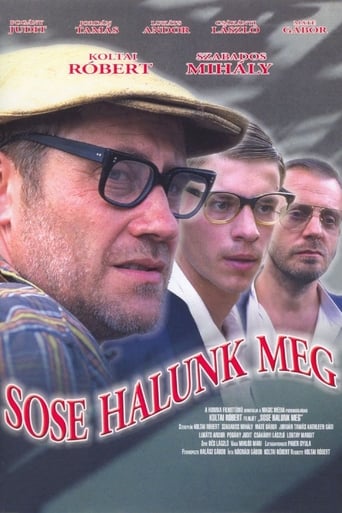 6.7
6.7In 1960s Hungary, an introverted teenager’s life is turned upside down by a few days in the company of his coat hanger salesman uncle: a roguish charmer with a zest for life and a weakness for horse racing and women.
We Never Die!
1993
No synopsis available yet.
Esti Kornél
1991
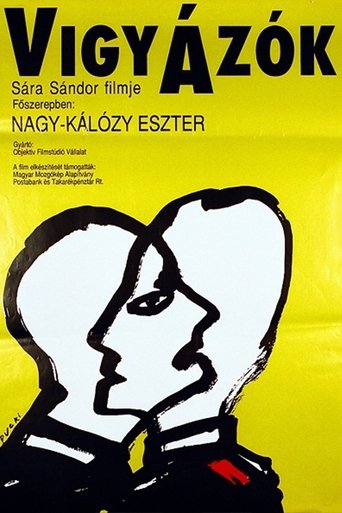 9.0
9.0A group of seven friends of different ages and interests meet regularly at Eva's. They have coffee, talk and listen to music. At one of the gatherings, Eva finds a secret agent's badge, "Lookout 123", in the hallway. The accidentally dropped ID card can only belong to one of the members of the party. From that moment on, the film is a continuous chain of private investigations, suspicions, betrayals, deceptions, the fabrication of hypotheses, the chess game of thinking through all the motives that are supposed to be relevant.
Vigilantes
1993
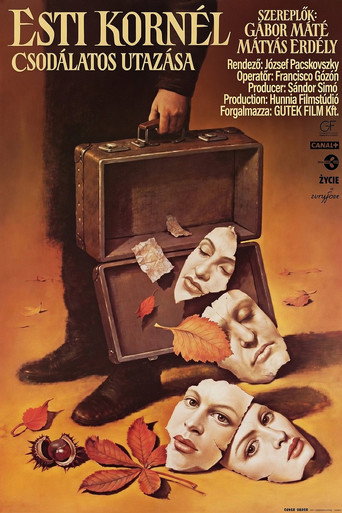 6.3
6.3Middle-aged writer (Kornél Esti) travels to Germany to deliver a lecture. During the long journey he recalls the memories of an other journey he made thirty years ago.
The Wondrous Voyage of Kornel Esti
1995
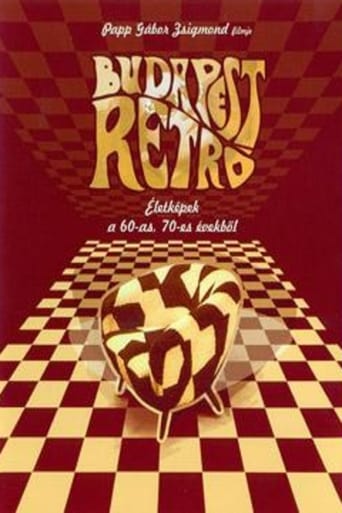 8.3
8.3No synopsis available yet.
Budapest Retro
1998
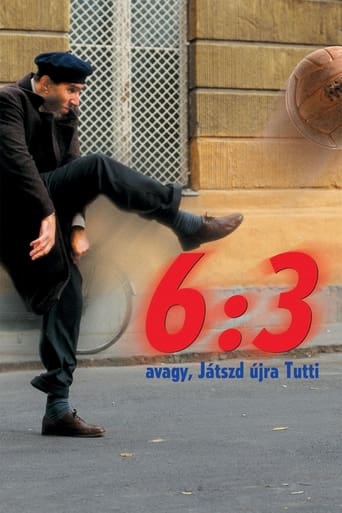 6.2
6.2No synopsis available yet.
6:3, Play It Again Tutti
1999
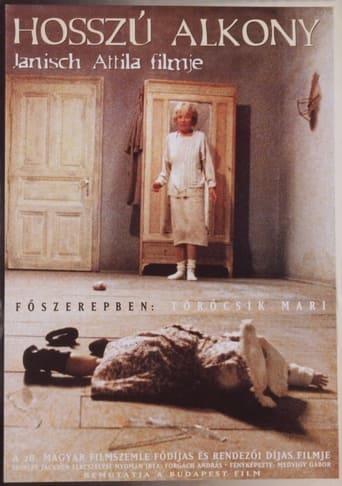 6.9
6.9A tale about an independent-minded university professor who leaves her family to travel across the countryside to visit a friend.
Long Twilight
1997
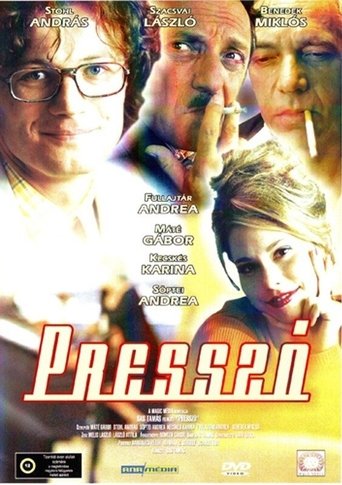 6.0
6.0No synopsis available yet.
Espresso
1998
 7.0
7.0Ferenc Gergó met Béla Nagy in the army, who later appeared at his workplace, a rural communications technology factory, as a counterintelligence officer, and played a major role in Gergó being sent to death row in 1958. Here he recalls what happened. Gergó fell in love with Zsuzsa, the wife of his friend, chief engineer Wágner. However, before their conflict could unfold, Wágner was arrested on suspicion of espionage and died in prison. Zsuzsa rejected Gergó's advances for a while and raised her child alone. After rekindling their relationship, they get married. On their honeymoon, they learn of the outbreak of the revolution. On their way home, they take part in one of the revolutionaries' actions. Gergó becomes a member of the factory workers' council. He saves Nagy from being lynched. In November, the factory is surrounded by soldiers. Gergó is also arrested...
On Death Row
1990
Hungarian TV-movie, adaptation of a drama by Géza Ottlik.
A Valencia rejtély
1995
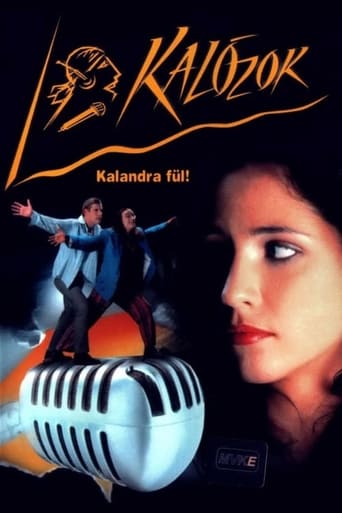 7.6
7.6A pirate radio, the girl next door, and a test of friendship.
Pirates
1999
1980s · 7 titles
6.5A tale of twin girls, Dóra and Lili, who are born in 1880 Budapest at the same moment Thomas Edison presents his electric lightbulb to the world. The sisters are soon orphaned and separated in childhood, and follow different paths: one grows up to be a naïvely idealistic, bomb-toting anarchist, the other a pampered, hedonistic courtesan. Their paths cross once again on the Orient Express on New Year's Eve 1899...
My Twentieth Century
1989
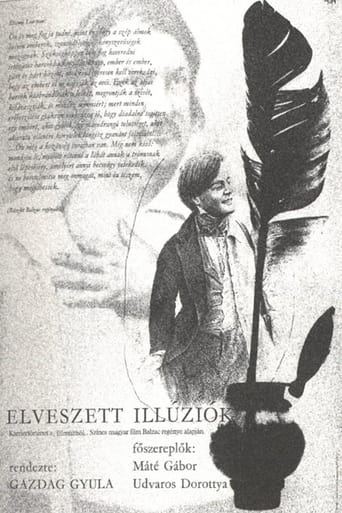 7.0
7.0Via the New York Times: "The Hungarian director Gyula Gazdag has transposed the middle section of Balzac's "Lost Illusions" from Paris in the mid-19th century to the Budapest of 1968... it tells of Laszlo Sardi - Balzac's Lucien Chardon - and his efforts to launch his literary career amid the snobbery and sophistication of a big city."
Lost Illusions
1983
 5.2
5.2The general practitioner Balla and his wife abandoning her higher education begin their common life in the small mountain village in the hope of quick enrichment and return to the capital. Despite Éva and Emma, the two school mistresses longing for love and Demeter, the dove-keeper obsessed with a desire for flight life is boring in the country.
Heart Tremors
1981
Marguerite Gautier, a beautiful Parisian courtesan turned courtesan, falls in love with the son of a country nobleman of modest means. This ardent love makes her give up her former lifestyle and move to the country with the boy. Despite their financial problems, their blissful happiness is interrupted by the appearance of the father, who asks Marguerite to break off her love affair for the sake of the boy. She then returns to Paris and resumes her self-destructive lifestyle, which has a fatal effect on her health. Her lover's heartache only increases when the truth is revealed: she has sacrificed her happiness for his career.
A kaméliás hölgy
1987
 9.0
9.0During World War II Carlotta, the circus owner maintains herself, her lover and her rather run-down circus-team by illegal man-smuggling. In the year of 1944, besides the usual refugees, she even has to take Professor Máté, the renown mathematician to the Yugoslavian partisans. The team is joined by Carlotta's psychotic son who has escaped from an asylum.
Circus Maximus
1980
 10.0
10.0No synopsis available yet.
Hülyeség nem akadály
1986
 5.8
5.8A divorced middle-aged woman takes home an ardent suitor, only to discover that he prefers her teenage son. The mother is an overworked coffee-shop attendant, the suitor turns out to be a plain-clothes policeman and the boy is a frustrated flautist.
Before the Bat's Flight Is Done
1989
Series credits
NRNo synopsis available yet.
Presszó
2008
 NR
NRAs a free adaptation of Voltaire's classic, our Candide tries to win the beloved Cunégonde's heart in different contemporary settings. In the 13 episodes he finds himself in challanging situations, and has to face the cruelty of the world. He follows Master Pangloss's instructions to always stay optimistic, while travelling the world from a Californian start up company through North-Optimistan into deep space. As the novel itself our adaptation is a political and religious satire of our times.
Candide
2018
 NR
NRNo synopsis available yet.
Candide kalandjai
2018