
Acting
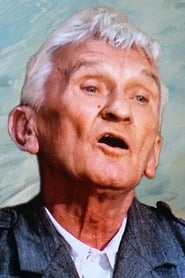
János Rajz
Born — Died
1907-02-12 — 1981-07-20
Place of birth
Budapest, Austria-Hungary [now Hungary]
Known for
Acting
Credits
57 titles
Known for
 8.0
8.0No synopsis available yet.
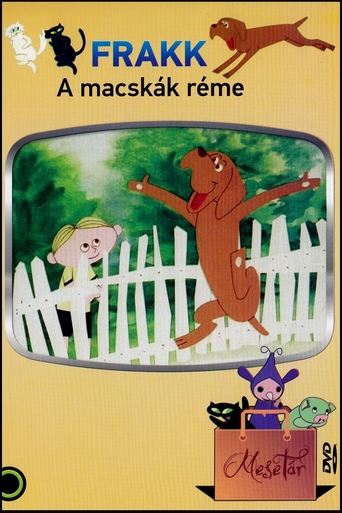
Frakk, a macskák réme
1973
Igéző portrays the life of the unsociable stranger , András, who arrives at the place of his exile and slowly makes friends with Miska, the charcoal-burner.
The Spell
1970
 8.0
8.0No synopsis available yet.
Az ember melegségre vágyik
1973
 NR
NRThe poor little Ferkó is trying to enrich his miserable life with imaginary fairy tale figures and superstitious little stories.
The Magic Jacket
1968
 NR
NRNo synopsis available yet.
Kutyaszerencse
1967
 NR
NRNo synopsis available yet.
May Song
1959
Film credits
1970s · 11 titles
Igéző portrays the life of the unsociable stranger , András, who arrives at the place of his exile and slowly makes friends with Miska, the charcoal-burner.
The Spell
1970
8.0No synopsis available yet.
Az ember melegségre vágyik
1973
 10.0
10.0"Don't give up your dream" - this is how Demjén Ferenc's song goes and Gyuri darts along the endless fields on a white horse. The young crane-operator lives in a small larder-room, where he has to hang his chair on the wall and the tap drips. He has to share his mornings with his two dream "man-hunters", his father and his brother, who feel that he does not belong to them because of his desires and ambitions.
A Lad on White Horse
1973
 10.0
10.0Members of the Wild Goose patrol decide to find the little monkeys stolen from the Zoo. They try to make up for what the unruly adults messed up. They keep bumping into the disguised damned ice-cream vendor, the intriguing Bagaméri, who would like to get the reward set for the finder of the monkeys.
Bowler Hat and Red Nose
1978
The bitter film grotesque focuses on a Socialist Mafioso. Vágó, the enthusiastic young propagandist is put up at Apuka (Daddy) of the outskirts, Dávid. In the hands of Apuka everything becomes money and he skilfully avoids inspection and controls. In order to help his little family, he sells his rabbit husbandry as mutton, he practises usury on and blackmails his tenants, their rooms are operated as cigar stores.
Rabbits in the Cloak-Room
1971
 7.7
7.7Misu is spending his summer holiday in an old block of flats in Budapest. The caretaker of the house, Poldi, a park attendant by occupation, is going to retire in a few days and he is afraid to think ahead of the years to come without grass and trees. An idea comes to Misu to spend the summer in an active way. He organises a working party to sod the inner court of the block of flats they live in. To achieve his plan, he has to make alliances with some people and to win the opponent to the idea, namely Kamilla, an insurance consultant. Their assistants in this mission will be the dustman and the coal deliverer and Piroska, a girl spending her holyday at Kamilla's.
That Lovely Green Grass
1979
Three short stories around the number 12. A postman, a taxi driver and a photo developer connected to 12 on different ways.
12 is a dozen
1974
No synopsis available yet.
Csoszogi, az öreg suszter
1973
 NR
NRFeature film version of the 1971 series. On the eve of the 18th century, County Vicecomes Görgey Pál broods alone in his manor while the town of Leutschau celebrates New Year’s with lead‐casting omens and a disastrous hunt that sparks a bitter feud. As Görgey fights for his honor and life, and the townspeople defend their Saxon privileges, their mutual blind ambition prevents them from seeing the rising light of Rákóczi’s coming rebellion.
The Black City
1972
Ferenc Molnár's cartoons, published in various newspapers in the 1920s and 1930s, were not originally intended for performance. The producers of the show brought them to life with great authorial ideas and sparkling dialogues. Some of the scenes, which touch on the bourgeois life of the time in Pest, may be relevant to today's Pest, and promise to entertain the audience.
Pesti erkölcsök
1970
 7.5
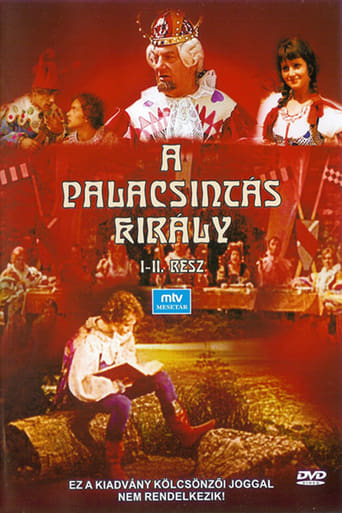
7.5The ruler of the country of Dino-Danom, King Tobias (Zoltán Greguss), announces a pancake-making competition for the girls of the area. He plans to give his son to the one who bakes the best pancakes. As is usually the case in fairy tales, all the enterprising girls fail. Not so with Kökényszemű Katica (Annamária Detre), who eventually wins the competition, but she doesn't want the prince... Meanwhile, Derelye (Flórián Kaló), the evil cook who destroys countries one after another with his gang, is currently robbing the pantry of the country of Dino-Danom, but Prince Elias (Lajos Balázsovits) is determined to put an end to the wastefulness and thievery. He is aided by Csöröge, the loyal fool, and the pancake-making skills of Kökényszemű Katica are of great help in the fight.
The Pancake King
1973
1960s · 22 titles
NRNo synopsis available yet.
Kutyaszerencse
1967
 8.0
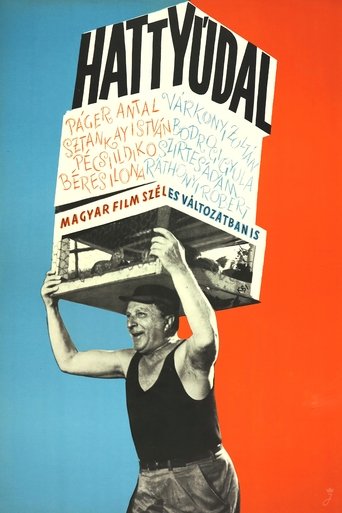
8.0A past world is revived in the little cottage in the outskirts, next to the housing blocks under construction. Tamburás, the old hobo collects swerved youth: Diák, who desires freedom, the bus driver who is deprived of his license for having run over someone, and the rest. They have got an easy and unbound life there, with constant music, small thefts, occasional labour, tricks.
Villa Negra
1963
 6.3
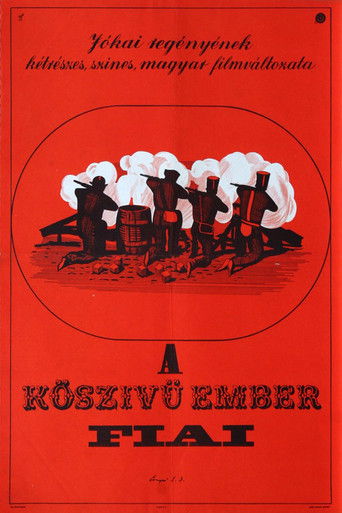
6.3Based on the novel of Mór Jókai. During the Hungarian independence war 1848-49 mother and her three sons trying to leave the road precisely designated by their conservative, stone-hearted father. The way-seeking and rivalry of brothers, Jókai's masterpiece, the cast, delightful scenes give an unforgettable experience.
Sons of the Stone-Hearted Man
1965
 8.8
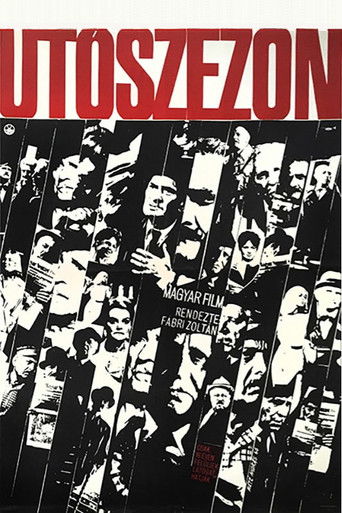
8.8Against the backdrop of the Adolph Eichmann trials, an elderly paraplegic pharmacist is summoned to the police station, where he believes that his hidden wartime guilt has caught up with him, unaware that it is all in fact an elaborate practical joke.
Late Season
1967
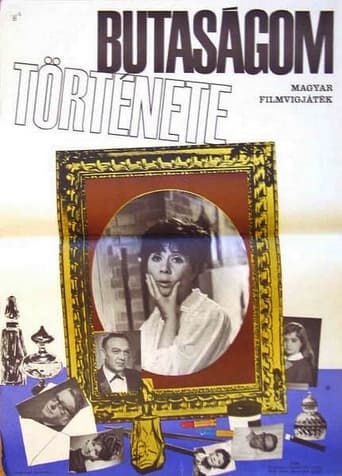 10.0
10.0The celebrated actor considers his wife a nitwits actress of a mediocre talent. But an influential playwright, a friend of theirs, has written a play with the main role designed for her, Kati, particularly. Its title is "The Most Intelligent Woman in the World". On the day of the first night performance Kati recalls their past, the times she had together with her husband.
Story of My Foolishness
1966
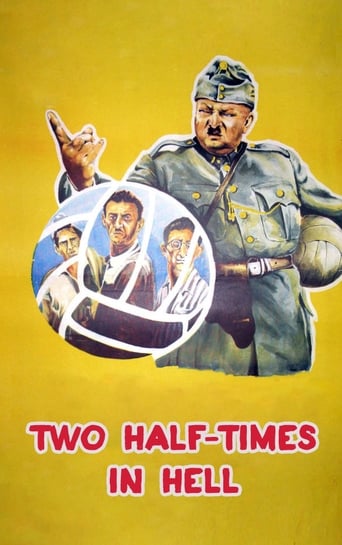 7.7
7.7To celebrate Hitler's birthday, a soccer match is organised between the Germans and a group of Hungarian political prisoners, one of whom is a famous pre-war football star.
Two Half-Times in Hell
1961
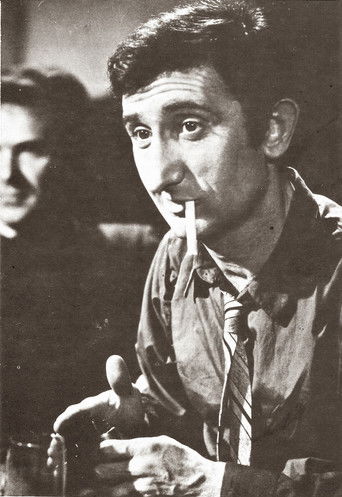 NR
NRMocorgó, the well-meaning worker boy, is a tough guy. In his 40s he is still a mechanic's apprentice, but he is disappointed by his family, women and friends, and becomes a criminal. He goes to prison several times and tells the story of his life to the writer, who follows his story until 1956, until Mocorgó's death.
Mocorgó
1969
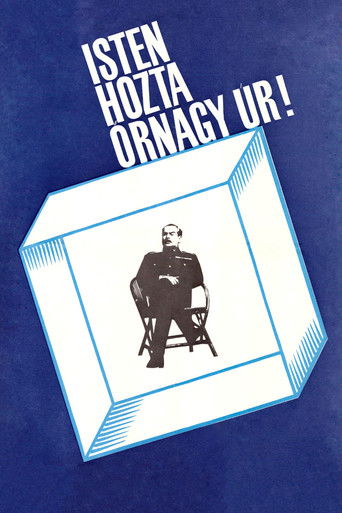 6.9
6.9The Tóth family resides in Northern Hungary. The couple has a daughter and a son, the latter a member of the armed forces. When his weary major is ordered to take a vacation, the son talks him into a visit to his family home. Hilarity ensues when the Tóths go overboard trying to make things pleasant for the visiting major in hopes of an easier life for their son, the soldier.
The Tóth Family
1969
 6.1
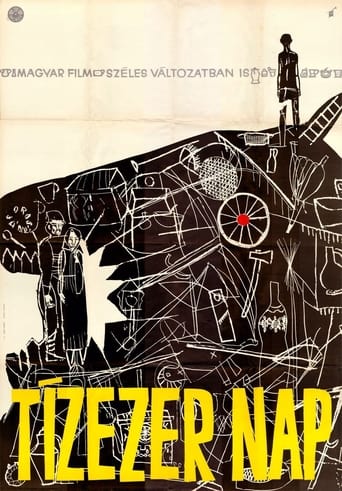
6.1The changing and turbulent history of Hungary is seen through the eyes of three men over a 30-year period in this somber drama. The three recall the highlights of their lives in flashbacks as they reminisce in the mid 1960s. The venerable trio begin their story in the 1930s, through World War II, and the decade beyond the communist invasion of 1956.
Ten Thousand Days
1967
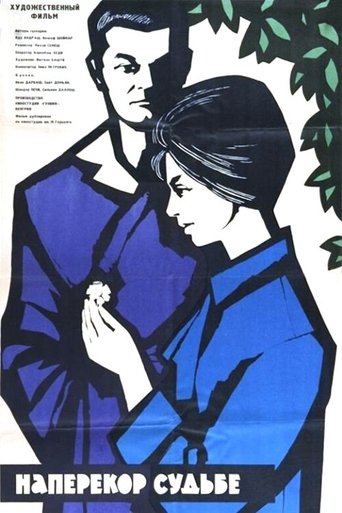
The 16th century Kecskemét troubled by both the Kurutses and the Labancs would like a Bey from the Buda pasha to defend them in exchange for four beautiful girls, but only gets a caftan. It was a good deal, however. All Muslims fall on their knees when they see the magic caftan and fulfil its owner's wish.
The Talking Caftan
1969
 8.0
8.0The story recalling the spirit of Gilgamesh, the Sumerian king quarrelling with his approaching death, takes place in a cancer hospital in Budapest. Dávid, the young ethnography scientist resigned to his lot and is indifferent to his approaching death. His specialist reckons, however, that such a searching and stubborn mind with thorough knowledge of the nature of his own illness, will be able to fight death.
New Gilgames
1963
 NR
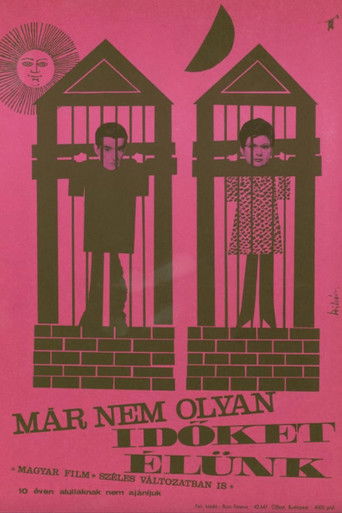
NRThe young engineer and the pretty economist of a commercial company, on assignment in the country together, after having consumed quite a few glasses of brandy, wake up in bed together. As both live a happy family life, they wish to forget their passing adventure, but gossiping starts up around them.
A Strictly Private Affair
1964
 8.0
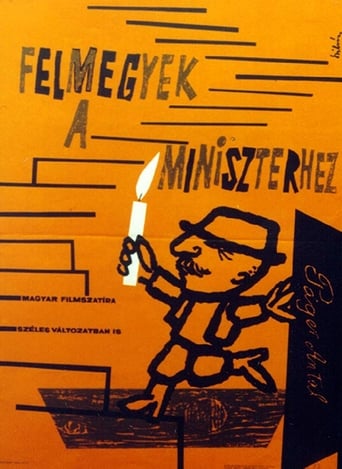
8.0A comedy about the organisation of agricultural co-operatives. In the village of "Rendes", everybody has already entered the co-op, only the stubborn farmer, Bódog Balogh continues to resist. The leadership plays all their tricks and uses all their efforts, but all in vain.
I'll Appeal to the Minister
1962
 7.7
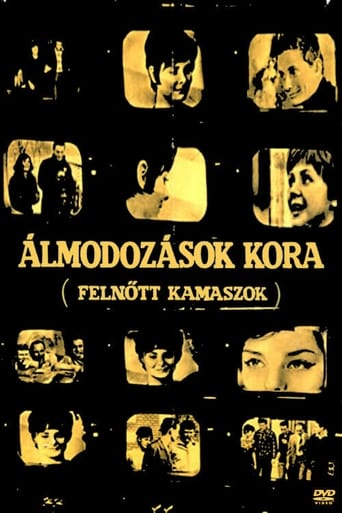
7.7Jancsi is part of a closely knit gang of young engineers. They see the older engineers as mediocre, and have grand ideas about developing new inventions together. With changing living conditions the five friends start to grow apart. At a party Jancsi suddenly meets Éva Halk. They fall in love, and find common memories in the engagement in The Pioneer Railway at the age of 12.
Age of Illusions
1965
 10.0
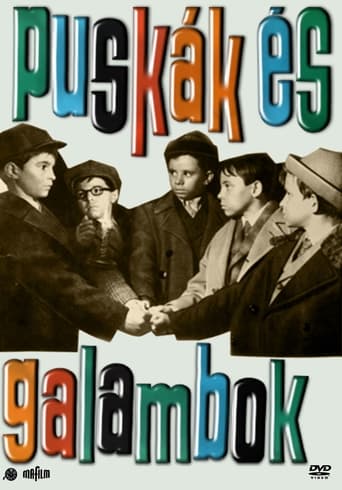
10.01920 in a mining town in the country-side. The team of children led by Ferkó Boda fish guns and a flag of Red soldiers out of the local lake.
Guns and Doves
1961
 6.8
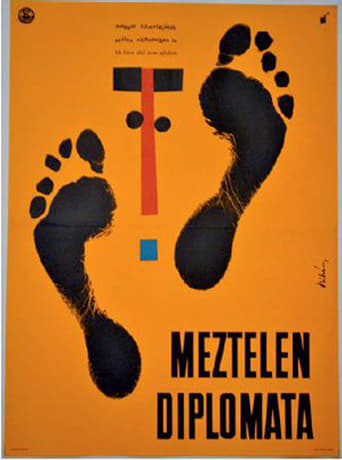
6.8Félix, a somewhat clod-hopping young man, finds himself in the Grand Hotel of Little Lagonda, barefooted and in pyjamas. He is soon followed by a hooded, fat and leggy gangster. This is all the more strange as the hotel is under quarantine with the pretext of a plague-epidemic, in order to make it a suitable ground for the negotiations of certain oil-companies.
The Naked Diplomat
1963
A "fusspot" material handler begins courting the daughter of a supposed "attaché". This leads to complications, but in the end everything is sorted out.
Az attasé lánya
1963
 7.0
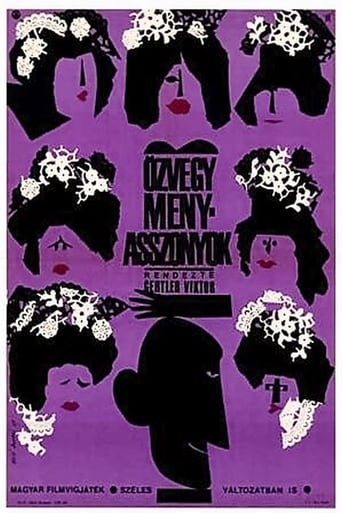
7.0Captain Kovács investigates the case of a taxi driver who was knocked down and later he disappeared without leaving a trace. Responding the call of the police six women present themselves: they all confess to be the fiancée of the driver.
Lady-Killer in Trouble
1964
No synopsis available yet.
Bolondgombák
1968
A country family unbounds by the death of the head of family and they set off for a miners' town under construction, just like their forefathers, "to take the land". As an outpost, the eldest daughter, Anna is sent, who has a stormy past.
Bunny
1963
 NR
NRAnimated adaptation of the tale by Ferenc Móra in which the old king, on the advice of his long-serving shepherd, arranges an archery competition to decide which of his three sons will inherit the crown. The competitors have to hit the centre of a copper penny on which there is the image of the old king.
Prince Walnut
1963
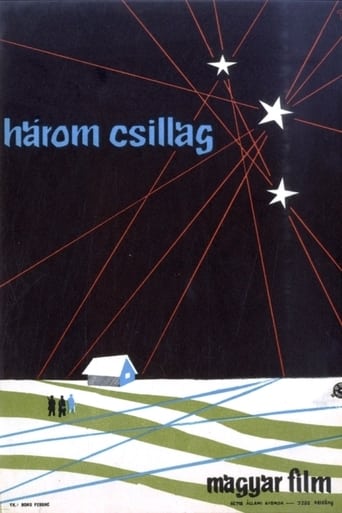 8.0
8.0The film consists of 3 novellas. 1. On the eve of the Soviet advance into Hungary, workers at a military plant risk everything to strike in defiance, displaying unwavering courage and solidarity. 2. During a fierce battle, three Soviet soldiers shelter in a peasant’s hut where a dying mother begs them to baptize her newborn - an act of compassion they fulfill, leaving behind three stars from their caps as a lasting gift. 3. After liberating a Hungarian town, Soviet troops rescue a hidden throng of civilians, huddled in underground tunnels, from imminent Nazi brutality, saving countless lives in the process.
Három csillag
1960
1950s · 21 titles
NRNo synopsis available yet.
May Song
1959
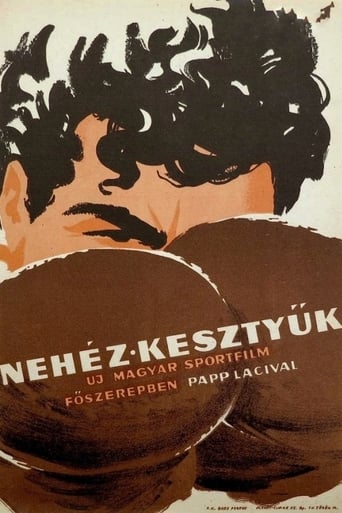 10.0
10.0Laci Ács the two-time Olympic champion boxer suffers his first defeat on an international tour that his coach was heavily against. After a tough period he starts working hard to get back into the ring, win back the coach's trust and win his third gold at the Olympics. Starring real three-time Olympic gold medalist boxing legend László Papp.
Nehéz kesztyük
1957
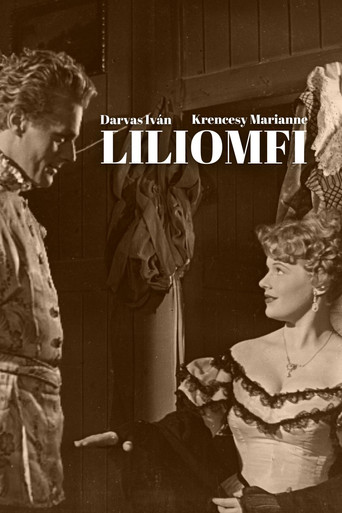 6.9
6.9Set in the "Golden Era" of the wandering Hungarian theatre troupes. Mariska and Liliomfi fall in love without suspecting that Mariska's foster father, Professor Szilvay, is also Liliomfi's uncle. Soon the couple must contend with the professor's plan to make Liliomfi give up his "unrespectable" profession of acting by exposing the professor's hypocrisy, greed, and tyrannical selfishness.
Lily Boy
1955
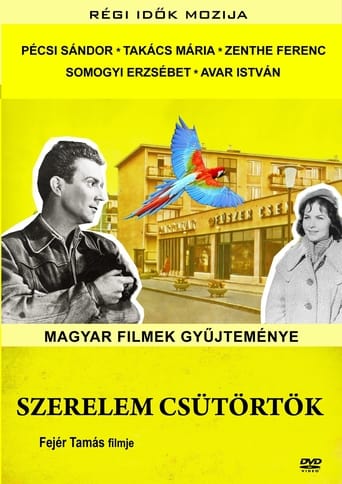 10.0
10.0Éva and Árpi are married, but have no home on their own. On Thursdays, they meet in Árpi's long vehicle. Renting a room from a head tenant would be too expensive. The ad of an old lady found in a newspaper, in which she offers a room free of charge to the person who finds her lost parrot, comes in handy.
Love on Thursday
1959
 9.5
9.5October, 1956. Colonel lieutenant Szabó sends a platoon with the mission of calming the people demonstrating in the town. The platoon is lined up under the command of Lieutenant Csendes and the soldiers aim at the demonstrators. Szusza Kis changes sides, and Csendes is unable to shoot at his childhood mate. They withdraw.
Yesterday
1959
 7.0
7.0Based on the novel of the same name by Lajos Meszterházy about the escape from prison of two communists sentenced to death. The movie is set in 1921, two years after the defeat of the Hungarian Soviet Republic.
Pár lépés a határ
1959
 6.0
6.0This easy-to-take Hungarian drama is also known as Two Wishes. The prinicipal characters are a pair of juvenile delinquents, who may still be redeemable. The sullen duo is befriended by a kindly police inspector, who takes it upon himself to straighten out the boys. What follows cannot be termed surprsingly or innovative, though it is immensely satisfying. Of interest is the fact that a Communist-bloc film would admit to a delinquency problem in the so-called Worker's Paradise. Ket Vallomas was the Hungarian entry in the 1957 Cannes Film Festival.
Two Confessions
1957
 7.5
7.51790, the county of Szerém. József Hajnóczy, a democrat and a reformer is deprived of his position as vice-steward of the county because he is not born a nobleman.
Extinguished Flames
1956
 8.0
8.0Don Juan, the seducer, is cursed by the governor of Seville: he can only live until a woman rejects him. Thanks to this curse, Don Juan has been living in bliss for 400 years when he arrives in Budapest. Of course, in the new city he chooses a new girl to conquer, Kata Lukacs. The experienced heartthrob used all tricks and tricks, but it seems that none of this has an effect on Kata.
The Last Adventure of Don Juan
1958
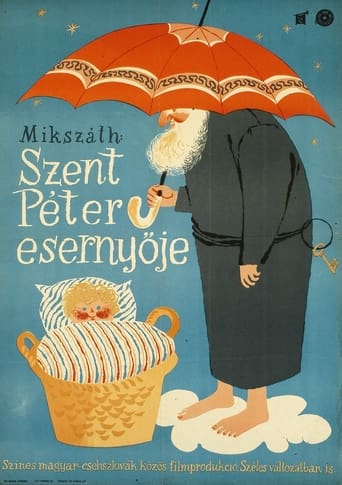 6.3
6.3A comedy about a lost inheritance, love and a red umbrella, which, according to a local legend, belonged to St. Peter himself.
St. Peter's Umbrella
1958
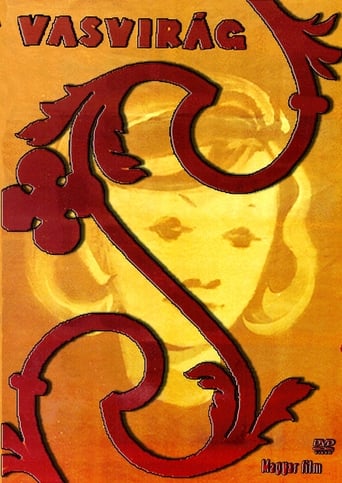 6.6
6.6During the worldwide Depression of the 1930s, a young shopgirl is in love with a man of her own financial class, but succumbs to the seductive machinations of her wealthy boss.
Iron Flower
1958
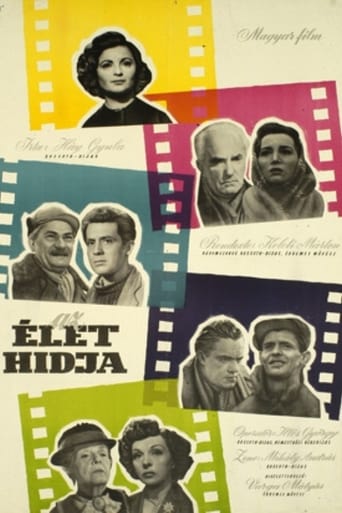 7.0
7.0The war is over, but the Bodog family is starving. Varg's neighbor takes Mihai Bodog with him to do restoration work. They are well paid for this work and Mihai can finally please his wife Erji and their young son. When the workers are later hired to build a bridge, Bodog, a specialist bridge builder, cannot resist the challenge and is hired. But this time the workers are delayed in paying their wages, so their family is once again in need. Erji is forced to look for work...
The bridge of life
1956
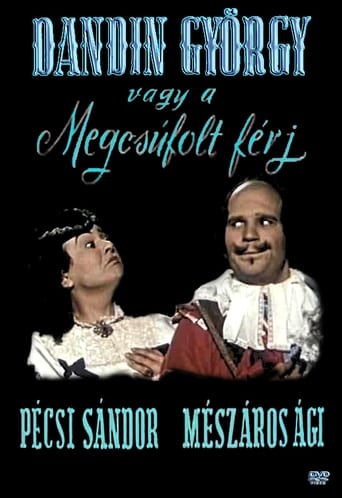 9.0
9.0György Dandin, the rich bourgeois concludes a marriage contract with the noblemen Lükeházy couple who has turned poor: he can marry their daughter in return of a regular financial contribution. Angyalka escapes the undesired husband at their very first night, and furthermore she establishes a secret romantic relationship with Count Klitander who suits her a lot better.
Georges Dandin
1955
 7.5
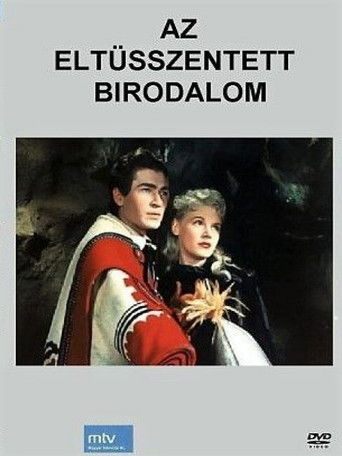
7.5The tyrannical king is afraid of his people. He can only find peace if everyone wishes him well when he sneezes. Catchpoles raid the country and give orders what the king wants.
The Empire Gone With A Sneeze
1956
 9.0
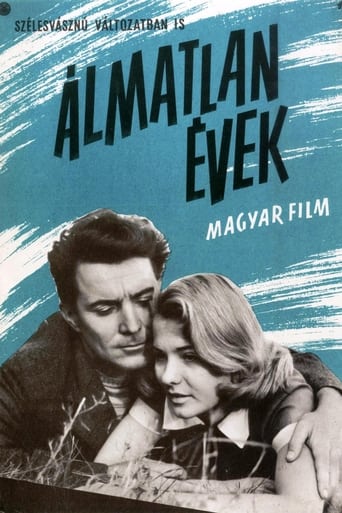
9.0The "sleepless years" in this propaganda piece by director Felix Marlassy occur on Csepel Island, an island south of Budapest that is home to an armaments factory. The factory workers are shown being exploited by imperialists, capitalists gone berserk, and fascists, more or less in that exact chronological sequence. The heavy-handed approach does much to undercut the belief that when socialism finally takes over, the lives of the workers are brought up to a human level. In this instance, audiences might prefer a more nuanced and subtle statement, no matter what the message.
Sleepless Years
1959
 8.0
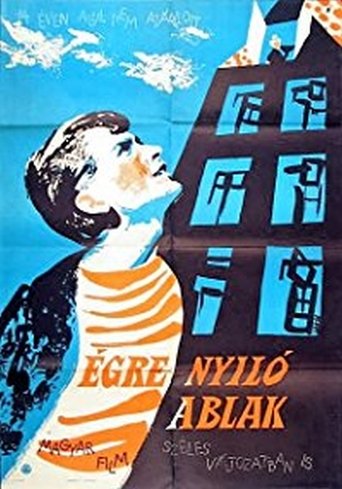
8.0Mrs. Fazekas and her three sons live in a tenement house in the outskirts. The eldest son, Fecó, is saving money in order to buy a washing machine for his mother, while her other two sons spend time by hanging around and playing tricks.
A Window on the Sky
1959
 8.0
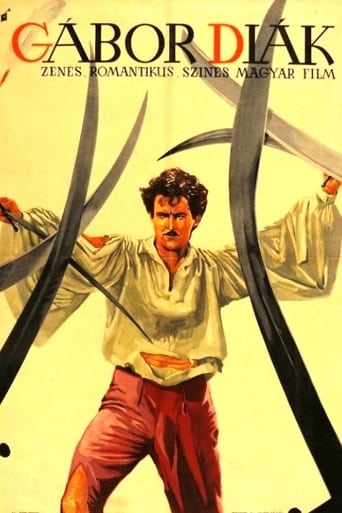
8.0Buda is mastered by the Turks. Student Gábor and his companion flee a troop into the castle, just in the garden of Gül Baba. Gábor and Leila, the daughter of Gül Baba fall in love with each other. Ali pasha, who wants to marry the girl, has the two Hungarians caught in order to let them be executed.
Leila and Gábor
1956
 6.5
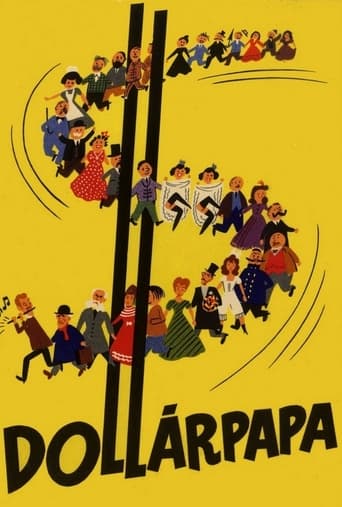
6.5A heavily indebted schoolteacher raising two marriageable daughters is buoyed by rumors that his long-lost uncle in America is a millionaire, until the uncle’s unexpected arrival in poverty sparks a rush of creditors, patrons and fortune-seekers. Ambitious lawyer Jenő Szekeres orchestrates the deception so that the family, the town and himself profit from the false fortune, and even when the truth comes out, everyone, including Szekeres, now eyeing a political career, chooses to uphold the lie.
Dollar Daddy
1956
 7.5
7.5Judge Csanádi András makes a confession to his boss one night: he fell in love with the pretty, modern driver woman, Zenthe Judit in a fencing room. The girl suddenly returned his feelings. One night she confessed to him crying: she hit someone. The case was assigned to Csanádi, who wanted to investigate the circumstances meticulously despite his feelings. Thus the so far hidden life of Judit, which is bound to the past former world and its values is now highlighted. He is confused, asks his boss to absolve him from the assignment, but refuses to do so. Csanádi realises in the court room: Judit kept on telling lies, she played the lover for her own interest. The judge passed his crisis, he will deliver a fair sentence.
Hit and Run
1955
 7.0
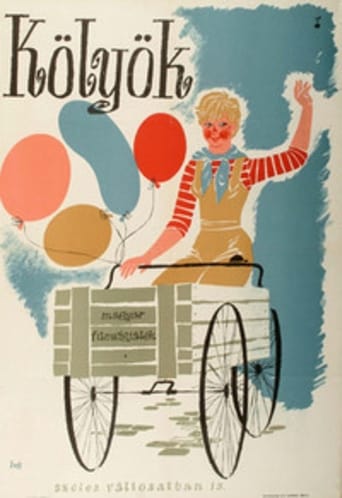
7.0Kölyök, this lovely, ham-handed young woman, has caused many a trouble already in the Dunaújváros Iron Works. Fortunately, however, the manager does not want to give her up, what is more, Kölyök found a second father even at the police.
Our Kid
1959
 7.5
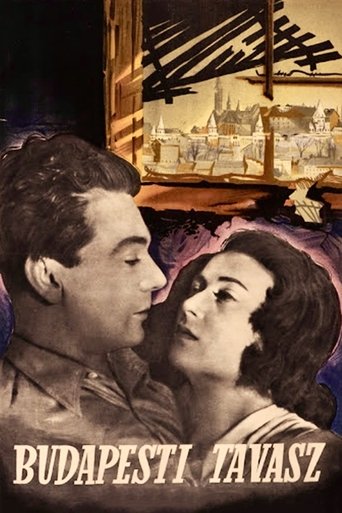
7.5At Christmas Eve in 1944 the runaway Pintér and Gozsó get through the Soviet blockade around Budapest. Pintér intends to hide in a flat abandoned by his own relatives, but he finds his relatives called the Turnovszkys, who are hiding the Jewish Jutka as well. Love unfolds between Zoltán and Jutka.
Springtime in Budapest
1955