
Writing
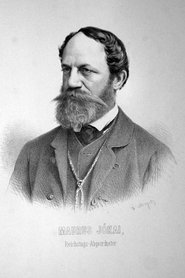
Mór Jókai
Born — Died
1825-02-18 — 1904-05-05
Place of birth
Komárom, Kingdom of Hungary (now Komarno, Slovakia)
Known for
Writing
Credits
8 titles
Móric Jókay de Ásva (known as Mór Jókai; 18 February 1825 – 5 May 1904), outside Hungary also known as Maurus Jokai, was a Hungarian dramatist and novelist. Description above from the Wikipedia article Mór Jókai, licensed under CC-BY-SA, full list of contributors on Wikipedia.
Known for
 10.0
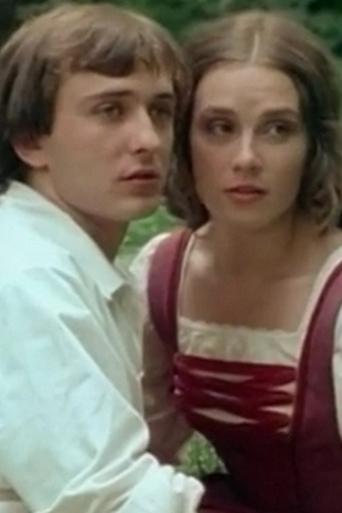
10.0On the road between Enyed and Felvinc, on the bank of a stream, stand two huge willow trees. They are a historical memory. This memory is recalled in the story, from the time of the Kuruc-Laban war. It shows how the students of the college saved the town.
A nagyenyedi két fűzfa
1979
No synopsis available yet.
Az utolsó budai basa
—
No synopsis available yet.
Egy dollár
1923
 8.0
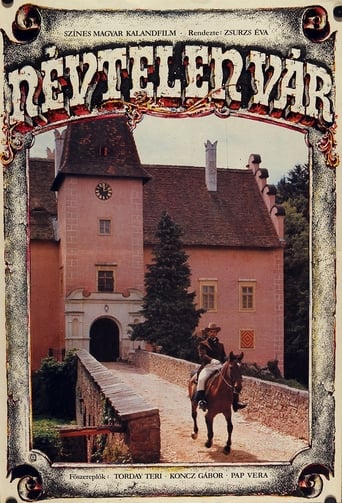
8.0The romantic story takes place in the time of Napoleon in Hungary, near Fertő-lake. Count Vavel hides here the French heiress from the revolution and Napoleon.
The Nameless Castle
1981
 7.0
7.0No synopsis available yet.
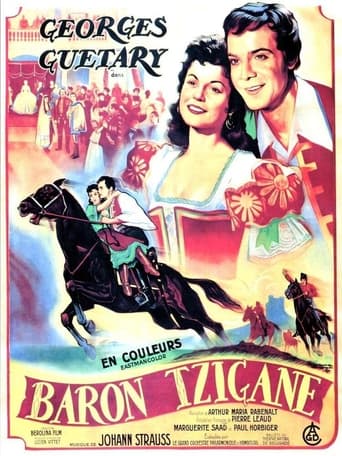
Baron Tzigane
1955
An adaptation of a famous 19th century Magyar novel, "The New Landlord"
The New Landlord
—
Behind the camera
10.0On the road between Enyed and Felvinc, on the bank of a stream, stand two huge willow trees. They are a historical memory. This memory is recalled in the story, from the time of the Kuruc-Laban war. It shows how the students of the college saved the town.
A nagyenyedi két fűzfa
1979
No synopsis available yet.
Az utolsó budai basa
—
No synopsis available yet.
Egy dollár
1923
8.0The romantic story takes place in the time of Napoleon in Hungary, near Fertő-lake. Count Vavel hides here the French heiress from the revolution and Napoleon.
The Nameless Castle
1981
7.0No synopsis available yet.
Baron Tzigane
1955
An adaptation of a famous 19th century Magyar novel, "The New Landlord"
The New Landlord
—
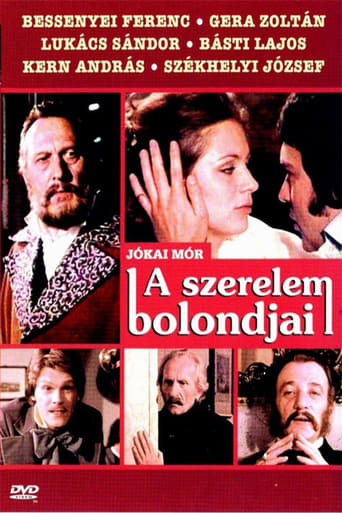 NR
NRNo synopsis available yet.
A szerelem bolondjai
1977
 10.0
10.0Joseph II, the enlightened Austro-Hungarian emperor, entrusts his loyal and confidential subject, Ráby Mátyás, formerly a treasurer, to examine the abuses made by the magistrates of Szentendre and Izbég. Following his old friend, Dacsó Marci's directions, Ráby reveals horrible robberies, tax evasions, frauds, and other illegal acts having been committed against the people.
Captive Ráby
1964