

Production
Luiz Carlos Barreto
Born — Died
1928-05-20 — 2026-07-22
Place of birth
Sobral, Ceará, Brazil
Known for
Production
Credits
74 titles
Luiz Carlos Barreto Borges (Sobral, May 20, 1928) is a Brazilian photographer and film director.
Known for
 9.0
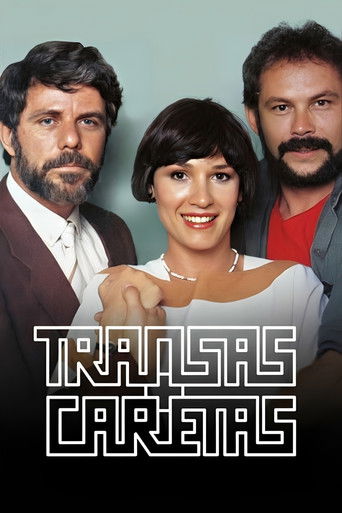
9.0The telenovela tells the story of Francisca Moura Imperial, a wealthy businesswoman, and her two sons: Jordão and Tiago, who show little interest in the family business. Jordão is the product of a whirlwind romance in Francisca's youth, while Tiago was born from her marriage to Roberto, a seductive man who moves in high society but is penniless. Francisca is preoccupied with her sons but cannot interfere in their lives as much as she would like. Eccentric and full of outlandish ideas, she decides to undergo plastic surgery, which makes her look 20 years younger, believing that this will bring her closer to Jordão and Tiago. Francisca's greatest concern is that at least one of her sons will marry and give her a grandchild, thus ensuring the continuation of the family name.
Transas e Caretas
1984
 6.8
6.8After the death of her handsome but good-for-nothing husband Vadinho, Flor, a widow, marries Dr. Teodoro, a respectable gentleman. Hilarity ensues when Vadinho's spirit returns into her life.
Dona Flor and Her Two Husbands
1976
 6.0
6.0No synopsis available yet.
Elza & Mané: Amor em Linhas Tortas
2022
 7.5
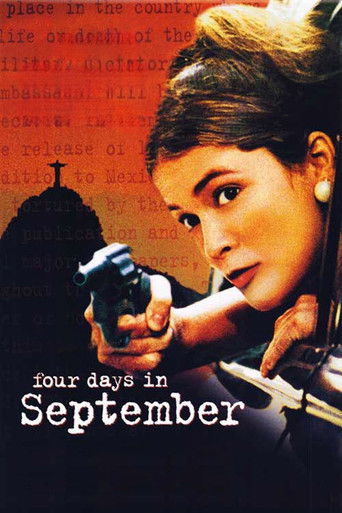
7.5Fernando, a journalist, and his friend César join terrorist group MR8 in order to fight Brazilian dictatorial regime during the late sixties. César, however, is wounded and captured during a bank hold up. Fernando then decides to kidnap the American ambassador in Brazil and ask for the release of fifteen political prisoners in exchange for his life.
Four Days in September
1997
 6.8
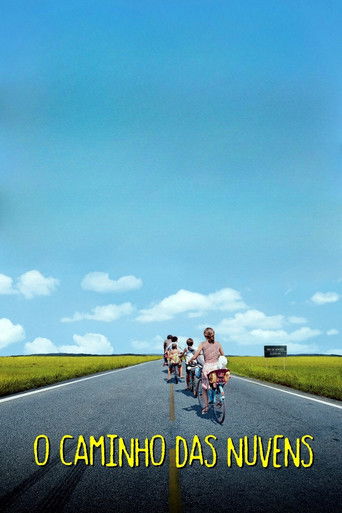
6.8Romão, illiterate and unemployed, feels destiny drawing him on an odyssey to Rio de Janeiro in pursuit of a job and a decent life. A family of seven journeys 2,000 miles across the hinterlands of Brazil on bicycles. Along the way, the story explores the inner dynamics of a family facing a great challenge with the courage to pursue dreams.
The Middle of the World
2003
 6.5
6.5Romantic adventures of a group of Rio de Janeiro teenagers and surfers.
Menino do Rio
1982
Film credits
2020s · 8 titles
 5.0
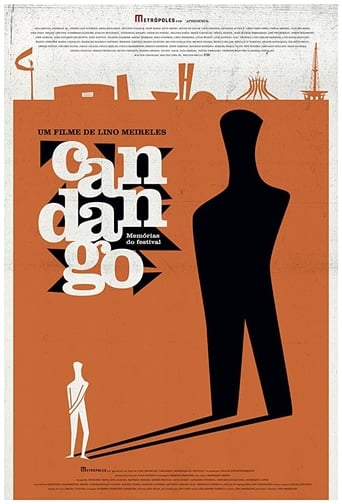
5.0In 1965, a year after the military coup in Brazil, an oasis of freedom opened in the country's capital. The Brasília Film Festival: a landmark of cultural and political resistance. Its story is that of Brazilian cinema itself.
Candango: Memoirs from a Festival
2020
 NR
NRSearching for Makunaima is a cultural and historical account of the most Brazilian character there is in fiction. The film begins with Makunaima, one of the founding myths of the native people from the border between Brazil-Venezuela-Guiana, first captured in the writings of the German ethnographer Koch-Grünberg at the beginning of the 1910s. With interviews in Portuguese, German, Spanish, and in the indigenous languages Macuxi and Taurepang, Searching for Macunaima reclaims this amazing character who represents Brazil in many ways (from literature to cinema to theatre) and remains relevant to date.
Searching for Makunaima
2020
 7.2
7.2A film about remarkable moments in the History of Brazilian Photography, built through the eyes of Lauro Escorel. It also reflects on the impact of digital photography on contemporary society.
Photografaction
2020
 7.0
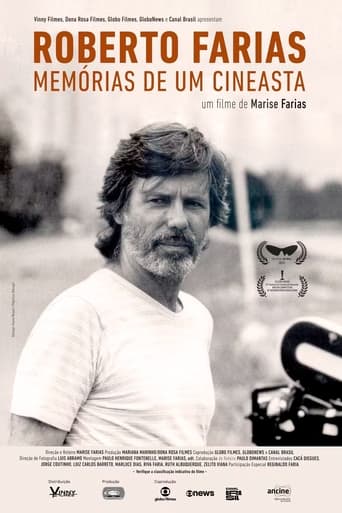
7.0Filmmaker Roberto Farias' passion for cinema is revealed by his daughter Marise Farias through an intimate look, from childhood to his political, economic and cultural role in Brazilian Cinema. Through Roberto Farias himself and friends such as Luís Carlos Barreto, Cacá Diegues and Zelito Viana, the film tells the stories of the director who achieved a direct dialogue with the public through successes such as O Assalto ao Trem Pagador (1962), the trilogy with singer Roberto Carlos (1968 to 1971) and Pra Frente Brasil (1982). Texts from an unpublished book of memories are interpreted by his brother, actor Reginaldo Faria.
Roberto Farias - Memórias de um Cineasta
2023
 7.0
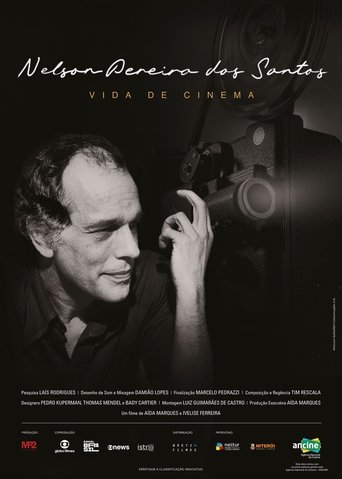
7.0For six decades, the cinema of Nelson Pereira dos Santos has projected Brazil into the eyes of the world. Precursor of Cinema Novo, Nelson was, more than a director, he was an ideologue, a thinker of his country.
Nelson Pereira dos Santos – A Life of Cinema
2023
 NR
NRDiscover the trajectory of Ibrahim Sued, a journalist who revolutionized the Brazilian press during his almost 50-year career, through interviews, photos and films from the personal archive of his daughter, Isabel Sued Perrin.
Ademã – A Vida e as Notas de Ibrahim Sued
2022
 8.2
8.2In 1979, while Brazil was going through the troubled moment of the Amnesty Law, Glauber Rocha directed the program Abertura for TV Tupi, in which he interrogated a contradictory and boiling Brazil head-on, full of utopias but always under the weight of secular wounds.
Race Antenna
2020
 NR
NRNo synopsis available yet.
Barreto, Fotógrafo das Lentes Nuas
2023
2010s · 11 titles
 NR
NRA record of the career and immense contribution of journalist and writer Mario Filho to the development of football in Brazil. Through a poetic and innovative approach, his columns captured the collective passion for the "British sport."
Mario Filho - O Criador das Multidões
2010
 7.5
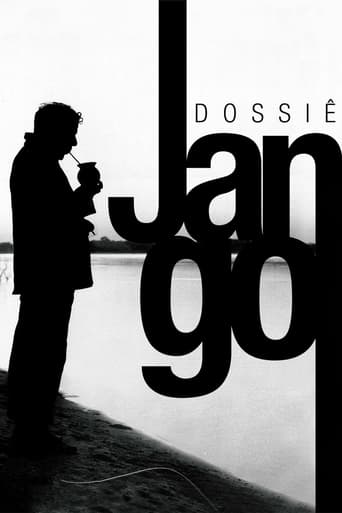
7.5João Goulart (known as Jango) had been democratically elected president of Brazil, but was expelled from office after the coup of April 1, 1964. After that, Jango lived in exile in Argentina, where he died in 1976. The circumstances of his death in the neighboring country were not well explained today. His body was buried immediately after his death, raising the suspicions of premeditated murder. This documentary brings the issue back to the fore and tries to publicly clarify some obscure facts of the history of Brazil.
Dossiê Jango
2013
 10.0
10.0This film seeks to rescue the role of filmmaker Neville D'Almeida by using many rare images, numerous interviews, vast archival and audiovisual material.
Neville D'Almeida: Chronicler of Beauty and Chaos
2019
 NR
NRNo synopsis available yet.
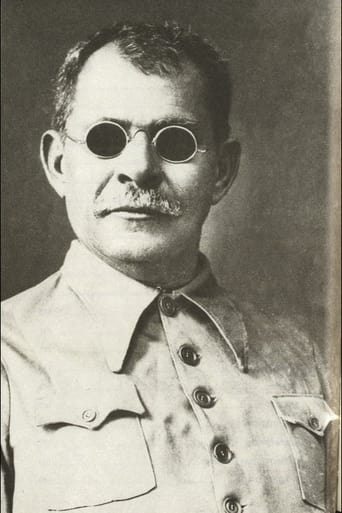
Cego Aderaldo - O Cantador e o Mito
2012
 NR
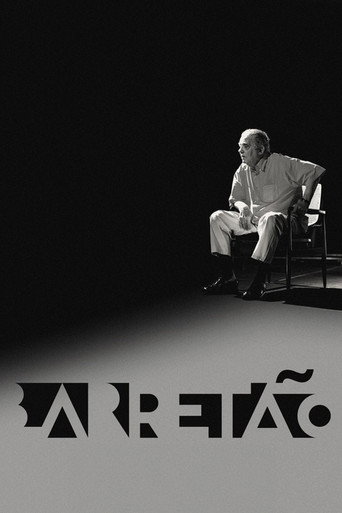
NRA story about how football, cinema, photojournalism and intimidation with power can come together in a protagonist figure in Brazilian history: Luiz Carlos Barreto, better known as "Barretão". Narrated in first person, the documentary explores Barreto's view of himself, recounting his artistic and political trajectory, which blends with the history of Brazilian cinema as a whole.
Barretão
2019
 NR
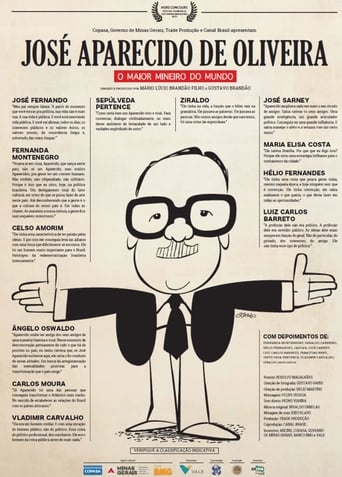
NRDocumentary that chronicles the trajectory of the journalist, federal deputy, secretary of state, minister of state, governor and ambassador José Aparecido de Oliveira, who lived with the greatest authorities and personalities from the political, business and cultural circles in Brazil and the world.
José Aparecido de Oliveira – O Maior Mineiro do Mundo
2019
 5.6
5.6This documentary investigates the aesthetic, political and existential trajectory of emblematic Black Brazilian actor Antônio Pitanga. His career spans over five decades, and he has worked with iconic Brazilian filmmakers Glauber Rocha, Cacá Diegues and Walter Lima Jr. He was a prominent figurehead and outspoken activist during the Brazilian dictatorship, a period of unrest in Brazilian cinema. "Pitanga" deep dives into the world of Antônio and the history of Brazil. The documentary was directed by his daughter Camila Pitanga, one of widely recognised faces in Brazilian television and cinema right now. The film is also a poem, and a tender ode to fatherhood.
Pitanga
2016
 NR
NRThe documentary is an investigation into the life of Mario Wallace Simosen, a man who commanded conglomerates of several companies and was threatened during the Military Dictatorship, when his rights were revoked.
Mario Wallace Simonsen, Entre a Memória e a História
2013
 NR
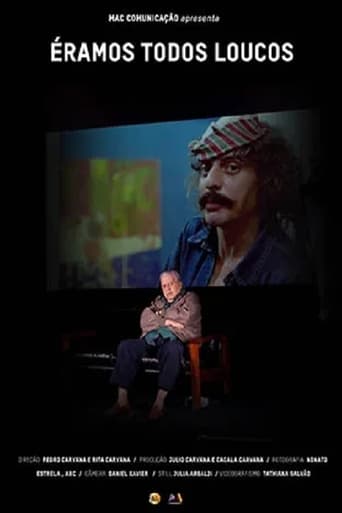
NRA documentary about the production of Hugo Carvana's successful film "Vai Trabalhar, Vagabundo", from 1973.
Éramos Todos Loucos
2014
 6.7
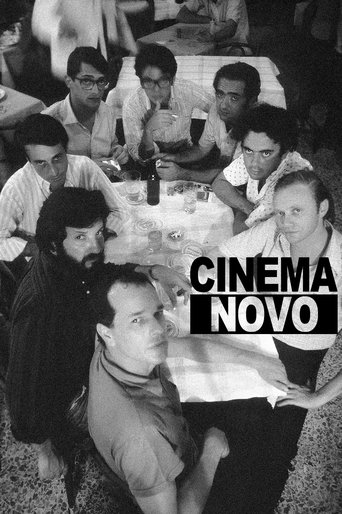
6.7A deep investigation, in the way of a poetic essay, on one of the main Latin American movements in cinema, analyzed via the thoughts of its main authors, who invented, in the early 1960s, a new way of making movies in Brazil, with a political attitude, always near to people's problems, that combined art and revolution.
Cinema Novo
2016
 5.0
5.0This documentary shows a country that has lifted 36 million people out of extreme poverty in 12 years.
3 Meals
2018
2000s · 6 titles
 NR
NRThe film tells a little of the history of Brazil immersed in the caricature of the conditions of making cinema in this country. Flora and Carlos Manoel fall in love. She, from a family linked to the Monarchy, and he, a republican activist, live their love in the last days of the monarchy, without knowing that the end of the empire would also mean the end of their romance.
Suspiros Republicanos ao Crepúsculo de um Império Tropical
2002
 6.3
6.3Documentary about Brazilian filmmaker Glauber Rocha, one of the most important names in the Cinema Novo, with interviews with some of his friends and colleagues.
Glauber Rocha - The Movie, Brazil's Labyrinth
2003
 2.0
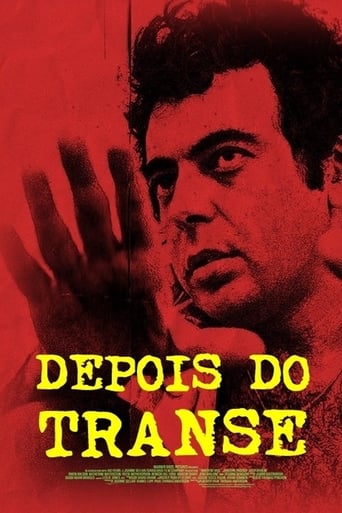
2.0The documentary "Depois do Transe" covers the entire process of creating the masterpiece "Entranced Earth", which was released and awarded at the Cannes Film Festival in 1967. "Entranced Earth" charmed the world and won great admirers such as filmmaker Martin Scorsese and the writer Marguerite Duras, who at the time considered a "fabulous filmic opera."
Depois do Transe
2006
 NR
NRNo synopsis available yet.
Glauber em Tempo - Redescobrindo o Brasil
2000
 NR
NRDocumentary on "Antonio das Mortes", Glauber Rocha's 1969 film.
Milagrez
2008
 6.2
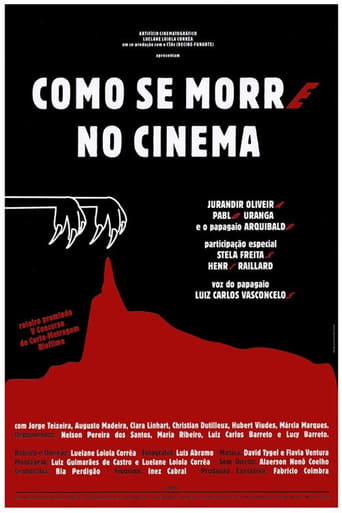
6.2Memories of a parrot who participated in the filming of the classic Vidas Secas, in 1962, where it was featured along the puppy Baleia.
How to Die in Cinema
2002
1990s · 1 titles
1980s · 1 titles

1970s · 2 titles
 7.3
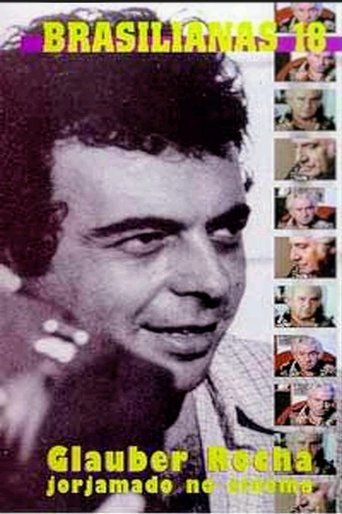
7.3Jorge Amado no Cinema was made for a television program dedicated to the writer Jorge Amado. In this documentary, Jorge Amado is filmed in his home, surrounded by his large family; in a bookstore, during an autograph session of one of his books, in a cinema in Salvador, at the avant-première of the film Tenda dos Milagres, by Nelson Pereira dos Santos, an adaptation of the book of the same name by Jorge Amado. Glauber films his friend with a lot of humor and affection. The camera evolves slowly, incessantly and quickly over the writer, his family members, actors and actresses from Nelson's film, in addition to passing through objects of candomblé rituals that make up Jorge Amado's museum.
Jorge Amado no Cinema
1979
 6.0
6.0One of the most daring and radical shows presented in Brazilian television: "Abertura". It was broadcast between February and October, 1979, with weekly editions, presented by Brazilian filmmaker Glauber Rocha. The video is a compilation of characters, statements, and interviews about the political and cultural situation of the country during the final stages of the Military Dictatorship.
Abertura
1979
Series credits
9.0The telenovela tells the story of Francisca Moura Imperial, a wealthy businesswoman, and her two sons: Jordão and Tiago, who show little interest in the family business. Jordão is the product of a whirlwind romance in Francisca's youth, while Tiago was born from her marriage to Roberto, a seductive man who moves in high society but is penniless. Francisca is preoccupied with her sons but cannot interfere in their lives as much as she would like. Eccentric and full of outlandish ideas, she decides to undergo plastic surgery, which makes her look 20 years younger, believing that this will bring her closer to Jordão and Tiago. Francisca's greatest concern is that at least one of her sons will marry and give her a grandchild, thus ensuring the continuation of the family name.
Transas e Caretas
1984
6.0No synopsis available yet.
Elza & Mané: Amor em Linhas Tortas
2022
 10.0
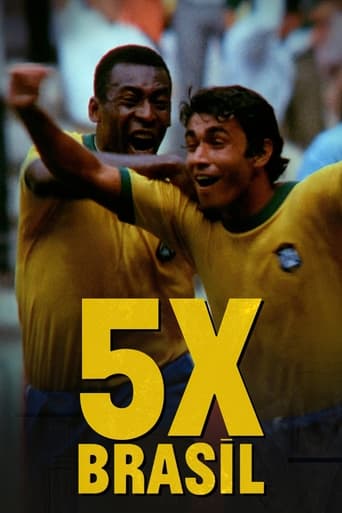
10.0No synopsis available yet.
5x Brasil
2022
 9.0
9.0Documentary portrays the crisis following the resignation of Brazilian President Jânio Quadros and the attempted coup to prevent João Goulart from taking office, which was contained with the adoption of parliamentarism.
1961
2025
Behind the camera
6.8After the death of her handsome but good-for-nothing husband Vadinho, Flor, a widow, marries Dr. Teodoro, a respectable gentleman. Hilarity ensues when Vadinho's spirit returns into her life.
Dona Flor and Her Two Husbands
1976
7.5Fernando, a journalist, and his friend César join terrorist group MR8 in order to fight Brazilian dictatorial regime during the late sixties. César, however, is wounded and captured during a bank hold up. Fernando then decides to kidnap the American ambassador in Brazil and ask for the release of fifteen political prisoners in exchange for his life.
Four Days in September
1997
6.8Romão, illiterate and unemployed, feels destiny drawing him on an odyssey to Rio de Janeiro in pursuit of a job and a decent life. A family of seven journeys 2,000 miles across the hinterlands of Brazil on bicycles. Along the way, the story explores the inner dynamics of a family facing a great challenge with the courage to pursue dreams.
The Middle of the World
2003
6.5Romantic adventures of a group of Rio de Janeiro teenagers and surfers.
Menino do Rio
1982
 6.1
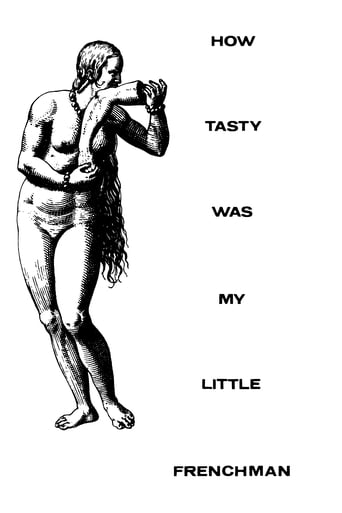
6.1In 1594 Brazil, a frenchman becomes a prisoner of the Tupinambás. While waiting to be executed, the foreigner learns the habits of the indigenous people and joins a woman who tries to help him escape.
How Tasty Was My Little Frenchman
1971
 7.7
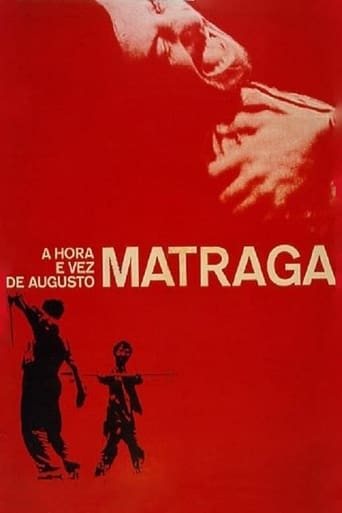
7.7Augusto Matraga is a violent agressive farmer who, after being betrayed by his wife and trapped by several enemies, is beaten up and left for dead, being rescued by a couple of humble small farmers who nurse him for a long time until he is well again. Influenced by the couple, Matraga starts a long penitent life while waiting for his hour and chance to payback, starting a fight between his violent nature, his hidden desire of vengeance and the mysticism and goodness which is also part of him.
The Hour and Turn of Augusto Matraga
1965
 7.4
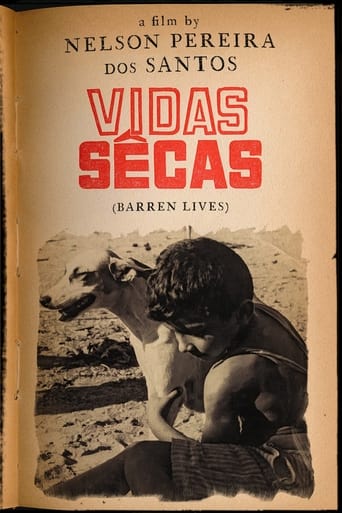
7.4A destitute family tries to escape the drought in the backlands of northeastern Brazil. Fabiano (Átila Iório), Sinhá Vitória (Maria Ribeiro), their two children and their dog Baleia wander aimlessly and almost hopelessly through the remote interior, surviving the forces of nature and the cruelty of men. An adaptation of the work by Graciliano Ramos.
Barren Lives
1963
 5.4
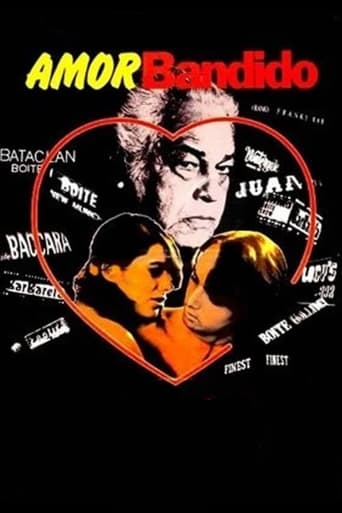
5.4Police investigator Galvão is pursuing two trails, one professional and one personal. While he looks for a serial killer, he also searches for his estranged daughter, Sandra, whom he kicked out of the house. Lives intersect when the serial killer, Toninho, befriends Sandra, now an exotic dancer and prostitute living and working in the seamy underside of late 1970s Rio.
Amor Bandido
1979
 5.5
5.5After a chance encounter on the elevator, the lives of Mary Ann, a widowed English teacher, and Pedro, a recently divorced man, intersect against the hot backdrop of Rio de Janeiro.
Bossa Nova
2000
 6.8
6.8The Caravana Rolidei rolls into town with the Gypsy Lord at the mike: he does magic tricks, the erotic Salomé dances, and the mute Swallow performs feats of strength. A young accordion player is completely enamored of Salomé, and he begs to come along. The Gypsy Lord shrugs, and the accordionist and his pregnant wife, Dasdô, join the troupe.
Bye Bye Brazil
1980
 4.7
4.7After witnessing the assassination of her parents, Luzia is raised by a cowboy and starts behaving like the men of Brazilian "Sertão". As a grown-up, she sets out to find her parent's murderer, but ends up discovering love.
Luzia Homem
1988
 6.8
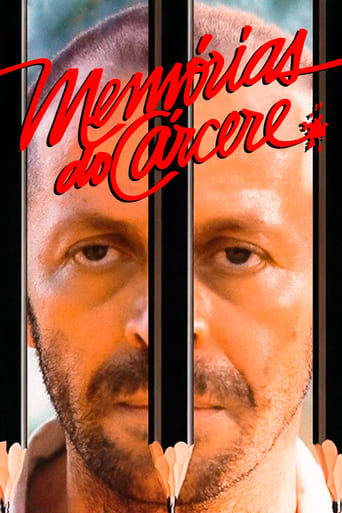
6.8In the 1930s, novelist and politician Graciliano Ramos is accused of being a communist sympathizer. He is then arrested and sent to the Ilha Grande prison, where he experiences the disturbing treatment reserved for common prisoners.
Memories of Prison
1984
 6.5
6.5An unhappily married cleaning woman in the slums of Rio entices all the money and gifts she can out of an elderly widower.
The Story of Fausta
1988
 7.2
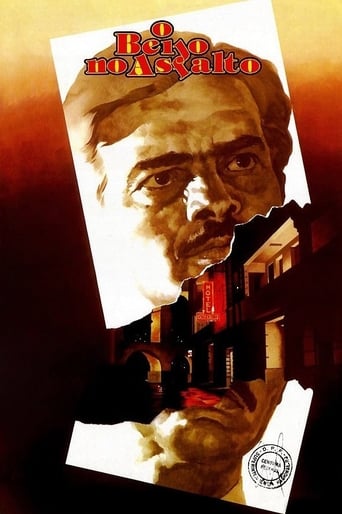
7.2When a pedestrian is hit by a bus, the simple clerk Arandir runs and kisses the moribund in a gesture of sympathy and unconditional pure love. Opportunist photographer Amado Pinheiro witnesses the scene and sees the opportunity to sell newspaper and, together with the despicable and abusive chief of police Cunha, accuses Arandir of homosexuality.
The Kiss
1981
 6.0
6.0General's daughter, who lives with her boyfriend without being married, gets in trouble when her conservative father decides to visit her. A friend decides to help them, but things only get worse.
Toda Donzela Tem Um Pai Que é Uma Fera
1966
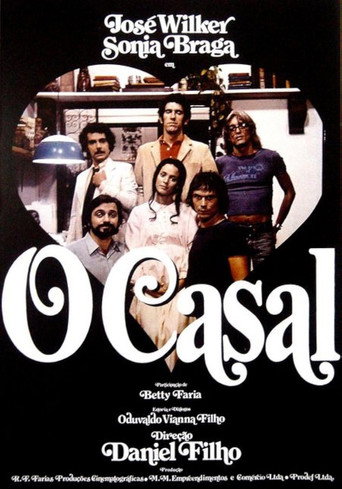 9.0
9.0The story of the first steps of a very young couple. Their love is great, as are the financial obstacles and an unexpected pregnancy.
O Casal
1975
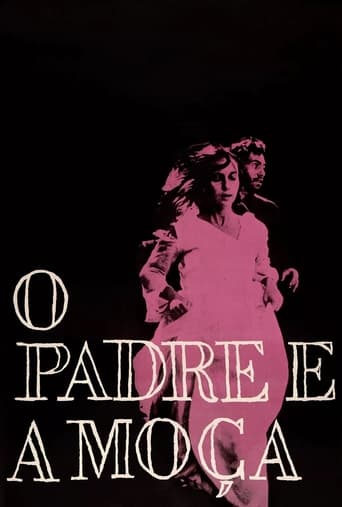 7.0
7.0In a small town in Minas Gerais, the arrival of a young priest causes a commotion in the conservative atmosphere of the place, aggravated by the sudden attraction this priest feels for a beautiful girl. This forbidden love affair soon turns into an unbridled passion.
The Priest and the Girl
1966
 6.2
6.2According to an amazonian legend, every month, during the full moon, a brazilian fishing village receives a mysterious guest: the Dolphin, who transforms into a human to seduce and be loved by women and hated by men. One of her conquests is the daughter of a fisherman, who has a son with the Dolphin. He constantly reappears to seduce her, and even when she marries, he continues to look for her. This provokes the ire of the husband, who wants to kill him anyway.
The Dolphin
1987
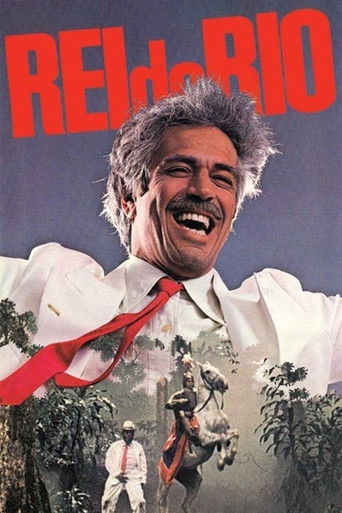 5.5
5.5Two friends get rich running an illegal gambling business. But soon they start to compete, and become rivals.
The King of Rio
1985
 5.2
5.2In the 19th century, a country girl is seduced by a young doctor who's staying at her house for a few days, caring for her, and tries to hide the forbidden romance from her father, who disapproves of the relationship.
Innocence
1983
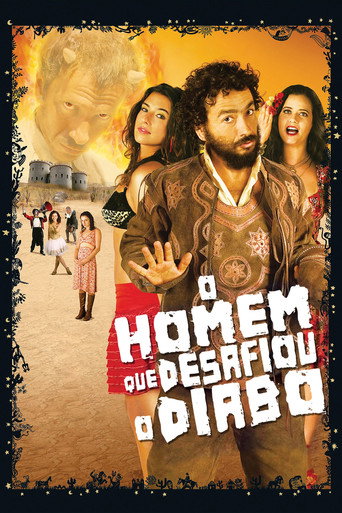 6.9
6.9After being forced into a marriage and enduring a humiliating work routine in the hands of his father-in-law, Zé Araújo becomes the mythical Ojuara, an unconventional hero devoted to debauchery.
The Man Who Challenged the Devil
2007
 5.0
5.0A military man picks up a Native Brazilian woman and heads to a gold panning site where he has undisclosed business to attend to.
Índia, a Filha do Sol
1982
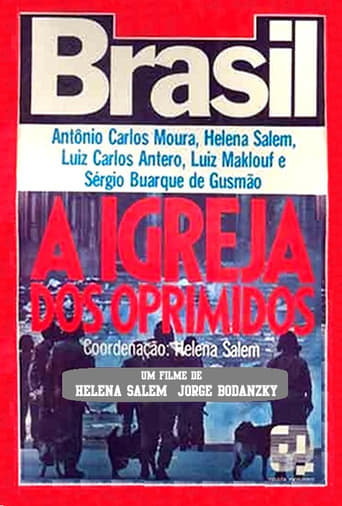 8.0
8.0Documentary that tells several stories: of the struggle of rural workers in Conceição to recover their union; of Dona Mariquinha, widow of a murdered squatter and her miraculous effort to survive with her six children; de Rosa and community work in the Olaria neighborhood; the peasant Pé de Ouro and his family living in extreme poverty; de Oneide, the widow of Gringo, the rural leader killed by gunmen when he disputed in 1980 the presidency of the Sindicato de Conceição, etc.
A Igreja dos Oprimidos
1986
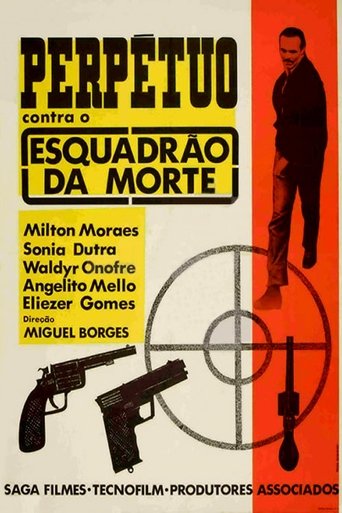 9.0
9.0Inspired by the life of one of the most famous policemen in the history of Brazil: detective Perpétuo de Freitas, immortalized in the annals of Brazilian criminal history for relentlessly pursuing and without the slightest assistance of the Rio police force one of the most wanted criminals in the country.
Perpétuo Contra o Esquadrão da Morte
1967
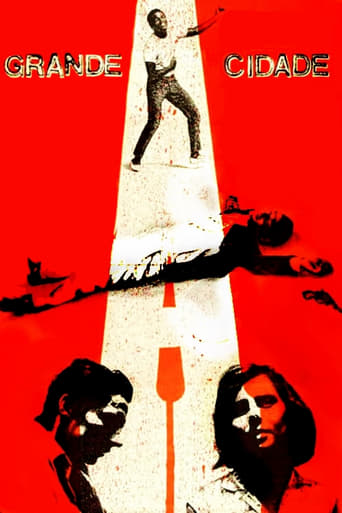 6.4
6.4In search of a better life, Luzia leaves the Northeast of Brazil and goes to Rio de Janeiro, looking for her fiance who went first to pave their way. Alone in the Marvelous City, she is forced to accept the friendship and protection of Calunga and, later, the company of Inácio.
The Big City
1966
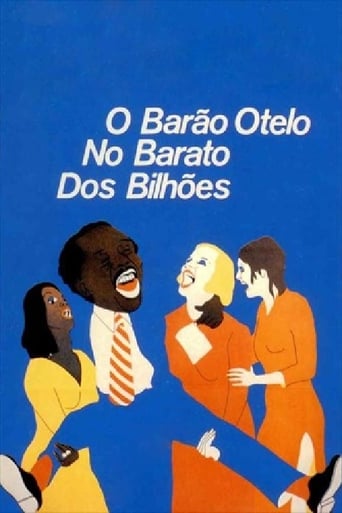 5.7
5.7João-Sem-Direção knows Carvalhaes that proposes a blow to him. John does not accept the proposal, but ends up earning a hefty cash in the game.
O Barão Otelo no Barato dos Bilhões
1971
No synopsis available yet.
Emboscada
1971
 6.4
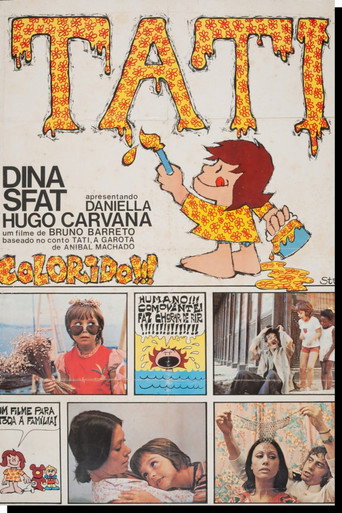
6.4The seamstress Manuela, Tati's single mother, moves from the suburbs to Copacabana but faces severe financial difficulties. A friend of Manuela's sometimes fills in for Tati's father, giving the girl temporary happiness.
Tati, a Garota
1973
 6.3
6.3No synopsis available yet.
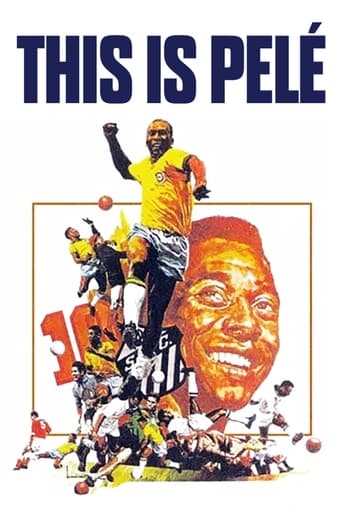
This Is Pelé
1974
 6.6
6.6Year 2000. Brazil was partially devastated by the Third World War. An immigrant family arrives in a small town, which they call "I Forgot." The trio is recruited by an indigenist to pretend to be indigenous during the visit of a general. In the dilemma of integrating into the system or preserving individual freedom, the family moves toward disintegration as the city prepares to launch a space rocket.
Brazil Year 2000
1969
One of Brazil's most popular contemporary dance ensembles, Grupo Corpo combines Afro-Brazilian movements with ballet and modern dance to create an innovative and visually dynamic stage performance unlike any other. Documentarian Jürgen Wilcke gives viewers a glimpse into the inner workings of this world-renowned troupe as the 19 dancers prepare to wow audiences around the globe with their energetic presentations of grace and passion.
Grupo Corpo: Dance Theatre from Brazil
2007
 4.2
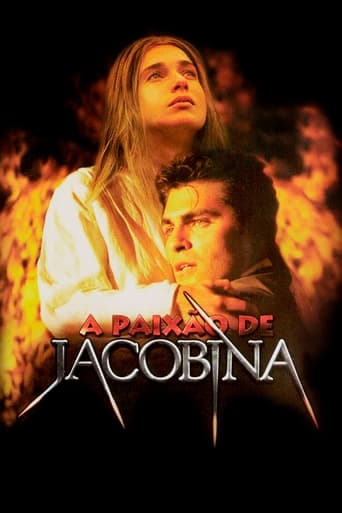
4.2In the mid-1870s, Jacobina, daughter of German immigrants, became leader of a sect that believed in healing the body by cleansing the soul. After having a divine vision and speaking to Jesus, she changes her appearance and manners, disturbing the conservative population of the place. After the death of opponents of her sect, local authorities decide to take action against her and her followers.
A Paixão de Jacobina
2002
 9.0
9.0Expedito, after being abandoned by his parents, became Zefa's adopted son until he became a man and started earning his living as an independent fisherman. As soon as he finds out that Zefa is very ill, Expedito runs back home and finds his adoptive mother in agony. At the edge of the bed, a mysterious woman, who claims to be Death, sits.
Tatu Bola
1971
 9.0
9.0From Ceará to Bahia, passing through Rio Grande do Norte, Paraíba and Pernambuco (and with the counterpoint of the Northeastern diaspora in São Paulo and Rio de Janeiro), the documentary seeks to survey the contemporary Northeastern imaginary: a mixture of the most rich or archaic regional traditions with influences from the more modern mass culture of the era of globalization.
2000 Nordestes: O que Era Realidade Não É Mais uma Realidade
2001
 4.0
4.0Rich and spoiled kid, frustrated for not being chosen to join the soccer lessons his idol Zico was going to give, asks his father to clone the player. But a small girl smells something fishy going on and asks her friends to help save the Brazilian soccer star.
Uma Aventura do Zico
1998
 4.3
4.3As soon as Mauro, an Administration student, discovers a strong vocation for mediumship, he drops everything to go deeper and dedicate himself to Umbanda, a religion he embraces so strongly that it makes him give up his studies. Determined to open his own spiritist center, Mauro moves to the countryside.
Prova de Fogo
1980
 6.8
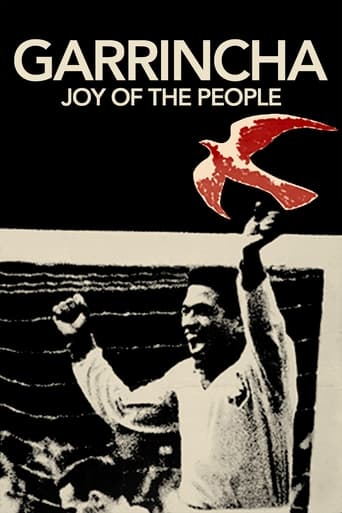
6.8Documentary about the most famous dribbler in Brazilian Soccer (some say in Soccer's history!) at the zenith of his career, showing classic scenes of 1958 and 1962 World Cup. Garrincha was a very original and talented player, having curved legs. Women and alcohol were his passion, and the cause of his later decadence. After a glorious career, he died in financial misery, forgotten.
Garrincha: Joy of the People
1962
6.8Documentary about the most famous dribbler in Brazilian Soccer (some say in Soccer's history!) at the zenith of his career, showing classic scenes of 1958 and 1962 World Cup. Garrincha was a very original and talented player, having curved legs. Women and alcohol were his passion, and the cause of his later decadence. After a glorious career, he died in financial misery, forgotten.
Garrincha: Joy of the People
1962
The love story of a couple, from youth to old age.
A História de José e Maria
1977
 4.6
4.6A German governess is hired to give German and piano lessons to the teenager son of a rich traditional family, in the 20s. But soon they get involved, and she teaches him love lessons instead.
Love Lesson
1975