

Directing
Nelson Pereira dos Santos
Born — Died
1928-10-22 — 2018-04-12
Place of birth
São Paulo, Brazil
Known for
Directing
Credits
78 titles
Nelson Pereira dos Santos ComRB • OMC (São Paulo, October 22, 1928 — Rio de Janeiro, April 21, 2018) was a Brazilian film director, producer and screenwriter. Having been one of the founders of the Cinema Novo movement, his production spans a period of 60 years in the history of Brazil. Considered one of the most important filmmakers in the country, he was strongly influenced by the works of the 1930s generation of Brazilian literary modernism, having adapted works by Graciliano Ramos and Jorge Amado for cinema. His film Vidas Secas, based on Graciliano's novel, is one of the most awarded Brazilian films of all time, being recognized as a masterpiece. In 2006, he was elected Immortal by the…
Known for
 8.0
8.0Conducted from interviews with personalities who lived with Leila Diniz (1945-1972), the documentary is a record of an era and, above all, it rescues the participation in Brazilian culture of the actress who opened the way for the sexual revolution during the dark years of the dictatorship.
Já que Ninguém me Tira Para Dançar
2021
 NR
NRTwo years of research and visits to collections, cinematheques and museums; almost seventy interviews that generated 30 hours of recorded material; more than two hundred scanned photos and more than one hundred films watched. In total, more than a thousand hours of work were needed to prepare Brazilian Cinema in the 20th Century. The work is a fascinating journey through all the cinematic cycles that Brazil lived, from the pioneering Belle Époque, through the great studios like Atlântica and Cinédia, Cinema Novo, the urban comedies of the 70's, until the resumption in the late 90's. The documentary is unique, it gives the floor to who really wrote and lived this story intensely.
Brazilian Cinema in the 20th Century
2017
 6.1
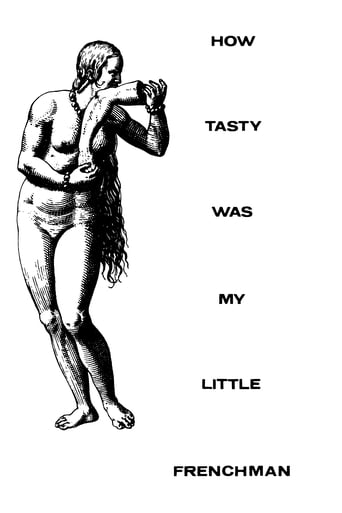
6.1In 1594 Brazil, a frenchman becomes a prisoner of the Tupinambás. While waiting to be executed, the foreigner learns the habits of the indigenous people and joins a woman who tries to help him escape.
How Tasty Was My Little Frenchman
1971
 7.0
7.0Half a century ago, Brazilian composer and musician Antonio Carlos "Tom" Jobim (1927-1994) introduced bossa nova to a worldwide audience with "The Girl from Ipanema." This relaxed, cool, sensuous music blended jazz and samba. After recording an album of songs by his friend Jobim, Frank Sinatra is reported to have said, "I haven't sung so quietly since I had laryngitis." Naturally, "The Girl from Ipanema" and Frank Sinatra are featured in this musical collage of countless seamlessly edited excerpts of concert footage that cover decades of events all over the world: from Rio de Janeiro to Lisbon, Paris, Copenhagen, Jerusalem, Tokyo, Montreal, New York and back to Rio.
The Music According to Tom Jobim
2012
 5.0
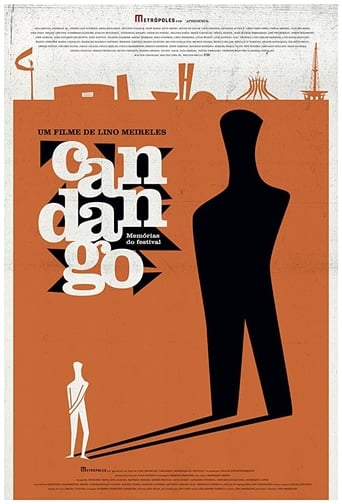
5.0In 1965, a year after the military coup in Brazil, an oasis of freedom opened in the country's capital. The Brasília Film Festival: a landmark of cultural and political resistance. Its story is that of Brazilian cinema itself.
Candango: Memoirs from a Festival
2020
 7.9
7.9Seventy critics and filmmakers discuss cinema around the conflict between the artist and the observer, the creator and the critic. Between 1998 and 2007, Kléber Mendonça Filho recorded testimonies about this relationship in Brazil, the United States and Europe, based on his experience as a critic.
Critic
2008
Film credits
2020s · 6 titles
8.0Conducted from interviews with personalities who lived with Leila Diniz (1945-1972), the documentary is a record of an era and, above all, it rescues the participation in Brazilian culture of the actress who opened the way for the sexual revolution during the dark years of the dictatorship.
Já que Ninguém me Tira Para Dançar
2021
5.0In 1965, a year after the military coup in Brazil, an oasis of freedom opened in the country's capital. The Brasília Film Festival: a landmark of cultural and political resistance. Its story is that of Brazilian cinema itself.
Candango: Memoirs from a Festival
2020
 NR
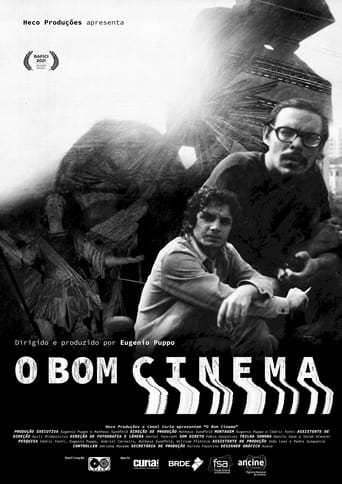
NRAn authentically marginal cinema created in Catholic university in Brazil. One of the most intriguing and imaginative moments in modern cinema in the voice of some of its select conspirators—with Carlos Reichenbach at the lead—, and through the most razing flow of images that can possibly be conceived.
The Good Cinema
2021
 7.0
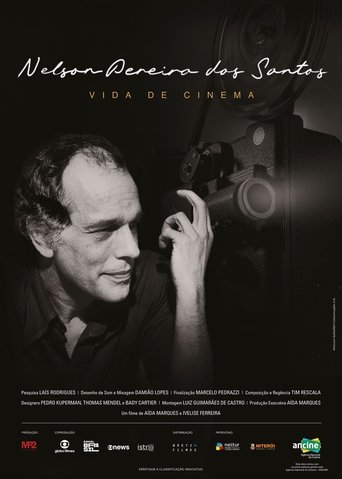
7.0For six decades, the cinema of Nelson Pereira dos Santos has projected Brazil into the eyes of the world. Precursor of Cinema Novo, Nelson was, more than a director, he was an ideologue, a thinker of his country.
Nelson Pereira dos Santos – A Life of Cinema
2023
 NR
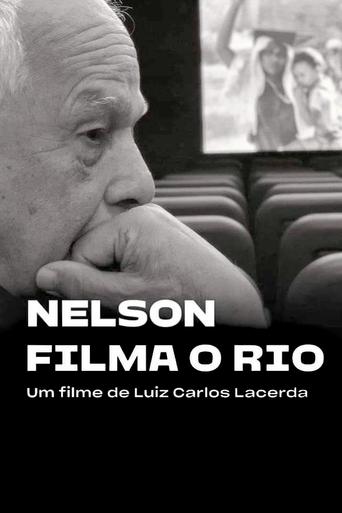
NRThe city of Rio de Janeiro in the films of Nelson Pereira dos Santos contextualized by critic Rodrigo Fonseca.
Nelson Filma o Rio
2021
 NR
NRNo synopsis available yet.
Amuleto
2025
2010s · 9 titles
NRTwo years of research and visits to collections, cinematheques and museums; almost seventy interviews that generated 30 hours of recorded material; more than two hundred scanned photos and more than one hundred films watched. In total, more than a thousand hours of work were needed to prepare Brazilian Cinema in the 20th Century. The work is a fascinating journey through all the cinematic cycles that Brazil lived, from the pioneering Belle Époque, through the great studios like Atlântica and Cinédia, Cinema Novo, the urban comedies of the 70's, until the resumption in the late 90's. The documentary is unique, it gives the floor to who really wrote and lived this story intensely.
Brazilian Cinema in the 20th Century
2017
 NR
NRFollows the story of Opinião, a theatre group created in 1964 during the early Brazilian dictatorship period to oppose the government through artistic performances. Considered the first left-wing response to the dictatorship, the group gathered now famous Brazilian artists such as Nara Leão, Maria Bethânia, João do Vale and Millôr Fernandes.
Memórias do Grupo Opinião
2019
 NR
NRA documentary on Cosme Alves Netto (1937-1996), former head of the Cinematheque of the Museum of Modern Arts at Rio de Janeiro.
Tudo Por Amor ao Cinema
2015
 NR
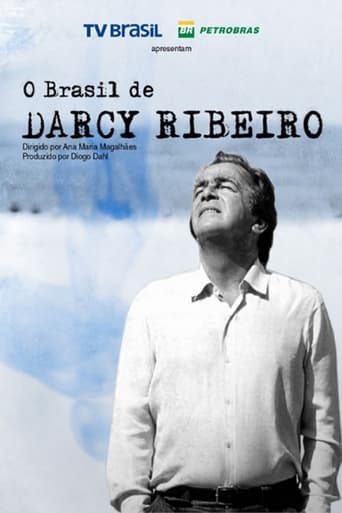
NRDocumentary on the view, testimonies and times of Darcy Ribeiro, since military dictatorship.
O Brasil de Darcy Ribeiro
2014
No synopsis available yet.
Sinais de Cinza, A Peleja de Olney Contra o Dragão da Maldade
2013
 8.0
8.0No synopsis available yet.
Cordilheiras no Mar: A Fúria do Fogo Bárbaro
2015
 NR
NRNo synopsis available yet.
Glauber Rocha em Defesa do Cinema Brasileiro
2011
 6.7
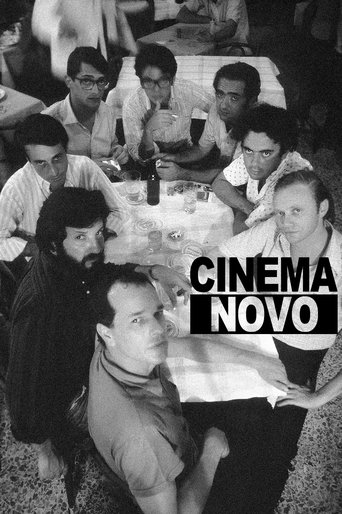
6.7A deep investigation, in the way of a poetic essay, on one of the main Latin American movements in cinema, analyzed via the thoughts of its main authors, who invented, in the early 1960s, a new way of making movies in Brazil, with a political attitude, always near to people's problems, that combined art and revolution.
Cinema Novo
2016
Nelson Pereira dos Santos talks about The Highway of Life (1980)
A música que meu pai gostava
2018
2000s · 10 titles
7.9Seventy critics and filmmakers discuss cinema around the conflict between the artist and the observer, the creator and the critic. Between 1998 and 2007, Kléber Mendonça Filho recorded testimonies about this relationship in Brazil, the United States and Europe, based on his experience as a critic.
Critic
2008
 7.5
7.5On 17 May 1931, the young director Mário Peixoto released his masterpiece "Limite" in a premiere in Capitólio Theater in Rio de Janeiro to astonished audiences bewildered by the impressive and poetic images. Considered by many viewers the best Brazilian movie ever made, this feature has never been released commercially. However, in a great paradox, Mário Peixoto has never made any other movie. The director Sérgio Machado pays a great tribute to the life and work Mário Peixoto a.k.a. Maçarico by his close friends with this documentary, using his diary; footages of "Limite", the never concluded "Onde a Terra Acaba" (1933) and the short "O Homem do Morcego" (1980); and interesting testimonies of Olga Breno, Ruy Solberg, Nelson Pereira dos Santos and Walter Salles among others.
At the Edge of the Earth
2002
 6.9
6.9A documentary made to coincide with Niemeyer's 100th birthday. The renowned architect talks about his long life, his inspirations, and his aspirations towards a just Brazil, and the ways he tried to help that along in his spectacular and beautiful buildings.
Oscar Niemeyer: Life is a Breath of Air
2007
 NR
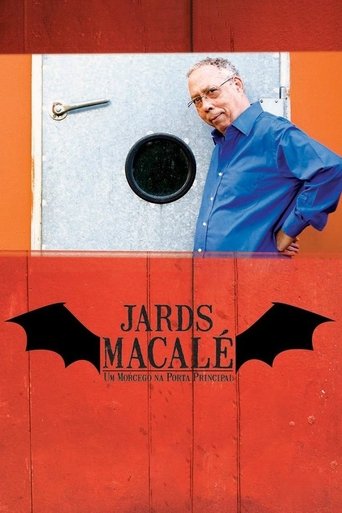
NRThis film shines a light at the story of Jards Macalé, polemic artist and controversial character of Brazilian culture over the last four decades. Author of songs such as "Vapor Barato" and "Movimento dos Barcos", a partner in crime of poet Waly Salomão, guitar player and songwriter for Gal Costa and Caetano Veloso, actor and author of soundtracks in Nelson Pereira dos Santos' films, a personal friend of visual artists Lygia Clarke and Hélio Oiticica, but, first and foremost, someone who dreams of seeing the word "love" in the Brazilian flag.
Jards Macalé - Um Morcego na Porta Principal
2008
 6.3
6.3Documentary about Brazilian filmmaker Glauber Rocha, one of the most important names in the Cinema Novo, with interviews with some of his friends and colleagues.
Glauber Rocha - The Movie, Brazil's Labyrinth
2003
 9.0
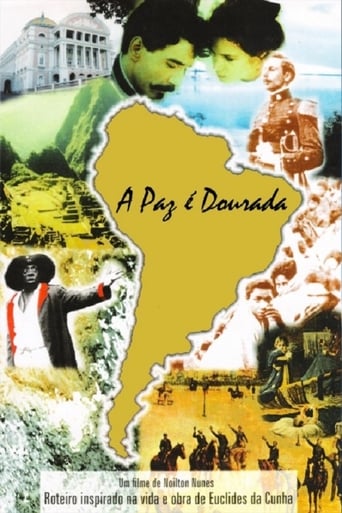
9.0The film chronicles both the life and work of Brazilian author and engineer Euclides da Cunha and a failed attempt at directing his biopic in the 1980s and 1990s. Footage from the unfinished film is included alongside archive and documentary material.
A Paz é Dourada
2008
 NR
NRThe adventures of Pedro, a musician who is trying his luck in Rio de Janeiro, in the 1950's. He leaves his hometown Belo Horizonte to share a lodging with his brother Carlos in Rio. During one of his gigs, he meets Arlete, a singer in a vocal group and fall in love.
Sambando nas Brasas, Morô?
2007
16 members from the Brazilian Academy of Letters share their views on the current situation of the portuguese language.
Português - A Língua do Brasil
2007
 6.2
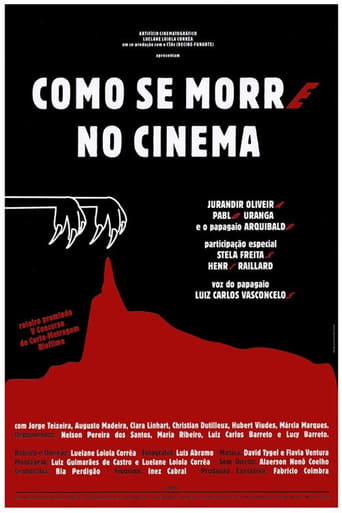
6.2Memories of a parrot who participated in the filming of the classic Vidas Secas, in 1962, where it was featured along the puppy Baleia.
How to Die in Cinema
2002
 NR
NRDuring a showing of rare Afro-Brazilian Cinema films at the Cinematheque of the Museum of Modern Art of Rio de Janeiro, actor/filmmaker Zózimo Bulbul gathered some of the most notorious Brazilian black directors to talk about their works, their lives and their perspectives on the future.
Referências
2006
1990s · 5 titles
 NR
NRNo synopsis available yet.
Uma Vida Dividida
1999
 5.6
5.61943, World War II. The northeastern coast of Brazil is an strategic region for the Allies. Giancarlo, an Italian immigrant married to a Brazilian woman, lives nearby the Parnamirin Field, the largest military base built by the USA outside of their territory. In this new base, Brazilian recruits who speak English suddenly find themselves reaching privileged positions.
For All - O Trampolim da Vitória
1998
 NR
NRNo synopsis available yet.
Que Filme 'Tu Vai' Fazer?
1991
 8.0
8.0Documentary that addresses, through the testimony of directors and actors, the work of Dib Lutfi, considered one of the greatest photographers of Brazilian cinema.
Dib
1997
 NR
NRNo synopsis available yet.
Que Viva Glauber!
1991
1980s · 3 titles
 NR
NRDocumentary in four parts on Latin American cinema. Second episode, evoking the border between fiction and documentary. With his film Tire dié (1960), the Argentinian Fernando Birri proposed this manifesto: to create a realistic and critical national cinema, closer to society without falling into populism.
Claves, 2: We will return younger
1984
NRDocumentary in four parts on Latin American cinema. First episode: the influences of Cahiers du cinéma, the New Wave, Italian neorealism. In Brazil, Cinema Novo draws inspiration from these models while drawing on the historical and cultural singularity of the country. The documentary was awarded the Prix Makhila d’or at the Festival de Biarritz, France.
Claves, 1: How Tasty Was My Little Frenchman
1984
 NR
NRNo synopsis available yet.
Alex Viany - Um Documentário em Vídeo
1989
1970s · 2 titles
 NR
NRThe importance of the Cannes Film Festival in world terms and what it represented for Brazil in 1971. For Brazilian cinema, Cannes 71 represented the transition from film to industrialized production. It is the meeting of producers, technicians, critics , celebrities in general, offering opportunities for greater knowledge and renewal of values
Brazil in Cannes
1971
 NR
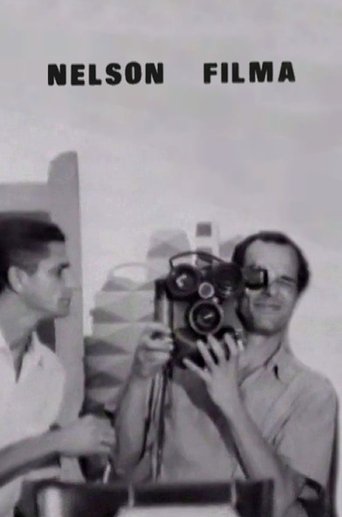
NRThe work of Nelson Pereira dos Santos guides the documentary, which traces the path taken by Cinema Novo and addresses the issues raised by the filmmaker during the filming of Brazilian Cinema classics.
Nelson Filma
1971
1960s · 3 titles
 7.5
7.5Originally produced for German TV, Improvised and Purposeful is a firsthand look at the "Cinema Novo" movement (otherwise known as the 'Brazilian New Wave'). Director Joaquim Pedro de Andrade focuses on six Cinema Novo filmmakers working in Rio in 1967.
Improvised and Purposeful: Cinema Novo
1967
 7.1
7.1Edson is having an affair with actress Maria do Rosário, who dreams of being a movie director. So he tries to get some easy money for her film, but is arrested and meets a police torturer instead.
Garden of War
1969
 6.7
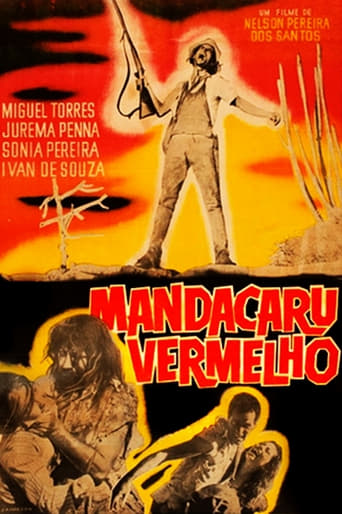
6.7Despite being promised to another man, a young orphaned woman falls in love with man working at the farm she lives in , and together they escape. According tradition in Northeast Brazil, her aunt goes after them, in order to kill them for revenge.
Red Mandacaru
1961
Behind the camera
6.1In 1594 Brazil, a frenchman becomes a prisoner of the Tupinambás. While waiting to be executed, the foreigner learns the habits of the indigenous people and joins a woman who tries to help him escape.
How Tasty Was My Little Frenchman
1971
6.1In 1594 Brazil, a frenchman becomes a prisoner of the Tupinambás. While waiting to be executed, the foreigner learns the habits of the indigenous people and joins a woman who tries to help him escape.
How Tasty Was My Little Frenchman
1971
7.0Half a century ago, Brazilian composer and musician Antonio Carlos "Tom" Jobim (1927-1994) introduced bossa nova to a worldwide audience with "The Girl from Ipanema." This relaxed, cool, sensuous music blended jazz and samba. After recording an album of songs by his friend Jobim, Frank Sinatra is reported to have said, "I haven't sung so quietly since I had laryngitis." Naturally, "The Girl from Ipanema" and Frank Sinatra are featured in this musical collage of countless seamlessly edited excerpts of concert footage that cover decades of events all over the world: from Rio de Janeiro to Lisbon, Paris, Copenhagen, Jerusalem, Tokyo, Montreal, New York and back to Rio.
The Music According to Tom Jobim
2012
7.0Half a century ago, Brazilian composer and musician Antonio Carlos "Tom" Jobim (1927-1994) introduced bossa nova to a worldwide audience with "The Girl from Ipanema." This relaxed, cool, sensuous music blended jazz and samba. After recording an album of songs by his friend Jobim, Frank Sinatra is reported to have said, "I haven't sung so quietly since I had laryngitis." Naturally, "The Girl from Ipanema" and Frank Sinatra are featured in this musical collage of countless seamlessly edited excerpts of concert footage that cover decades of events all over the world: from Rio de Janeiro to Lisbon, Paris, Copenhagen, Jerusalem, Tokyo, Montreal, New York and back to Rio.
The Music According to Tom Jobim
2012
 7.4
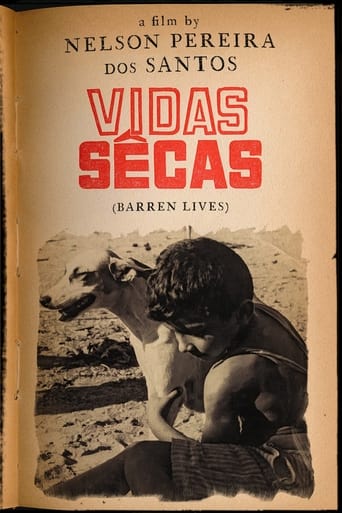
7.4A destitute family tries to escape the drought in the backlands of northeastern Brazil. Fabiano (Átila Iório), Sinhá Vitória (Maria Ribeiro), their two children and their dog Baleia wander aimlessly and almost hopelessly through the remote interior, surviving the forces of nature and the cruelty of men. An adaptation of the work by Graciliano Ramos.
Barren Lives
1963
7.4A destitute family tries to escape the drought in the backlands of northeastern Brazil. Fabiano (Átila Iório), Sinhá Vitória (Maria Ribeiro), their two children and their dog Baleia wander aimlessly and almost hopelessly through the remote interior, surviving the forces of nature and the cruelty of men. An adaptation of the work by Graciliano Ramos.
Barren Lives
1963
 6.8
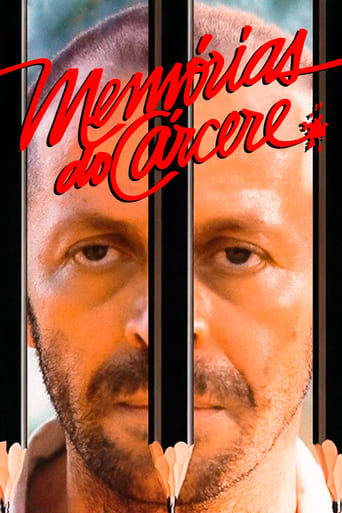
6.8In the 1930s, novelist and politician Graciliano Ramos is accused of being a communist sympathizer. He is then arrested and sent to the Ilha Grande prison, where he experiences the disturbing treatment reserved for common prisoners.
Memories of Prison
1984
6.8In the 1930s, novelist and politician Graciliano Ramos is accused of being a communist sympathizer. He is then arrested and sent to the Ilha Grande prison, where he experiences the disturbing treatment reserved for common prisoners.
Memories of Prison
1984
6.8In the 1930s, novelist and politician Graciliano Ramos is accused of being a communist sympathizer. He is then arrested and sent to the Ilha Grande prison, where he experiences the disturbing treatment reserved for common prisoners.
Memories of Prison
1984
Short musical film paying a tribute to samba composer Zé Ketti, one of the greatest popular artists of Brazilian music. In a jam session, in the late composer's house in Inhaúma, a neighborhood of Rio de Janeiro, a group of friends get together to play his music while a "feijoada" (typical Brazilian food with black beans)is being cooked in the kitchen. The samba-players, first-rate samba stars themselves, remember Ketti's great hits in a homage to the man who was best known as "a voz do morro" ("the hill's voice" - but hill as a metaphor for a place where poor people build their shacks in slums, in opposition to city, where middle-class people live in Rio). Among the guests, names of the traditional "samba-school" Portela and ex-partners. Also, the presence of a black hat on an empty chair, represents the composer himself, who died in 1999, after a life of many accomplishments in music, and appearance in three of Dos Santos's films: "Rio, 40 Graus", "Rio Zona Norte" and "Boca de Ouro".
Meu Compadre, Zé Ketti
2001
 4.8
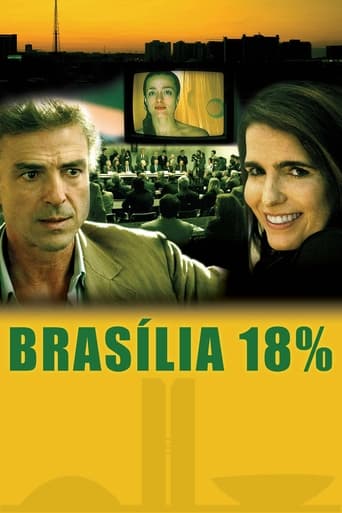
4.8A star medical examiner is called to Brasília, the administrative capital of Brazil, to confirm the identity of a beautiful, young congressional aide's dead body. But his scientific rigor soon leads him to details of a multi-layered political scandal.
Brasília 18%
2006
4.8A star medical examiner is called to Brasília, the administrative capital of Brazil, to confirm the identity of a beautiful, young congressional aide's dead body. But his scientific rigor soon leads him to details of a multi-layered political scandal.
Brasília 18%
2006
 6.8
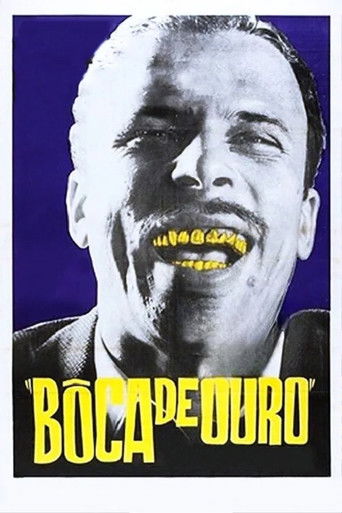
6.8After a powerful outlaw dies, a reporter interviews his lover and gets three different stories about the legendary man.
Golden Mouth
1963
6.8After a powerful outlaw dies, a reporter interviews his lover and gets three different stories about the legendary man.
Golden Mouth
1963
 NR
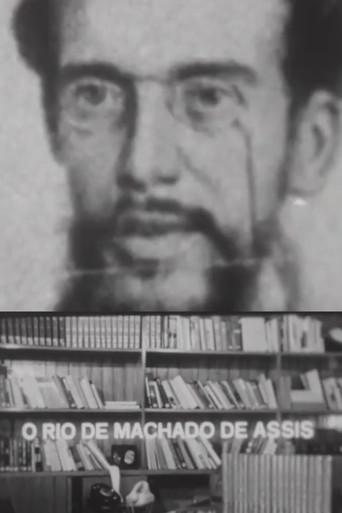
NRA short film commemorating the 400th anniversary of the city of Rio de Janeiro. The short film was sponsored by the Barsa Encyclopedia (launched in 1964) and the Jornal do Brasil newspaper. The text, narrated by Paulo Mendes Campos, was written by Machado de Assis himself.
O Rio de Machado de Assis
1965
 NR
NRAn amalgamation of accents and life experiences from different parts of Brazil reunited on the city of Brasília.
Fala Brasília
1966
 6.1
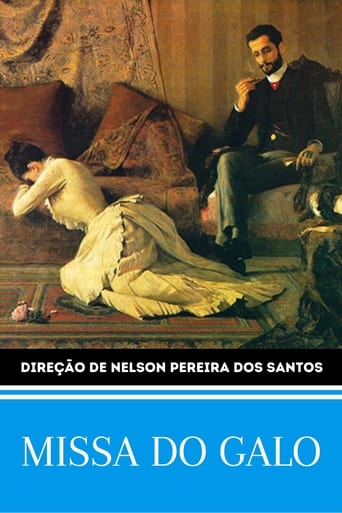
6.1It's Christmas Eve and an aunt and her nephew have to deal with their platonic relationship.
A Missa do Galo
1982
6.1It's Christmas Eve and an aunt and her nephew have to deal with their platonic relationship.
A Missa do Galo
1982
 5.4
5.4The critical success in France of How Tasty Was My Little Frenchman made possible dos Santos’ delirious science-fiction vision of free love in a post-apocalyptic wilderness besieged by flesh hungry zombies contaminated by an unnamed nuclear attack. Who is Beta? follows two statuesque survivors drawn irresistibly together only to be entranced by the arrival and sudden disappearance of a third, the bewitching raven haired Beta. With its cartoon-like depiction of extreme violence and desire, Who is Beta? offers a heady Pop-infused companion to Hunger for Love. Yet beneath its giddy play of surfaces, dos Santos' underappreciated film gradually reveals a darkly ambiguous metaphoric dimension. -Harvard Film Archive
Who Is Beta?
1972
5.4The critical success in France of How Tasty Was My Little Frenchman made possible dos Santos’ delirious science-fiction vision of free love in a post-apocalyptic wilderness besieged by flesh hungry zombies contaminated by an unnamed nuclear attack. Who is Beta? follows two statuesque survivors drawn irresistibly together only to be entranced by the arrival and sudden disappearance of a third, the bewitching raven haired Beta. With its cartoon-like depiction of extreme violence and desire, Who is Beta? offers a heady Pop-infused companion to Hunger for Love. Yet beneath its giddy play of surfaces, dos Santos' underappreciated film gradually reveals a darkly ambiguous metaphoric dimension. -Harvard Film Archive
Who Is Beta?
1972
 7.7
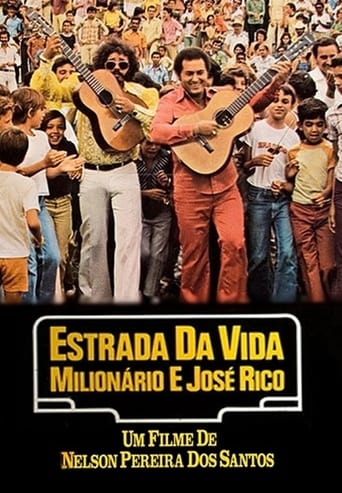
7.7The rise of real life country singers Milionário e José Rico from their humble beginnings until musical success.
The Highway of Life
1980
 9.0
9.0A three-episode anthology film based on short stories by Brazilian writer Graciliano Ramos.
Insônia
1982
9.0A three-episode anthology film based on short stories by Brazilian writer Graciliano Ramos.
Insônia
1982
 5.8
5.8Jubiabá is a French-Brazilian film based on the homonymous novel by Jorge Amado. The film tells the story of the interracial love between the daughter of a rich Commander and Antonio Balduíno, a rascal, fighter and famous lover from Salvador.
Jubiabá
1987
5.8Jubiabá is a French-Brazilian film based on the homonymous novel by Jorge Amado. The film tells the story of the interracial love between the daughter of a rich Commander and Antonio Balduíno, a rascal, fighter and famous lover from Salvador.
Jubiabá
1987
 8.2
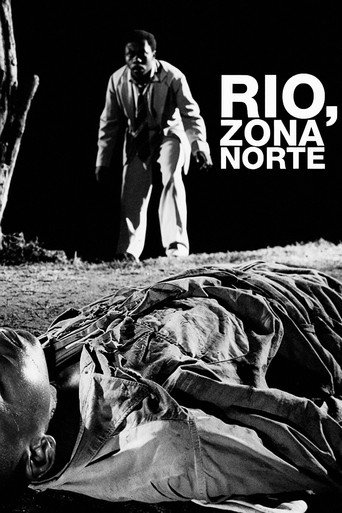
8.2A talented songwriter of sambas is forced to face the social injustices of the city around him.
Rio, Northern Zone
1957
8.2A talented songwriter of sambas is forced to face the social injustices of the city around him.
Rio, Northern Zone
1957
 NR
NRNo synopsis available yet.
O côco do Macalé
1982
 NR
NRDocumentary about the history of Jornal do Brasil, founded on April 14, 1891. In 1965, the Jornal do Brasil marked its innovative and active position, as recorded in the documentary "A Seventv-Four- Year-Old Fellow" by the filmmaker Nelson Pereira dos Santos, and the story itself was in charge of confirming. In the following years, the newspaper would witness the most remarkable events of the second half of the twentieth century in Brazil and in the world. It would applaud the democratic struggles and independence of peoples, support social demonstrations against oppression and justice at all levels. Tirelessly, he did not hesitate to report the truth of the facts, regardless of the circumstances in which they presented themselves.
A Seventy-Four Year-Old Fellow
1964
NRDocumentary about the history of Jornal do Brasil, founded on April 14, 1891. In 1965, the Jornal do Brasil marked its innovative and active position, as recorded in the documentary "A Seventv-Four- Year-Old Fellow" by the filmmaker Nelson Pereira dos Santos, and the story itself was in charge of confirming. In the following years, the newspaper would witness the most remarkable events of the second half of the twentieth century in Brazil and in the world. It would applaud the democratic struggles and independence of peoples, support social demonstrations against oppression and justice at all levels. Tirelessly, he did not hesitate to report the truth of the facts, regardless of the circumstances in which they presented themselves.
A Seventy-Four Year-Old Fellow
1964
 6.2
6.2After an extended period directing original screenplays, dos Santos returned to the creative engagement with literature that was the wellspring of his early masterpieces, offering a combinatory adaptation of five stories by the renowned Brazilian novelist João Guimarães Rosa. Openly embracing a mode of magical realism, dos Santos' celebrated film tells the story of a farming family defined by the absence of its father who abruptly abandoned his wife and children, sailing away down the river, including his son who continues to communicate with his father, speaking daily to him from the river bank. While offering an evocative vision of rural Brazil as a timeless land of mystery and solemnity, The Third Bank of the River is also bitingly satiric in the remarkable depiction of religious belief when the family moves to the city and its youngest member, a mesmerizing little girl, is revealed to be a kind of saint, capable of miraculous acts. -Harvard Film Archive
The Third Bank of the River
1994
6.2After an extended period directing original screenplays, dos Santos returned to the creative engagement with literature that was the wellspring of his early masterpieces, offering a combinatory adaptation of five stories by the renowned Brazilian novelist João Guimarães Rosa. Openly embracing a mode of magical realism, dos Santos' celebrated film tells the story of a farming family defined by the absence of its father who abruptly abandoned his wife and children, sailing away down the river, including his son who continues to communicate with his father, speaking daily to him from the river bank. While offering an evocative vision of rural Brazil as a timeless land of mystery and solemnity, The Third Bank of the River is also bitingly satiric in the remarkable depiction of religious belief when the family moves to the city and its youngest member, a mesmerizing little girl, is revealed to be a kind of saint, capable of miraculous acts. -Harvard Film Archive
The Third Bank of the River
1994
16 members from the Brazilian Academy of Letters share their views on the current situation of the portuguese language.
Português - A Língua do Brasil
2007
 6.4
6.4An ubiquitous folk singer narrates the tale of a young boy, who apparently becomes immune to gunfire after his mother arranges for him to have an amulet bearing Ogum's blessings. As time goes by, he becomes a valuable member of a mobster's hit-team, but ends up joining a group of people who resist his original employers.
The Amulet of Ogum
1974
6.4An ubiquitous folk singer narrates the tale of a young boy, who apparently becomes immune to gunfire after his mother arranges for him to have an amulet bearing Ogum's blessings. As time goes by, he becomes a valuable member of a mobster's hit-team, but ends up joining a group of people who resist his original employers.
The Amulet of Ogum
1974
6.4An ubiquitous folk singer narrates the tale of a young boy, who apparently becomes immune to gunfire after his mother arranges for him to have an amulet bearing Ogum's blessings. As time goes by, he becomes a valuable member of a mobster's hit-team, but ends up joining a group of people who resist his original employers.
The Amulet of Ogum
1974
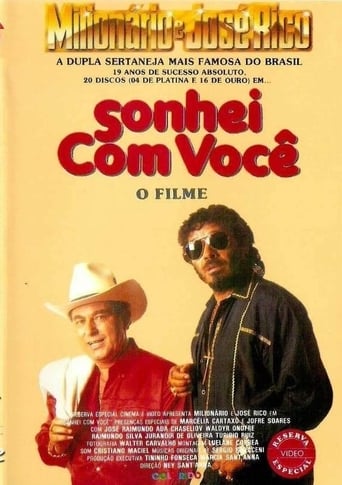 9.0
9.0Milionário and José Rico are robbed of their money and their fans' enthusiasm. But a female truck driver is out to help them.
Sonhei com Você
1988
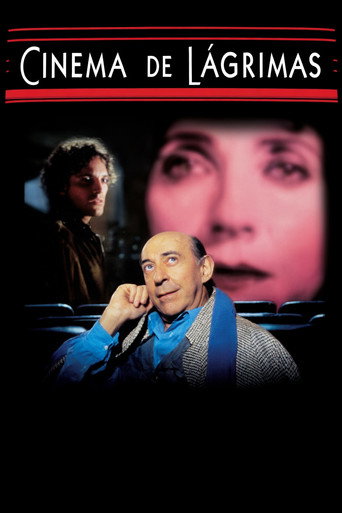 5.4
5.4An aging Brazilian actor teams up with a film student on a trip to Mexico, in order to find out an unknown movie his mother allegedly watched before she committed suicide.
Cinema of Tears
1995
5.4An aging Brazilian actor teams up with a film student on a trip to Mexico, in order to find out an unknown movie his mother allegedly watched before she committed suicide.
Cinema of Tears
1995
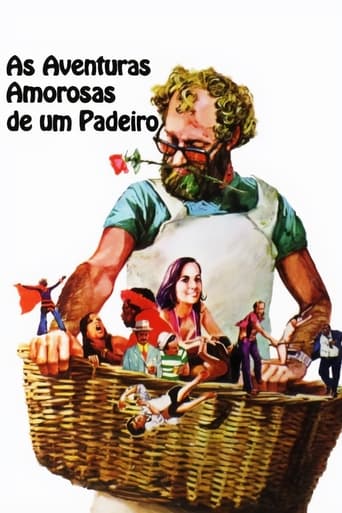 7.0
7.0A newlywed woman, frustrated after her honeymoon, decides to search for lovers on the streets and ends up causing a conflict between her husband, a baker and a black artist.
As Aventuras Amorosas de um Padeiro
1975