
Known for
 NR
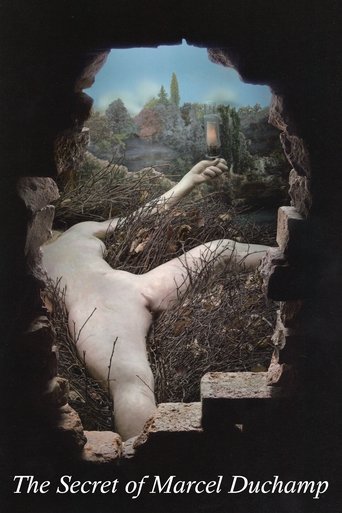
NRMarcel Duchamp kept a secret for over 20 years: while the art world had wrongly assumed that one of the 20th century’s most important artists had given up creating art, Duchamp was building his final masterpiece, Etant Donnes (“given”). Duchamp didn’t allow the piece to be viewed by the public until after his death in 1968. This left him shielded from the questions that developed after the piece debuted. Simply described, it is a peepshow. Through an old wooden façade, one looks through to see a sculpted open-legged nude lying in a field. The critics were stumped. What did Duchamp leave us with? This BBC documentary from 1997 dissects and examines the pieces of this assemblage.
The Secret of Marcel Duchamp
1997
 10.0
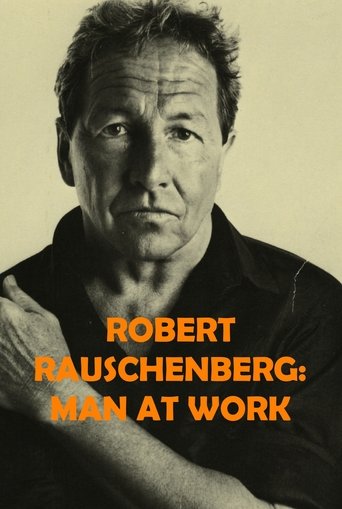
10.0From the 1950s until his death in 2008, Robert Rauschenberg's groundbreaking mixed-media pieces mesmerized the art world. This 1998 documentary takes viewers inside Rauschenberg's Florida studio to explore his remarkable life and work. The film examines Rauschenberg's use of unique materials and includes a behind-the-scenes look at The 1/4 Mile or 2 Furlong Piece, a massive autobiographical undertaking that Rauschenberg began work on in 1981.
Robert Rauschenberg: Man at Work
1997
 NR
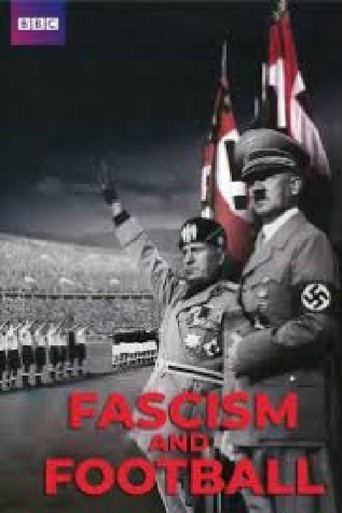
NRDocumentary examining how the three most powerful fascist dictators of the 20th Century - Mussolini, Hitler and Franco - used football's popular appeal as vehicle of propaganda. Rare archive footage, combined with evidence from historians and contributions from former stars of the game, is used to expose the cases of corruption, sabotage, intimidation and even alleged murder that affected the lives of supporters and many high-profile players alike.
Fascism and Football
2003
Behind the camera
NRMarcel Duchamp kept a secret for over 20 years: while the art world had wrongly assumed that one of the 20th century’s most important artists had given up creating art, Duchamp was building his final masterpiece, Etant Donnes (“given”). Duchamp didn’t allow the piece to be viewed by the public until after his death in 1968. This left him shielded from the questions that developed after the piece debuted. Simply described, it is a peepshow. Through an old wooden façade, one looks through to see a sculpted open-legged nude lying in a field. The critics were stumped. What did Duchamp leave us with? This BBC documentary from 1997 dissects and examines the pieces of this assemblage.
The Secret of Marcel Duchamp
1997
NRMarcel Duchamp kept a secret for over 20 years: while the art world had wrongly assumed that one of the 20th century’s most important artists had given up creating art, Duchamp was building his final masterpiece, Etant Donnes (“given”). Duchamp didn’t allow the piece to be viewed by the public until after his death in 1968. This left him shielded from the questions that developed after the piece debuted. Simply described, it is a peepshow. Through an old wooden façade, one looks through to see a sculpted open-legged nude lying in a field. The critics were stumped. What did Duchamp leave us with? This BBC documentary from 1997 dissects and examines the pieces of this assemblage.
The Secret of Marcel Duchamp
1997
10.0From the 1950s until his death in 2008, Robert Rauschenberg's groundbreaking mixed-media pieces mesmerized the art world. This 1998 documentary takes viewers inside Rauschenberg's Florida studio to explore his remarkable life and work. The film examines Rauschenberg's use of unique materials and includes a behind-the-scenes look at The 1/4 Mile or 2 Furlong Piece, a massive autobiographical undertaking that Rauschenberg began work on in 1981.
Robert Rauschenberg: Man at Work
1997
NRDocumentary examining how the three most powerful fascist dictators of the 20th Century - Mussolini, Hitler and Franco - used football's popular appeal as vehicle of propaganda. Rare archive footage, combined with evidence from historians and contributions from former stars of the game, is used to expose the cases of corruption, sabotage, intimidation and even alleged murder that affected the lives of supporters and many high-profile players alike.
Fascism and Football
2003