
Acting
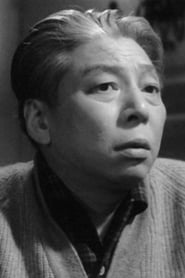
Koreya Senda
Born — Died
1904-09-15 — 1994-12-21
Place of birth
Tokyo City, Japan
Known for
Acting
Credits
60 titles
Known for
 7.2
7.2In the summer of 1941, the United States and Japan seem on the brink of war after constant embargos and failed diplomacy come to no end. "Tora! Tora! Tora!", named after the code words used by the lead Japanese pilot to indicate they had surprised the Americans, covers the days leading up to the attack on Pearl Harbor, which plunged America into the Second World War.
Tora! Tora! Tora!
1970
 NR
NRNo synopsis available yet.
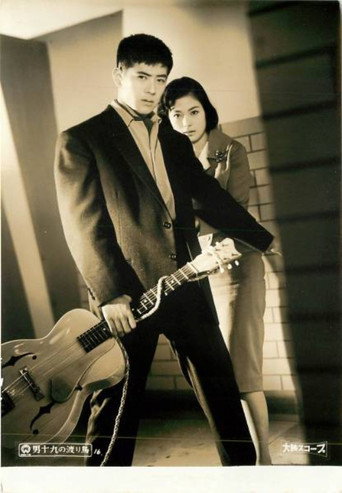
Otoko jū kyū no wataridori
1958
 5.9
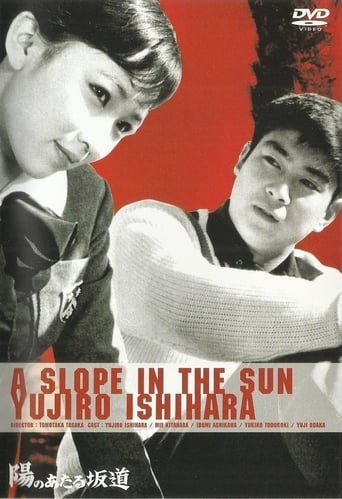
5.9The young Takako Kuramoto has come to Tokyo to study and starts working for the rich Tashiro family as tutor of the daughter, Kumiko, while she receives attention from her two older brothers, Yukichi and Shinji. Meanwhile, the exact parentage of Shinji comes to light.
A Slope in the Sun
1958
 5.8
5.8When a narcotics deal goes sour and a suspect disappears, leaving only his clothes, Tokyo police question his wife and stake out the nightclub where she works.
The H-Man
1958
 6.4
6.4With her family suffering from extreme poverty, Yuko, as the eldest daughter, is sold to a successful brothel in Kyoto. There she is assigned to serve Takamatsu, one of the brothel’s top customers. But while Takamatsu falls madly in love with Yuko, she finds herself attracted to a young priest named Kunugida. Torn by jealousy, Takamatsu hatches an evil plan to tear them apart.
A House in the Quarter
1963
 7.1
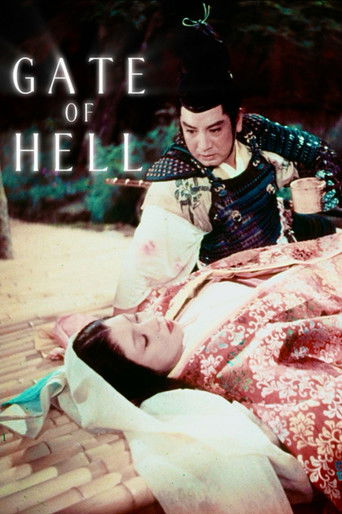
7.1Japan, 1159. Moritō, a brave samurai, performs a heroic act by rescuing the lovely Kesa during a violent uprising. Moritō falls in love with her, but becomes distraught when he finds out that she is married.
Gate of Hell
1953
Film credits
1960s · 17 titles
6.4With her family suffering from extreme poverty, Yuko, as the eldest daughter, is sold to a successful brothel in Kyoto. There she is assigned to serve Takamatsu, one of the brothel’s top customers. But while Takamatsu falls madly in love with Yuko, she finds herself attracted to a young priest named Kunugida. Torn by jealousy, Takamatsu hatches an evil plan to tear them apart.
A House in the Quarter
1963
 4.5
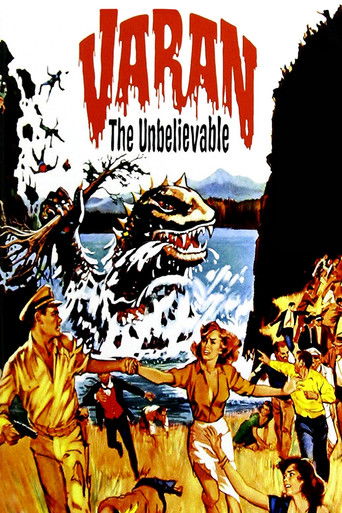
4.5In an effort to find an economic means of purifying salt water, a joint U.S.-Japanese military command is set up on an isolated Japanese island where an unusual salt water lake is situated. However, their purifying experiments arouse the prehistoric monster Obaki from hibernation at the lake's bottom, and it proceeds to attack Japan. Although made by a U.S. independent film company, this film was based on a Japanese Toho monster film of 1958, "Daikaiju Varan", from which all of the monster effects scenes and a few incidental dramatic shots were edited into it.
Varan the Unbelievable
1962
 10.0
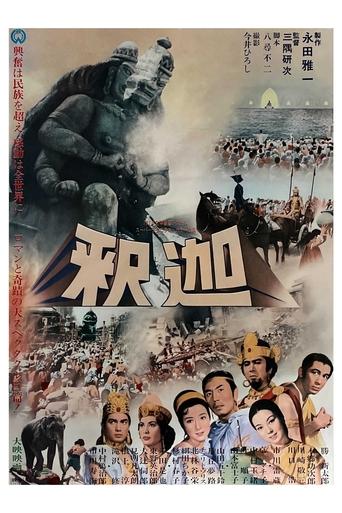
10.0An Indian prince leaves his world of comfort and riches behind to wander and meditate for six years in search of spiritual enlightenment. Siddartha (Cojoin Hong) turns his back on the old religion when people are starving needlessly and holy rituals include human sacrifices. During his meditations, he is tempted by erotic dancing women, demons, and the evil machinations of his criminal cousin. Devastate to attain the spiritual perfection and become the Buddha. He travels to convert followers by his kindness and wisdom, gaining a multitude of believers when he stops an elephant from crushing a local priest. Buddha of course goes on to become one of the great religious leaders of the world.
Buddha
1961
 7.0
7.0Desperate to escape her grueling life caring for her paralyzed husband, Tamiko murders him and burns down their home to start anew. She is soon entangled in the dark web of an influential, elderly power broker, becoming his mistress and a pawn in his political schemes. As she descends further into a downward spiral of moral decay, Tamiko realizes that the freedom she sought is merely a new form of entrapment.
Beast Alley
1965
 7.1
7.1In the fourth installment, Musashi's potentially greatest opponent Kojiro jumps in and out of the story at the oddest and most coincidental moments. As his great love Otsu has succumbed to madness. Musashi then sets off to beat the functionaries of a treacherous clan in an arranged duel. 73 against one. Boastful Kojiro watches, secure in the knowledge that only he is a worthy opponent.
Miyamoto Musashi IV: The Duel at Ichijo-ji Temple
1964
 6.9
6.9After a young boy captures a rare butterfly in Nagasaki, a caterpillar begins a relay-trip toward the northern tip of Hokkaido, serving as a silent witness to a series of vignettes featuring people struggling with the psychological and social scars of post-war Japan.
Silence Has No Wings
1966
 7.2
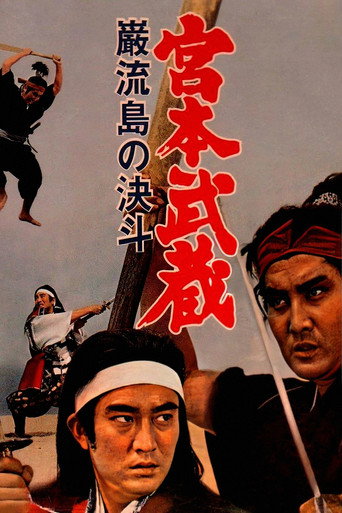
7.2The fifth and final installment with the build up of the epic battle between Sasaki Kojiro and Miyamoto Musashi. With all the familiar characters making appearances: Otsu (Musashi's great love), Akemi, Matahachi (his former fellow soldier), old lady Osugi (still doggedly trying to defeat Musashi), and even the return of Priest Takuan (the man responsible for his journey towards enlightenment). But most of all, the boastful, long-haired and long-sworded Sasaki Kojiro.
Miyamoto Musashi V: Musashi vs Kojiro
1965
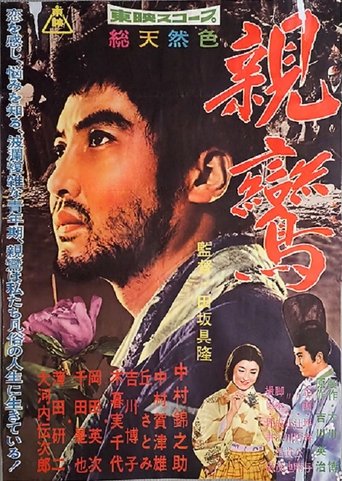 10.0
10.0A biographical movie about Shinran
Shinran
1960
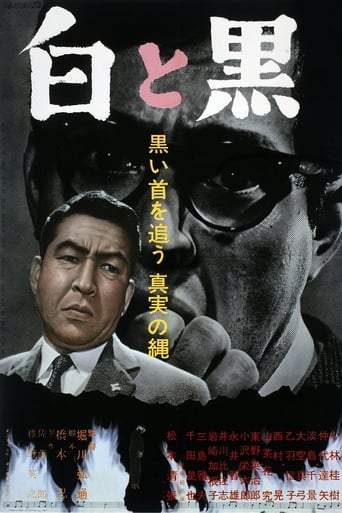 7.5
7.5A seasoned prosecutor uncovers the perfect crime committed by a young lawyer.
Pressure of Guilt
1963
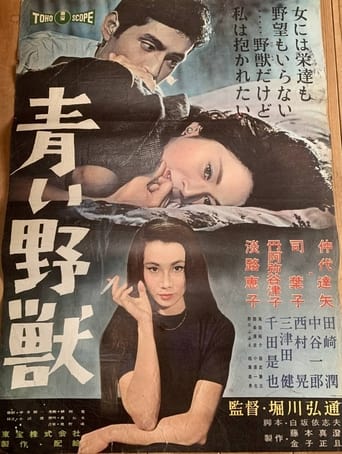 8.0
8.0The ruthless and ambitious Yasuhiko uses his charm to manipulate and exploit those around him to climb the corporate social ladder. His cold-blooded ascent eventually leads to moral decay as his past actions begin to catch up with him.
The Blue Beast
1960
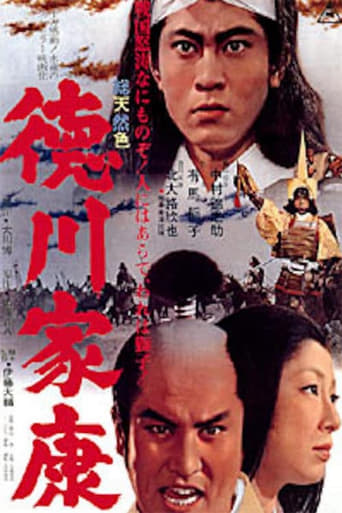 8.4
8.4In turbulent 16th-century Japan, the leaders of a minor fief have their child taken from them as a political hostage. His mother and his clan endure years of tribulations until he can return.
Lord Tokugawa Ieyasu
1965
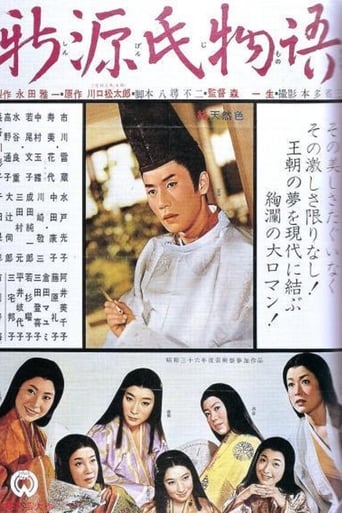 7.0
7.0Hikaru Genji, the haunted romantic hero of Lady Murasaki Shikibu’s “Genji Monogatari” (Tale of Genji) comes to life in this new tale of his further romantic adventures. Young Genji, the emperor’s illegitimate son cuts a swath through the women of the imperial court, while still mourning the spirit of his late mother who died while he was still a child. Driven to an obsession with the emperor’s new concubine, Lady Fujitsubo, whose resemblance to his late mother originally caught the eye of the emperor, young Genji embarks upon a reckless affair with her that could cost him his life.
The Radiant Prince
1961
 10.0
10.0Based on true events surrounding a Korean student who had entered Japan unlawfully and escaped illegal alien internment.
The Spy
1965
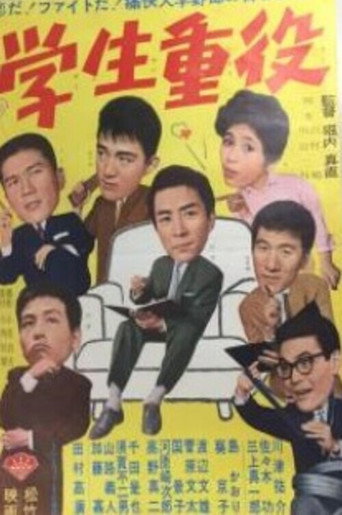 NR
NRNo synopsis available yet.
Student Executive
1961
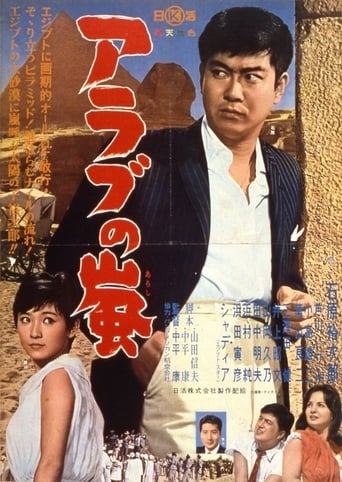 8.0
8.0A young man travels to Egypt and becomes embroiled in an independence movement by chance. Produced entirely on location overseas, which was groundbreaking at the time.
The Storm over Arabia
1961
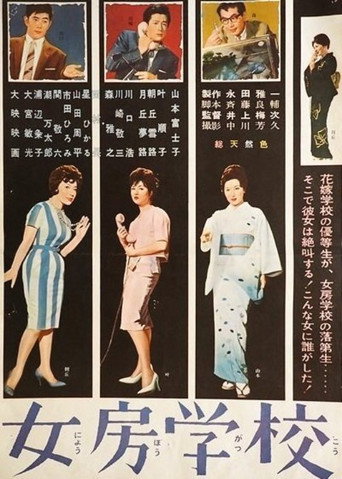 NR
NROne night, three wives, Matsuyo, Keiko and Mari, receive a mysterious telephone call. The voice tells them that she has their husbands with her and invites them to " P " Hotel to see for themselves. They have been married for many years and are bored with their husbands, and are about to secretly carry on affairs with the other's mates.
Refresher Course for Wives
1961
 9.0
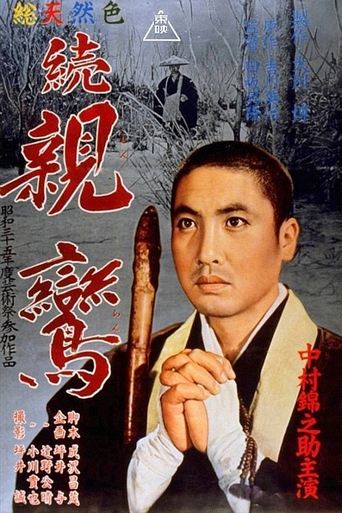
9.0Continuation of the biographical film about the monk Shinran, based on the novel by Eiji Yoshikawa. Shinran, born of the fading aristocratic class, was placed in a monastary on Mount Hiei when still a child. He did not come down for twenty years, when his wanderings begin as he spreads his ideas for achieving enlightenment through the Pure Land sutra. Because his teachings contradict the powerful Tendai sect, he comes to grief with the government, his followers persecuted, himself exiled to far coastal Echigo where he married & began raising a family but soonafter was wandering & teaching again. He lived to be ninety.
Shinran, Part II
1960
1950s · 39 titles
NRNo synopsis available yet.
Otoko jū kyū no wataridori
1958
5.9The young Takako Kuramoto has come to Tokyo to study and starts working for the rich Tashiro family as tutor of the daughter, Kumiko, while she receives attention from her two older brothers, Yukichi and Shinji. Meanwhile, the exact parentage of Shinji comes to light.
A Slope in the Sun
1958
5.8When a narcotics deal goes sour and a suspect disappears, leaving only his clothes, Tokyo police question his wife and stake out the nightclub where she works.
The H-Man
1958
7.1Japan, 1159. Moritō, a brave samurai, performs a heroic act by rescuing the lovely Kesa during a violent uprising. Moritō falls in love with her, but becomes distraught when he finds out that she is married.
Gate of Hell
1953
 6.8
6.8Japan, 1137. The Taira family, a samurai clan, becomes involved in the disputes between Emperor Toba and the monks of Mount Hiei.
Taira Clan Saga
1955
 8.0
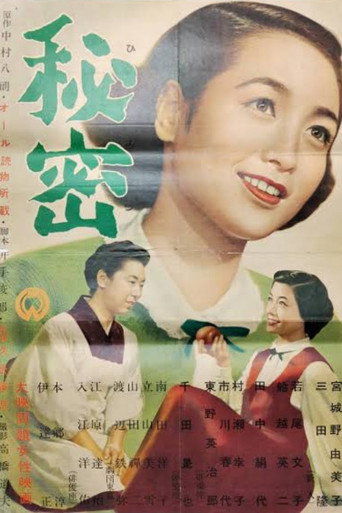
8.0No synopsis available yet.
Her Secret
1952
 5.8
5.8When a rare species of butterfly is found in a mysterious valley in Japan, a pair of entomologists go to investigate and find more. They discover Varan, a giant monster, who decides to leave the valley and head straight for Tokyo.
Varan
1958
 5.9
5.9In 1965, the space station JSS-3 is destroyed by a fleet of UFOs, which then begin a global siege on Earth, using rays to manipulate gravity and control the minds of men. In response, a global council meeting is held to determine the source of the attacks and prepare a rocket ship armada for a counter-attack, a true battle in outer space. . . The film is a sequel of sorts to Toho's THE MYSTERIANS in the reprise of the Etsuko Shiraishi character of that film as its heroine. It was edited to 74 minutes for its American release.
Battle in Outer Space
1959
 NR
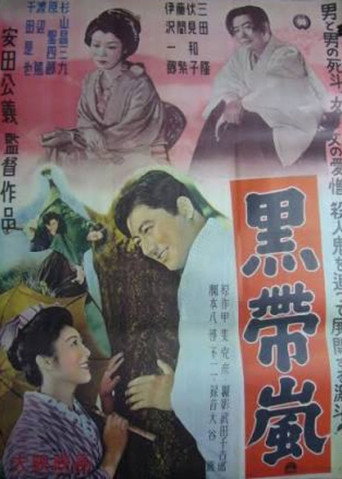
NRA young judoka investigates the mysterious death of his best friend.
Kuro obi arashi
1953
 NR
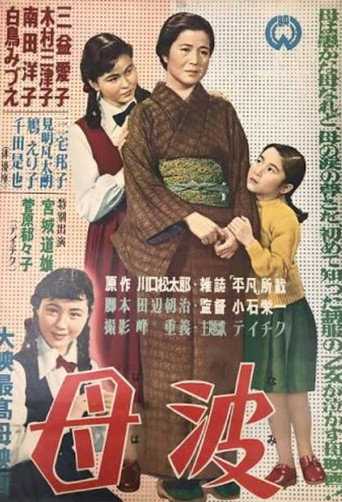
NRNo synopsis available yet.
Haha nami
1953
 9.0
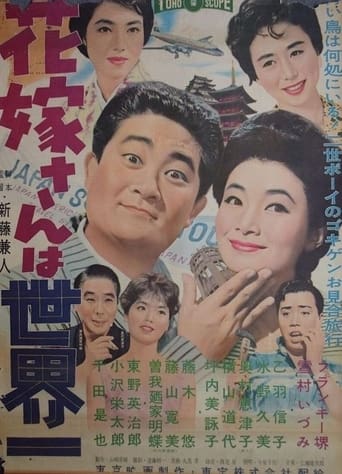
9.0A young Japanese-American comes from California looking for a bride, going on blind dates with three candidates from Osaka, Hiroshima and Nagoya.
The Bride from Japan
1959
No synopsis available yet.
Gendai shojo
1953
 8.0
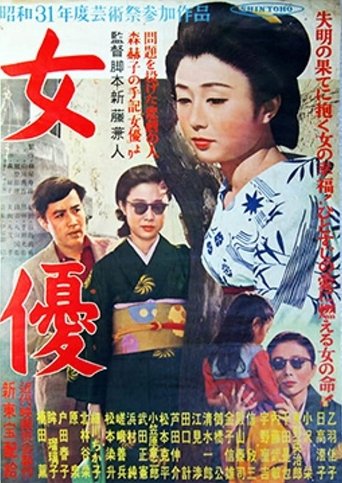
8.0Based on Kakuko Mori's autobiography, about her life and retirement from acting due to her increasing blindness.
Actress
1956
 7.8
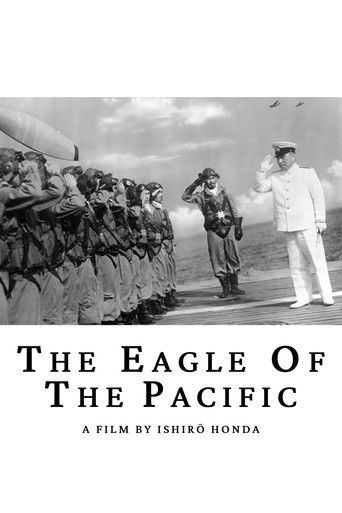
7.8Admiral Isoroku Yamamoto, a brilliant tactician, is a loyal subject of the emperor, despite his grave misgivings about leading Japan's navy into war with the United States. He opposes the attack on Pearl Harbor, but, overruled, he leads his forces to the best of his ability.
The Eagle of the Pacific
1953
 NR
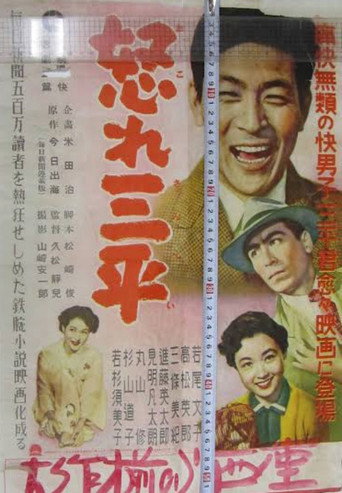
NRSanpei, an innocent sailor with incredible strength, arrives in the big city teeming with social ills carrying a mysterious bag.
Okore Sanpei
1953
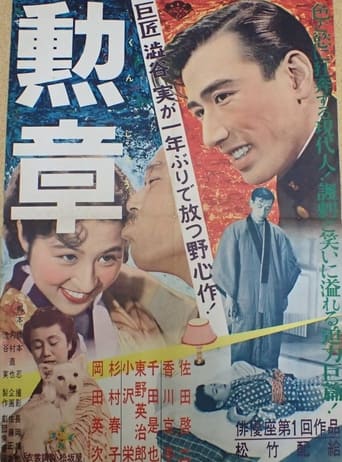 NR
NRThe Glorious Days
The Glorious Days
1954
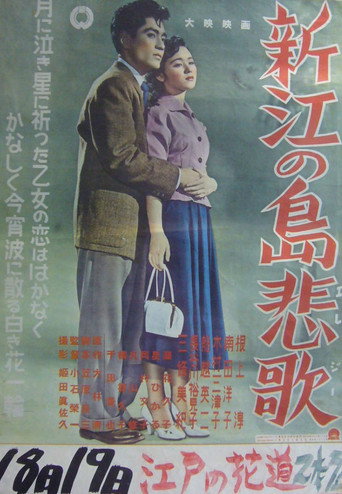 NR
NRNo synopsis available yet.
New Enoshima Elegy
1953
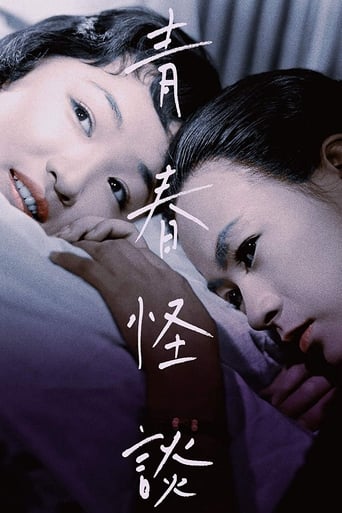 10.0
10.0A melodrama of the ups and downs of youth, based on Bunroku Shishi’s popular novel. Chiharu, a ballerina, and Shinichi, a thorough rationalist and childhood friend. A woman named Tomi Funakoshi appears in front of the two, who are thinking of getting married someday.
Ghost Story of Youth
1955
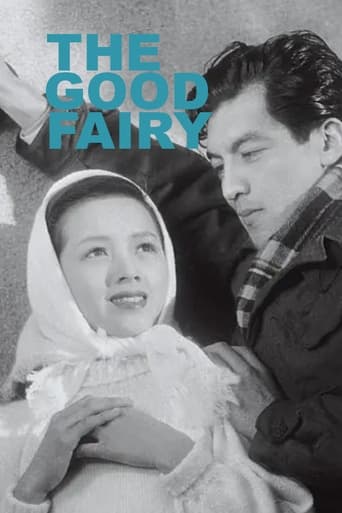 5.8
5.8The wife of an elite government official left her husband, and a young journalist is sent to investigate the case. But his boss has a hidden agenda.
The Good Fairy
1951
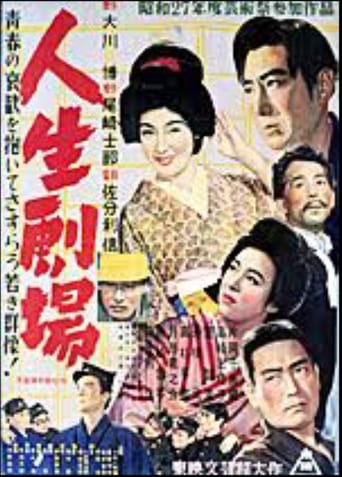 NR
NRPart one of Shin Saburi's Theater of Life adaptation.
Jinsei Gekijo: dai ichi bu
1952
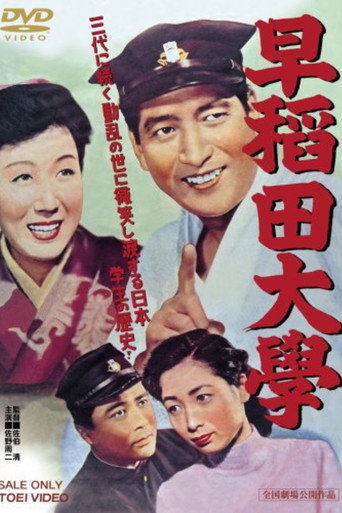 NR
NRIn the 15th year of the Meiji era (1882), Ōkuma Shigenobu, expelled from the Council of State by the Satsuma-Chōshō clique, poured his personal fortune into establishing the Tokyo Professional School in a tea field in Waseda Village. With seven professors, including Takada Sanae and Tsubouchi Yūzō, and eighty-seven students, government interference extended even to finances; Ono Azusa, who tirelessly worked to secure funding, died from overwork.
Waseda University
1953
 NR
NRNo synopsis available yet.
The Stream of Youth
1959
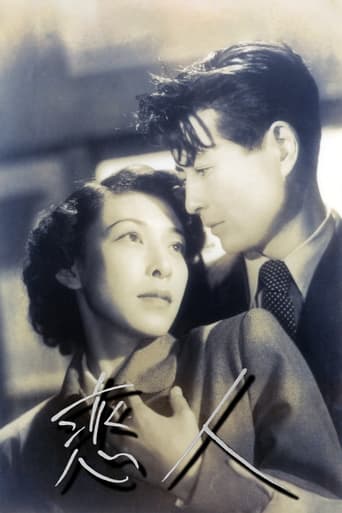 6.0
6.0No synopsis available yet.
Koibito
1951
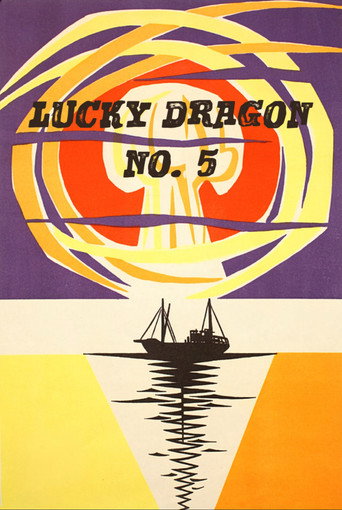 7.5
7.5An ageing fishing boat, Dai-go Fukuryu Maru ("Lucky Dragon No. 5") sets out from the port of Yaizu in Shizuoka Prefecture. It travels around the Pacific line fishing. While the ship is near Bikini Atoll, the ship's navigator sees a flash. All the crew come up to watch. They realize it is an atomic explosion, but take time to clear their fishing gear. A short time later, grey ash starts to fall on the ship. When the ship returns to port the sailors have been burned brown. They unload the fish, which are then transported away. They visit the local doctor and then go to Tokyo for an examination. It turns out they are all highly radioactive. Their symptoms become worse, and the contaminated fish causes a panic.
Lucky Dragon No. 5
1959
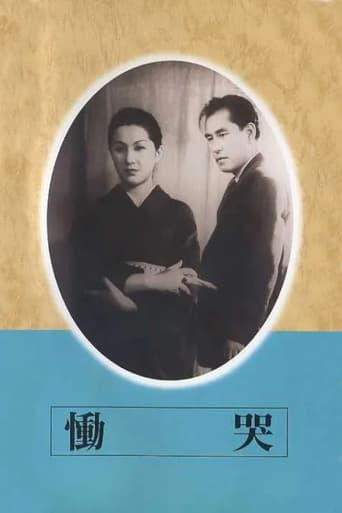 NR
NRNo synopsis available yet.
Dôkoku
1952
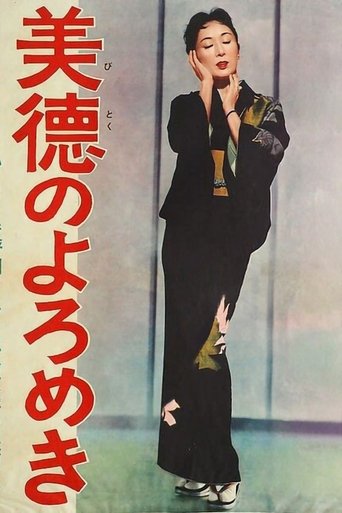 7.3
7.3A woman who grew up in a prestigious household, begins to have an affair outside the marriage.
But the Flesh is Weak
1957
 10.0
10.0A reporter Takuo, who is sleeping in the newspaper room of the Maichō newspaper company, receives a sudden report from a reporter that the missing Akiyama JNR president was found dead.
The Black Current
1954
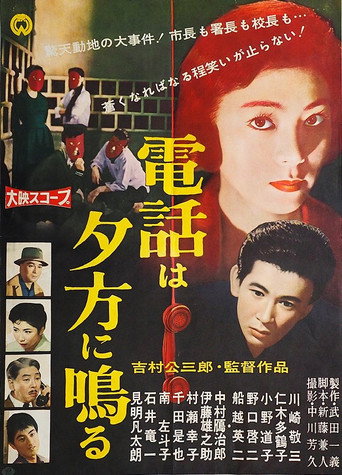 NR
NRIn a peaceful town near the Seto Inland Sea, a threatening letter arrives along with the ringing of a telephone... A thriller-comedy that sets this stagnant town ablaze.
The Telephone Rings in the Evening
1959
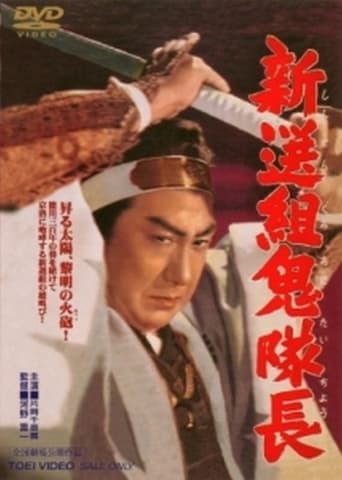 7.0
7.0Kondo Isami, the “Devil” commander of the Shinsengumi was one of Japan’s greatest national heroes and a peerless swordsman who devoted his life to protecting the shogun and fighting on the side of the Tokugawa. This tells the story of the Shinsengumi starting at the moment of their greatest triumph through the final battles as the Tokugawa shogunate was brought down.
Fall of the Shogun's Militia
1954
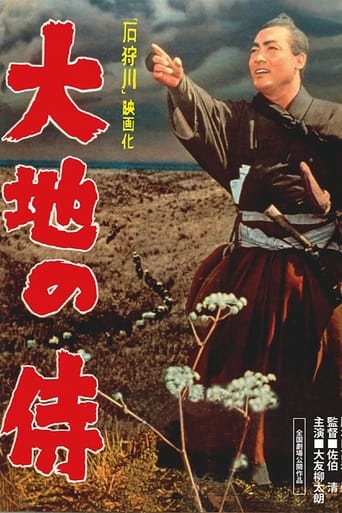 7.0
7.0A film adaptation of Rikuo Honjo's novel "Ishikari River".
Samurai of the Great Earth
1956
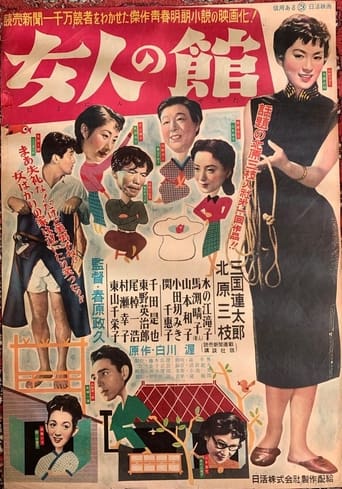 6.0
6.0After Shuichiro moved to Tokyo, the Tanno family became completely female, including Mrs. Tanno, Shuichiro's daughter-in-law Manzuko, painter Takashiro Egi, Shizu Kazemaki, Mitsue Nanbu, an intellectual who works in a university laboratory, and an old woman.
Women's House
1954
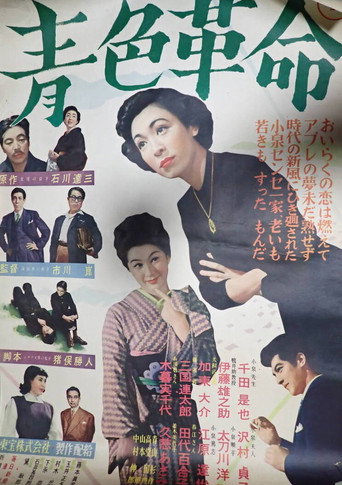 8.0
8.0No synopsis available yet.
The Blue Revolution
1953
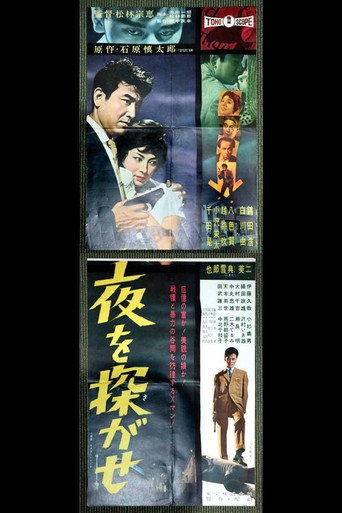 NR
NRStory of an ex-sailor, caught up in a murder mystery involving gold dust buried in Manchuria, while romancing a woman whose father may be the center of the intrigue.
The Doom of Night
1959
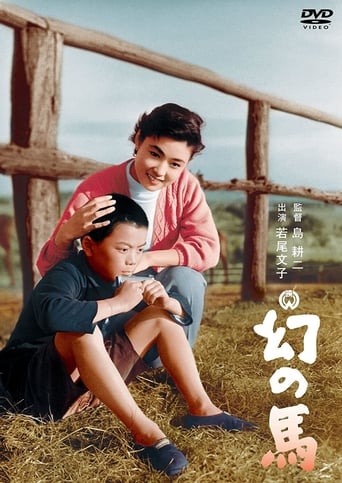 6.5
6.5Following the tragic death of his father, a young boy's family trains his horse to compete in the local derby.
The Phantom Horse
1955
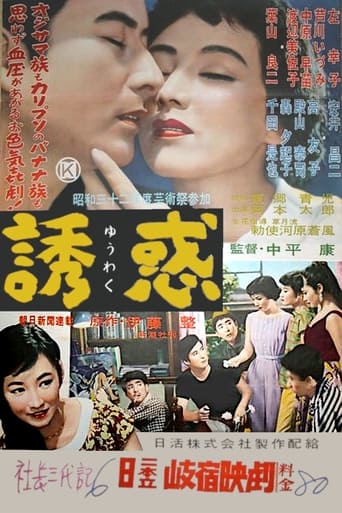 8.0
8.0Shokichi, the owner of the clothing store, lives with his daughter Hideko and plans to open an art gallery. One day, Hideko led a handsome art student, Shohei and a poor painter, Sohei. Sohei’s painting was praised by a great printer at the completion ceremony of the art gallery. Since he became successful as a painter, but he looked quite indifferent. Around the same time, Shohei’s sister brought Sohei’s pictures to the gallery and Shokichi noticed that she was a daughter of his first love.
Temptation
1957
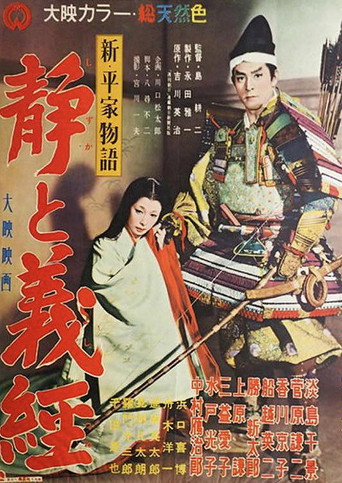 NR
NR1956 Daiei movie
New Tale of Genji: Shizuka and Yoshitsune
1956
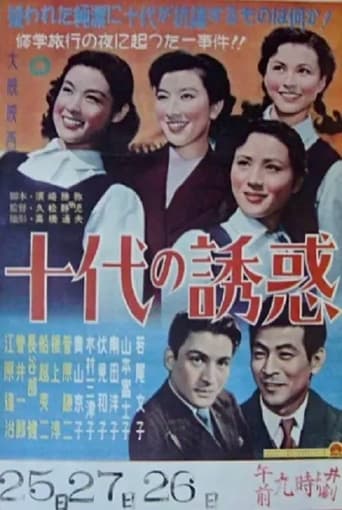 NR
NRFilm directed by Seiji Hisamatsu and starring Wakao Ayako
Jūdai no yūwaku
1953
 NR
NRNo synopsis available yet.
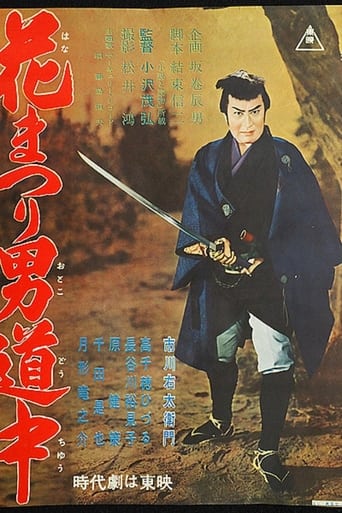
Flowers on the Trail
1957
 7.0
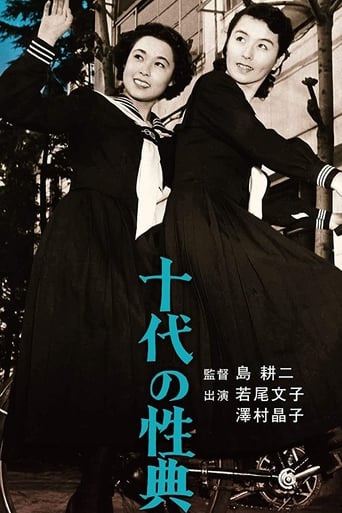
7.0Film directed by Shima Koji and starring Wakao Ayako
Jūdai no seiten
1953
1940s · 2 titles
 7.0
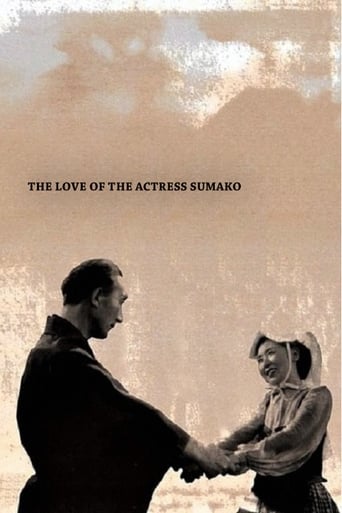
7.0Stage director Shimamura, who is bringing western theatre to Japan, falls in love with outspoken actress Sumako Matsui, and leaves his family to be with her, while trying to keep his Art Theatre solvent.
The Love of the Actress Sumako
1947
 5.6
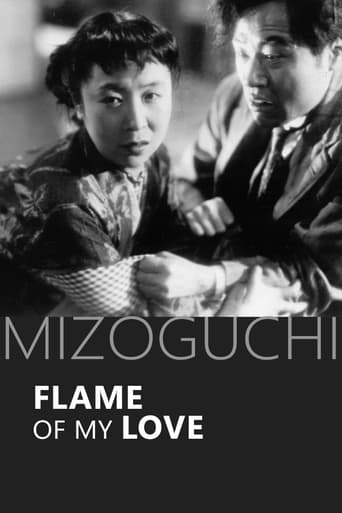
5.6In 1880s Japan, women's struggle for equality rages on. Eiko Hirayama leaves Okayama for Tokyo, where she helps the fledgling Liberal Party and falls in love with its leader Kentaro Omoi, just as the party is being disbanded by the government.
Flame of My Love
1949