
Acting
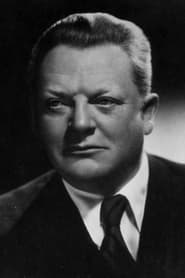
Otto Wernicke
Born — Died
1893-09-30 — 1965-11-07
Place of birth
Osterode am Harz, Germany
Known for
Acting
Credits
62 titles
From Wikipedia, the free encyclopedia. Otto Karl Robert Wernicke (30 September 1893, Osterode am Harz – 7 November 1965) was a German actor. He was best known for his role as police inspector Karl Lohmann in the two Fritz Lang films M and The Testament of Dr. Mabuse. He was the first one to portray Captain Smith in the first "official" Titanic film. Wernicke was married to a Jewish woman. Only due to a special permit was he allowed to continue his work in Nazi Germany. Description above from the Wikipedia article Otto Wernicke licensed under CC-BY-SA, full list of contributors on Wikipedia.
Known for
 8.1
8.1In this classic German thriller, Hans Beckert, a serial killer who preys on children, becomes the focus of a massive Berlin police manhunt. Beckert's heinous crimes are so repellant and disruptive to city life that he is even targeted by others in the seedy underworld network. With both cops and criminals in pursuit, the murderer soon realizes that people are on his trail, sending him into a tense, panicked attempt to escape justice.
M
1931
 6.1
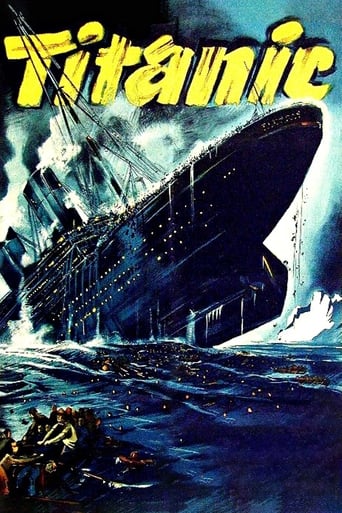
6.1In 1912, the Titanic embarks on its inevitable collision course with history. In the wake of the over-spending required to build the largest luxury ship in the world, White Star Line executive Sir Bruce Ismay schemes to reverse the direction of his company's plummeting stock value. Onboard the Titanic, brave German 1st Officer Petersen struggles to convince his self-important British superiors not to overexert the ship's engines.
Titanic
1943
 7.6
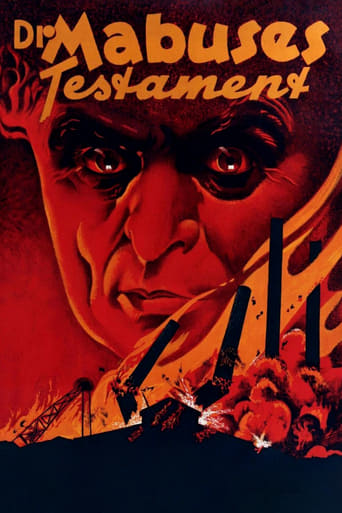
7.6After a detective is assaulted by thugs and placed in an asylum run by Professor Baum, he observes the professor's preoccupation with another patient, the criminal genius Dr. Mabuse the hypnotist. When Mabuse's notes are found to be connected with a rash of recent crimes, Commissioner Lohmann must determine how Mabuse is communicating with the criminals, despite conflicting reports on the doctor's whereabouts, and capture him for good.
The Testament of Dr. Mabuse
1933
No synopsis available yet.
Curd Jürgens erzählt...
1963
 6.9
6.9Anna is a factory worker in East Germany, but her five-year-old son Jochen lives with his grandparents in the West. Anna wants him to live with her, so she abducts him. Along the way she meets Carl, who helps her cross the border, and they fall in love.
Sky Without Stars
1955
 5.7
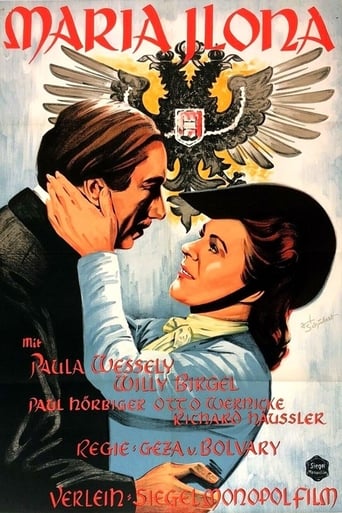
5.7In 1848, the freedom-loving Hungarian people, led by Ludwig Kossuth, rose up against the hated rule of the Austrian Habsburg dynasty. In its expansionist policy, the Austrian monarchy had long relied on Hungarian feudal lords who betrayed the interests of their people. The anger of the rebels was directed against the Austrian oppressors and their Hungarian supporters. Against the backdrop of these historical events, the personal fate of the Hungarian patriot Maria Ilona is shown.
Maria Ilona
1939
Film credits
1950s · 8 titles
6.9Anna is a factory worker in East Germany, but her five-year-old son Jochen lives with his grandparents in the West. Anna wants him to live with her, so she abducts him. Along the way she meets Carl, who helps her cross the border, and they fall in love.
Sky Without Stars
1955
 8.0
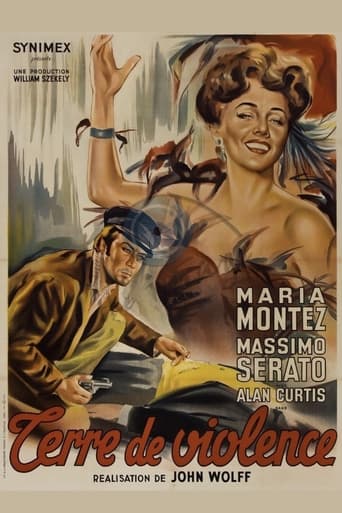
8.0Amore e sangue (released in the U.S. as "City of Violence"), the 1951 Marino Girolami (billed as "John Wolff") West German/Italian romantic action adventure war thriller.
City of Violence
1951
 7.2
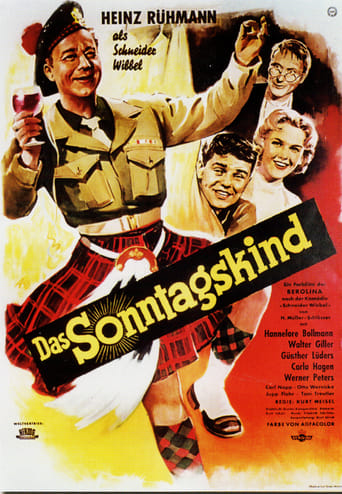
7.2No synopsis available yet.
Das Sonntagskind
1956
 10.0
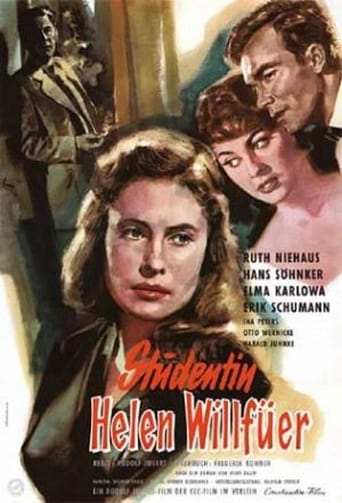
10.0Student Helene moves to Berlin to write her doctoral thesis. In the laboratory of her doctoral supervisor, the renowned Professor Matthias, she meets the charming Dr. Stefan Rainer. Helene falls in love with him, unaware that Stefan is already having an affair with Matthias′ wife Yvonne.
Studentin Helene Willfüer
1956
 8.0
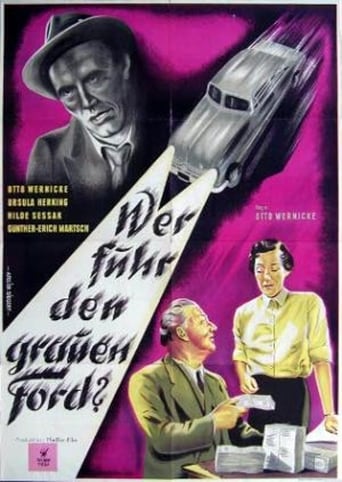
8.0"Who Drove the Grey Ford?" ("Wer fuhr den grauen Ford?") is a 1950 West German crime film directed by Otto Wernicke, marking his only directorial effort, and starring Wernicke as Kriminalkommissar Thieme alongside Ursula Herking, Hilde Sessak, and Wolfgang Neuss. The movie was filmed at numerous original locations in post-war Mannheim. It draws directly from a real-life 1949 post office robbery in Mannheim, exploring the social dislocations of the era through a documentary-style depiction of petty crime and moral dilemmas among young survivors of World War II. The plot centers on three young men scraping by through car stunts and minor cons in the uncertain landscape of Nachkriegsdeutschland, where one sensitive outsider, Peter "Penny," seeks to leave the life behind for love but is coerced into participating in a high-stakes robbery of a money transport. The heist unfolds according to plan, but Penny's well-intentioned yet careless action alerts the police...
Who Drove the Grey Ford?
1950
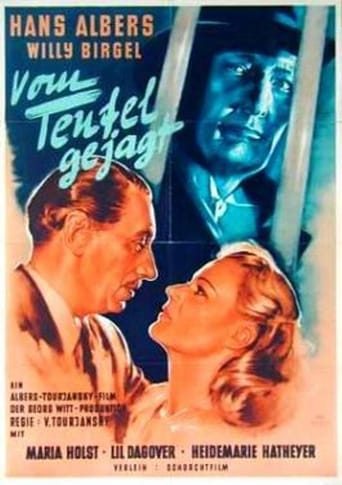 6.7
6.7A doctor discovers a new medical cure with dangerous side effects, and takes the drug himself to test its limitations.
Chased by the Devil
1950
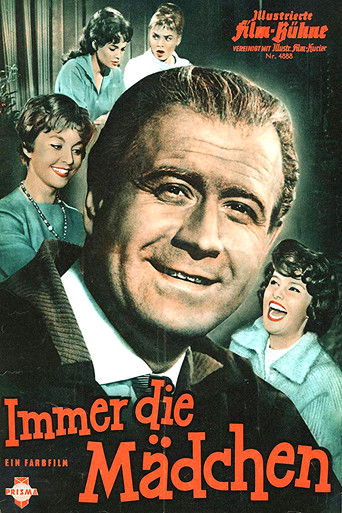 5.7
5.7No synopsis available yet.
Immer die Mädchen
1959
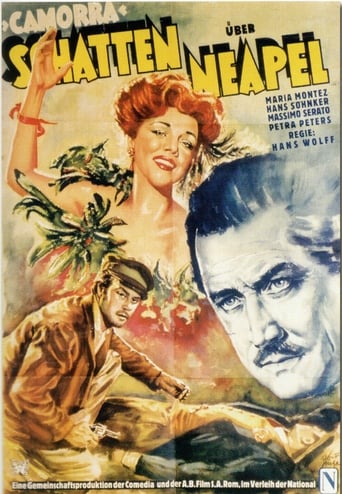 10.0
10.0An Italian-German crime film. One of Maria Montez's last films.
Shadows Over Naples
1951
1940s · 15 titles
6.1In 1912, the Titanic embarks on its inevitable collision course with history. In the wake of the over-spending required to build the largest luxury ship in the world, White Star Line executive Sir Bruce Ismay schemes to reverse the direction of his company's plummeting stock value. Onboard the Titanic, brave German 1st Officer Petersen struggles to convince his self-important British superiors not to overexert the ship's engines.
Titanic
1943
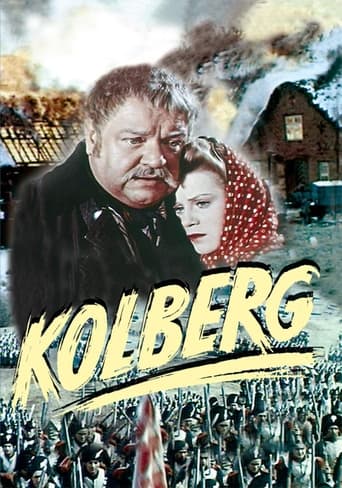 6.1
6.1During Napoleon's victorious campaign in Germany, the city of Kolberg gets isolated from the retreating Prussian forces. The population of Kolberg refuses to capitulate and organizes the resistance against the French army, which immediately submits the city to massive bombardments.
Kolberg
1945
 6.7
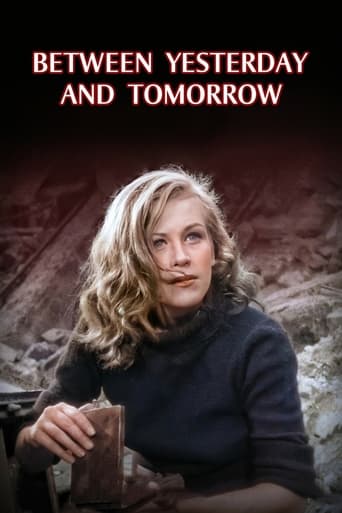
6.7A group of people gathers back in the post-war ruins of a luxurious Munich hotel they inhabited at one point or another years before; each trying to cope with the tragic consequences of the war and their own actions.
Between Yesterday and Tomorrow
1947
 7.0
7.0The first feature film to represent the Holocaust from a Jewish perspective. Shot on location at Landsberg, the largest DP camp in U.S.-occupied Germany, and mixing neorealist and expressionist styles, the film follows a Polish Jew and his family from pre-war Warsaw through Auschwitz and the DP camps.
Long Is the Road
1948
 9.0
9.0No synopsis available yet.
Was wird hier gespielt?
1940
 7.0
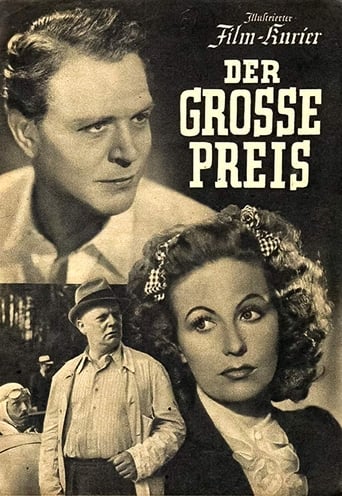
7.0The moral is simple: keep your mouth shut, especially when you're working during the wartime in a factory, which produces racing cars only, or someone can (or even must) get murdered. Not a good movie, not a bad either. The ending is abrupt and artificial, which seems to be a common plague of Third Reich's crime movies. Gustav Fröhlich could never get rid of his silent era mannerisms and overacting. But on the other side, this film is not boring and has to offer some decent plot turns and acting.
The Grand Prix
1944
No synopsis available yet.
Amico
1949
 7.0
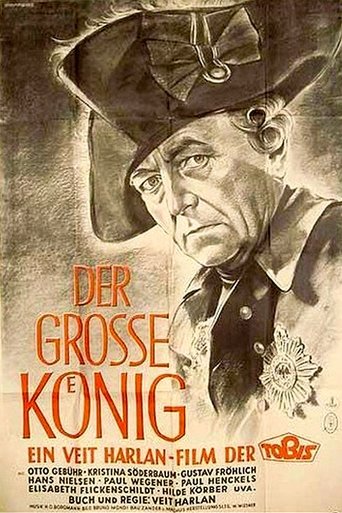
7.0King Frederick II (aka "Frederick the Great") of Prussia is engaged in a major battle against the Austrian army at Kunersdorf, and things aren't going well. The Austrians are inflicting major casualties, and his army is beginning to crumble. Defeat seems inevitable when a combination of events gives him hope that he may pull victory from the jaws of defeat after all.
The Great King
1942
No synopsis available yet.
Kamerad Hedwig
1945
A Nazi propaganda film which aims to justify the invasion of Poland by portraying the plight of ethnic Germans in Poland who were discriminated against and oppressed by the Poles, and how they were saved by the intervention of the German army.
Homecoming
1941
 8.0
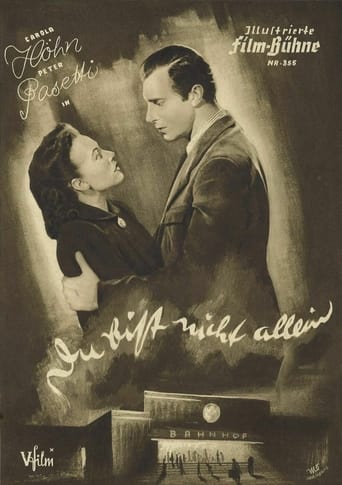
8.0No synopsis available yet.
Du bist nicht allein
1949
For a long time, Paul Warkentin had heard nothing from his father. The rift had occurred when Paul, despite passing his exams at agricultural school, decided not to take over his father's farm in West Prussia, but instead to go to Berlin to work for a publishing house. Now Paul has received news of his father's death, and he must return to his hometown to take possession of the farm as his heir.
Life Calls
1944
Inge Peters has a guilty conscience. She told her mother, that she’d be going to the weekend house at the lake with her friend Barbara, but in reality, the horny girl is taking Peter with her. She’s afraid, that if mom finds out, she’s gonna lecture her again, starting with the slogan, “In your time as it once was in mine …” So Inge spends her nights in bed dreaming dreams of young ladies breaking moral taboos … just like she did and about which she now has to deceive her mother. The next morning, she runs to the shore of the lake to spend time with her Peter, only to see mom standing before the two young teens.
Seinerzeit zu meiner Zeit
1944
 9.0
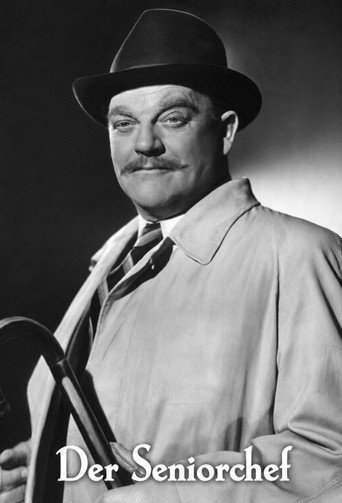
9.0A horse trader from Berlin, once a farmer in Southwest Africa, manages to drive his children out of the house and anger his wife. After serious complications with his heart, which he tried to hide at first, he realizes how much he needs the love and support of his family. The oldest son returns from Argentina and proves his abilities.
The Old Boss
1942
 8.0
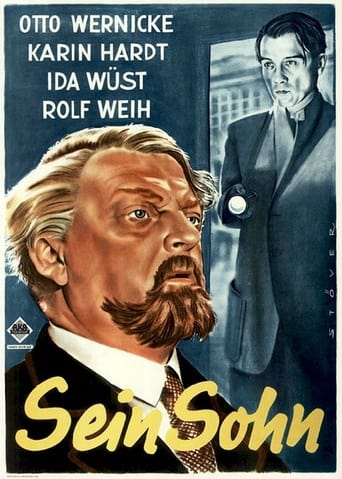
8.0For many years, old Mr. Brugg has been employed at the jewelry store owned by the elegant Mrs. Hellmers. His son Peter has also been working there for some time as a salesman and hopes for a promotion. When Mr. Brugg is knocked unconscious during a robbery, Mrs. Hellmers sends him into well-deserved retirement. Peter then takes over his father's position as manager, which forces him to break off contact with the young employee Charlotte – he wants to find a more suitable bride. He seems to have found her in Brigitte, Mrs. Hellmers' niece, but she doesn't want much to do with him.
His Son
1942
1930s · 36 titles
8.1In this classic German thriller, Hans Beckert, a serial killer who preys on children, becomes the focus of a massive Berlin police manhunt. Beckert's heinous crimes are so repellant and disruptive to city life that he is even targeted by others in the seedy underworld network. With both cops and criminals in pursuit, the murderer soon realizes that people are on his trail, sending him into a tense, panicked attempt to escape justice.
M
1931
7.6After a detective is assaulted by thugs and placed in an asylum run by Professor Baum, he observes the professor's preoccupation with another patient, the criminal genius Dr. Mabuse the hypnotist. When Mabuse's notes are found to be connected with a rash of recent crimes, Commissioner Lohmann must determine how Mabuse is communicating with the criminals, despite conflicting reports on the doctor's whereabouts, and capture him for good.
The Testament of Dr. Mabuse
1933
5.7In 1848, the freedom-loving Hungarian people, led by Ludwig Kossuth, rose up against the hated rule of the Austrian Habsburg dynasty. In its expansionist policy, the Austrian monarchy had long relied on Hungarian feudal lords who betrayed the interests of their people. The anger of the rebels was directed against the Austrian oppressors and their Hungarian supporters. Against the backdrop of these historical events, the personal fate of the Hungarian patriot Maria Ilona is shown.
Maria Ilona
1939
A son, in defending Prussia circa 1814 under the thumb of Napoleon, washes away the disgrace of his aristocrat father who had collaborated with the French and caused the deaths of countrymen.
Cat Walk
1937
 9.0
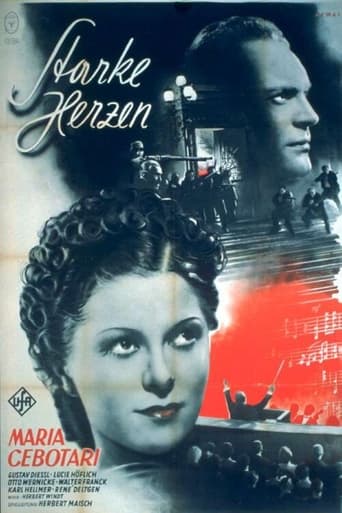
9.0On the eve of the Russian Revolution, a performance of "Tosca" is taking place at the opera house. The artists and staff are too engrossed in their work to notice the unrest in the streets. The leading roles are played by Marina Marta and René Areno, who are also lovers. However, Marina has another admirer in Captain Alexander von Harbin. When, during the final performance, the insurgent communists suddenly storm the opera house, Alexander seems to be Marina's last hope…
Strong Hearts in the Storm
1937
 6.2
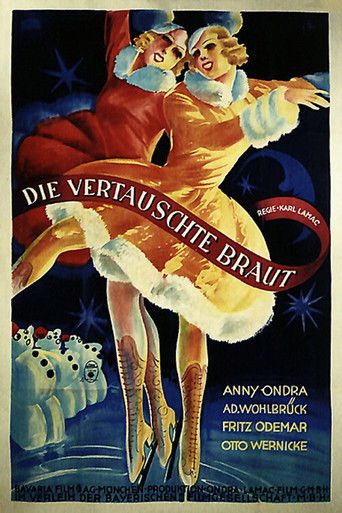
6.2Capricious Lady Virginia has an unexpected double in a girl who works at a fair and wishes for a beauty salon. When the first one's eccentricities lead to her arrest, the second is paid for going to prison. There she meets Charles, Virginia's suitor. When out of jail she will have to fight not only for him but for going through with the leading role in a skating show.
The Switched Bride
1934
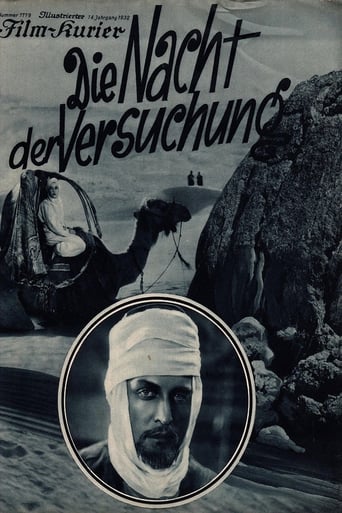 6.5
6.5No synopsis available yet.
The Night of Temptation
1932
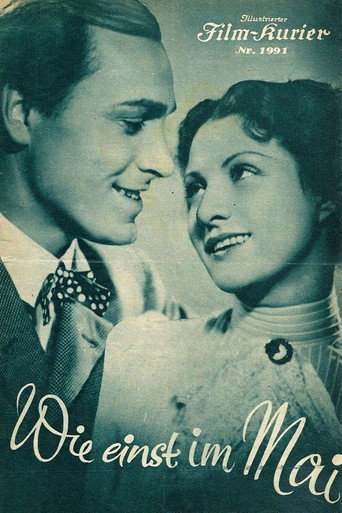 10.0
10.01900: Much to the chagrin of Baron Uhlendorff in Schoneberg, the city of Berlin is expanding. But what is much worse is that his son George is in love with Traute, the daughter of the master carpenter Schradecke. So the son must leave for South America as a diplomat and Father Schradecke has to intercept his letters to his daughter. Traute is inconsolable; 1913: The early days of the small artisans have now given way to them becoming big businessmen. Traute continues to wait for George in spite of the stubborn proposing by the carpenter Paul Buttner.
Wie einst im Mai
1938
The clever Zacharias Bräsig is a good friend to all and tries to help out, where he can. Bräsig also meddles in the relationships of young people, so that by the end of the film, there's a double marriage.
Onkel Bräsig
1936
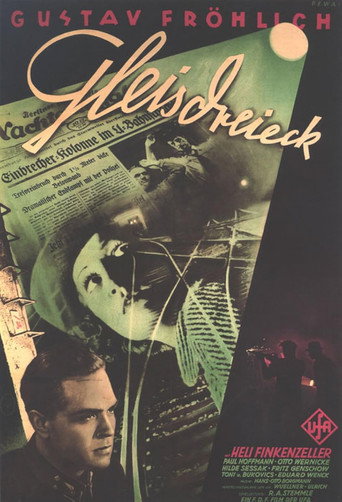 5.8
5.8Dark love story.
Gleisdreieck
1937
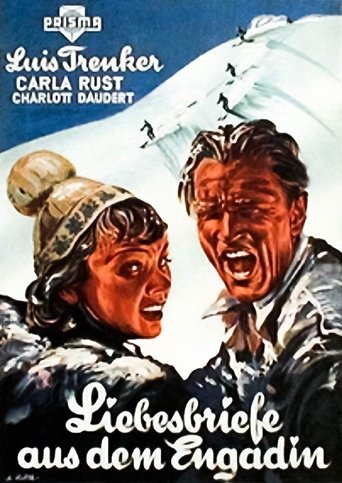 6.0
6.0Constance, the young widow of a wealthy American, gets a love letter from the Engadine region, signed by the famous guide Toni Anewater she had met during a holiday in the previous year. Constanze and her friend Dorothy therefore go to Switzerland for winter sports. But identical love letters to other ladies in London, Paris and Rome have been sent. Toni does not know anything about the letters. Everything seems to be a cunning of the hotel owner to attract tourists.
Love Letters from the Engadine
1938
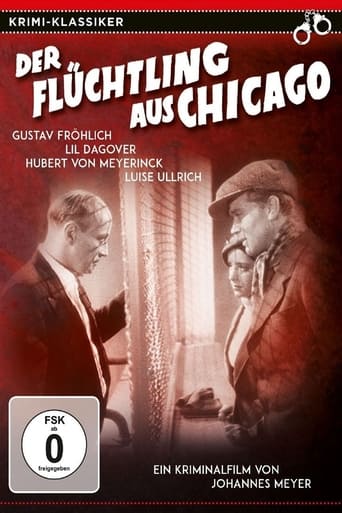 5.8
5.8Werner Dux, heir of the big car company "Dux-Werke", is a gambler who has just been arrested in Chicago for shooting a cardsharper. While in jail, he learns from his friend Michael Nissen that his father has died recently. That means that the Dux-Werke are without a leader at the moment, for Werner's cousin Steffie, who is his co-heiress, is still too young to run the firm. In this situation, Werner convinces his friend Michael, who is an engineer by profession, to take over the firm as long as he is in jail and to pose as him. Michael agrees and is able to bring the firm up again. He even arranges a reliability test for motorcycles via Istanbul, Rome and Barcelona, which creates a big Turkish order for the company. When the real Werner escapes from jail and arrives in Germany, it looks as if the whole story is up to bust. But Werner needs money, so he convinces Michael to go on as before and hand over all profits of the firm to him.
The Fugitive from Chicago
1934
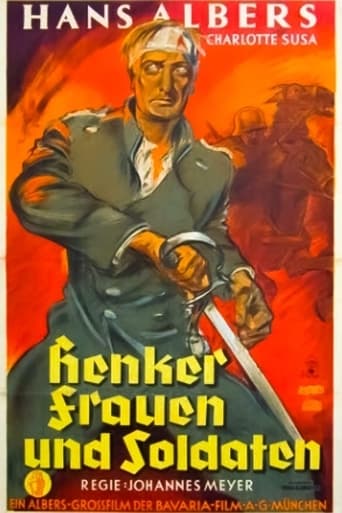 10.0
10.0Nazi propaganda film with Hans Albers starring in a dual role as a daring German airman and a Russian general, two cousins who find themselves facing each other in bitter enmity after the end of World War I.
Hangmen, Women, and Soldiers
1935
 7.0
7.0Film by Seitz.
Achtung! Wer kennt diese Frau?
1934
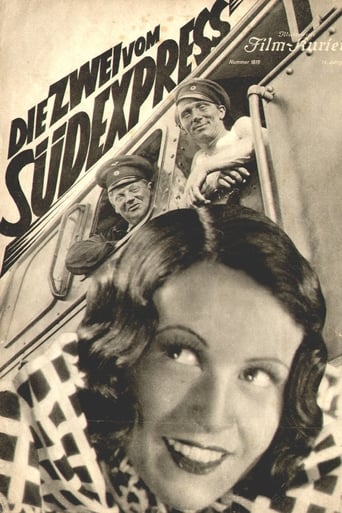 9.0
9.0A story of friendship, love, betrayal and jealousy, which the locomotive driver Karl and his coalman Hans experience. They’re both let down by the same girl and their old friendship, which soon almost develops into hate, blooms anew in the end.
The Two from South Express
1932
 7.0
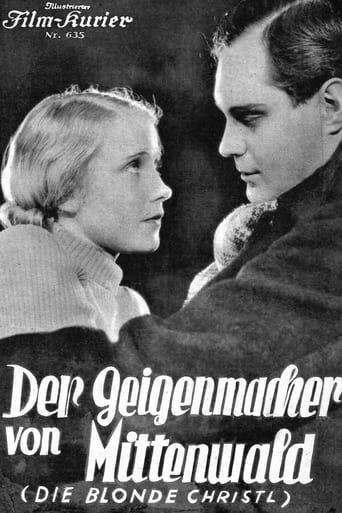
7.0Hans, a young journeyman violin maker, meets and falls in love with Christel. But he has to go to Milan for a year. Before he leaves, the two get engaged. Christel's mother, who is against the union, intercepts Hans' letters from Italy.
Die blonde Christl
1933
 6.4
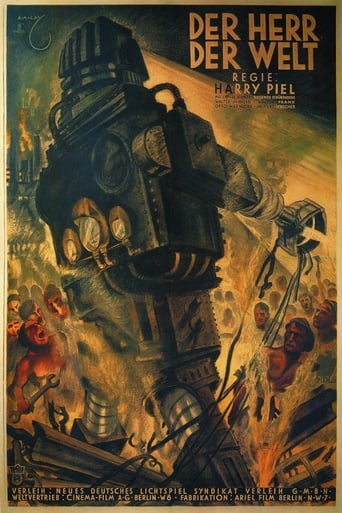
6.4A German scientist designs and builds a machine that will do dangerous work instead of placing humans in jeopardy. But the machine itself turns out to have disastrous effects on the people involved.
Master of the World
1934
In the small town of New Frisco in Alberta, Canada, a stranger named Norton arrives, checks into the most expensive hotel room, and begins courting a saleswoman named Doris. Without revealing anything further to the residents, he starts tinkering with a piece of land outside of town, which arouses considerable interest in him. Inspector de Lacy also becomes very concerned about Norton, even though there is no evidence of any wrongdoing.
Gold in New Frisco
1939
 7.0
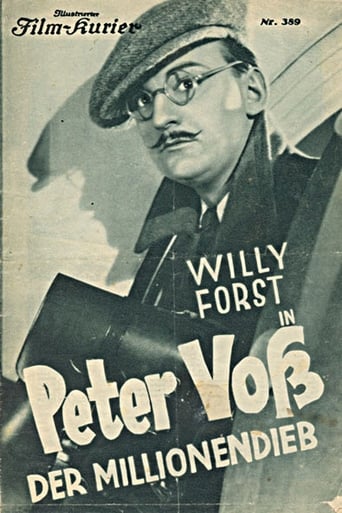
7.0When the wealthy Mr. Pitt decides to withdraw a sum in the millions, the Schilling & Co. bank faces ruin. To save it, the authorized signatory Peter Voß stages a break-in in which two million marks are allegedly stolen.
Peter Voss, Thief of Millions
1932
 7.0
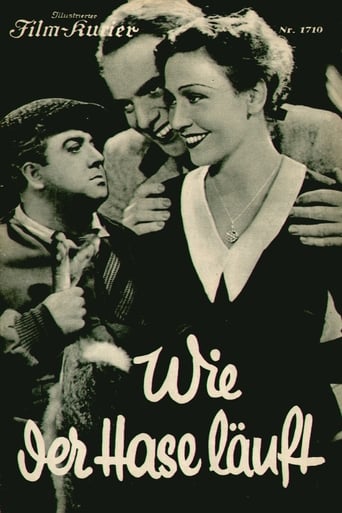
7.0Whenever Pastor Piepenbrink gets his “deputatsrabbit”, there’s a frenzy in Pumpelshausen. For every time the rabbit is hung on the gable of the parsonage, every man in the village has the ambition to kidnap it. For that reason, the field watch Fuchtel is going to guard it with his pistol. Gustav Rabbit is to be kidnapped once again this year; but Marianne, the beautiful daughter of the town elder, is determined to save it from this fate and convinces a holiday guest, the singer Kasimir Haase, to pull down the rabbit. And it just so happens that the pastor’s house is attacked from several sides. The next morening, the rabbit is still on the gable … but stuffed. The storm begins; who has the real rabbit?!?
Wie der Hase läuft
1937
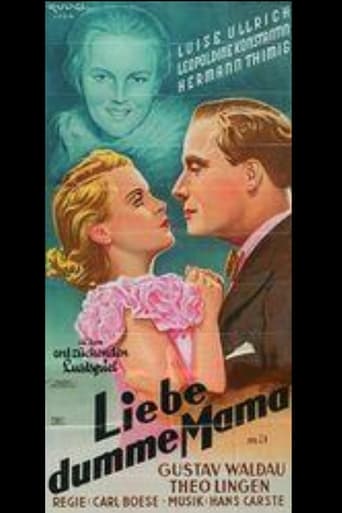 8.0
8.0A youngster takes over a high class hotel that the mother has been running into the ground and turns it into a successful enterprise.
Stupid Mama
1934
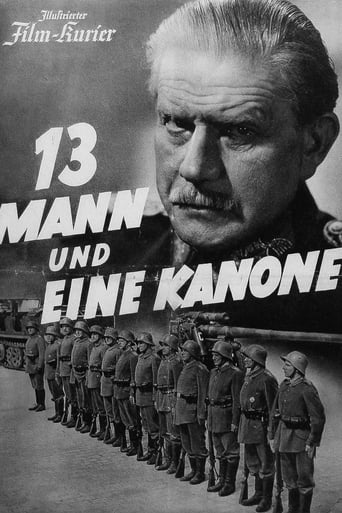 5.8
5.8World War I, Eastern Front. A special battery consisting of thirteen soldiers and one cannon successfully holds back the enemy. But then the position of the gun is betrayed to the Russians and the cannon is destroyed. Each of the thirteen men is now suspected of being the traitor.
Thirteen Men and a Cannon
1938
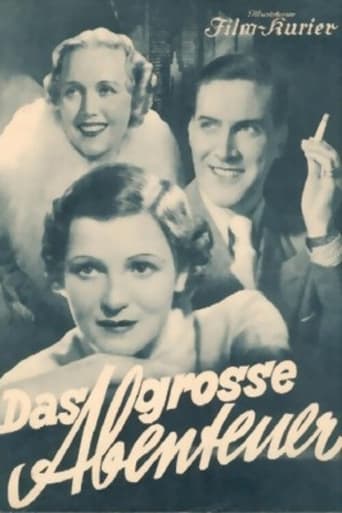 6.0
6.0No synopsis available yet.
Das große Abenteuer
1938
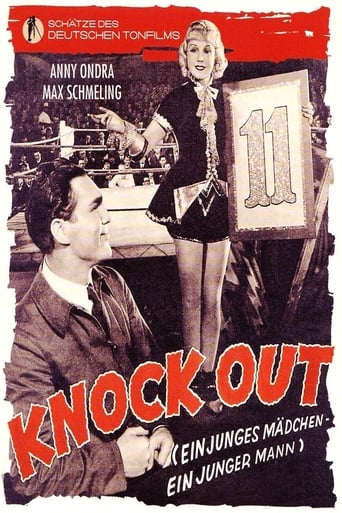 7.0
7.0Marianne is an accountant, but since she is so pretty the employment agency sends her to the theater. There, Max's gaffer falls in love with Marianne and persuades her to stay at the theater. Once he has to defend her against a professional boxer who harasses her. Although Max loses his position, but receives an offer from Box Manager Schmidtchen. When Max learns that Marianne is engaged, he goes to Schmidtchen's boxing school in Hamburg.
Knockout – Ein junges Mädchen, ein junger Mann
1935
 8.0
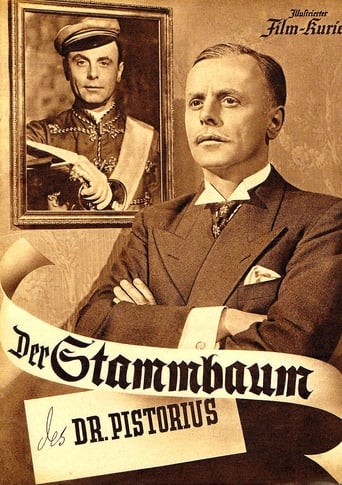
8.0No synopsis available yet.
Der Stammbaum des Dr. Pistorius
1939
 6.1
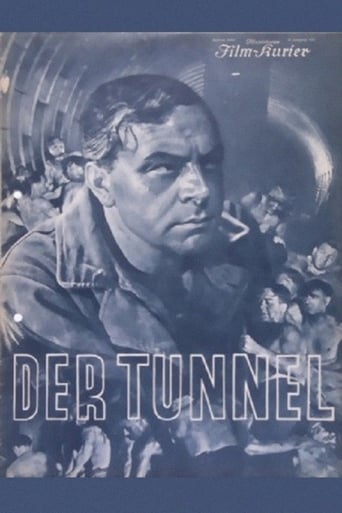
6.1The engineer MacAllan designs a tunnel, which will join America and Europe together on the seabed. A group of American billionaires are financing the gigantic project, but the construction of the tunnel is proving to be as tedious as it is dangerous. MacAllan's worst enemy is the speculator Woolf, who had embezzled the money for the construction and who is attempting to cover up his crime by carrying out acts of sabotage. Also filmed in 1933 in a French-language version, LE TUNNEL, and remade in 1935 in England as TRANSATLATIC TUNNEL.
Der Tunnel
1933
 9.0
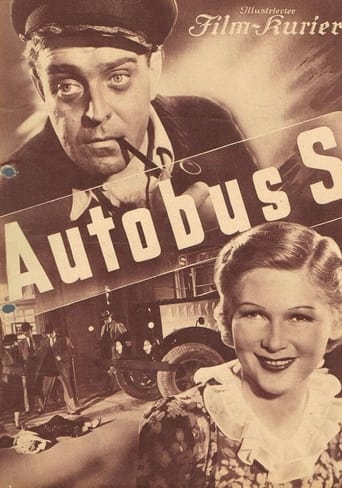
9.0Bus driver Jonny wants to marry Grete, but she is jealous, and when he wrecks his bus, gets robbed by burglars and is implicated in an insurance fraud he decides to leave town and sign up on a ship as a sailor.
Autobus S
1937
 5.5
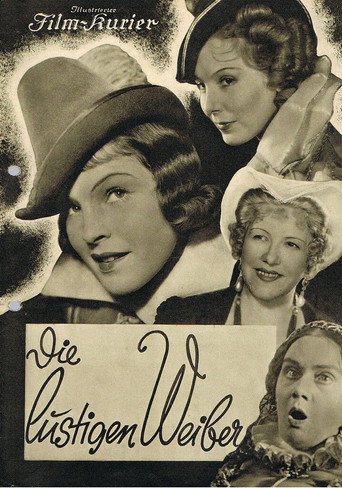
5.5When Sir John Falstaff decides that he wants to have a little fun he writes two letters to a pair of Window wives: Mistress Ford and Mistress Page. When they put their heads together and compare missives, they plan a practical joke or two to teach the knight a lesson. But Mistress Ford's husband is a very jealous man and is pumping Falstaff for information of the affair. Meanwhile the Pages' daughter Anne is besieged by suitors.
The Merry Wives
1936
 8.0
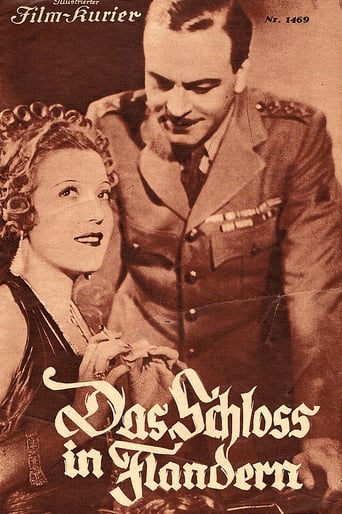
8.0Officers stationed in a castle in Flandes during WWI are comforted by Gloria Delamare's recorded voice. One of them even writes her a letter that will never be sent. When the war is over Miss Delamare takes a tour in Belgium and spends a night in that castle. Most unexpectedly her former admirer appears and they dine and dance together. In the morning he has disappeared and she finds the letter. She tries to find him, only to discover he is presumably dead and involved in a family secret.
A Castle in Flanders
1936
 8.0
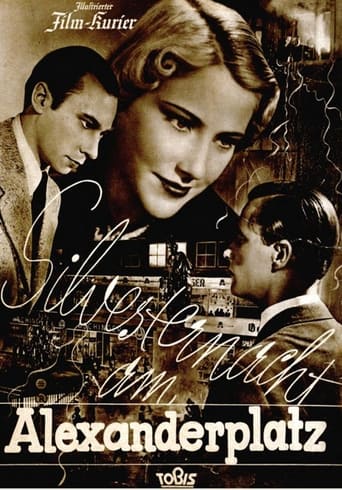
8.0New Year’s Eve should be a time of joy for everyone. But Herr Reinhardt has decided to take his life on this evening. During his last conversation with his friend, Dr. Storp, the good doctor convinced him to wait until the following morning to kick the bucket and instead spend a happy evening with him in the emergency room on Alexanderplatz. It turns out to be an instructive night for Reinhardt. Life’s different fates play out before his eyes.
Silvesternacht am Alexanderplatz
1939
 6.1
6.1Bohemia in the 19th century, stage-coach driver Hans loves the mayor's daughter Marie, but she is promised Wenzel, the son of another wealthy farmer. Marie refuses to marry Wenzel because of Hans, but the marriage arranger tries to "buy" Marie from Hans. But when Wenzel tells Hans that he doesn't want to marry Marie either because he loves circus director Brummel's daughter, Hans decides to accept the offer of money for not interfering in the relations of Hans and Marie. But when Marie hears about this, she doesn't want to see Hans again.
The Bartered Bride
1932
No synopsis available yet.
Ein Lied verklingt
1939
Fritz Holl owns a plantation in Cameroon. He works hard and, with the help of his wife, Helene, also cares for his sister Anna, who became blind after an accident. Fritz is very concerned about Helene, for his once vivacious wife has become depressed. For a while now, Herbert, Fritz’s younger brother, has been living on the farm. Herbert is no big help to Fritz because he's reclusive and an alcoholic. Herbert Miller, the farm's administrator, is overheard in a bar telling someone that he recently split up with his girlfriend Marianne back in Hamburg. In Hamburg, Marianne Carsten has gotten engaged to Kurt von Kollinghausen. She soon realizes, however, that the arrogant Kurt isn't the man for her and she now wants Herbert back. Her father understands and wants to send her off to Cameroon. While Marianne flies to Cameroon, Herbert takes the ship back to Hamburg because he's going to sell his brother's cocoa crop in Germany.
Eine Frau kommt in die Tropen
1938
After many years in Africa, a man returns to his village in East Prussia to marry his intended bride. However, he finds himself drawn to another girl and contemplates running away with her.
Midsummer Night's Fire
1939
 7.0
7.0This is essentially a "Kraft durch Freude" propaganda film though the organization is never mentioned. A company's three day outing might very well be the last because bankruptcy is just around the corner. The people on the trip have all their individual problems and wishes, too. This episodic film might sound quite promising considering the basic idea but its script is determinedly optimistic and leads everything and anything to a happy end. The dramatic parts are finished in a rather implausible way, the comedic are terribly predictable. There's a badly misjudged singing scene in the bus, some bavarian shtick, the Regensburger Domspatzen are singing in Augsburg and so on...
Three Wonderful Days
1939
 6.6
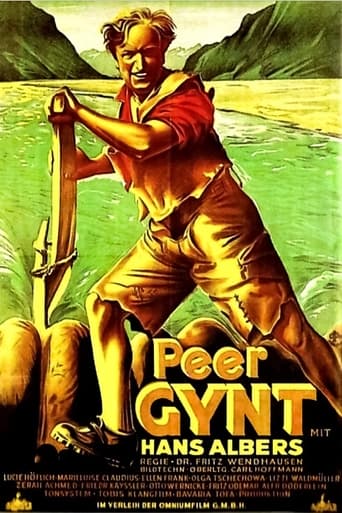
6.6Fun-loving Peer Gynt lives carefree on his parents' farm. Only his mother is a fixed point of reference; he doesn't think much of regular work and an orderly life. His mother's death brings him closer to the young Solveig, but he leaves her and his homeland to make his fortune in America.
Peer Gynt
1934
