
Acting
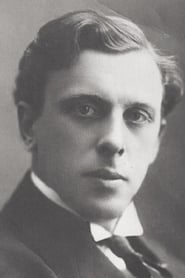
Vitold Polonsky
Born — Died
1879-01-01 — 1919-01-05
Place of birth
Moscow, Russian Empire [now Russia]
Known for
Acting
Credits
24 titles
Vitold Polonsky was a Russian silent films actor.
Known for
 6.5
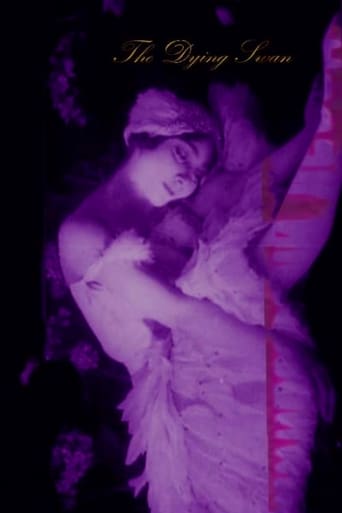
6.5After being betrayed by her playboy lover, a heartbroken mute young woman joins a ballet company; during a performance of “The Dying Swan,” she enraptures a painter obsessed with portraying death genuinely.
The Dying Swan
1917
 5.8
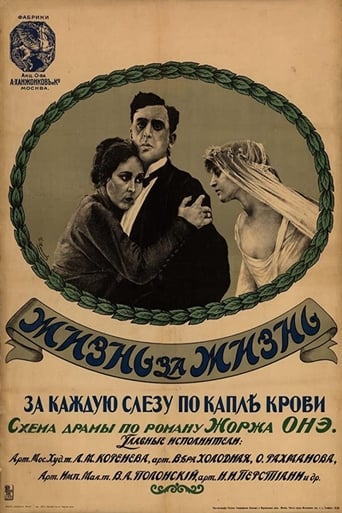
5.8Wealthy Mrs. Khromova has a natural daughter, Musya, and an adopted daughter, Nata. The merchant Zhurov is in love with Nata, and hopes to marry her, but she is non-committal.
A Life for a Life
1916
 6.0
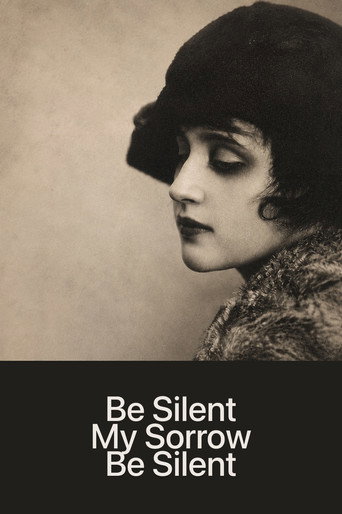
6.0Paula is a circus performer married to the alcoholic clown-acrobat Lorio. Lorio's heavy drinking leads to him being severely injured during a performance. This forces Paula and the now-crippled Lorio to become street musicians. This film formerly ran to 81 minutes – regrettably, the second half is considered lost.
Be Silent, My Sorrow, Be Silent
1918
 NR
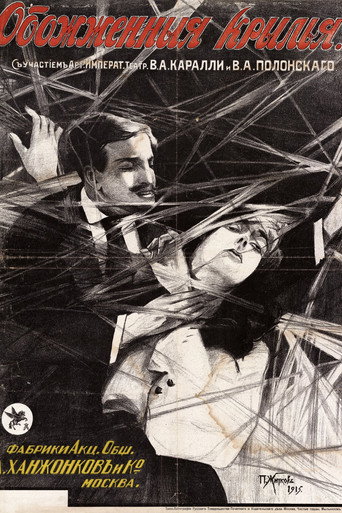
NRLost movie.
Burnt Wings
1915
 6.7
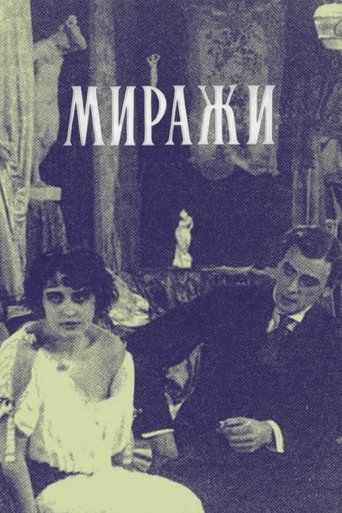
6.7Marianna advertises for work as a reader and is employed by the reclusive millionaire Dymov. Appreciative of her sensitive, artistic nature, and of her youthful innocence and purity, Dymov is protective of Marianna and shields her from the attentions of his philandering playboy son. Marianna confesses to her fiancé Sergei that, at times, she feels deeply conflicted, drawn by the seductive lure of wealth and luxury. When her protector Dymov dies, his son begins to pursue her. Can Marianna resist her attraction to the opulent lifestyle that Dymov's son offers?
Mirages
1916
 NR
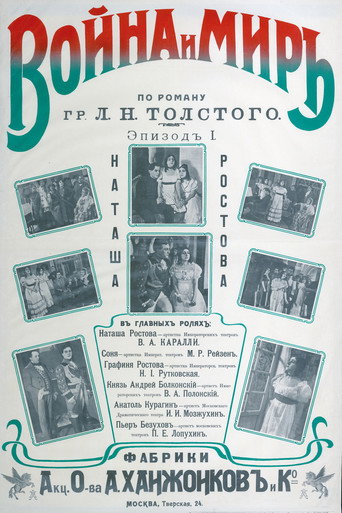
NRLost film based on Leo Tolstoy's story from War and Peace novel.
Natasha Rostova
1915
Film credits
1910s · 22 titles
6.5After being betrayed by her playboy lover, a heartbroken mute young woman joins a ballet company; during a performance of “The Dying Swan,” she enraptures a painter obsessed with portraying death genuinely.
The Dying Swan
1917
5.8Wealthy Mrs. Khromova has a natural daughter, Musya, and an adopted daughter, Nata. The merchant Zhurov is in love with Nata, and hopes to marry her, but she is non-committal.
A Life for a Life
1916
6.0Paula is a circus performer married to the alcoholic clown-acrobat Lorio. Lorio's heavy drinking leads to him being severely injured during a performance. This forces Paula and the now-crippled Lorio to become street musicians. This film formerly ran to 81 minutes – regrettably, the second half is considered lost.
Be Silent, My Sorrow, Be Silent
1918
NRLost movie.
Burnt Wings
1915
6.7Marianna advertises for work as a reader and is employed by the reclusive millionaire Dymov. Appreciative of her sensitive, artistic nature, and of her youthful innocence and purity, Dymov is protective of Marianna and shields her from the attentions of his philandering playboy son. Marianna confesses to her fiancé Sergei that, at times, she feels deeply conflicted, drawn by the seductive lure of wealth and luxury. When her protector Dymov dies, his son begins to pursue her. Can Marianna resist her attraction to the opulent lifestyle that Dymov's son offers?
Mirages
1916
NRLost film based on Leo Tolstoy's story from War and Peace novel.
Natasha Rostova
1915
 NR
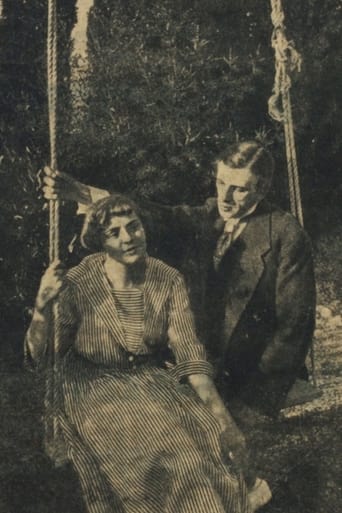
NRNo synopsis available yet.
God of Vengeance
1918
 NR
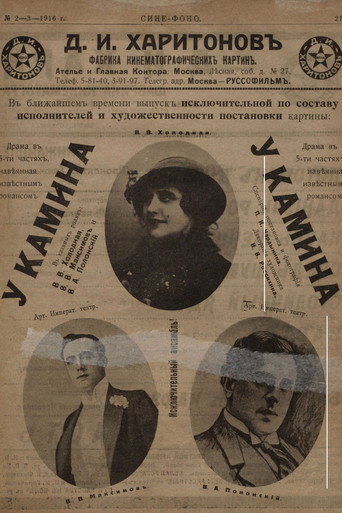
NRLost film.
By the Fireplace
1917
 7.0
7.0No synopsis available yet.
The Gentry's Ball
1918
 NR
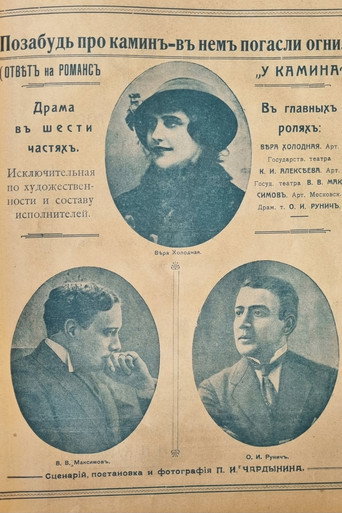
NRContinuation of Chardynin's drama By the Fireplace. Lost film.
Forget the Fireplace; the Lights Went out in It ...
1917
 NR
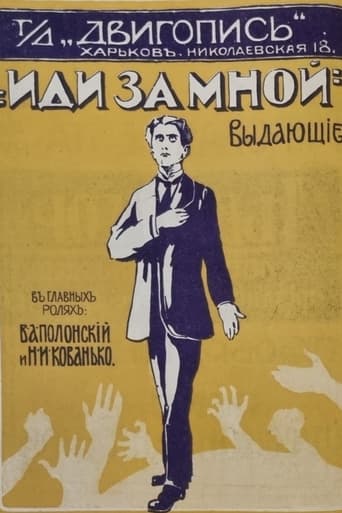
NRBased on a play by Aleksandr Kaminskiĭ.
Follow Me
1917
 NR
NRNo synopsis available yet.
Shadows of Sin
1915
 5.8
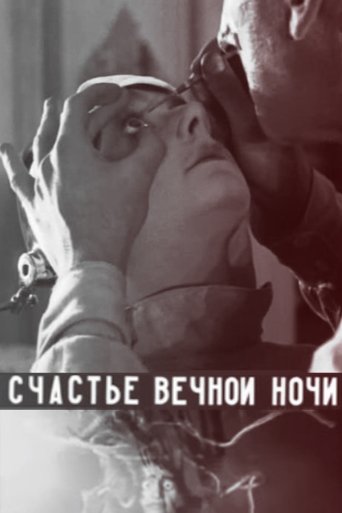
5.8A blind woman is cured by a doctor, but when her sight is restored she accidently mistakes her kind lover for his wayward younger brother and no one deems to correct her ‘fearing for her psyche’.
The Happiness of Eternal Night
1915
 6.0
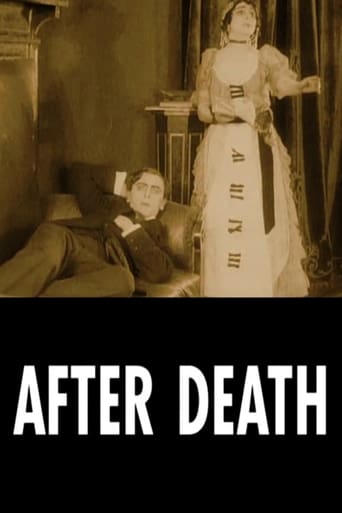
6.0Young scholar Andrei, fascinated by haunting actress Zoia Kadmina, is surprised when she sends him a note. The two have a brief scheduled meeting, then three months later Andrei is shocked to learn she has died. He becomes obsessed with Zoia's memory and decides he must find out all that he can about her.
After Death
1915
 5.4
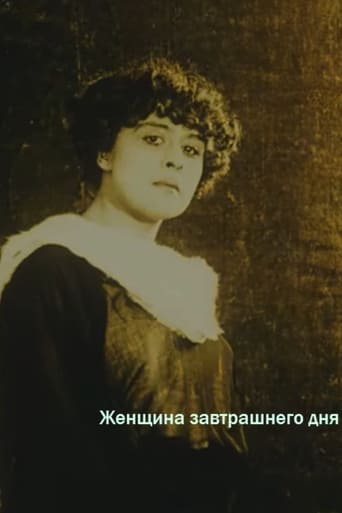
5.4A female doctor is so busy with her work that she has too little time for her fiancé. He falls in love with a waitress and the two have a child. Though considered by some to be a proto-feminist yarn, the film dwells on the consequences that equal rights for women may generate rather than openly champion suffrage. Similar in to Ibsen's The Doll House in many ways, the film provides mannered, solemn melodrama, ably acted by Mosjoukine and Yureneva.
Woman of Tomorrow
1914
 NR
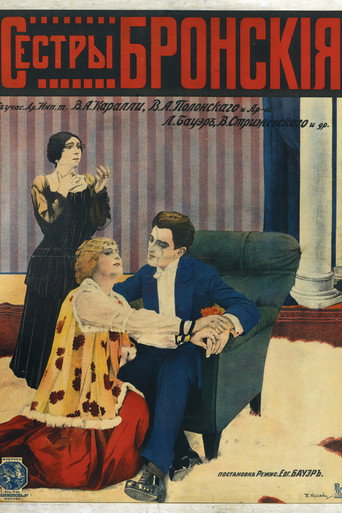
NRDrama of the rivalry between two sisters who love the same man. Lost film.
Bronskiy Sisters
1916
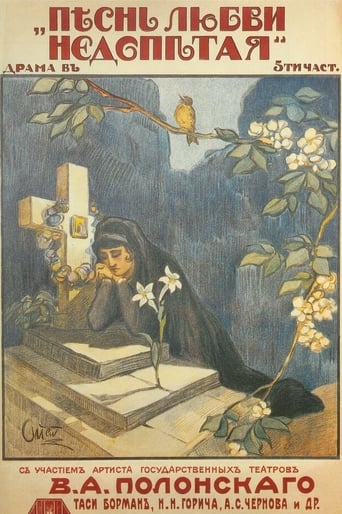 NR
NRNo synopsis available yet.
Unfinished Love Song
1918
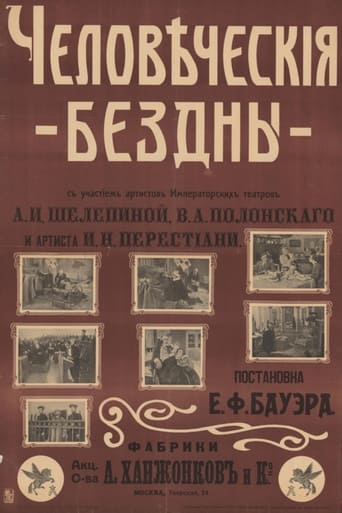 NR
NR“Chelovecheskie bezdny is an excellent sample of the “high style”, brought to perfection in Yevgeni Bauer’s melodramas. A stage set designer by training, Bauer relied on drapes, curtains and columns, which divided the set into sections but were also used to disguise the lights. Wall ledges, fireplaces and couches served the same purpose. All this led to an impressive depth and at times provided an almost stereoscopic effect.“ Peter Bagrov
Human Abysses
1916
 9.0
9.0No synopsis available yet.
Song of Triumphant Love
1915
 NR
NRNo synopsis available yet.
Metropolitan Poison
1917
 NR
NRNo synopsis available yet.
Queen Of The Screen
1916
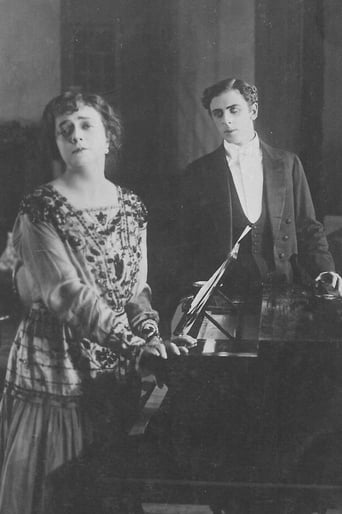 NR
NRNo synopsis available yet.
The Retribution
1916