
Writing
Fred W. Friendly
Born — Died
1915-10-30 — 1998-03-03
Place of birth
New York City, New York, U.S.
Known for
Writing
Credits
7 titles
Fred W. Friendly (born Ferdinand Friendly Wachenheimer, October 30, 1915 – March 3, 1998) was a president of CBS News and the creator, along with Edward R. Murrow, of the documentary television program "See It Now". He originated the concept of public-access television cable TV channels.
Known for
 8.0
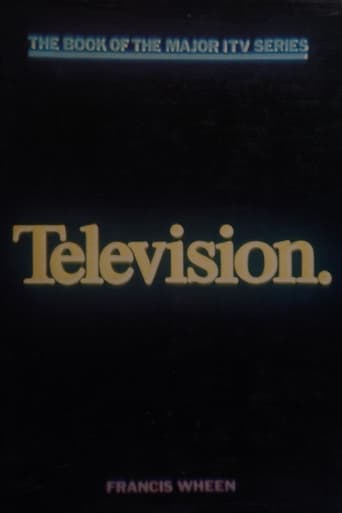
8.0Exhaustive 13-part survey of the television medium from its hesitant beginnings in the 1920s to the multi-million dollar extravaganzas of today and the cable and satellite technologies of the future [relative to 1985]. Tackling the medium as a worldwide phenomenon, the series examines each of the principal areas of programming - news, drama, documentaries, and light entertainment - and the unique impact of "live" coverage.
Television
1985
 6.6
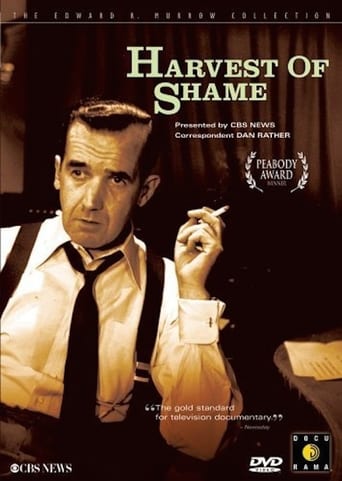
6.6In this CBS News production broadcast on Thanksgiving 1960, Edward R. Murrow points out the plight of migrant farm workers in America. Topics range from the harsh living conditions, endless travel, low wages, and poor opportunities for their children.
CBS Reports: Harvest of Shame
1960
CBS News correspondent Edward R. Murrow reports on the integration problem in Norfolk, VA. and the civil rights issues involved in educating children.
The Lost Class of '59
1959
 6.5
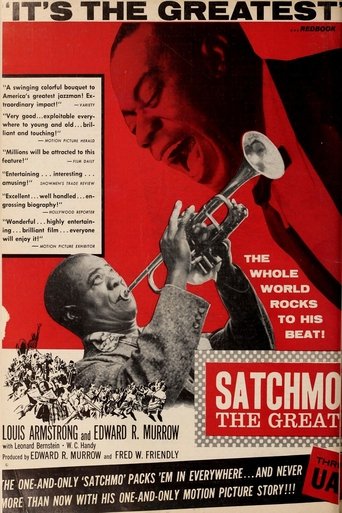
6.5In this 1957 biography film of the jazz-great Louis "Satchmo" Armstrong, he and his band tour the world as American good-will ambassadors bring jazz at its best to the people of the world. Within the film, the life of Louis Armstrong is portrayed through the music. One of the outstanding scenes in this "biography/docudrama" shows blind songwriter W. C. Handy, with tears streaming down his face, as Armstrong, backed by Leonard Bernstein leading the New York Philharmonic Orchestra, play Handy's immortal "St. Louis Blues."
Satchmo the Great
1957
 NR
NRA 1953 U.S. civil defense preparedness film simulating an undetected air attack on New York City to promote civilian aircraft-spotter volunteer programs, narrated by Edward R. Murrow and directed by Don Hewitt.
One Plane, One Bomb
1953
Series credits
Behind the camera
6.6In this CBS News production broadcast on Thanksgiving 1960, Edward R. Murrow points out the plight of migrant farm workers in America. Topics range from the harsh living conditions, endless travel, low wages, and poor opportunities for their children.
CBS Reports: Harvest of Shame
1960
6.6In this CBS News production broadcast on Thanksgiving 1960, Edward R. Murrow points out the plight of migrant farm workers in America. Topics range from the harsh living conditions, endless travel, low wages, and poor opportunities for their children.
CBS Reports: Harvest of Shame
1960
6.6In this CBS News production broadcast on Thanksgiving 1960, Edward R. Murrow points out the plight of migrant farm workers in America. Topics range from the harsh living conditions, endless travel, low wages, and poor opportunities for their children.
CBS Reports: Harvest of Shame
1960
CBS News correspondent Edward R. Murrow reports on the integration problem in Norfolk, VA. and the civil rights issues involved in educating children.
The Lost Class of '59
1959
6.5In this 1957 biography film of the jazz-great Louis "Satchmo" Armstrong, he and his band tour the world as American good-will ambassadors bring jazz at its best to the people of the world. Within the film, the life of Louis Armstrong is portrayed through the music. One of the outstanding scenes in this "biography/docudrama" shows blind songwriter W. C. Handy, with tears streaming down his face, as Armstrong, backed by Leonard Bernstein leading the New York Philharmonic Orchestra, play Handy's immortal "St. Louis Blues."
Satchmo the Great
1957
NRA 1953 U.S. civil defense preparedness film simulating an undetected air attack on New York City to promote civilian aircraft-spotter volunteer programs, narrated by Edward R. Murrow and directed by Don Hewitt.
One Plane, One Bomb
1953