

Acting
Paul Amar
Born
1950-01-11 (76)
Place of birth
Constantine, Algeria
Known for
Acting
Credits
5 titles
Paul Amar (born 11 January 1950) is a French journalist and television presenter. Paul Amar graduated at the CFJ (Centre de Formation des Journalistes) of Paris. He began his career in 1971 at France Inter as a war correspondent in Phnom Penh, and then as a correspondent in Washington. In 1979, he joined Antenne 2 as a reporter. In 1980, he presented the night news and became chief of the political service in 1983. Since 1990, he presented the evening news 19/20 on FR3, and since 1992, the french evening news Journal de 20 heures on France 2. He was forced to resign after hosting, on 1 June 1994, a debate between Jean-Marie Le Pen and Bernard Tapie during the campaign preceding the Europea…
Known for
 3.6
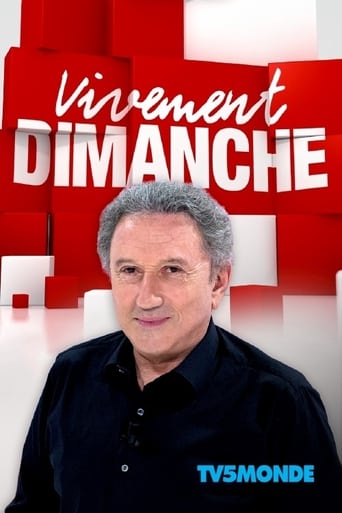
No synopsis available yet.
Vivement dimanche
1998
 8.5
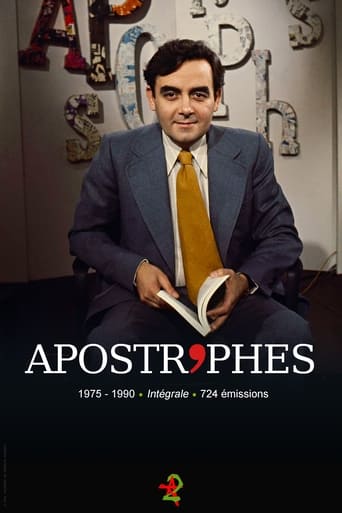
Apostrophes was a live, weekly, literary, prime-time, talk show on French television created and hosted by Bernard Pivot. It ran for fifteen years (724 episodes) from January 10, 1975, to June 22, 1990, and was one of the most watched shows on French television (around 6 million regular viewers). It was broadcast on Friday nights on the channel France 2 (which was called "Antenne 2" from 1975 to 1992). The hourlong show was devoted to books, authors and literature. The format varied between one-on-one interviews with a single author and open discussions between four or five authors.
Apostrophes
1975
 10.0
The behind-the-scenes story of French television… This documentary unveils the lesser-known history of two audiovisual decades that have shaped today's television. To explain from the break up of the French broadcasting service ORTF, in 1974, to the creation of Arte, via the birth of Canal+, the life and death of La Cinq and the privatization of TF1 — the succession of political, economic and cultural decisions that have shaped what is known as the “PAF” (French Audiovisual Landscape).
Télévision (histoires secrètes)
1996
 5.8
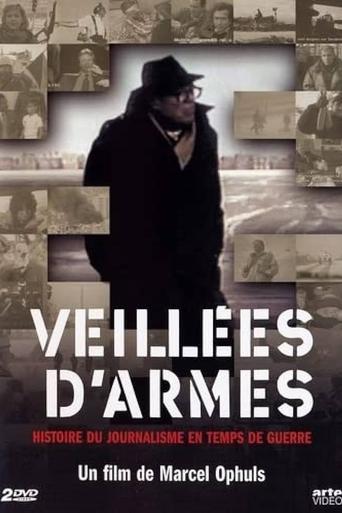
We follow Marcel Ophuls' two journeys to Sarajevo in 1993. He is starting a documentary about war correspondants. But this also becomes a reflexion about truth and life. The form consists in many interviews of mostly French and American journalists and reporters of television or newspapers.
The Troubles We've Seen
1994
 7.0
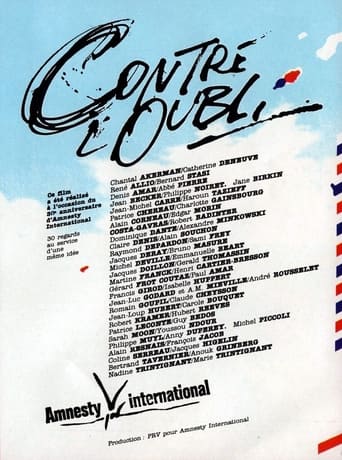
A compilation of 30 French filmmakers, Alain Resnais and Jean Luc Godard among them, who use film to make a plea on behalf of a political prisoner. Jean Luc Godard and Anne Marie Mieville's film concerns the plight of Thomas Wanggai, West Papuan activist who has since died in prison. The short films were commissioned by Amnesty International.
Lest We Forget
1991
Film credits
1990s · 2 titles
5.8We follow Marcel Ophuls' two journeys to Sarajevo in 1993. He is starting a documentary about war correspondants. But this also becomes a reflexion about truth and life. The form consists in many interviews of mostly French and American journalists and reporters of television or newspapers.
The Troubles We've Seen
1994
7.0A compilation of 30 French filmmakers, Alain Resnais and Jean Luc Godard among them, who use film to make a plea on behalf of a political prisoner. Jean Luc Godard and Anne Marie Mieville's film concerns the plight of Thomas Wanggai, West Papuan activist who has since died in prison. The short films were commissioned by Amnesty International.
Lest We Forget
1991
Series credits
3.6No synopsis available yet.
Vivement dimanche
1998
8.5Apostrophes was a live, weekly, literary, prime-time, talk show on French television created and hosted by Bernard Pivot. It ran for fifteen years (724 episodes) from January 10, 1975, to June 22, 1990, and was one of the most watched shows on French television (around 6 million regular viewers). It was broadcast on Friday nights on the channel France 2 (which was called "Antenne 2" from 1975 to 1992). The hourlong show was devoted to books, authors and literature. The format varied between one-on-one interviews with a single author and open discussions between four or five authors.
Apostrophes
1975
10.0The behind-the-scenes story of French television… This documentary unveils the lesser-known history of two audiovisual decades that have shaped today's television. To explain from the break up of the French broadcasting service ORTF, in 1974, to the creation of Arte, via the birth of Canal+, the life and death of La Cinq and the privatization of TF1 — the succession of political, economic and cultural decisions that have shaped what is known as the “PAF” (French Audiovisual Landscape).
Télévision (histoires secrètes)
1996