

Acting
Constance Ford
Born — Died
1923-07-01 — 1993-02-26
Place of birth
The Bronx, New York City, New York, USA
Known for
Acting
Credits
57 titles
Constance Ford (July 1, 1923 – February 26, 1993) was an American actress and model. She began her career in television in the 1950s, performing in live television dramas on "Studio One in Hollywood" (1948),"Armstrong Circle Theatre" (1950), "Goodyear Playhouse" (1951), and other acclaimed series, and playing recurring characters in four afternoon serials; "Rose Peabody" in "Search for Tomorrow" (1951), "Lynn Sherwood" in "Woman with a Past" (1954), "Eve Morris" in "The Edge of Night"(1956) and "Ada Davis Downs Hobson" in "Another World" (1964). Ford's assertive style made her a favorite of TV casting directors, and she was often featured in episodes of "Ponds Theater" (1953), "Bat Masterso…
Known for
 7.7
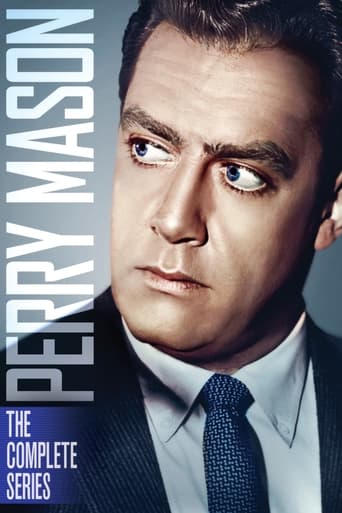
The cases of master criminal defense attorney Perry Mason and his staff who handled the most difficult of cases in the aid of the innocent.
Perry Mason
1957
 5.3
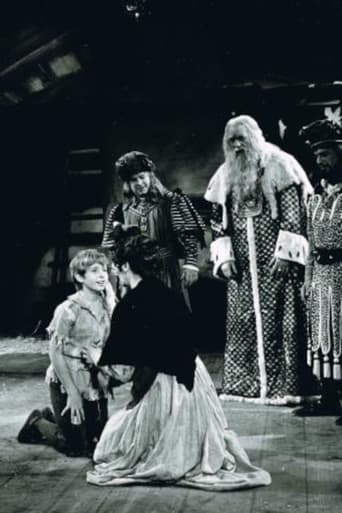
Matinee Theater is an American anthology series that aired on NBC during the Golden Age of Television, from 1955 to 1958. The series, which ran daily in the afternoon, was frequently live. It was produced by Albert McCleery, Darrell Ross, George Cahan and Frank Price with executive producer George Lowther. McCleery had previously produced the live series Cameo Theatre which introduced to television the concept of theater-in-the-round, TV plays staged with minimal sets. Jim Buckley of the Pewter Plough Playhouse recalled: When Al McCleery got back to the States, he originated a most ambitious theatrical TV series for NBC called Matinee Theater: to televise five different stage plays per week live, airing around noon in order to promote color TV to the American housewife as she labored over her ironing. Al was the producer. He hired five directors and five art directors. Richard Bennett, one of our first early presidents of the Pewter Plough Corporation, was one of the directors and I was one of the art directors and, as soon as we were through televising one play, we had lunch and then met to plan next week’s show. That was over 50 years ago, and I’m trying to think; I believe the TV art director is his own set decorator —yes, of course! It had to be, since one of McCleery’s chief claims to favor with the producers was his elimination of the setting per se and simply decorating the scene with a minimum of props. It took a bit of ingenuity.
Matinee Theater
1955
 8.5
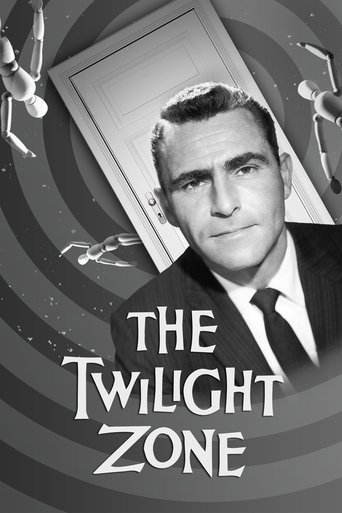
An anthology series containing drama, psychological thriller, fantasy, science fiction, suspense, and/or horror, often concluding with a macabre or unexpected twist.
The Twilight Zone
1959
 7.3
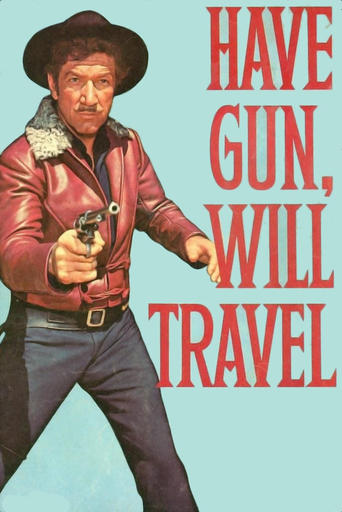
Have Gun – Will Travel is an American Western television series that aired on CBS from 1957 through 1963. It was rated number three or number four in the Nielsen ratings every year of its first four seasons. It was one of the few television shows to spawn a successful radio version. The radio series debuted November 23, 1958. The television show is presently shown on the Encore-Western channel. Have Gun – Will Travel was created by Sam Rolfe and Herb Meadow and produced by Frank Pierson, Don Ingalls, Robert Sparks, and Julian Claman. There were 225 episodes of the TV series, 24 written by Gene Roddenberry. Other contributors included Bruce Geller, Harry Julian Fink, Don Brinkley and Irving Wallace. Andrew McLaglen directed 101 episodes and 19 were directed by series star Richard Boone.
Have Gun, Will Travel
1957
 6.2
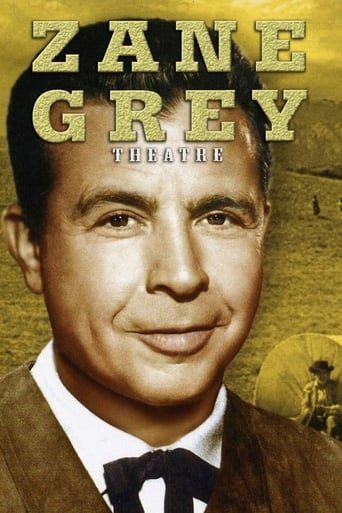
Dick Powell's Zane Grey Theatre, sometimes simply called Zane Grey Theatre, is an American Western anthology series which ran on CBS from 1956 to 1961.
Dick Powell's Zane Grey Theatre
1956
 5.7
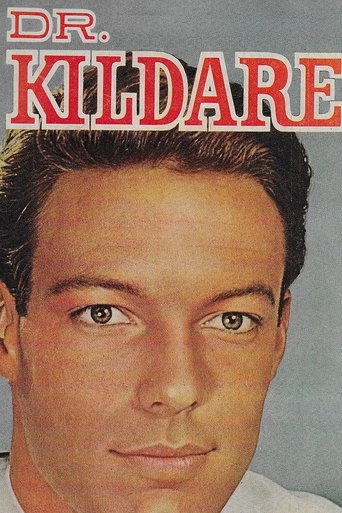
The story of a young intern in a large metropolitan hospital trying to learn his profession, deal with the problems of his patients, and win the respect of the senior doctor in his specialty, internal medicine.
Dr. Kildare
1961
Film credits
1960s · 8 titles
 6.9
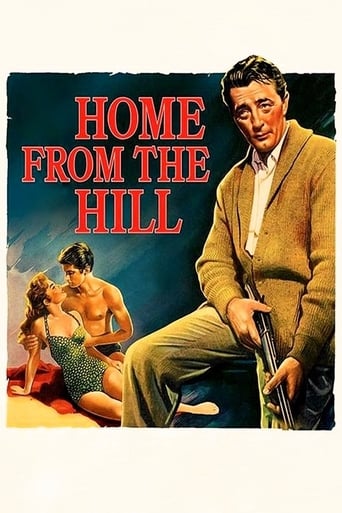
The wealthiest man in a Texas town decides to teach his teenage son how to hunt to make a man out of him.
Home from the Hill
1960
 6.4
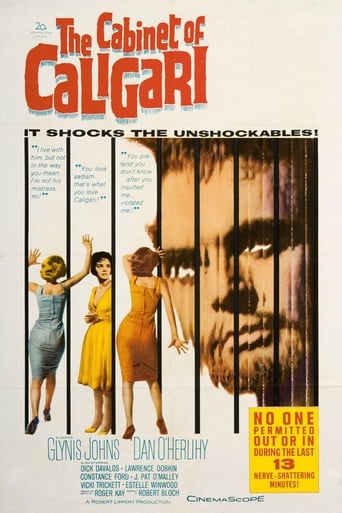
A delirious young woman feels trapped in a remote mansion at the mercy of a madman.
The Cabinet of Caligari
1962
 5.5
A man has his eyes set on controlling the Big Sag territory in Montana and hopes to achieve his goal by forcing a newly-arrived family from Texas from their land. Hoping to convince the local saloonkeeper to help him, the man sends his daughter into town with instructions for his potential partner. A storm waylays the daughter during her trip to town and she is forced to stay at the home of her father's intended victims, leading to an interesting turn or two.
Shootout at Big Sag
1962
 5.5
Prudence resigns from her teaching position after being criticized for giving a student her copy of a romance novel. She sails for Italy, takes a job at a small bookstore in Rome, and meets Don, who has just broken up with his girlfriend. Prudence and Don tour Italy together, and romance naturally follows.
Rome Adventure
1962
 6.0
Ralph and Annabell Willart are a feuding couple who are constantly bickering over their worthless, good-for-nothing son Berry-Berry. When Berry-Berry begins yet another meaningless love affair, this time with an older woman named Echo O’Brien, he really gets his parents at each others’ throats.
All Fall Down
1962
 5.4
An innocent, pregnant prison inmate (Shirley Knight) becomes the bad warden's (Andrew Duggan) personal favorite.
House of Women
1962
 6.4
This movie chronicles the trials of the mentally ill and their care-givers in an over-crowded ward of a hospital.
The Caretakers
1963
 5.2
A young daughter of poor farmers is forced by her mother to ditch her young boyfriend in order to marry an old rich neighbor but the girl rebels by becoming the town's harlot.
Claudelle Inglish
1961
1950s · 8 titles
 6.6
A self-made businessman rekindles a romance with a former flame while their two teenage children begin a romance of their own with drastic consequences for both couples.
A Summer Place
1959
 9.0
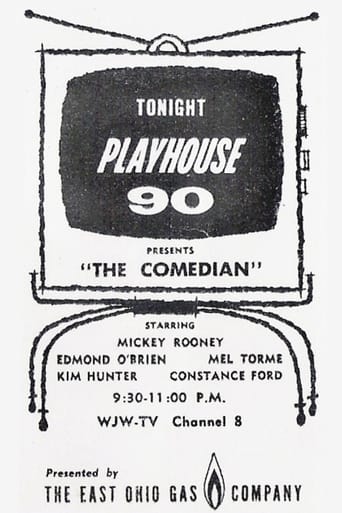
Sammy Hogarth, a vaudeville comedian who now has his own TV show, is a ruthless egomaniac who demands instant obedience from his staff and heaps abuse on those in lesser positions than his. His most vituperative behavior, however, is reserved for his weak-willed brother, Lester, whom Sammy has hired as his assistant but whom he really uses as his whipping boy.
The Comedian
1957
 6.9
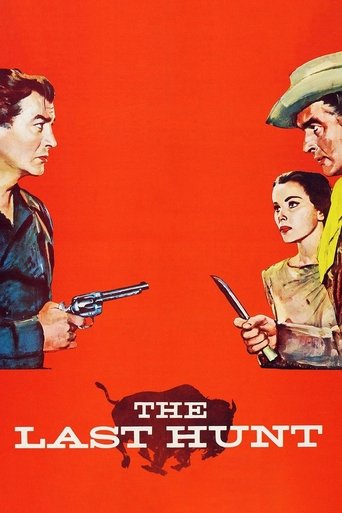
A buffalo hunter has a falling-out with his partner, who kills for fun.
The Last Hunt
1956
 NR
A hood forces a doctor and his wife to remove a bullet from the hood's partner.
The Dark, Dark Hours
1954
 5.3
An Air Force major feels a volatile mixture of relief and anger when he is excused from performing a dangerous test in a new aircraft.
Bailout at 43,000
1957
 6.6
Frontier peacekeeper Sheriff Galt faces a crisis of conscience in The Iron Sheriff. In the aftermath of a robbery-murder, Galt follows the trail of evidence directly to his own son, Benjie. Sworn to uphold the law at all costs, Galt is grimly determined to see that Benjie will receive a fair trial without any coercion on his part. But the townsfolk have already decided that the sheriff will try to spring the boy, and a lynch-mob mentality slows festers its way through the community. As the trial proceeds, it becomes obvious that Benjie is going to hang for his alleged crime, but there's still one or two surprises in store.
The Iron Sheriff
1957
A soldier has a ten-day leave from his military duties. He’s an easygoing guy who rarely thinks about his sometimes reckless behavior until he tempts fate once too often.
Once Too Often
1950
Fred Hoffman is an American church volunteer in 1950 postwar Germany serving as a missionary during the Potsdam Agreement, where the thunder of bombs has been followed by the clash of ideas. Upon arrival, Fred encounters and helps a young German boy, Willy, whose family are refugees now living in squalor. Papa Koerner is a former city councilor and member of the Nazi Party who still believes the state should be the source for all authority and that all Germans should not be paying the price for the evils committed by the nazis. Despite the father's ideology, Fred is determined to help his wife Frau Koerner, and his daughter Erika, who mysteriously earns the money necessary to sustain the family. The film demonstrates the ideological crossroads between the kingdom of the state and the Kingdom of God. The cast includes John Alberts, Philip Cooledge, Mildred Dunnock, and Constance Ford in her first film appearance.
The Two Kingdoms
1950
Series credits
7.7The cases of master criminal defense attorney Perry Mason and his staff who handled the most difficult of cases in the aid of the innocent.
Perry Mason
1957
7.7The cases of master criminal defense attorney Perry Mason and his staff who handled the most difficult of cases in the aid of the innocent.
Perry Mason
1957
7.7The cases of master criminal defense attorney Perry Mason and his staff who handled the most difficult of cases in the aid of the innocent.
Perry Mason
1957
5.3Matinee Theater is an American anthology series that aired on NBC during the Golden Age of Television, from 1955 to 1958. The series, which ran daily in the afternoon, was frequently live. It was produced by Albert McCleery, Darrell Ross, George Cahan and Frank Price with executive producer George Lowther. McCleery had previously produced the live series Cameo Theatre which introduced to television the concept of theater-in-the-round, TV plays staged with minimal sets. Jim Buckley of the Pewter Plough Playhouse recalled: When Al McCleery got back to the States, he originated a most ambitious theatrical TV series for NBC called Matinee Theater: to televise five different stage plays per week live, airing around noon in order to promote color TV to the American housewife as she labored over her ironing. Al was the producer. He hired five directors and five art directors. Richard Bennett, one of our first early presidents of the Pewter Plough Corporation, was one of the directors and I was one of the art directors and, as soon as we were through televising one play, we had lunch and then met to plan next week’s show. That was over 50 years ago, and I’m trying to think; I believe the TV art director is his own set decorator —yes, of course! It had to be, since one of McCleery’s chief claims to favor with the producers was his elimination of the setting per se and simply decorating the scene with a minimum of props. It took a bit of ingenuity.
Matinee Theater
1955
8.5An anthology series containing drama, psychological thriller, fantasy, science fiction, suspense, and/or horror, often concluding with a macabre or unexpected twist.
The Twilight Zone
1959
7.3Have Gun – Will Travel is an American Western television series that aired on CBS from 1957 through 1963. It was rated number three or number four in the Nielsen ratings every year of its first four seasons. It was one of the few television shows to spawn a successful radio version. The radio series debuted November 23, 1958. The television show is presently shown on the Encore-Western channel. Have Gun – Will Travel was created by Sam Rolfe and Herb Meadow and produced by Frank Pierson, Don Ingalls, Robert Sparks, and Julian Claman. There were 225 episodes of the TV series, 24 written by Gene Roddenberry. Other contributors included Bruce Geller, Harry Julian Fink, Don Brinkley and Irving Wallace. Andrew McLaglen directed 101 episodes and 19 were directed by series star Richard Boone.
Have Gun, Will Travel
1957
6.2Dick Powell's Zane Grey Theatre, sometimes simply called Zane Grey Theatre, is an American Western anthology series which ran on CBS from 1956 to 1961.
Dick Powell's Zane Grey Theatre
1956
5.7The story of a young intern in a large metropolitan hospital trying to learn his profession, deal with the problems of his patients, and win the respect of the senior doctor in his specialty, internal medicine.
Dr. Kildare
1961
 5.4
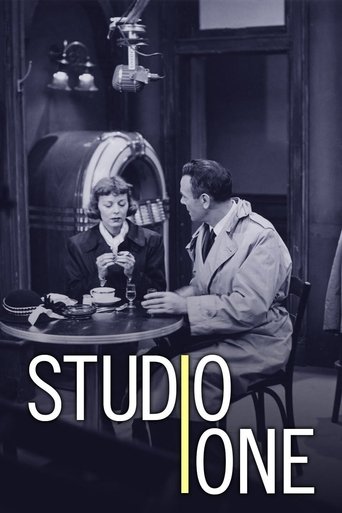
An American radio–television anthology series, created in 1947 by Canadian director Fletcher Markle, who came to CBS from the CBC. Studio One, presented by Westinghouse, was one of the first of the anthology TV programs. The episodes were often abridged remakes of movies from years gone by and many future well-known television and movie actors appeared in the productions.
Studio One
1948
5.4An American radio–television anthology series, created in 1947 by Canadian director Fletcher Markle, who came to CBS from the CBC. Studio One, presented by Westinghouse, was one of the first of the anthology TV programs. The episodes were often abridged remakes of movies from years gone by and many future well-known television and movie actors appeared in the productions.
Studio One
1948
 3.8
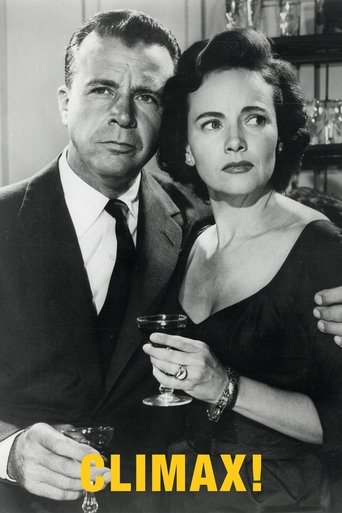
Climax! is an American anthology series that aired on CBS from 1954 to 1958. The series was hosted by William Lundigan and later co-hosted by Mary Costa. It was one of the few CBS programs of that era to be broadcast in color. Many of the episodes were performed and broadcast live.
Climax!
1954
3.8Climax! is an American anthology series that aired on CBS from 1954 to 1958. The series was hosted by William Lundigan and later co-hosted by Mary Costa. It was one of the few CBS programs of that era to be broadcast in color. Many of the episodes were performed and broadcast live.
Climax!
1954
3.8Climax! is an American anthology series that aired on CBS from 1954 to 1958. The series was hosted by William Lundigan and later co-hosted by Mary Costa. It was one of the few CBS programs of that era to be broadcast in color. Many of the episodes were performed and broadcast live.
Climax!
1954
 6.6
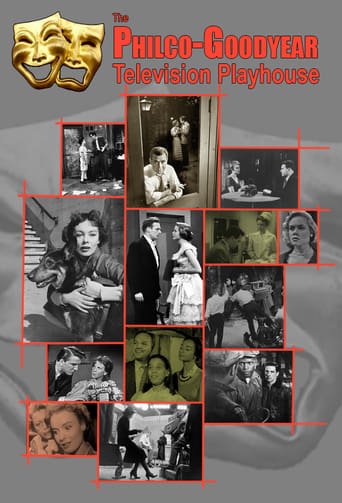
The Philco Television Playhouse is an American anthology series that was broadcast live on NBC from 1948 to 1955. Produced by Fred Coe, the series was sponsored by Philco. It was one of the most respected dramatic shows of the Golden Age of Television, winning a 1954 Peabody Award and receiving eight Emmy nominations between 1951 and 1956.
The Philco Television Playhouse
1948
 7.3
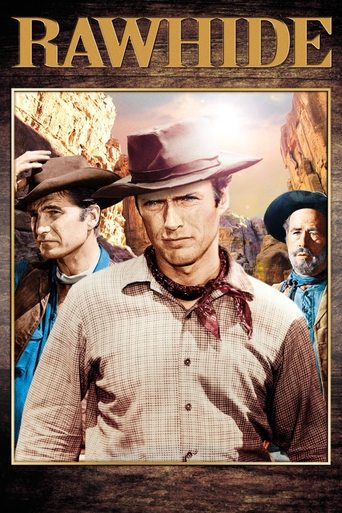
The tale of trail boss Gil Favor and his trusty foreman Rowdy Yates as they drives cattle across the old west. Along the way they meet up with adventure and drama.
Rawhide
1959
 7.1
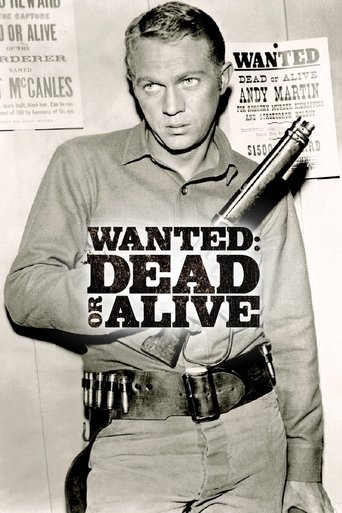
Wanted: Dead or Alive is an American Western television series starring Steve McQueen as the bounty hunter Josh Randall. It aired on CBS for three seasons from 1958–61. The black-and-white program was a spin-off of a March 1958 episode of Trackdown, a 1957–59 western series starring Robert Culp. Both series were produced by Four Star Television in association with CBS Television. The series launched McQueen into becoming the first television star to cross over into comparable status on the big screen.
Wanted: Dead or Alive
1958
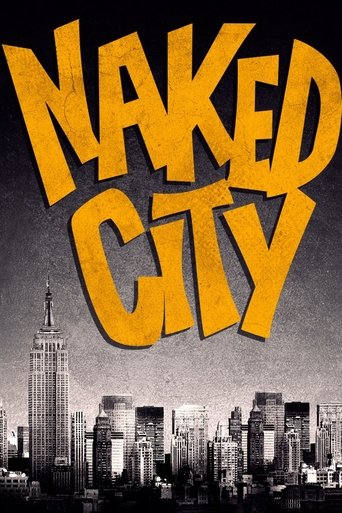 5.7
Naked City is a police drama series which aired from 1958 to 1963 on the ABC television network. It was inspired by the 1948 motion picture of the same name, and mimics its dramatic “semi-documentary” format. In 1997, the episode “Sweet Prince of Delancey Street” was ranked #93 on TV Guide’s “100 Greatest Episodes of All Time”.
Naked City
1958
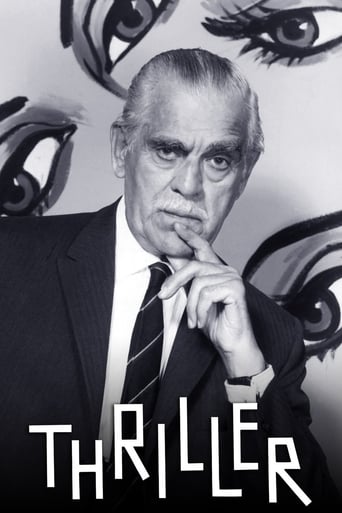 6.7
Thriller is an American anthology television series that aired during the 1960–61 and 1961–62 seasons on NBC. The show featured host Boris Karloff introducing a mix of self-contained, macabre weird-horror and morbid, hitchockian crime stories, in some of which he also starred.
Thriller
1960
6.7Thriller is an American anthology television series that aired during the 1960–61 and 1961–62 seasons on NBC. The show featured host Boris Karloff introducing a mix of self-contained, macabre weird-horror and morbid, hitchockian crime stories, in some of which he also starred.
Thriller
1960
 7.8
A television anthology series hosted by Alfred Hitchcock featuring dramas, thrillers, and mysteries.
Alfred Hitchcock Presents
1955
7.8A television anthology series hosted by Alfred Hitchcock featuring dramas, thrillers, and mysteries.
Alfred Hitchcock Presents
1955
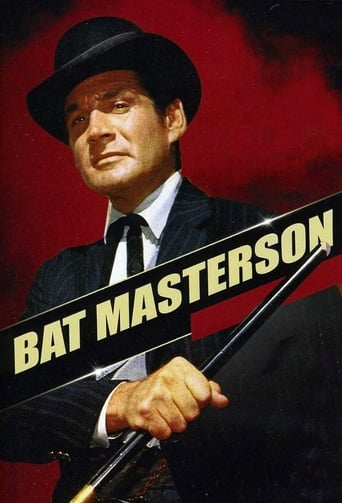 6.4
Bat Masterson is an American Western television series which showed a fictionalized account of the life of real-life marshal/gambler/dandy Bat Masterson. The title character was played by Gene Barry and the half-hour black-and-white shows ran on NBC from 1958 to 1961. The series was produced by Ziv Television Productions, the company responsible for such hit series as Sea Hunt and Highway Patrol.
Bat Masterson
1958
6.4Bat Masterson is an American Western television series which showed a fictionalized account of the life of real-life marshal/gambler/dandy Bat Masterson. The title character was played by Gene Barry and the half-hour black-and-white shows ran on NBC from 1958 to 1961. The series was produced by Ziv Television Productions, the company responsible for such hit series as Sea Hunt and Highway Patrol.
Bat Masterson
1958
 5.1
An anthology series adapted from the radio program of the same name. Like the radio program, many scripts were adaptations of literary classics by well-known authors. Classic authors such as Edgar Allan Poe, Agatha Christie, and Charles Dickens all had stories adapted for the series, while contemporary authors such as Roald Dahl and Gore Vidal also contributed.
Suspense
1949
 6.7
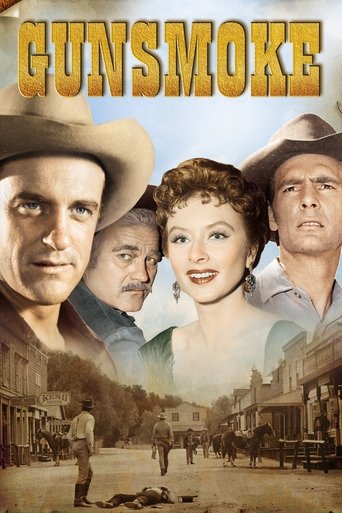
Gunsmoke is an American radio and television Western drama series created by director Norman MacDonnell and writer John Meston. The stories take place in and around Dodge City, Kansas, during the settlement of the American West. The central character is lawman Marshal Matt Dillon, played by William Conrad on radio and James Arness on television.
Gunsmoke
1955
6.7Gunsmoke is an American radio and television Western drama series created by director Norman MacDonnell and writer John Meston. The stories take place in and around Dodge City, Kansas, during the settlement of the American West. The central character is lawman Marshal Matt Dillon, played by William Conrad on radio and James Arness on television.
Gunsmoke
1955
 6.3
Surfside 6 was an ABC television series which aired from 1960 to 1962. The show centered on a Miami Beach detective agency set on a houseboat and featured Troy Donahue as Sandy Winfield II; Van Williams as Kenny Madison; and Lee Patterson as Dave Thorne. Diane McBain co-starred as socialite Daphne Dutton, whose yacht was berthed next to their houseboat. Margarita Sierra also had a supporting role as Cha Cha O'Brien, an entertainer who worked at The Boom Boom Room, a popular Miami Beach hangout at the Fontainebleau Hotel, directly across the street from Surfside 6. Surfside 6 was in fact a real address in Miami Beach, where an unrelated houseboat was moored at the time; it can also be seen in the sweeping aerial establishing shot of the Fontainebleu in 1964's Goldfinger.
Surfside 6
1960
 6.1
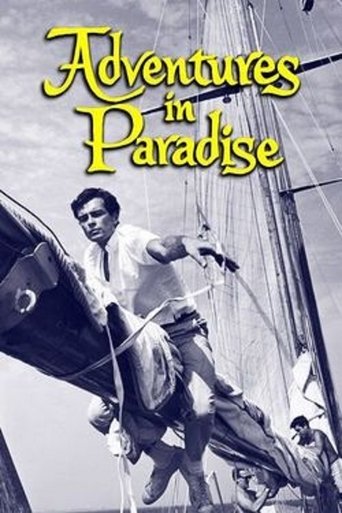
Adventures in Paradise is an American television series created by James Michener which ran on ABC from 1959 until 1962, starring Gardner McKay as Adam Troy, the captain of the schooner Tiki III, which sailed the South Pacific looking for passengers and adventure. USA Network aired reruns of this series between 1984 and 1988. The plots deal with the romantic and detective stories of Korean War veteran Troy. The supporting cast, varying from season to season, features George Tobias, Guy Stockwell, and Linda Lawson.
Adventures in Paradise
1959
 7.8
Kraft Television Theater is an American, well-received anthology series presenting live television dramas.
Kraft Television Theatre
1947
 5.7
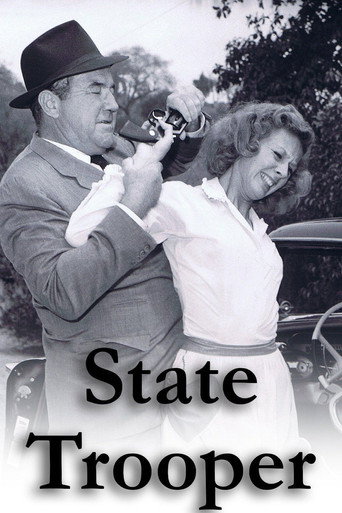
State Trooper is an American crime drama set in the 1950s American West, starring Rod Cameron as Rod Blake, an officer of the Nevada Department of Public Safety. The series aired 104 episodes in syndication from September 25, 1956, to June 25, 1959.
State Trooper
1956
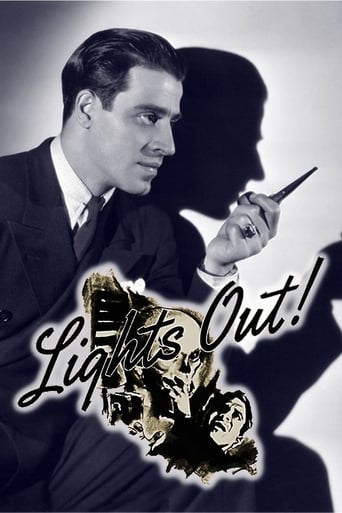 6.0
Lights Out was an extremely popular American old-time radio program, an early example of a network series devoted mostly to horror and the supernatural, predating Suspense and Inner Sanctum. Versions of Lights Out aired on different networks, at various times, from January 1934 to the summer of 1947 and the series eventually made the transition to television. In 1946, NBC Television brought Lights Out to TV in a series of four specials, broadcast live and produced by Fred Coe, who also contributed three of the scripts. NBC asked Cooper to write the script for the premiere, "First Person Singular", which is told entirely from the point of view of an unseen murderer who kills his obnoxious wife and winds up being executed. Variety gave this first episode a rave review ("undoubtedly one of the best dramatic shows yet seen on a television screen"), but Lights Out did not become a regular NBC-TV series until 1949.
Lights Out
1949
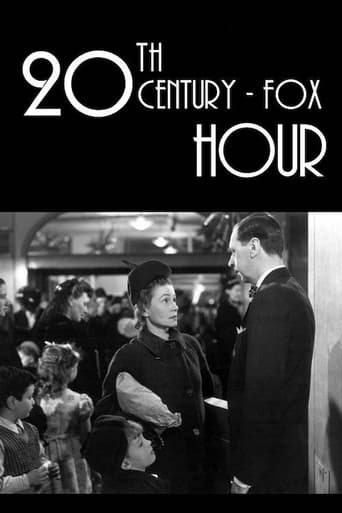 6.0
The 20th Century Fox Hour is an American drama anthology series televised in the United States on CBS from 1955 to 1957. Some of the shows in this series were restored, remastered and shown on the Fox Movie Channel in 2002 under the title Hour of Stars. The season one episode Overnight Haul, starring Richard Conte and Lizabeth Scott, was released in Australia as a feature film.
The 20th Century Fox Hour
1955
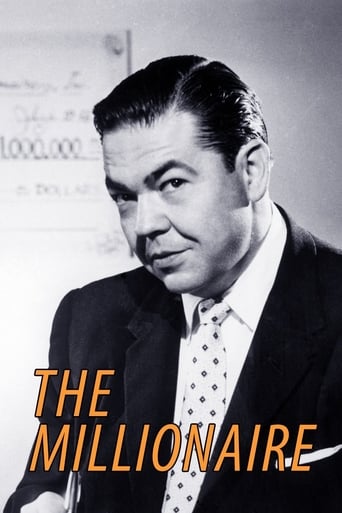 5.8
An anthology series that explored the ways sudden and unexpected wealth changed life for better or for worse. It told the stories of people who were given one million dollars from a benefactor who insisted they never know him, with one exception.
The Millionaire
1955
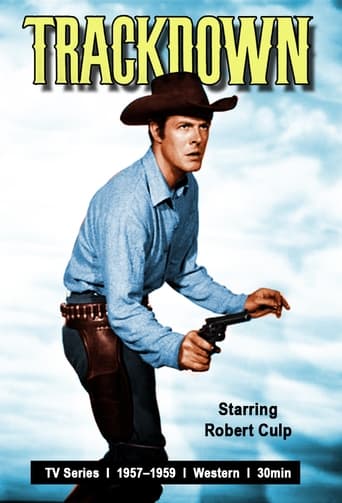 6.9
Trackdown is an American Western television series starring Robert Culp that aired on CBS between 1957 and 1959. More than seventy episodes of this series were produced by Dick Powell's Four Star Television and filmed at the Desilu-Culver Studio. The series was itself a spin-off of Powell's anthology series, Dick Powell's Zane Grey Theater.
Trackdown
1957
 7.5
Playhouse 90 is an American television anthology series that was telecast on CBS from 1956 to 1960 for a total of 133 episodes. It originated from CBS Television City in Los Angeles, California. Since live anthology drama series of the mid-1950s were usually hour-long shows, the title highlighted the network's intention to present something unusual, a weekly series of hour-and-a-half dramas rather than 60-minute plays. Playhouse 90 began as a pitch by Frank Stanton—the formidable, forward-thinking right-hand man to CBS chairman William S. Paley—during a brainstorming session for program ideas. The project was ultimately developed by Hubbell Robinson, a CBS vice president who received no screen credit on Playhouse 90 but is often described as its creator.
Playhouse 90
1956
 7.8
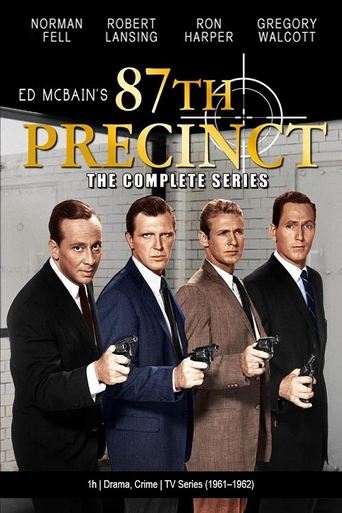
87th Precinct is an American crime drama starring Robert Lansing, Gena Rowlands, and Ron Harper, which aired on NBC on Monday evenings during the 1961–1962 television season.
87th Precinct
1961
 6.7
Outlaws is an NBC Western television series, starring Barton MacLane as U.S. marshal Frank Caine, who operated in a lawless section of Oklahoma Territory about Stillwater. The program aired 50 one-hour episodes from September 29, 1960, to May 10, 1962. The first season was shot in black-and-white, the second in color. Co-starring with MacLane in the 1960–1961 season was Don Collier as deputy marshal Will Foreman. In the second season, MacLane left the program, and Collier was promoted to full marshal, with Bruce Yarnell joining the cast as deputy marshal Chalk Breeson. Jock Gaynor appeared in the first season as deputy Heck Martin, the on-screen nephew of Will Foreman. Slim Pickens appeared as "Slim" in the second season. Judy Lewis also appeared the second season as Connie Masters, an employee of the Wells Fargo office in Stillwater. The dog who appeared in Walt Disney's Old Yeller was also cast in The Outlaws. Others who appeared on the program on at least three occasions were Vic Morrow, Cliff Robertson, Pippa Scott, and Harry Townes. In addition, John Anderson, Edgar Buchanan, Jackie Coogan, Bruce Gordon, Robert Harland, Robert Lansing Cloris Leachman, Robert Karnes, Brian Keith, Larry Pennell, Chris Robinson, William Shatner, Ray Walston, Jack Warden, and David Wayne each appeared twice in the series.
Outlaws
1960
 6.5
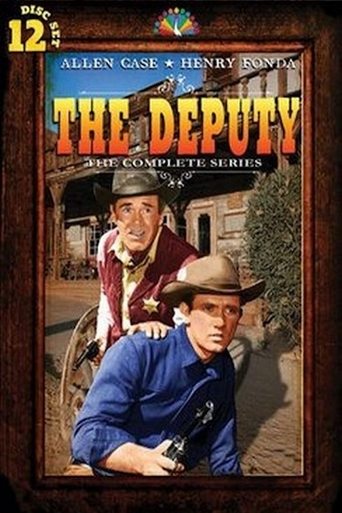
The Deputy is an American western series that aired on NBC from September 1959, to July 1961. The series stars Henry Fonda as Chief Marshal Simon Fry of the Arizona Territory and Allen Case as Deputy Clay McCord, a storekeeper who tried to avoid using a gun.
The Deputy
1959
 4.6
Cavalcade of America is an anthology drama series that was sponsored by the DuPont Company, although it occasionally presented a musical, such as an adaptation of Show Boat, and condensed biographies of popular composers. It was initially broadcast on radio from 1935 to 1953, and later on television from 1952 to 1957. Originally on CBS, the series pioneered the use of anthology drama for company audio advertising. Cavalcade of America documented historical events using stories of individual courage, initiative and achievement, often with feel-good dramatizations of the human spirit's triumph against all odds. This was consistent with DuPont's overall conservative philosophy and legacy as an American company dating back to 1802. The company's motto, "Maker of better things for better living through chemistry," was read at the beginning of each program, and the dramas emphasized humanitarian progress, particularly improvements in the lives of women, often through technological innovation.
Cavalcade of America
1952