
Writing
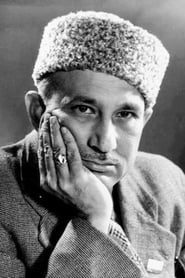
Khwaja Ahmad Abbas
Born — Died
1914-06-06 — 1987-06-01
Place of birth
Panipat, Haryana State, India
Known for
Writing
Credits
42 titles
Khwaja Ahmad Abbas, also known as K. A. Abbas, was an Indian film director, screenwriter, novelist, and a journalist in the Urdu, Hindi and English languages.
Known for
 7.2
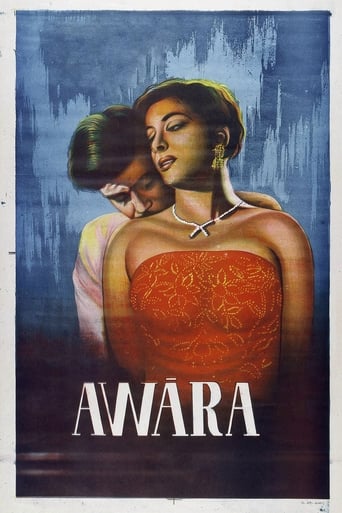
7.2A petty thief is put on trial for the attempted murder of a lawyer. Through a series of flashbacks, the intertwining lives of the thief, the lawyer, and the thief's defense lawyer are illustrated.
Awaara
1951
 6.3
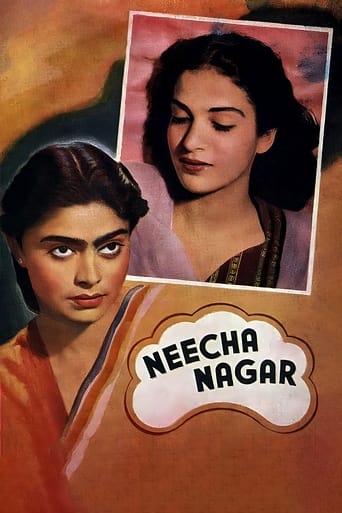
6.3Wealthy landlord Sarkar decides to direct all waste into the village to make space for his real estate project. However, the poor villagers agitate against his plan and the protest is led by Balraj.
Neecha Nagar
1946
 9.0
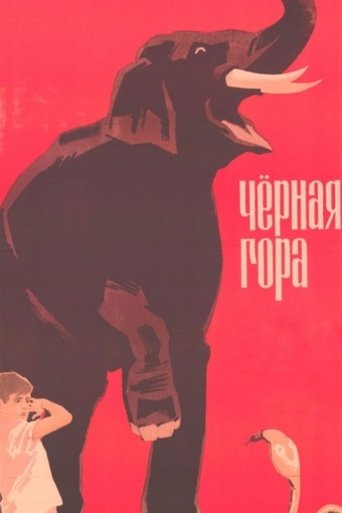
9.0The heartrending story of the friendship of a young boy with Black Mountain, an Indian elephant.
Black Mountain
1971
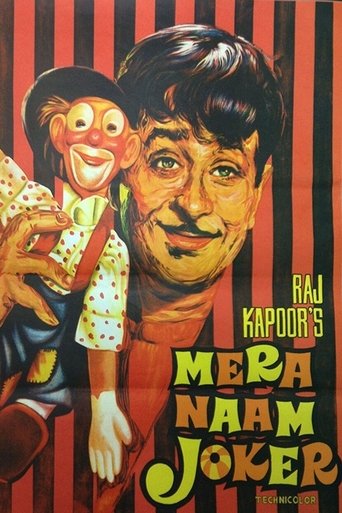 7.3
7.3Raju faces many hurdles and disappointments in matters of the heart throughout his life. But as a clown in a circus, he tries to make his audience laugh at the cost of his own sorrows. Along the way, Raju loves and loses, but must always keep a smile on his face because, in the words of his circus manager, "The show must go on."
Mera Naam Joker
1970
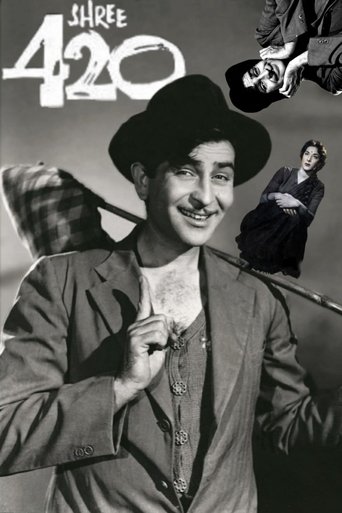 7.5
7.5The story of a small-town man who comes to make it big in the city, where he is almost instantly relieved of all his possessions. Homeless and penniless, he is taken in by a woman who looks after him.
Shree 420
1955
 6.1
6.1Raja is the 18-year-old son of a wealthy Bombay businessman who suffers from his parents coldness and neglect. Shortly after finishing school he meets Bobby, the 16-year-old daughter of a poor Christian fisherman. They fall head over heels for each other, but they'll need everything they have to defend their love as their families won't accept them marrying each other...
Bobby
1973
Film credits
1970s · 1 titles
Behind the camera
7.2A petty thief is put on trial for the attempted murder of a lawyer. Through a series of flashbacks, the intertwining lives of the thief, the lawyer, and the thief's defense lawyer are illustrated.
Awaara
1951
6.3Wealthy landlord Sarkar decides to direct all waste into the village to make space for his real estate project. However, the poor villagers agitate against his plan and the protest is led by Balraj.
Neecha Nagar
1946
7.3Raju faces many hurdles and disappointments in matters of the heart throughout his life. But as a clown in a circus, he tries to make his audience laugh at the cost of his own sorrows. Along the way, Raju loves and loses, but must always keep a smile on his face because, in the words of his circus manager, "The show must go on."
Mera Naam Joker
1970
7.5The story of a small-town man who comes to make it big in the city, where he is almost instantly relieved of all his possessions. Homeless and penniless, he is taken in by a woman who looks after him.
Shree 420
1955
6.1Raja is the 18-year-old son of a wealthy Bombay businessman who suffers from his parents coldness and neglect. Shortly after finishing school he meets Bobby, the 16-year-old daughter of a poor Christian fisherman. They fall head over heels for each other, but they'll need everything they have to defend their love as their families won't accept them marrying each other...
Bobby
1973
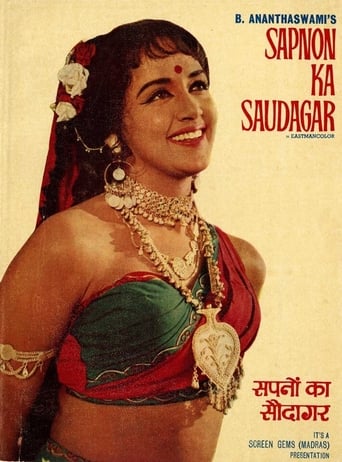 8.0
8.0Film starring Raj Kapoor, Hema Malini and Jayant
Sapnon Ka Saudagar
1968
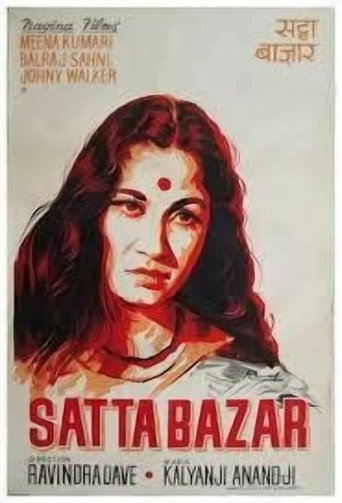 NR
NRRamesh, a widower, remarries for his daughter's happiness, but financial crises force him to choose between love and stability.
Satta Bazaar
1959
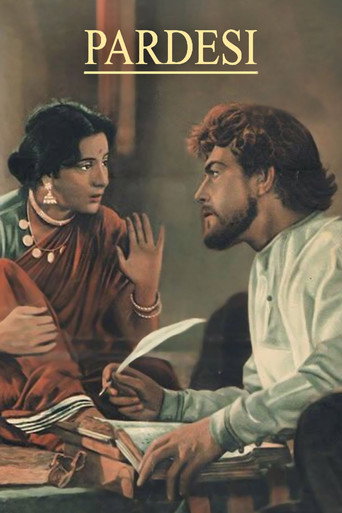 6.2
6.2This first co-production of the Soviet and Indian cinematographers is dedicated to the Tver merchant Afanasy Nikitin who in 1466-1472 blazed the trade way from Europe to India. The film is based on Nikitin’s travel notes. Starring in the film are popular Russian actor Oleg Strizhenov and India’s 1950s movie star Nargis.
Pardesi
1957
6.2This first co-production of the Soviet and Indian cinematographers is dedicated to the Tver merchant Afanasy Nikitin who in 1466-1472 blazed the trade way from Europe to India. The film is based on Nikitin’s travel notes. Starring in the film are popular Russian actor Oleg Strizhenov and India’s 1950s movie star Nargis.
Pardesi
1957
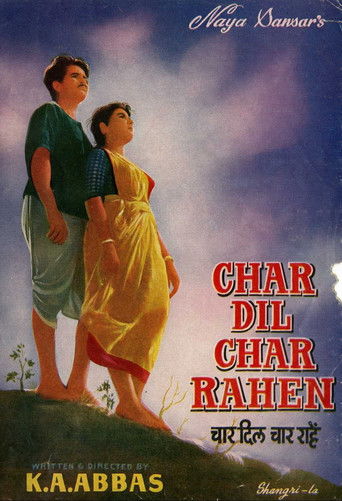 8.0
8.0Three love stories that take place simultaneously but do not intersect, because the characters do not interact with each other, even though they all live in the same neighborhood. Govinda, a gloomy Airai boy who was cruelly separated from his beloved girlfriend, Chalvi, who was expelled from the village. Johnny Braganza, a waiter who has just been released from prison after being unjustly accused of falsifying the accounts of the hotel owner, Ferrara, who successfully seduces Johnny's girlfriend, Stella. Now he is setting up a car garage at the same intersection.
Char Dil Char Rahen
1959
8.0Three love stories that take place simultaneously but do not intersect, because the characters do not interact with each other, even though they all live in the same neighborhood. Govinda, a gloomy Airai boy who was cruelly separated from his beloved girlfriend, Chalvi, who was expelled from the village. Johnny Braganza, a waiter who has just been released from prison after being unjustly accused of falsifying the accounts of the hotel owner, Ferrara, who successfully seduces Johnny's girlfriend, Stella. Now he is setting up a car garage at the same intersection.
Char Dil Char Rahen
1959
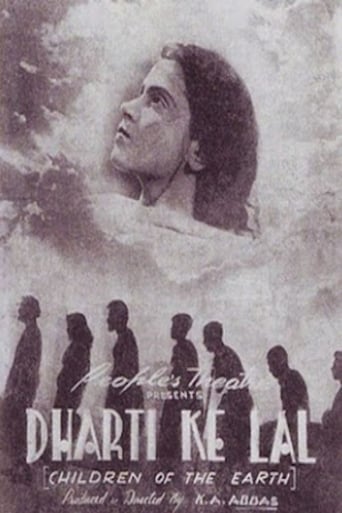 10.0
10.0Based on plays by Bhattacharya and the story Annadata by Krishan Chander. A film about the famine that swept through Indian villages in the final years of the war for independence. After natural disasters (floods and droughts), villagers seek refuge in the city.
Dharti Ke Lal
1946
10.0Based on plays by Bhattacharya and the story Annadata by Krishan Chander. A film about the famine that swept through Indian villages in the final years of the war for independence. After natural disasters (floods and droughts), villagers seek refuge in the city.
Dharti Ke Lal
1946
10.0Based on plays by Bhattacharya and the story Annadata by Krishan Chander. A film about the famine that swept through Indian villages in the final years of the war for independence. After natural disasters (floods and droughts), villagers seek refuge in the city.
Dharti Ke Lal
1946
 10.0
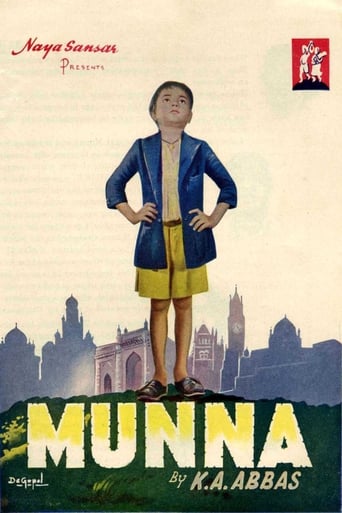
10.0On a dark, stormy night, a young woman appeared near the orphanage. Holding her child close to her chest one last time, she left him at the door and disappeared as quietly as she had come. Only the moon and stars were silent witnesses to her deed, the cry of a desperate soul. "Munna" means "baby" in Hindi. That is what the owner of the orphanage named the foundling. Years passed. One day, a wealthy childless couple came to the orphanage, wishing to adopt one of the boys. Their choice fell on Munna. However, upon learning that the child's mother was alive, they changed their minds and left, leaving a gold amulet around the boy's neck. That night, Munna could not sleep: pain and longing weighed heavily on his little heart. The boy ran away from the orphanage and set off for Bombay in search of his mother. He was determined to find her.
Munna
1954
10.0On a dark, stormy night, a young woman appeared near the orphanage. Holding her child close to her chest one last time, she left him at the door and disappeared as quietly as she had come. Only the moon and stars were silent witnesses to her deed, the cry of a desperate soul. "Munna" means "baby" in Hindi. That is what the owner of the orphanage named the foundling. Years passed. One day, a wealthy childless couple came to the orphanage, wishing to adopt one of the boys. Their choice fell on Munna. However, upon learning that the child's mother was alive, they changed their minds and left, leaving a gold amulet around the boy's neck. That night, Munna could not sleep: pain and longing weighed heavily on his little heart. The boy ran away from the orphanage and set off for Bombay in search of his mother. He was determined to find her.
Munna
1954
10.0On a dark, stormy night, a young woman appeared near the orphanage. Holding her child close to her chest one last time, she left him at the door and disappeared as quietly as she had come. Only the moon and stars were silent witnesses to her deed, the cry of a desperate soul. "Munna" means "baby" in Hindi. That is what the owner of the orphanage named the foundling. Years passed. One day, a wealthy childless couple came to the orphanage, wishing to adopt one of the boys. Their choice fell on Munna. However, upon learning that the child's mother was alive, they changed their minds and left, leaving a gold amulet around the boy's neck. That night, Munna could not sleep: pain and longing weighed heavily on his little heart. The boy ran away from the orphanage and set off for Bombay in search of his mother. He was determined to find her.
Munna
1954
 9.0
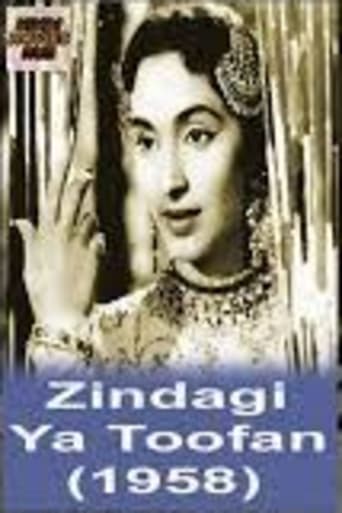
9.0Zindagi Ya Toofan is a movie directed by J. Nakhshab featuring Nutan, Pradeep Kumar. Loosely based on Umrao Jaan Ada.
Zindagi Ya Toofan
1958
 6.5
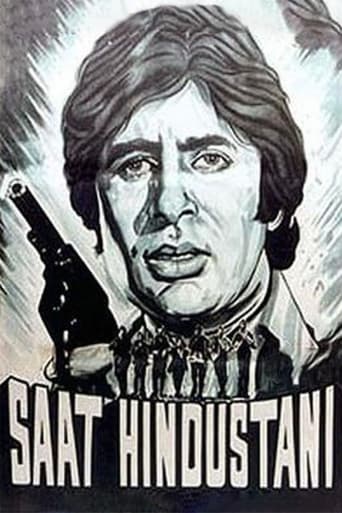
6.5A woman awaiting surgery recalls her life as a revolutionary along with seven other countrymen.
Saat Hindustani
1969
6.5A woman awaiting surgery recalls her life as a revolutionary along with seven other countrymen.
Saat Hindustani
1969
6.5A woman awaiting surgery recalls her life as a revolutionary along with seven other countrymen.
Saat Hindustani
1969
6.5A woman awaiting surgery recalls her life as a revolutionary along with seven other countrymen.
Saat Hindustani
1969
On the border, a mysterious woman is captured by police on suspicion of espionage. Despite intense interrogations, she refuses to reveal her identity, leading the police inspector to label her a spy and traitor. But she escapes and reveals her true nature. This revelation highlights the profound power and the mysterious forces beyond human understanding.
Zabaan
2024
 10.0
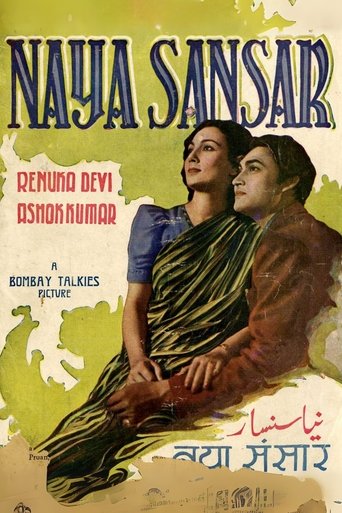
10.0Premchand, an idealistic newspaper editor, is in love with Asha, an orphan he raised. Asha, however, falls for Puran, Premchand's radical star reporter. When Premchand compromises his journalistic ideals by making a deal with a corrupt businessman, Puran, true to his principles, quits and starts his own newspaper, "Naya Sansar." This act prompts Premchand to realize his error, return to his progressive stance, and ultimately bless the union of Asha and Puran.
Naya Sansar
1941
 8.0
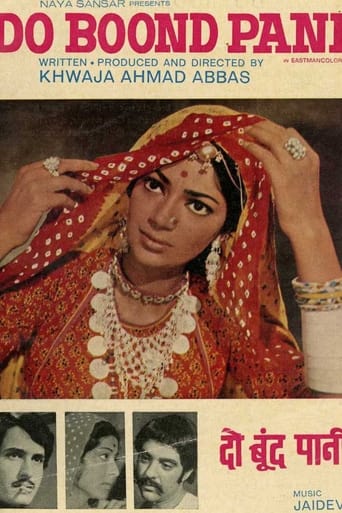
8.0Ganga Singh (Jalal Agha), newly married to Gauri (Simi Garewal), brings his wife to his village where he lives with his father Hari Singh (Sajjan), and sister Sonki (Madhu Chanda). The village is suffering from drought and villagers have to travel a long distance to get water. Ganga Singh hears of a dam being constructed and leaves his wife to join in the building of it. His family goes through misfortunes, with his father dying and his sister being raped by the dacoit Mangal Singh. Ganga himself dies preventing a disaster at the dam. The dam is eventually built bringing greenery to an arid region. His wife bears a son and lives on in the village.
Two Drops of Water
1971
8.0Ganga Singh (Jalal Agha), newly married to Gauri (Simi Garewal), brings his wife to his village where he lives with his father Hari Singh (Sajjan), and sister Sonki (Madhu Chanda). The village is suffering from drought and villagers have to travel a long distance to get water. Ganga Singh hears of a dam being constructed and leaves his wife to join in the building of it. His family goes through misfortunes, with his father dying and his sister being raped by the dacoit Mangal Singh. Ganga himself dies preventing a disaster at the dam. The dam is eventually built bringing greenery to an arid region. His wife bears a son and lives on in the village.
Two Drops of Water
1971
8.0Ganga Singh (Jalal Agha), newly married to Gauri (Simi Garewal), brings his wife to his village where he lives with his father Hari Singh (Sajjan), and sister Sonki (Madhu Chanda). The village is suffering from drought and villagers have to travel a long distance to get water. Ganga Singh hears of a dam being constructed and leaves his wife to join in the building of it. His family goes through misfortunes, with his father dying and his sister being raped by the dacoit Mangal Singh. Ganga himself dies preventing a disaster at the dam. The dam is eventually built bringing greenery to an arid region. His wife bears a son and lives on in the village.
Two Drops of Water
1971
 8.0
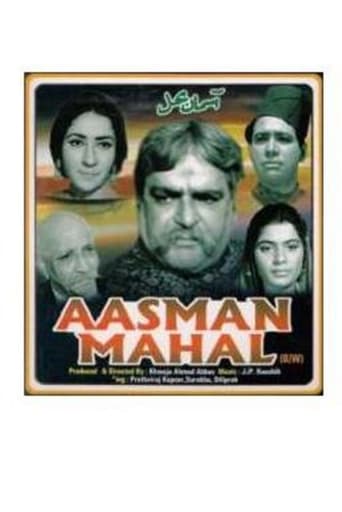
8.0The story revolves around a Nawab, who having lost his money, still continues to live in the old traditional style, maintaining a grandeur facade. His son opposes the unrealistic life-style.
Sky palace
1965
8.0The story revolves around a Nawab, who having lost his money, still continues to live in the old traditional style, maintaining a grandeur facade. His son opposes the unrealistic life-style.
Sky palace
1965
8.0The story revolves around a Nawab, who having lost his money, still continues to live in the old traditional style, maintaining a grandeur facade. His son opposes the unrealistic life-style.
Sky palace
1965
 9.0
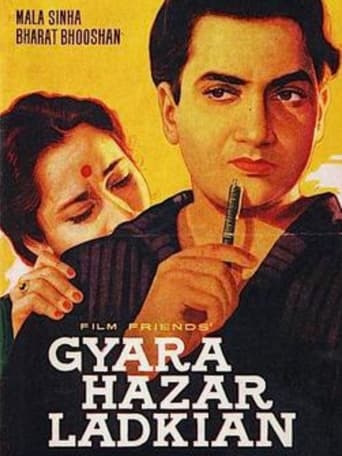
9.0Gyara Hazar Ladkian is a 1962 Indian Hindi-language romantic social drama film directed by K. A. Abbas. The film was co-produced by the poet Ali Sardar Jafri, who also helped co-write the story with Abbas. Produced under the Film Friends banner, it had music by N. Datta. The director of photography was Ramchandra
Eleven Thousand Girls
1962
9.0Gyara Hazar Ladkian is a 1962 Indian Hindi-language romantic social drama film directed by K. A. Abbas. The film was co-produced by the poet Ali Sardar Jafri, who also helped co-write the story with Abbas. Produced under the Film Friends banner, it had music by N. Datta. The director of photography was Ramchandra
Eleven Thousand Girls
1962
 9.0
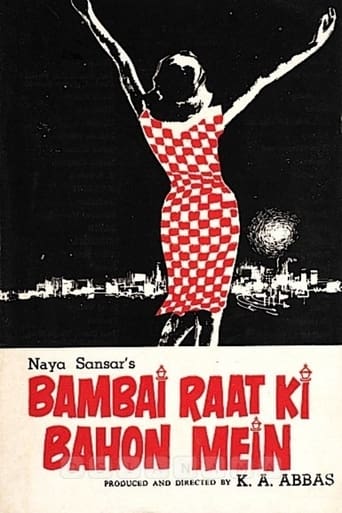
9.0A news reporter becomes a suspect after a robbery and a homicide aboard an aircraft.
Bombay In The Night's Embrace
1967
 9.0
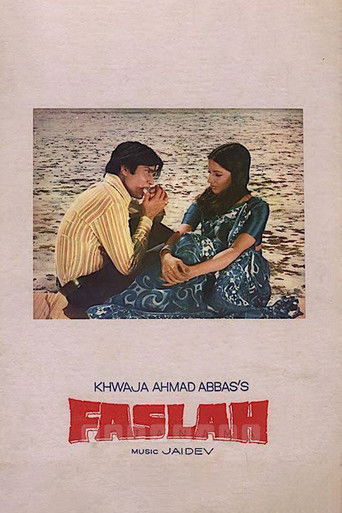
9.0Gautam is a man who loves a woman but is crushed when he sees her with someone else. In his fit of rage, he accidentally kills a child. Will this turn of events change his life completely?
Faslah
1974
9.0Gautam is a man who loves a woman but is crushed when he sees her with someone else. In his fit of rage, he accidentally kills a child. Will this turn of events change his life completely?
Faslah
1974
9.0Gautam is a man who loves a woman but is crushed when he sees her with someone else. In his fit of rage, he accidentally kills a child. Will this turn of events change his life completely?
Faslah
1974
 6.8
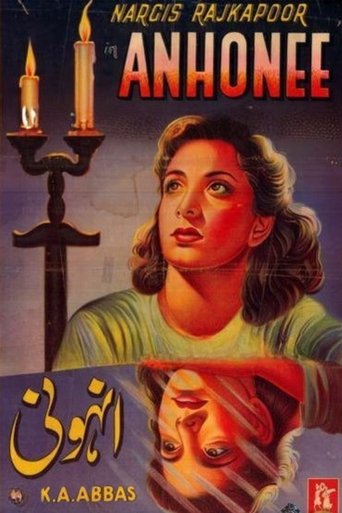
6.8An impoverished advocate faces challenges after he falls in love with a wealthy woman who has a look-alike courtesan sister.
Anhonee
1952
6.8An impoverished advocate faces challenges after he falls in love with a wealthy woman who has a look-alike courtesan sister.
Anhonee
1952
In "Char Shaher Ek Kahani" (1968), K.A. Abbas contrasts official images of India’s industrial progress with stark footage of urban poverty and Bombay’s red-light district. The 16-minute documentary became a landmark censorship case after the Central Board of Film Certification objected to its depiction of prostitution, leading Abbas to successfully challenge the decision in the Supreme Court.
A Tale of Four Cities
1968
In "Char Shaher Ek Kahani" (1968), K.A. Abbas contrasts official images of India’s industrial progress with stark footage of urban poverty and Bombay’s red-light district. The 16-minute documentary became a landmark censorship case after the Central Board of Film Certification objected to its depiction of prostitution, leading Abbas to successfully challenge the decision in the Supreme Court.
A Tale of Four Cities
1968