
Directing
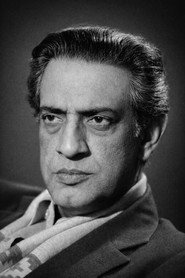
Satyajit Ray
Born — Died
1921-05-02 — 1992-04-23
Place of birth
Calcutta, Bengal Presidency, British India [now India]
Known for
Directing
Credits
54 titles
Satyajit Ray (2 May 1921 – 23 April 1992) was a Bengali Indian filmmaker, widely regarded as one of the greatest filmmakers of the 20th century. Ray was born in the city of Calcutta into a Bengali family prominent in the world of arts and literature. Starting his career as a commercial artist, Ray was drawn into independent filmmaking after meeting French filmmaker Jean Renoir and viewing Vittorio De Sica's Italian neorealist film Bicycle Thieves (1948) during a visit to London. Ray directed 36 films, including feature films, documentaries and shorts. He was also a fiction writer, publisher, illustrator, calligrapher, music composer, graphic designer and film critic. He authored several sho…
Known for
 5.6
5.6The South Bank Show is a television arts magazine show produced by ITV between 1978 and 2010. A new series began on Sky Arts from 27 May 2012. Presented by Melvyn Bragg, the show aims to bring both high art and popular culture to a mass audience.
The South Bank Show
1978
 9.5
9.5Marcello Mastroianni, Isabelle Adjani, Alain Delon, Martin Scorsese, Woody Allen... the biggest stars in cinema were welcomed by Christian Defaye on his show Spécial cinéma. Between intimate confessions from actors and immersion in the world of the greatest filmmakers, Christian Defaye took viewers on a journey into the fascinating world of cinema for nearly thirty years.
Spécial cinéma
1974
 7.5
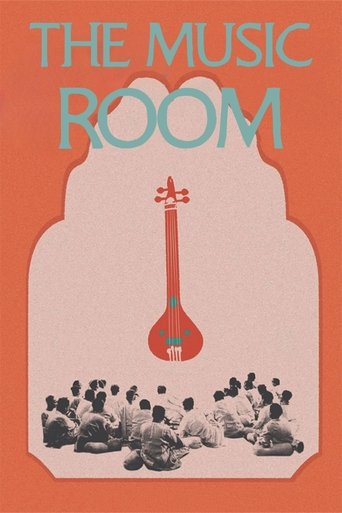
7.5An aging, decadent landlord’s passion for music becomes the undoing of his legacy as he sacrifices his wealth in order to compete with the opulent music room of his younger, richer neighbour.
The Music Room
1958
 7.8
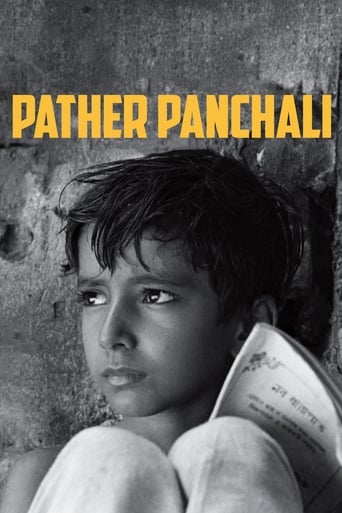
7.8Impoverished priest Harihar Ray, dreaming of a better life for himself and his family, leaves his rural Bengal village in search of work. Alone, his wife, Sarbojaya, looks after her rebellious daughter, Durga, and her young son, Apu, as well as Harihar's elderly aunt Indir. The children enjoy the small pleasures of their difficult life, while their parents suffer the daily indignities heaped upon them.
Pather Panchali
1955
 7.5
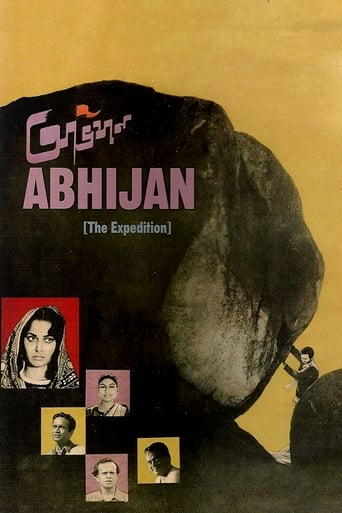
7.5Narsingh, a North Indian taxi driver, attempts to reinvent his life by visiting his native place, but instead gets embroiled in a local Marwari businessman's smuggling and human trafficking business.
The Expedition
1962
 7.6
7.6A well-off family is paid an unexpected, and rather unwanted, visit by a man claiming to be the woman's long lost uncle. The initial suspicion with which they greet the man slowly dissolves as he regales them with stories of his travels, tales that are at odds with their conventional middle class perspective on the world.
The Stranger
1991
Film credits

1990s · 2 titles
Clips and interviews show that the renowned Satyajit Ray was more than just a filmmaker: He was a sketch illustrator, a music composer, a children's book creator, an all around intellectual.
Ray: Life and Work of Satyajit Ray
1999
Filmmaker Catherine Berge profiles the prolific career of East Indian actor Soumitra Chatterjee.
The Tree
1998
1980s · 3 titles
 NR
NRDrawing the history of the Indian talkie, starting with Alam Ara in 1931, this documentary short provides a cross-section of viewpoints from luminaries of the film industry, which give some insight into the contemporary commercial cinema and the parallel stream.
Indian Talkie
1981
 7.0
7.0Based on interviews with Ray himself, and packed with clips from his films, as well as rare-to-come-by footage of his recording sessions, the documentary follows Satyajit Ray’s journey as a music director and composer of his own work on screen.
The Music of Satyajit Ray
1984
 6.8
6.8Documentary on director Satyajit Ray, featuring an extensive interview and clips from his films, and location shooting of his film "The Home and the World."
Satyajit Ray
1985
1970s · 3 titles
 6.0
6.0At the age of 54, Binode Bihari Mukherjee, an accomplished painter, lost his sight following an unsuccessful cataract operation. He continued to create art despite his loss of sight. The documentary explores Binode Bihari’s inner eye that guides his fingers to create art.
The Inner Eye
1972
 6.7
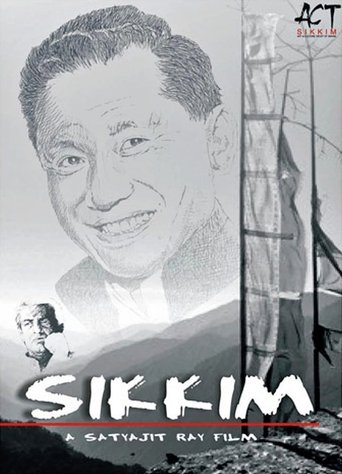
6.7Satyajit Ray's poetic documentary was commissioned by the Chogyal (King) of Sikkim at a time when he felt the sovereignty of Sikkim was under threat from both China and India. Ray's documentary is about the sovereignty of Sikkim. The film was banned by the government of India when Sikkim merged with India in 1975. The ban was finally lifted by the Ministry of External Affairs in September 2010. Preserved by the Academy Film Archive in 2007.
Sikkim
1971
 5.0
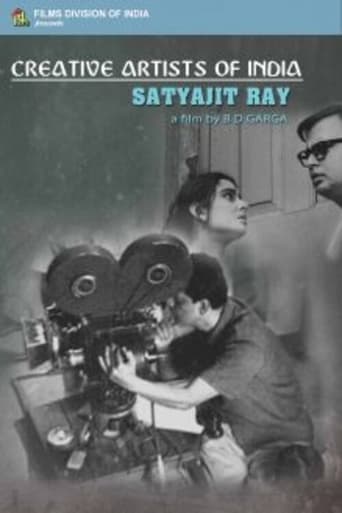
5.0Documentary about Indian filmmaker Satyajit Ray
Creative Artists of India: Satyajit Ray
1974
1960s · 2 titles
 NR
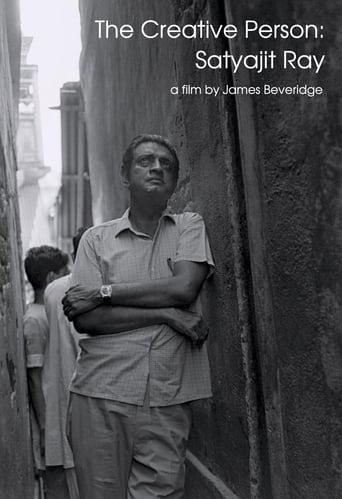
NRIn 1967, Canadian documentarian James Beveridge traveled to Kolkata to film director Satyajit Ray at work. The resulting program, produced for the American public television series “The Creative Person,” features interviews with Ray, several of his actors and crew members, and film critic Chidananda Das Gupta.
The Creative Person: Satyajit Ray
1967
 7.0
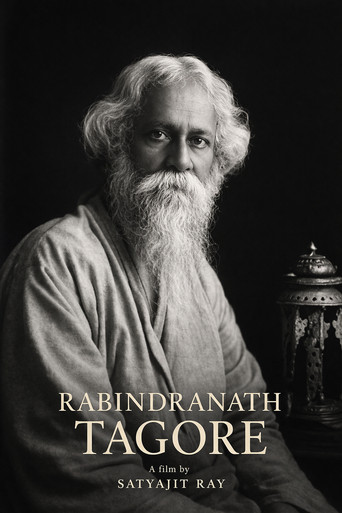
7.0Docudrama about the life of Rabindranath Tagore, Indian polymath—poet, writer, playwright, composer, philosopher, social reformer and painter, who reshaped Bengali literature and music as well as Indian art, becoming in 1913 the first non-European and the first lyricist to win the Nobel Prize in Literature. The film was released during Tagore's birth centenary year.
Rabindranath Tagore
1961
Series credits
5.6The South Bank Show is a television arts magazine show produced by ITV between 1978 and 2010. A new series began on Sky Arts from 27 May 2012. Presented by Melvyn Bragg, the show aims to bring both high art and popular culture to a mass audience.
The South Bank Show
1978
9.5Marcello Mastroianni, Isabelle Adjani, Alain Delon, Martin Scorsese, Woody Allen... the biggest stars in cinema were welcomed by Christian Defaye on his show Spécial cinéma. Between intimate confessions from actors and immersion in the world of the greatest filmmakers, Christian Defaye took viewers on a journey into the fascinating world of cinema for nearly thirty years.
Spécial cinéma
1974
Behind the camera
7.5An aging, decadent landlord’s passion for music becomes the undoing of his legacy as he sacrifices his wealth in order to compete with the opulent music room of his younger, richer neighbour.
The Music Room
1958
7.5An aging, decadent landlord’s passion for music becomes the undoing of his legacy as he sacrifices his wealth in order to compete with the opulent music room of his younger, richer neighbour.
The Music Room
1958
7.5An aging, decadent landlord’s passion for music becomes the undoing of his legacy as he sacrifices his wealth in order to compete with the opulent music room of his younger, richer neighbour.
The Music Room
1958
7.8Impoverished priest Harihar Ray, dreaming of a better life for himself and his family, leaves his rural Bengal village in search of work. Alone, his wife, Sarbojaya, looks after her rebellious daughter, Durga, and her young son, Apu, as well as Harihar's elderly aunt Indir. The children enjoy the small pleasures of their difficult life, while their parents suffer the daily indignities heaped upon them.
Pather Panchali
1955
7.8Impoverished priest Harihar Ray, dreaming of a better life for himself and his family, leaves his rural Bengal village in search of work. Alone, his wife, Sarbojaya, looks after her rebellious daughter, Durga, and her young son, Apu, as well as Harihar's elderly aunt Indir. The children enjoy the small pleasures of their difficult life, while their parents suffer the daily indignities heaped upon them.
Pather Panchali
1955
7.8Impoverished priest Harihar Ray, dreaming of a better life for himself and his family, leaves his rural Bengal village in search of work. Alone, his wife, Sarbojaya, looks after her rebellious daughter, Durga, and her young son, Apu, as well as Harihar's elderly aunt Indir. The children enjoy the small pleasures of their difficult life, while their parents suffer the daily indignities heaped upon them.
Pather Panchali
1955
7.5Narsingh, a North Indian taxi driver, attempts to reinvent his life by visiting his native place, but instead gets embroiled in a local Marwari businessman's smuggling and human trafficking business.
The Expedition
1962
7.5Narsingh, a North Indian taxi driver, attempts to reinvent his life by visiting his native place, but instead gets embroiled in a local Marwari businessman's smuggling and human trafficking business.
The Expedition
1962
7.6A well-off family is paid an unexpected, and rather unwanted, visit by a man claiming to be the woman's long lost uncle. The initial suspicion with which they greet the man slowly dissolves as he regales them with stories of his travels, tales that are at odds with their conventional middle class perspective on the world.
The Stranger
1991
7.6A well-off family is paid an unexpected, and rather unwanted, visit by a man claiming to be the woman's long lost uncle. The initial suspicion with which they greet the man slowly dissolves as he regales them with stories of his travels, tales that are at odds with their conventional middle class perspective on the world.
The Stranger
1991
7.6A well-off family is paid an unexpected, and rather unwanted, visit by a man claiming to be the woman's long lost uncle. The initial suspicion with which they greet the man slowly dissolves as he regales them with stories of his travels, tales that are at odds with their conventional middle class perspective on the world.
The Stranger
1991
 7.8
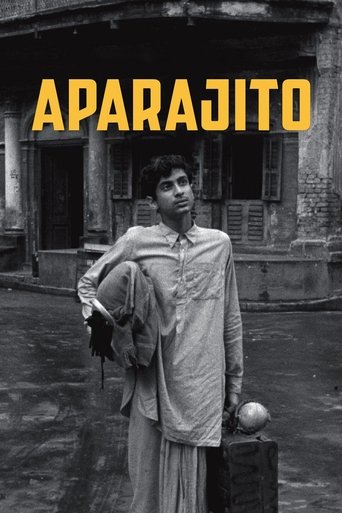
7.8Apu and his family have moved away from the country to live in the bustling holy city of Benares. As he progresses from wide-eyed child to intellectually curious teenager, eventually studying in Kolkata, we witness his academic and moral education, as well as the growing complexity of his relationship with his mother.
Aparajito
1956
7.8Apu and his family have moved away from the country to live in the bustling holy city of Benares. As he progresses from wide-eyed child to intellectually curious teenager, eventually studying in Kolkata, we witness his academic and moral education, as well as the growing complexity of his relationship with his mother.
Aparajito
1956
7.8Apu and his family have moved away from the country to live in the bustling holy city of Benares. As he progresses from wide-eyed child to intellectually curious teenager, eventually studying in Kolkata, we witness his academic and moral education, as well as the growing complexity of his relationship with his mother.
Aparajito
1956
 8.1
8.1Apu, now a jobless ex-student dreaming vaguely of a future as a writer, is invited to join an old college friend on a trip up-country to a village wedding.
The World of Apu
1959
8.1Apu, now a jobless ex-student dreaming vaguely of a future as a writer, is invited to join an old college friend on a trip up-country to a village wedding.
The World of Apu
1959
8.1Apu, now a jobless ex-student dreaming vaguely of a future as a writer, is invited to join an old college friend on a trip up-country to a village wedding.
The World of Apu
1959
 7.1
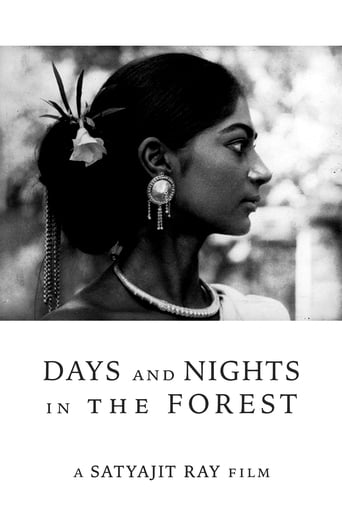
7.1Four friends from Calcutta who have very different personalities make a holiday excursion into the country, to a tiny village in the state of Bihar where they set themselves up in a bungalow. A series of minor events, all connected to their respective reactions to their new environment, reveals their characters more deeply.
Days and Nights in the Forest
1970
7.1Four friends from Calcutta who have very different personalities make a holiday excursion into the country, to a tiny village in the state of Bihar where they set themselves up in a bungalow. A series of minor events, all connected to their respective reactions to their new environment, reveals their characters more deeply.
Days and Nights in the Forest
1970
 7.6
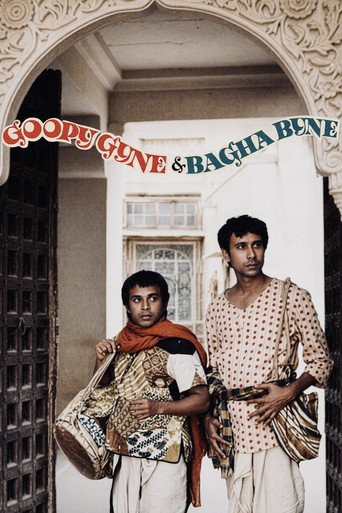
7.6Goopy Gyne and Bagha Byne are banished from their respective villages for being bad musicians. However, with their skills, they succeed in pleasing the king of ghosts who grants them three boons. How will they succeed in preventing the war between Halla and Shundi which is looming large?
Goopy Gyne Bagha Byne
1969
7.6Goopy Gyne and Bagha Byne are banished from their respective villages for being bad musicians. However, with their skills, they succeed in pleasing the king of ghosts who grants them three boons. How will they succeed in preventing the war between Halla and Shundi which is looming large?
Goopy Gyne Bagha Byne
1969
 8.1
8.1Arindam, a matinee idol, is going by train to collect an acting award. On the train, he is confronted by Aditi, a journalist who somewhat unwillingly starts to take his interview. Arindam, won over by Aditi's naivete, starts to disclose his past, his fears, and his secrets.
The Hero
1966
8.1Arindam, a matinee idol, is going by train to collect an acting award. On the train, he is confronted by Aditi, a journalist who somewhat unwillingly starts to take his interview. Arindam, won over by Aditi's naivete, starts to disclose his past, his fears, and his secrets.
The Hero
1966
 7.1
7.1In the year 1856, Nawab Wajid Ali Shah is the King of Awadh, one of the last independent kingdoms of India. The British intend to control this rich land and send General Outram to clear way for an annexation. Pressure is mounting amidst intrigue and political maneuvers, but the Nawab whiles away his time in pursuit of pleasure and religious practice. The court is of no help either — noblemen Mir and Mirza ignore all duties and spend their days playing endless games of chess.
The Chess Players
1977
7.1In the year 1856, Nawab Wajid Ali Shah is the King of Awadh, one of the last independent kingdoms of India. The British intend to control this rich land and send General Outram to clear way for an annexation. Pressure is mounting amidst intrigue and political maneuvers, but the Nawab whiles away his time in pursuit of pleasure and religious practice. The court is of no help either — noblemen Mir and Mirza ignore all duties and spend their days playing endless games of chess.
The Chess Players
1977
 7.5
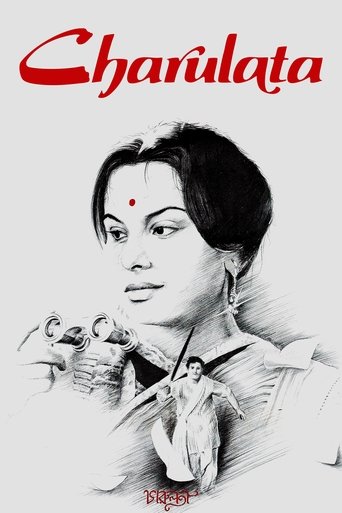
7.5In 1870s India, Charulata is an isolated, artistically inclined woman who sees little of her busy journalist husband, Bhupati. Realizing that his wife is alienated and unhappy, he convinces his cousin, Amal, to spend time with Charulata and nourish her creative impulses. Amal is a fledgling poet himself, and he and Charulata bond over their shared love of art.
Charulata
1964
7.5In 1870s India, Charulata is an isolated, artistically inclined woman who sees little of her busy journalist husband, Bhupati. Realizing that his wife is alienated and unhappy, he convinces his cousin, Amal, to spend time with Charulata and nourish her creative impulses. Amal is a fledgling poet himself, and he and Charulata bond over their shared love of art.
Charulata
1964
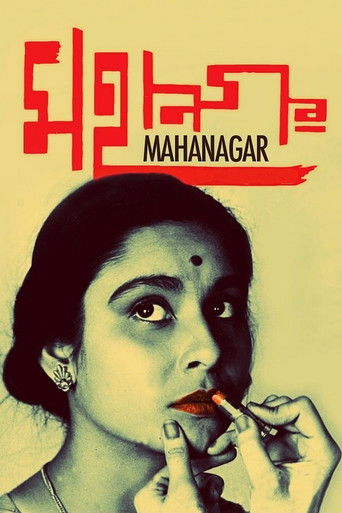 7.8
7.8Arati takes a job as a door-to-door saleswoman in Calcutta's wealthy neighbourhoods, in defiance of her traditionally-minded husband, Subrata, and his live-in parents. Emulating her Anglo-Indian friend Edith, who speaks equal to the men she encounters on the job, Arati quickly becomes her firm's top salesperson. When Subrata loses his job, the power dynamic begins to shift.
The Big City
1963
7.8Arati takes a job as a door-to-door saleswoman in Calcutta's wealthy neighbourhoods, in defiance of her traditionally-minded husband, Subrata, and his live-in parents. Emulating her Anglo-Indian friend Edith, who speaks equal to the men she encounters on the job, Arati quickly becomes her firm's top salesperson. When Subrata loses his job, the power dynamic begins to shift.
The Big City
1963
 7.5
7.5A devout upper-class Hindu has a vision in a dream that his daughter-in-law is the human incarnation of the Goddess Kali and begins worshipping her.
Devi
1960
7.5A devout upper-class Hindu has a vision in a dream that his daughter-in-law is the human incarnation of the Goddess Kali and begins worshipping her.
Devi
1960
7.5A devout upper-class Hindu has a vision in a dream that his daughter-in-law is the human incarnation of the Goddess Kali and begins worshipping her.
Devi
1960
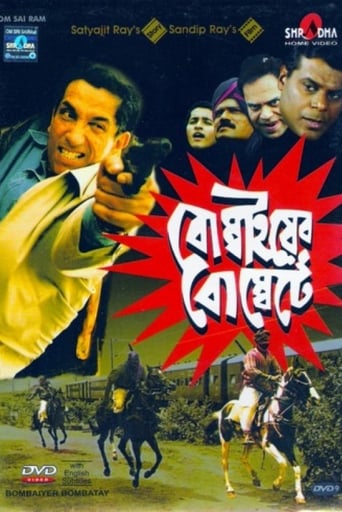 7.4
7.4Lalmohan Ganguly, alias Jatayu − a sidekick of Feluda − gets invited to Mumbai (previously Bombay) to watch the shooting of a film based on a novel written by him. Once in Mumbai, he, along with Feluda and Topshe gets embroiled with underworld kingpins. He seems to have transported the Nana Sahib's necklace. But fortunately because of Feluda the real thief is caught and convicted. Although the original story was written in the 1970s, the movie is set in more recent times and depict the real problem of underworld involvement in Bollywood.
Bombaiyer Bombete
2003
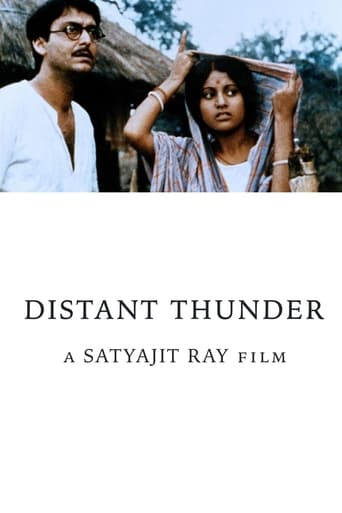 6.8
6.8Gangacharan is the new Brahmin of a village, where he assumes various duties: teaching, organizing religious events, and trying to prevent epidemics. But in that year 1943, war is raging (as reminded by the planes occasionally heard flying over the countryside), and a major famine is under way. As food shortages reach catastrophic proportions, Gangacharan attempts to preserve his privileged situation, while his generous wife, Ananga, conversely tries to help and support the community.
Distant Thunder
1973
6.8Gangacharan is the new Brahmin of a village, where he assumes various duties: teaching, organizing religious events, and trying to prevent epidemics. But in that year 1943, war is raging (as reminded by the planes occasionally heard flying over the countryside), and a major famine is under way. As food shortages reach catastrophic proportions, Gangacharan attempts to preserve his privileged situation, while his generous wife, Ananga, conversely tries to help and support the community.
Distant Thunder
1973
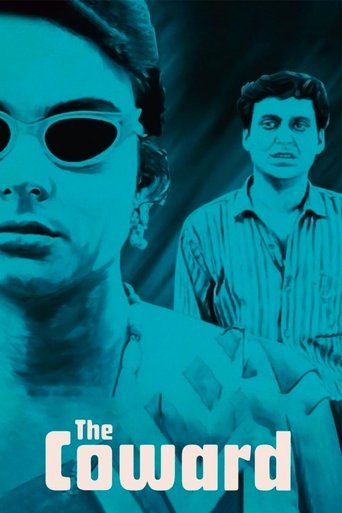 7.2
7.2Amitabha Roy is a Calcutta-based scriptwriter, driving around in the country to collect material for a film. His vehicle breaks down in a small town. A tea planter, Bimal Gupta, offers hospitality for the night. Amitabha is forced to accept the offer as he has no alternative.
The Coward
1965
7.2Amitabha Roy is a Calcutta-based scriptwriter, driving around in the country to collect material for a film. His vehicle breaks down in a small town. A tea planter, Bimal Gupta, offers hospitality for the night. Amitabha is forced to accept the offer as he has no alternative.
The Coward
1965
 7.3
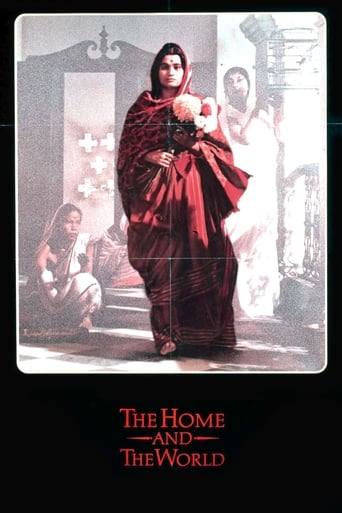
7.3In the early 1900s, Nikhilesh, a wealthy Westernized Hindu in colonial East Bengal, feels compelled to test the love of his wife, Bimala. He introduces her to his friend Sandip, a politician agitating against British rule, and Bimala is equally taken with both Sandip's anti-colonial fervor and the man himself. Personal and political tensions subsequently flare as the now assertive Bimala has to make a crucial decision.
The Home and the World
1985
7.3In the early 1900s, Nikhilesh, a wealthy Westernized Hindu in colonial East Bengal, feels compelled to test the love of his wife, Bimala. He introduces her to his friend Sandip, a politician agitating against British rule, and Bimala is equally taken with both Sandip's anti-colonial fervor and the man himself. Personal and political tensions subsequently flare as the now assertive Bimala has to make a crucial decision.
The Home and the World
1985
 7.2
7.2When a wealthy patriarch falls ill on his 70th birthday, three of his sons rush in from Calcutta, leading to a reunion filled with painful ironies and lingering disillusionment. As the family—including an addled fourth son who lives with the old man—watches and waits, the static occasion brings out simmering tensions in their family dynamics, from the father’s moral rectitude to the business ambition of two sons and the withdrawal of their siblings.
The Branches of the Tree
1990